Doctrine and Questions
How the Bible Came to Hold 73 Books in Catholic Tradition
A clear look at the Catholic canon, its roots in Israel, and the Church's careful discernment of Scripture
Site Admin | July 9, 2026 | 143 views
For many Christians, the number 73 can sound surprising when they first hear that the Catholic Bible contains 73 books. The question is reasonable. Why this number? Why do Catholics include some books in the Old Testament that are not found in many Protestant Bibles? And how did the Church know which writings belong in Scripture?
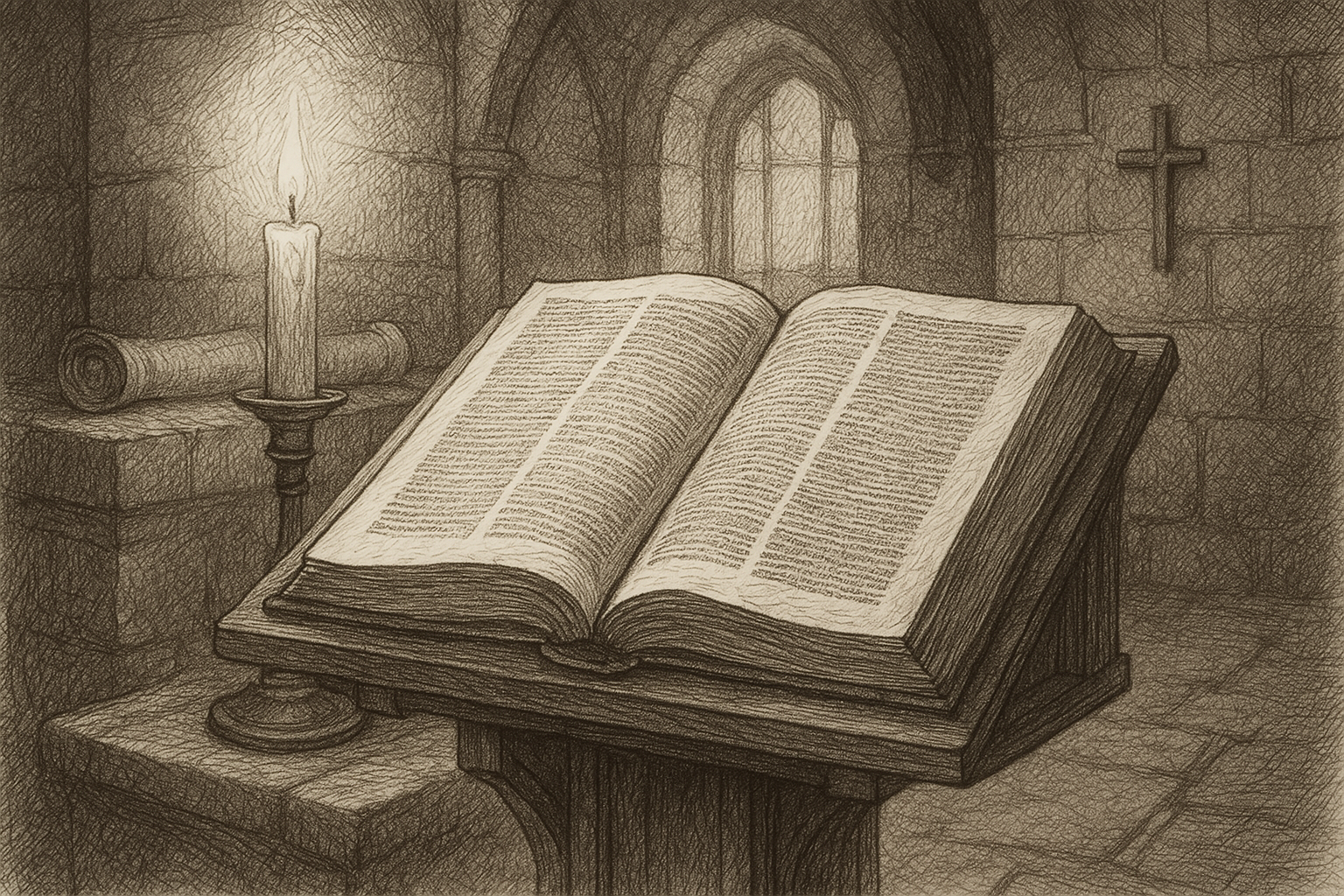
The short answer is that Catholics believe the Bible is not a book that fell from the sky already bound and numbered. It is a collection of sacred writings received by the people of God, read in worship, and recognized by the Church under the guidance of the Holy Spirit. The Catholic canon includes 46 books in the Old Testament and 27 in the New Testament, for a total of 73. That number reflects the Church's settled judgment about the books handed on as Scripture.
Scripture was received before it was listed
In the earliest centuries, Christians did not begin with a printed Bible and then decide what to believe. They began with the preaching of the apostles, the life of the Church, the celebration of the Eucharist, and the reading of sacred writings in the liturgy. The New Testament grew out of that living apostolic world.
Even the New Testament itself points to this process of reception. St. Paul reminds the Thessalonians to hold fast to the traditions they received, whether by word of mouth or by letter 2 Thessalonians 2:15. That does not mean Scripture is secondary to human opinion. It means that the Word of God was first entrusted to the Church in both spoken and written form. The Church then discerned, with care, which books truly belonged to that apostolic deposit.
This is one reason Catholics speak of the canon as something recognized, not invented. The Church did not create inspired books. She acknowledged those books that had truly been given by God and used from the beginning in the worship and teaching of His people.
The Old Testament in the Church came through Israel and the Greek Scriptures
The Catholic Old Testament includes books such as Tobit, Judith, Wisdom, Sirach, Baruch, and 1 and 2 Maccabees, along with additions to Esther and Daniel. These books are often called deuterocanonical by Catholics. That word simply means they belong to the later, definitive recognition of the canon. It does not mean they are less sacred or less inspired.
One reason these books matter is that the Scriptures used widely by many Jews of the time of Christ were not limited to the shorter Hebrew collection often associated with the later rabbinic tradition. Many Jews in the Greek-speaking world read the Septuagint, a Greek translation of the Old Testament that included these additional books. The New Testament authors frequently echo or quote the Septuagint, showing how naturally it belonged to the biblical world of the first Christians.
There is also a theological reason Catholics receive these books. They illuminate themes that are fulfilled in Christ: prayer for the dead, the hope of resurrection, wisdom as a gift from God, fidelity under persecution, and the holiness of God's people. For example, 2 Maccabees presents prayer for the dead and the conviction that God can purify and restore His faithful ones [[VERSE|2-maccabees|12|44-45|2 Maccabees 12:44-45]]. That teaching harmonizes with the Church's understanding of purgatory and the communion of saints.
When Catholics ask why the Bible has 73 books, part of the answer is that the Church received the Old Testament not as an isolated historical library, but as the living Scriptures of the people from whom Christ came. The books that Christians call deuterocanonical were part of that inheritance in the Church's early life.
The New Testament canon formed around apostolic witness
The 27 New Testament books were recognized because they bore the mark of apostolic origin and faithful witness to Christ. The Gospels testify to the Lord's life, death, and Resurrection. The Acts of the Apostles recount the Church's beginnings. The letters of Paul and the other apostles instruct the communities in faith and morals. The Book of Revelation concludes the canon with a vision of Christ's final victory.
Not every early Christian writing was accepted as Scripture. Some were edifying but not inspired. Others claimed apostolic authority without truly belonging to the apostolic witness. The Church had to discern carefully, asking whether a book came from the apostolic age, reflected orthodox teaching, and was read broadly in the liturgy of the Churches.
This process unfolded over time. By the fourth century, important local councils and bishops were naming the same core collection of New Testament books that Catholics recognize today. The Church was not adding arbitrary material. She was confirming what had already become established in the life of Christian worship and doctrine.
The apostolic standard matters because the New Testament is not simply a collection of inspiring spiritual writings. It is the Church's primary written witness to the revelation brought by Jesus Christ. As the Letter to the Hebrews says, God has spoken to us definitively in His Son [[VERSE|hebrews|1|1-2|Hebrews 1:1-2]]. The apostolic books preserve that witness in written form.
Why Catholics trust the Church's discernment
A common question is whether Catholics believe the Church has authority over the Bible. The better way to say it is that Catholics believe Christ entrusted His revelation to the Church, and that the Church serves that revelation faithfully. The Church is not above the Word of God. She is its custodian and interpreter.
That matters because the Bible does not contain its own table of contents. No inspired page lists all the inspired pages. Someone had to discern which books belonged. Catholics believe the Holy Spirit guided that discernment through the Church, just as the Spirit guides the Church in preaching the gospel and guarding the deposit of faith.
St. Paul describes the Church as the pillar and bulwark of the truth 1 Timothy 3:15. Catholics do not read that as a claim that Christians can never err in anything, but as a sign that the Church has a real, visible responsibility to safeguard the truth Christ entrusted to her. The canon of Scripture belongs to that responsibility.
Without the Church, Christians would still have many ancient writings, but they would lack a living, authoritative way to know which are truly inspired. The Catholic answer to why the Bible has 73 books is that the Church, under the Spirit's guidance, recognized the books God had given for the salvation of His people.
Why the shorter canon appeared in some Christian communities
After the Reformation, many Protestant communities accepted a shorter Old Testament canon, usually reflecting the books found in later Hebrew collections. Catholics, however, retained the fuller canon used in the Church's tradition and in much of the early Christian world. The difference is not about whether the Bible is sacred. It is about which books belong to the Old Testament.
This disagreement can be confusing, especially for readers trying to compare Bibles side by side. Yet the issue is not solved by counting manuscripts alone. It requires asking how the Church historically received Scripture and how she understood the books read in worship, quoted by the Fathers, and used in doctrine.
Catholics do not deny that serious Jews and Christians valued the shorter Hebrew list. The point is that the Church's canon emerged from a broader apostolic and liturgical inheritance. The deuterocanonical books were not late inventions. They were already part of the Scripture life of the early Church, and that is why the Catholic Bible still contains them.
What the 73 books reveal about God's providence
The number 73 is not a magical number. It is the result of historical discernment joined to faith in God's providence. The canon shows that God did not leave His people without a reliable witness to His saving work. He gave Israel the Scriptures, fulfilled them in Christ, and entrusted the apostolic Church with the task of handing them on.
That story should give Catholics confidence. The Bible is not a private spiritual notebook assembled by each reader according to preference. It is the living Word of God received within the Church, proclaimed in the liturgy, and read in continuity with the faith once delivered to the saints.
When Catholics open a Bible with 73 books, they are not opening a different religion. They are reading the same great story of creation, covenant, exile, wisdom, prophecy, Incarnation, Cross, Resurrection, and the life of the Church, with the fuller canon that the Church has long treasured. The additional Old Testament books do not distract from Christ. They help prepare for Him, and they deepen the faith with which Christians read all Scripture.
So the next time someone asks why the Catholic Bible has 73 books, the answer can be simple and calm. Because the Church, guided by the Holy Spirit, received those 73 books as the inspired Scriptures of God's people. That discernment grew from apostolic worship, ancient Jewish Scripture, and the Church's careful judgment. It is one more sign that God's word was given not as a fragment, but as a living inheritance for His Church.
Keep Reading on Lets Read The Bible
Frequently Asked Questions
Why does the Catholic Bible have more books than many Protestant Bibles?
Because Catholics include the deuterocanonical books in the Old Testament, which were part of the Scripture tradition used by the early Church and received in Catholic canon discernment.
Did Catholics add books to the Bible later on?
Catholics do not believe the Church invented new inspired books. The Church formally recognized the books already received in worship and tradition, including the deuterocanonical books.
Are the 73 books of the Catholic Bible the same as the Protestant Bible plus extras?
The New Testament is the same 27 books in both. The difference is in the Old Testament, where Catholics include seven additional books and parts of two others that are not in most Protestant Bibles.