Family and Vocation
A Life Answered in Freedom: The Patient Work of Vocation
Scripture, prayer, and practical wisdom for discerning a vocation in the middle of ordinary life.
Site Admin | October 16, 2026 | 14 views
Discerning a vocation can feel like standing before several roads while trying to hear a voice carried on the wind. The desire to do God's will is sincere, yet the next step may remain unclear. Some people wait for an unmistakable sign. Others fear that one wrong decision will ruin God's plan. Most discover that vocation is discerned more quietly, through prayer, honest self-knowledge, wise counsel, and the duties already placed before them.
This discerning a vocation reflection begins with a reassuring truth: God is not setting a trap. He calls each person in love and desires a free, mature response. Discernment is not the decoding of a secret message. It is the gradual formation of a heart capable of recognizing and choosing the good.
Vocation begins before the big decision
The word vocation refers to a call. In Catholic life, it first means the call every person receives from God, especially the call of the baptized to holiness and communion with him. Saint Paul expresses this plainly: 1 Thessalonians 4:3. Before anyone discerns marriage, priesthood, consecrated life, a particular apostolate, or a path of faithful service, there is already a vocation to become a saint.
This changes the central question. Instead of asking only, Which state of life should I choose? a person can also ask, How is Christ teaching me to love today? The larger decision matters, but it grows within daily fidelity. A person who avoids prayer, responsibility, forgiveness, and service will not become ready for a vocation merely by discovering the right label.
The Church recognizes marriage, Holy Orders, and consecrated life as distinct forms of Christian commitment. Many lay people also serve God through demanding professions, apostolic work, care for relatives, and a faithful single life, whether that season is temporary or enduring. A career is not identical to a vocation, but work can become an important place where a vocation is lived. Every authentic calling must remain rooted in the universal call to holiness.
Scripture shows a call becoming a response
Biblical calls are personal, but they are rarely detached from community, responsibility, or sacrifice. The young Samuel learns to listen with the help of Eli: 1 Samuel 3:9. His experience reminds us that spiritual guidance does not replace God's voice. It helps us recognize that voice more clearly.
At the Annunciation, Mary receives a call she did not design for herself. She asks a real question, listens to the answer, and freely gives her assent: Luke 1:38. Her response is neither passive nor careless. It is an act of faith shaped by humility, courage, and trust. Christian discernment likewise makes room for questions without allowing fear to have the final word.
Jesus also calls people away from attachments that limit their freedom. The rich man desires eternal life, yet he leaves sorrowful when Christ touches the possession he cannot surrender: Mark 10:22. The passage warns us that a person can admire a calling while resisting its cost. Discernment therefore asks not only what attracts us, but also what we are unwilling to entrust to God.
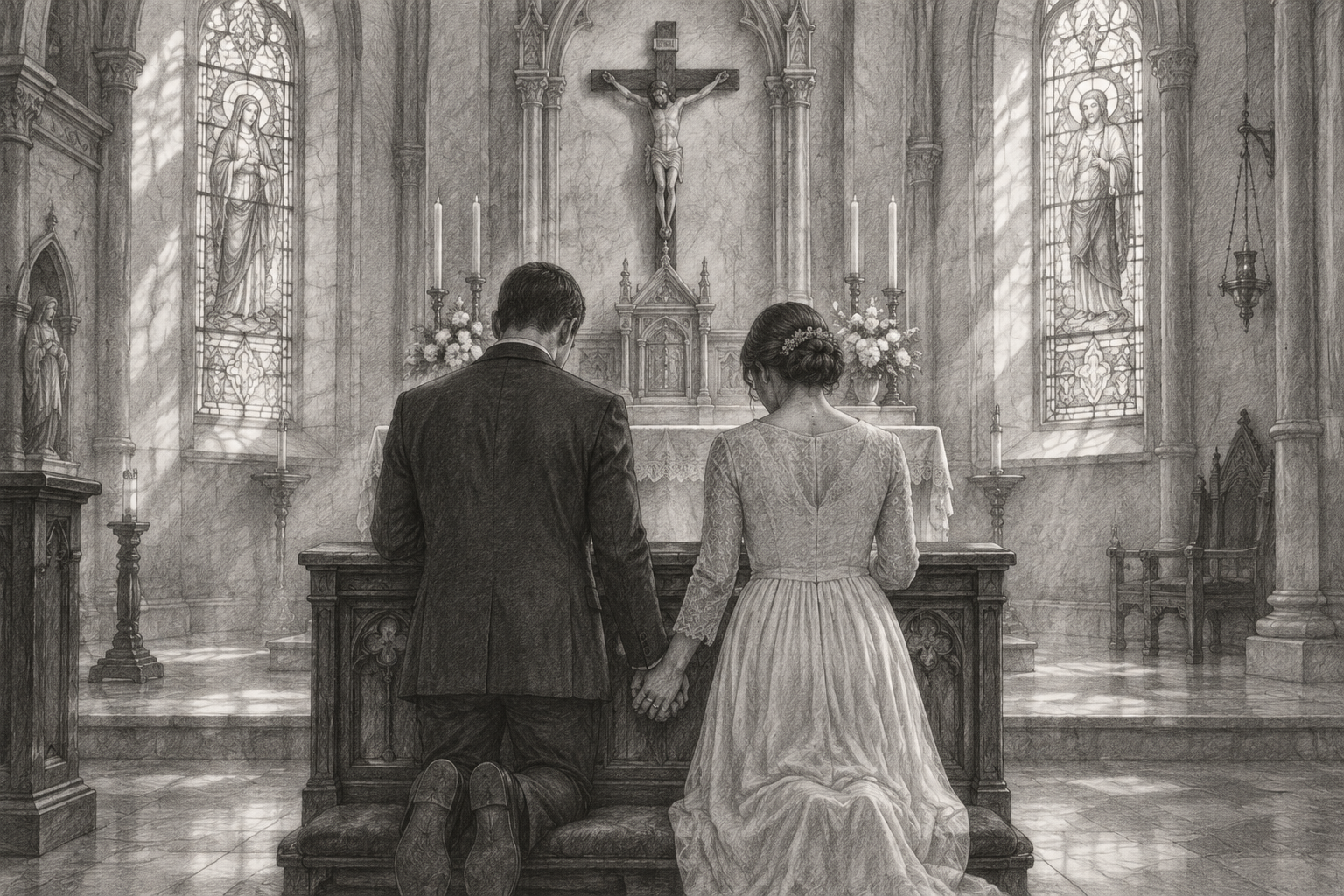
In the early Church, the call of Barnabas and Saul is recognized during communal worship, prayer, and fasting: Acts 13:2. A vocation may be deeply personal, but it is not merely private. The Church tests, receives, and supports particular calls. Marriage requires the free consent of both spouses. A priestly vocation is discerned with the Church through a diocese or religious community. Consecrated life is tested within an institute and under its proper authority.
Desire matters, but desire must be purified
God often works through human desire. A lasting attraction to family life, sacramental ministry, contemplation, teaching, service to the poor, or missionary work deserves attention. Grace does not normally erase human nature. It heals and elevates it.
Yet not every strong feeling is a vocation. Desire can be mixed with loneliness, romantic expectations, a need for approval, fear of ordinary life, or an attempt to escape unresolved problems. Someone may imagine priesthood as shelter from the vulnerability of marriage. Another may pursue marriage mainly to avoid being alone. A person may idealize religious life while resisting obedience and community. These motives do not automatically disqualify anyone, but they need honest examination.
Saint Paul urges Christians to be transformed so that they may discern what is good and pleasing to God: Romans 12:2. Discernment is not simply choosing whatever feels most intense. It allows Christ to educate desire until a person can love the real good, including its sacrifices.
Questions that test a possible call
- Does this path lead toward Christ? A genuine vocation should deepen prayer, charity, truthfulness, and participation in the life of the Church.
- Can I embrace its ordinary duties? A vocation is lived on uneventful days. Marriage includes patience, fidelity, household responsibilities, and care in sickness. Priesthood includes study, pastoral availability, obedience, and sacramental service. Consecrated life includes prayer, community, and fidelity to a rule or charism.
- Am I becoming freer? Fear may accompany a true call, but manipulation, secrecy, and compulsion are warning signs. God calls for a free response.
- Do trusted people recognize suitable gifts? Others may notice generosity, stability, pastoral charity, patience, or an ability to form a Christian home. Their judgment is not infallible, but it is valuable.
- Can the call be confirmed in reality? A person discerning marriage must come to know an actual person, not an imagined spouse. Someone discerning priesthood or religious life must contact a diocese or community and enter the Church's process of formation.
- Does the desire endure through changing moods? A passing enthusiasm may fade. A genuine call often becomes steadier as it is prayed over, tested, and lived in small ways.
Practices that make discernment concrete
Discernment needs more than repeated thinking. Endless inner debate can create the illusion of spiritual work while leaving a person stuck. The following practices help move reflection into faithful action.
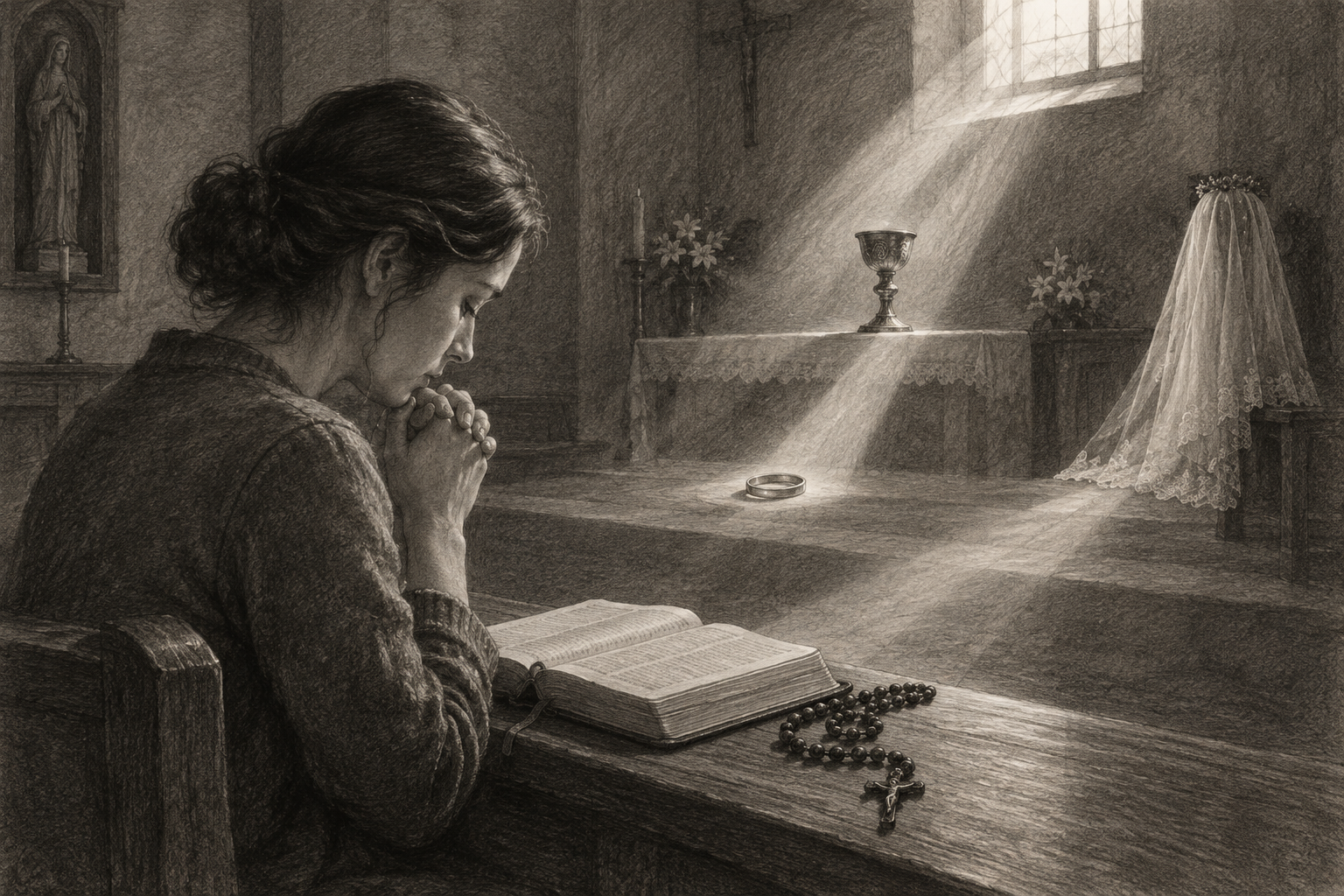
- Establish a steady life of prayer. Set aside regular time for silence, Scripture, and honest conversation with God. Jesus says that his sheep hear his voice and follow him: John 10:27. Familiarity grows through relationship. It is difficult to recognize the Shepherd's voice if prayer occurs only during a crisis.
- Receive the sacraments faithfully. The Eucharist draws the believer into Christ's self-giving love. Reconciliation exposes self-deception and restores grace. Vocational clarity is not earned by receiving the sacraments, but sacramental life forms the person who is discerning.
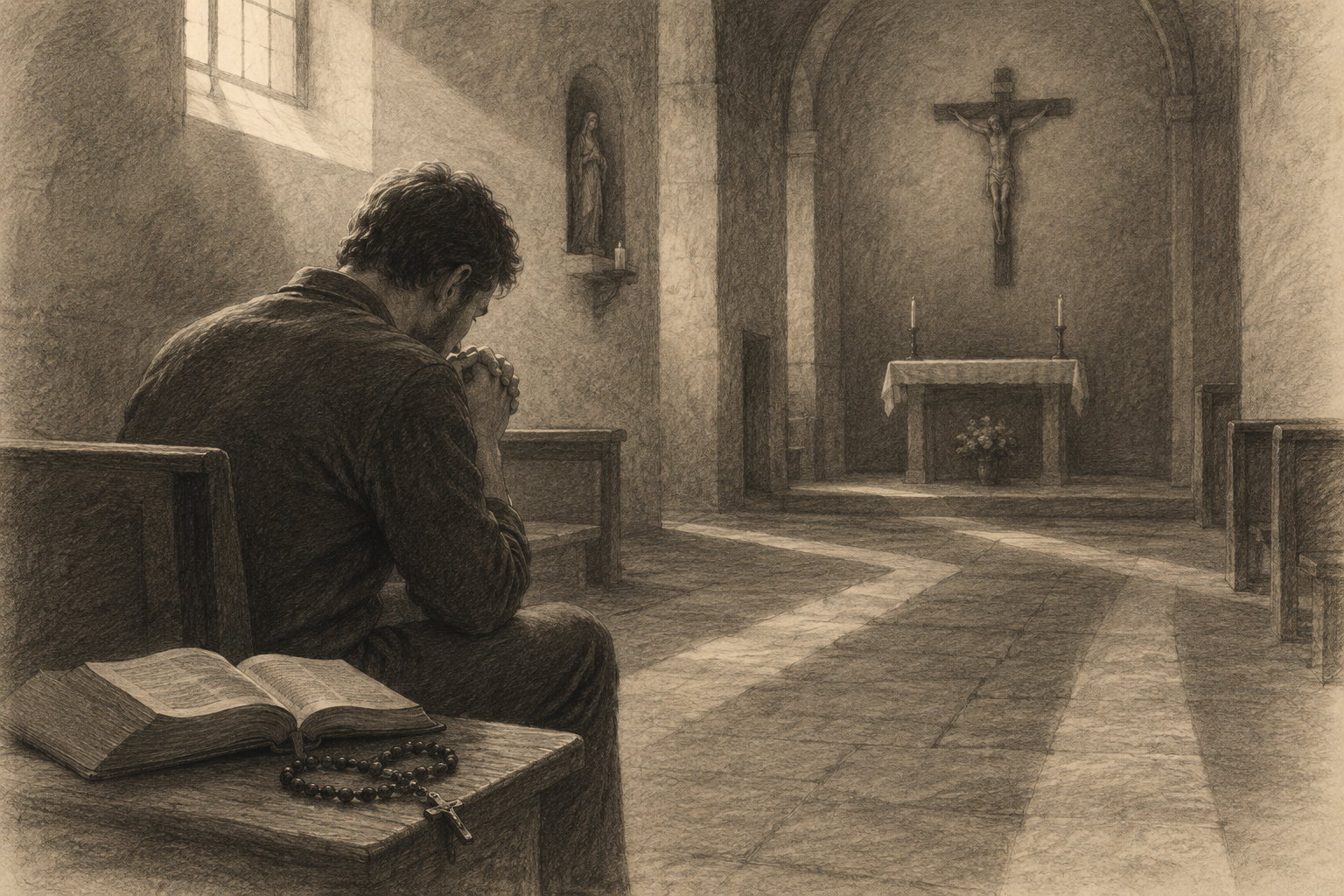
- Seek wise spiritual guidance. A prudent priest, religious, or trained spiritual director can help identify recurring movements, unrealistic expectations, and areas where healing is needed. A director should not make the decision for the person. The goal is greater freedom before God.
- Learn about the real life involved. Visit a seminary or religious community when appropriate. Speak with faithful married couples about both joy and strain. Serve in a parish. Observe how a possible vocation is lived beyond ceremonial moments.
- Attend to present responsibilities. Paying debts, keeping promises, caring for health, working honestly, and repairing damaged relationships are not distractions from discernment. They are part of it. God often prepares a person for future commitment through current duties.
- Make decisions when enough light has been given. Scripture describes God's word as a lamp for the next step: Psalm 119:105. A lamp does not always illuminate the entire road. At some point, mature discernment requires a responsible choice rather than a demand for absolute certainty.
The place of family and community
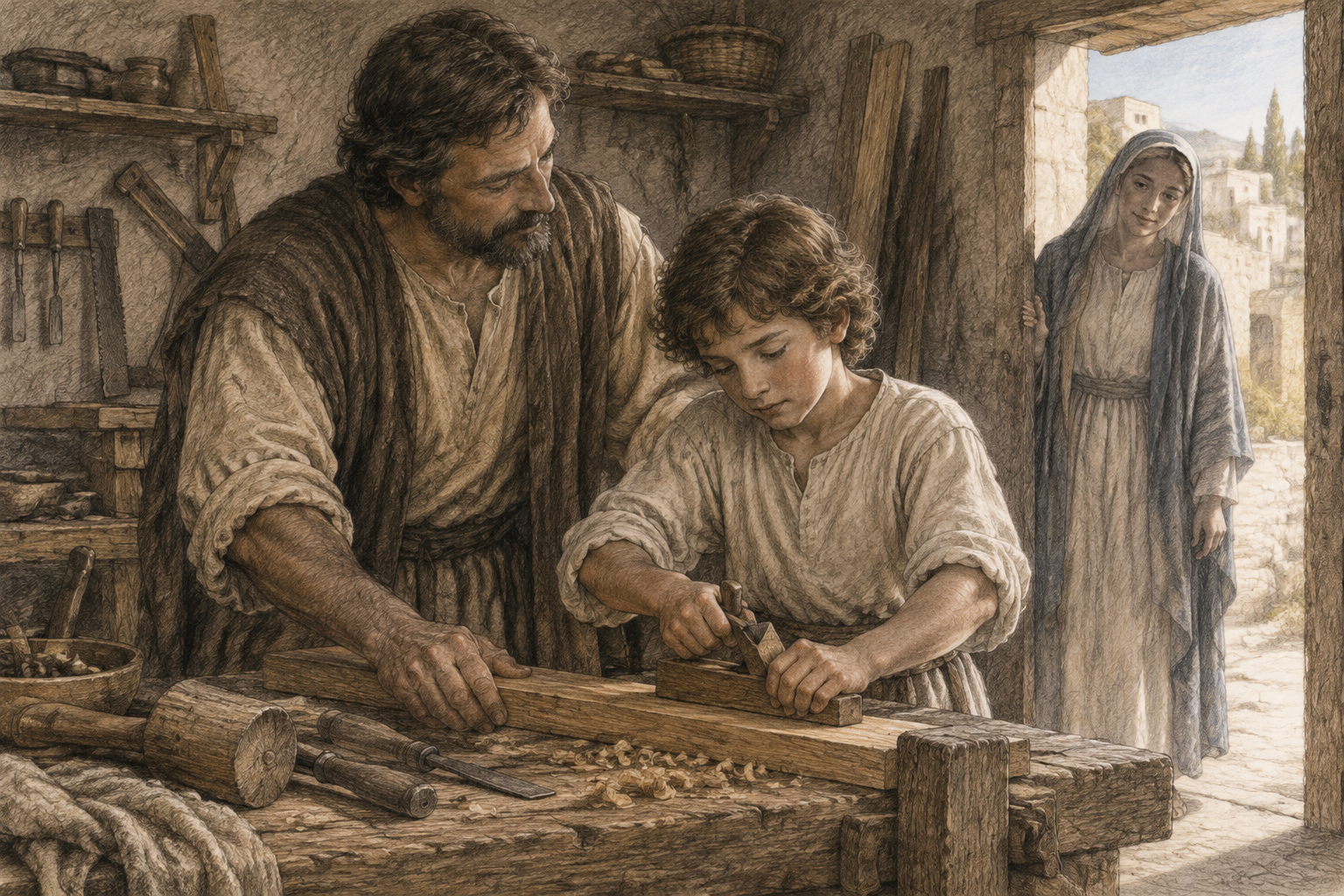
Families can provide essential wisdom because they know a person's history, strengths, and patterns. Parents can nurture vocation by teaching children to pray, serve, keep commitments, and imagine holiness as a real possibility. They can speak respectfully about marriage, priesthood, and consecrated life without treating one path as a prize or another as a disappointment.
At the same time, a vocation cannot be chosen by family pressure. Parents should not demand grandchildren, push a child toward the priesthood, or oppose a serious call merely because it brings distance or change. Loving counsel respects both the teaching of the Church and the adult freedom of the person discerning.
The wider parish community also matters. Vocations tend to grow where Christian life is visible and credible. Young people need to encounter marriages marked by forgiveness, priests who serve with joy, religious who live their vows faithfully, and lay people whose work is shaped by the Gospel. Such witnesses do not recruit through pressure. They reveal that a life given to God can be deeply human and fruitful.
When clarity takes time
Not everyone receives quick certainty. A delayed answer is not necessarily a sign of weak faith. Sometimes circumstances need to develop. Sometimes emotional wounds require care. Sometimes God is forming patience, correcting an imagined future, or directing attention back to a neglected duty.
Peace can accompany a good decision, but peace should not be reduced to a pleasant feeling. A true vocation may involve grief, fear, and the sober awareness of sacrifice. Christian peace is often quieter: a growing willingness to entrust the cost to Christ. It can coexist with trembling.
If no clear path has emerged, the faithful response is not to suspend life. Pray, work, serve, build healthy friendships, and remain close to the sacraments. Take the next honest step that is available. The person who learns to love generously now is not wasting time while waiting for a vocation. That love is already an answer to God's call.
Vocation is finally less about constructing a perfect future than about receiving life as a gift and returning it in love. God may lead through attraction, sacrifice, counsel, opportunity, or a duty that slowly becomes dear. The road becomes visible as it is walked. With each faithful yes, the heart grows more capable of the greater yes that may still be ahead.
Keep Reading on Lets Read The Bible
Frequently Asked Questions
How can I tell the difference between God's call and my own desire?
Begin by testing the desire through prayer, Catholic teaching, present duties, honest self-knowledge, and wise counsel. A possible vocation should lead toward Christ, charity, freedom, and concrete responsibility. Personal desire matters, but it needs time and purification rather than immediate acceptance or rejection.
Can a Catholic vocation change over time?
Before a permanent commitment, discernment can develop and a person may discover that an earlier path is not the right one. Careers, ministries, and forms of service can also change. Valid marriage vows, ordination, and perpetual religious profession involve lasting commitments, so later decisions must respect the obligations already received.
What should I do if I have prayed but still feel no clear vocational answer?
Continue living the Christian life faithfully. Receive the sacraments, serve others, seek prudent guidance, care for your responsibilities, and take reasonable steps to learn about possible vocations. Lack of immediate clarity does not mean that God has abandoned you or that your present life is spiritually unimportant.