Catholic Living
Scrolling With a Catholic Conscience: Faithful Discernment in the Age of Social Media
Social media can serve truth, friendship, and witness, but only if Catholics use it with prudence, charity, and self-command.
Site Admin | August 4, 2026 | 81 views
Social media use Catholic teaching may not be the phrase most people type into a search bar when they open an app, but the question behind it is very real. Catholics live online now. We message family, share news, follow public events, and sometimes try to encourage others in the faith. The digital world is not outside moral life. It is part of ordinary life, and therefore part of discipleship.
The Church does not treat social media as evil in itself. Like other tools, it can be used well or badly. It can connect the lonely, spread important information, and give ordinary people a way to speak truth. It can also feed vanity, anger, envy, distraction, and habits of speech that would trouble us if we said them face to face. Catholic moral teaching does not start with fear. It starts with the conviction that every human act should be ordered to love of God and love of neighbor.
Social media is a tool, but the human person remains the moral agent
Catholic teaching looks first at the person using the tool. A platform does not make a moral decision for us. We do. That means the familiar questions of virtue still matter online: Am I telling the truth? Am I treating others with charity? Am I using my time wisely? Am I acting in a way that helps or harms my soul?
Many people think of online behavior as less serious because it feels distant. A post can be typed in a few seconds, and a comment can be made without seeing the other person. But moral theology does not depend on distance. A harsh word, a false claim, or a cruel joke remains morally serious even if it is delivered through a screen. The Catechism's teaching on truthfulness, charity, and respect for persons applies just as much in digital spaces as anywhere else.
Saint Paul gives a useful test for all speech: Let no evil talk come out of your mouths. That is not only a warning about profanity. It is a call to speak in ways that build up. Online life invites the opposite. It rewards quick reaction, sharpness, performance, and the desire to win. The Christian response is not withdrawal from every digital space, but a deliberate effort to remain free, truthful, and gentle.
The main moral concerns Catholics should notice
There are several recurring dangers in social media use that deserve sober attention. None of them are unique to the internet, but the internet often intensifies them.
1. Vanity and self-display
It is natural to want to be seen and known. But social media can turn that desire into a restless need for approval. Catholics should ask whether posting is serving communion or feeding self-importance. There is nothing wrong with sharing a family photo, a prayer request, or a moment of gratitude. The problem begins when the heart becomes attached to praise, attention, or image management.
Humility is not pretending we have nothing to offer. It is receiving our gifts as gifts. On social media, humility means being willing to disappear into ordinary faithfulness when no one is watching. It means resisting the urge to shape every moment into a performance.
2. Anger, outrage, and contempt
Online platforms often reward the most heated version of a reaction. Catholics should be wary of anything that trains the heart to enjoy anger. There is a difference between moral clarity and online aggression. We can oppose error without turning people into enemies to be mocked.
Jesus teaches that reconciliation matters deeply, and that anger can grow into sin if it is cherished. He also teaches mercy, which is often the first casualty of digital argument. If an online exchange makes us quicker to sneer than to pray, something has gone wrong. A Catholic conscience should not be formed by outrage as a steady diet.
3. Detraction, gossip, and careless sharing
The internet can make it very easy to repeat claims about other people, especially if they are scandalous or dramatic. Catholics have long been warned against gossip, detraction, and rash judgment. These sins do not become harmless because they are spread widely.
This is especially important when sharing stories about public figures, neighbors, parishioners, or even strangers. A post may be technically true and still be uncharitable if it needlessly exposes another person's faults. We should ask whether a piece of content serves the truth, protects the good, and respects the dignity of the person involved.
There is a strong moral difference between carefully discussing a real public issue and feeding a culture of rumor. Christian speech should not use other people's weakness as entertainment.
4. Envy and comparison
Social media often presents a polished view of other people's lives. Families, careers, bodies, homes, vacations, and spiritual routines can all become displays of selective perfection. For many people, the result is comparison and discouragement. Catholics should remember that envy is not a small habit. It distorts gratitude and weakens joy.
The saints were not obsessed with measuring themselves against others. They were busy becoming holy. That is still the right measure. If a platform regularly leaves us sad, resentful, or ashamed, it may be time to change how we use it, or even step back entirely for a season.
5. Distraction and the loss of interior silence
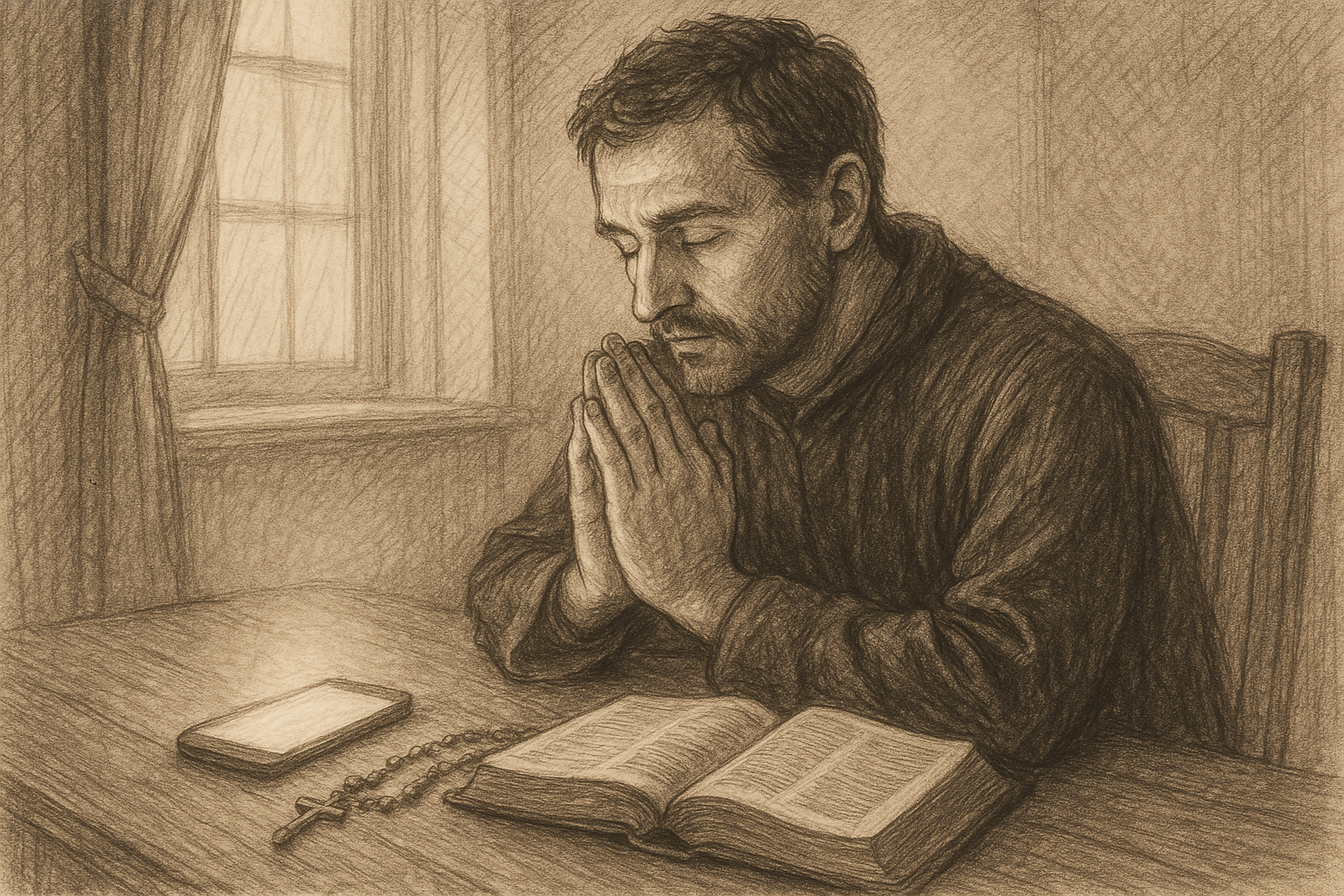
Constant scrolling can erode attention. It can fracture prayer, shorten patience, and make the mind feel crowded. Catholics need silence not because technology is evil, but because prayer is real. The soul does not flourish when every quiet moment is filled.
Many believers find that the first thing social media takes is not doctrine or discipline, but recollection. We become accustomed to interruptions. Then we struggle to remain present at Mass, with family, or in personal prayer. A wise Catholic approach to digital life includes guarding time for silence, reading, and true rest.
Your Father who sees in secret reminds us that not every good thing must be performed for an audience.
What the Church asks of our online habits
Mainstream Catholic teaching on social media use is not a separate set of rules just for the internet. It is the same moral life applied to a new environment. That means the virtues remain central.
- Truthfulness: Do not spread falsehoods, manipulate images of reality, or repeat claims without checking them carefully.
- Charity: Speak in ways that respect the dignity of others, even in disagreement.
- Prudence: Ask whether posting, commenting, or sharing will actually help.
- Temperance: Set limits on time, attention, and emotional reactivity.
- Justice: Give others what they are due, including a fair hearing and the benefit of the doubt when appropriate.
The Church also cares about the formation of conscience. That means Catholics should not ask only,
Keep Reading on Lets Read The Bible
Frequently Asked Questions
Is social media use itself sinful for Catholics?
No. Social media is not sinful in itself. The moral question is how it is used. It can serve communication, encouragement, and even evangelization, but it can also become a source of vanity, anger, falsehood, and wasted time. The same virtues that guide speech and attention in ordinary life should guide online habits as well.
Can Catholics evangelize on social media?
Yes, when it is done with humility and truth. Catholics can share Scripture, Church teaching, prayers, and witness to faithful living. But evangelization should not become argument for its own sake or self-promotion. It works best when the tone is respectful, patient, and rooted in real charity.
How can I tell if social media is harming my spiritual life?
A good sign is whether your online habits are making prayer, patience, and peace more difficult. If scrolling leaves you restless, envious, angry, or unable to focus, that is worth taking seriously. A brief fast, time limits, or a more intentional use pattern can help restore balance.