Catholic Living
When the Horoscope Becomes a Habit: A Catholic Look at Discernment and Freedom
Astrology can seem harmless, but Catholics are called to something deeper than curiosity, control, or fear.
Site Admin | August 19, 2026 | 69 views
When curiosity turns into dependence
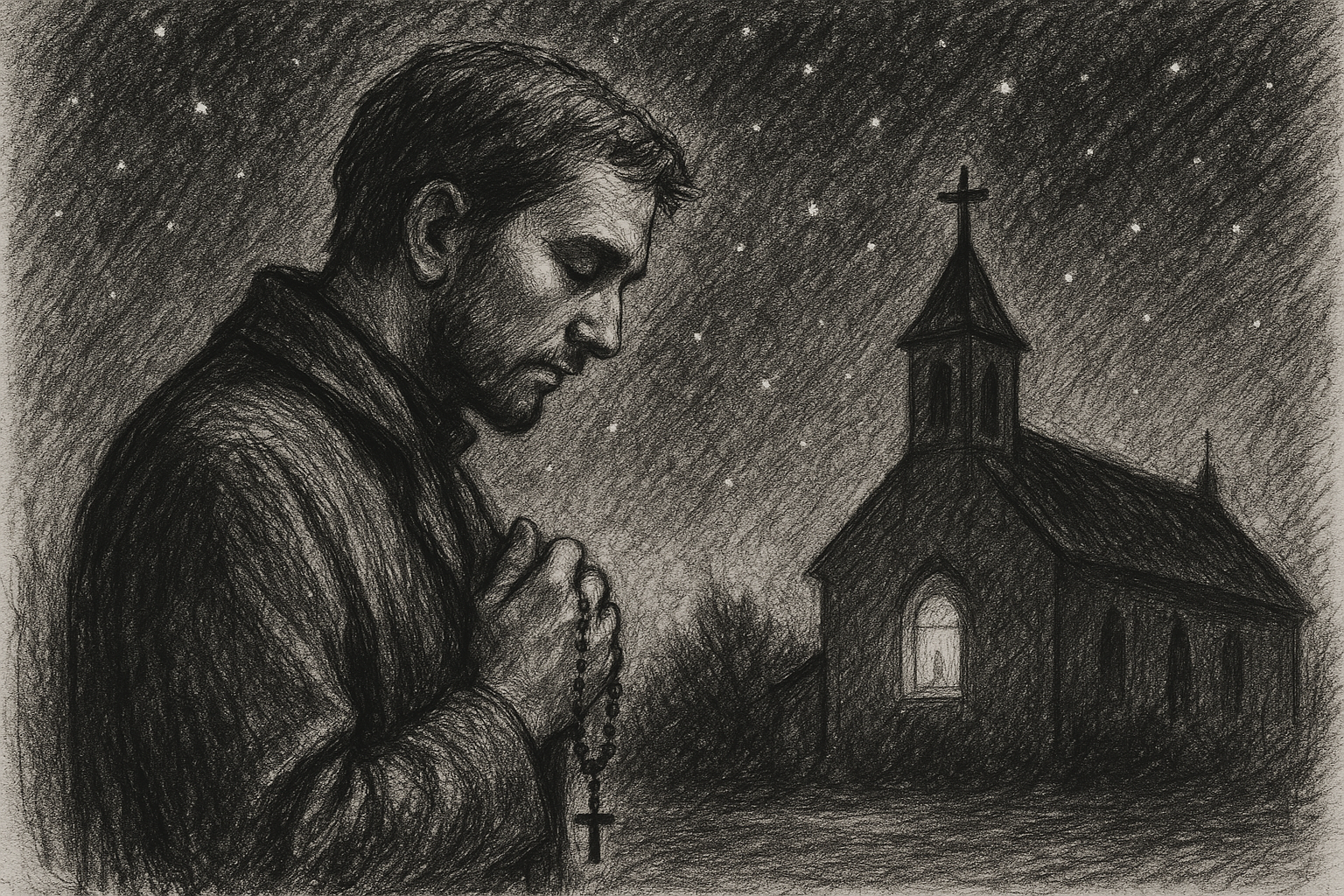
Many people first meet astrology in an ordinary way. A friend sends a horoscope. A social media account predicts the mood of the week. A personality chart feels playful, even flattering. At first, it can seem like a harmless form of entertainment, something soft and vague that adds color to the day.
But astrology and Catholic life do not remain at the level of entertainment for long when a person begins to consult the stars for guidance, identity, or reassurance. What starts as curiosity can become dependence. What begins as a joke can slowly shape decisions, relationships, and fear. That is why the Church takes astrology seriously. The issue is not only whether the claims are true. It is also whether the human heart is being trained to seek meaning apart from God.
Scripture warns against trying to read the future through hidden powers. The Lord says, There shall not be found among you any one who practices divination. This is not because God is stingy with guidance. It is because He loves His children and does not want them to hand over their freedom to whatever promises secret knowledge.
Catholic moral life is not about crushing curiosity. It is about ordering desire toward what is true, good, and holy. When astrology begins to promise control, certainty, or personal identity, it offers a counterfeit form of wisdom. It speaks in the language of destiny, but often leaves a person less free, not more.
What the Church is really objecting to
The Church's concern is not with the stars as created things. The heavens declare the glory of God, as the Psalmist sings, The heavens declare the glory of God. Catholics are free to admire the beauty of the cosmos, study astronomy, and marvel at creation. The danger lies in treating the heavens as though they govern personal fate apart from God's providence.
Astrology tries to attach spiritual meaning and predictive power to the positions of the stars and planets. In practice, that can lead to divination, superstition, or a subtle form of idolatry. The Catechism teaches that all forms of divination are to be rejected because they seek power over time, history, and, in the end, other human beings, as well as a wish to conciliate hidden powers. Even when a person does not intend to offend God, the habit can still distort the moral life.
A Catholic is meant to live by faith, hope, and charity, not by a constant reading of signs. We pray, we discern, we use reason, and we ask for grace. We do not need a chart to tell us whether another person is trustworthy, whether a decision is wise, or whether suffering has meaning. Those answers come through prayer, prudence, counsel, and the ordinary path of discipleship.
How astrology affects the moral life
The moral problem with astrology is not only that it may be false. It also changes the way a person approaches responsibility. If I believe my sign explains everything, I may excuse impatience, vanity, laziness, or bitterness as if they were written into my nature with no room for conversion. That is a quiet but serious temptation.
Catholic life insists that grace does not erase freedom. We are not locked into our worst habits, and we are not trapped by a personality label. In Christ, the sinner can become a saint. The fearful can become brave. The self-centered can become generous. The wounded can be healed. A horoscope cannot do that.
Astrology can also feed anxiety. Some people check predictions because they are worried about the future. Others use them to feel in control of love, work, or family life. But the more a person seeks certainty in signs, the less room there is for trust. Jesus speaks directly to this burdened heart: Do not be anxious about tomorrow. His words are not a rebuke to the weak. They are an invitation to rest in the Father's care.
There is also a relational cost. When people sort others by signs, they can begin to replace real knowledge with stereotypes. A husband, wife, friend, or coworker becomes a category. The person is no longer encountered as a unique child of God, but as an entry in a symbolic system. That may seem trivial, yet it can subtly weaken charity.
Discernment is not the same as divination
Catholics should not confuse discernment with fortune telling. Discernment is prayerful, patient, and realistic. It asks what is in keeping with God's will, what is wise, and what bears good fruit. Divination tries to force hidden knowledge from a source that is not God.
Discernment belongs to a humble heart. It listens. It waits. It tests spirits. It seeks counsel. It accepts that not every question will be answered immediately. This is often hard in a world that wants instant clarity. Astrology can feel attractive precisely because it offers quick labels and neat predictions. But Christian discernment is deeper than quick clarity. It is a way of being formed by truth.
Not every desire for guidance is sinful. The real question is where that guidance is sought, and whether the search opens the soul to trust or to bondage.
St. Paul reminds us that we are not to be conformed to this age, but transformed by the renewal of our minds. That renewal includes rejecting systems that claim secret access to our future while bypassing prayer, conscience, and the wisdom of the Church. The Christian does not need every detail in advance. He needs enough light to obey today.
What repentance can look like
For someone who has relied on astrology, repentance should be real, but not theatrical. There is no need for panic or shame. A calm return to God is more fruitful than dramatic self-condemnation. The Lord already knows how easily the heart looks for substitutes when it feels uncertain or lonely.
A simple act of repentance may begin with a prayer like this: Lord Jesus Christ, I have looked for guidance where I should have trusted You. I renounce every false promise I have believed. Cleanse my mind, strengthen my will, and lead me in Your truth.
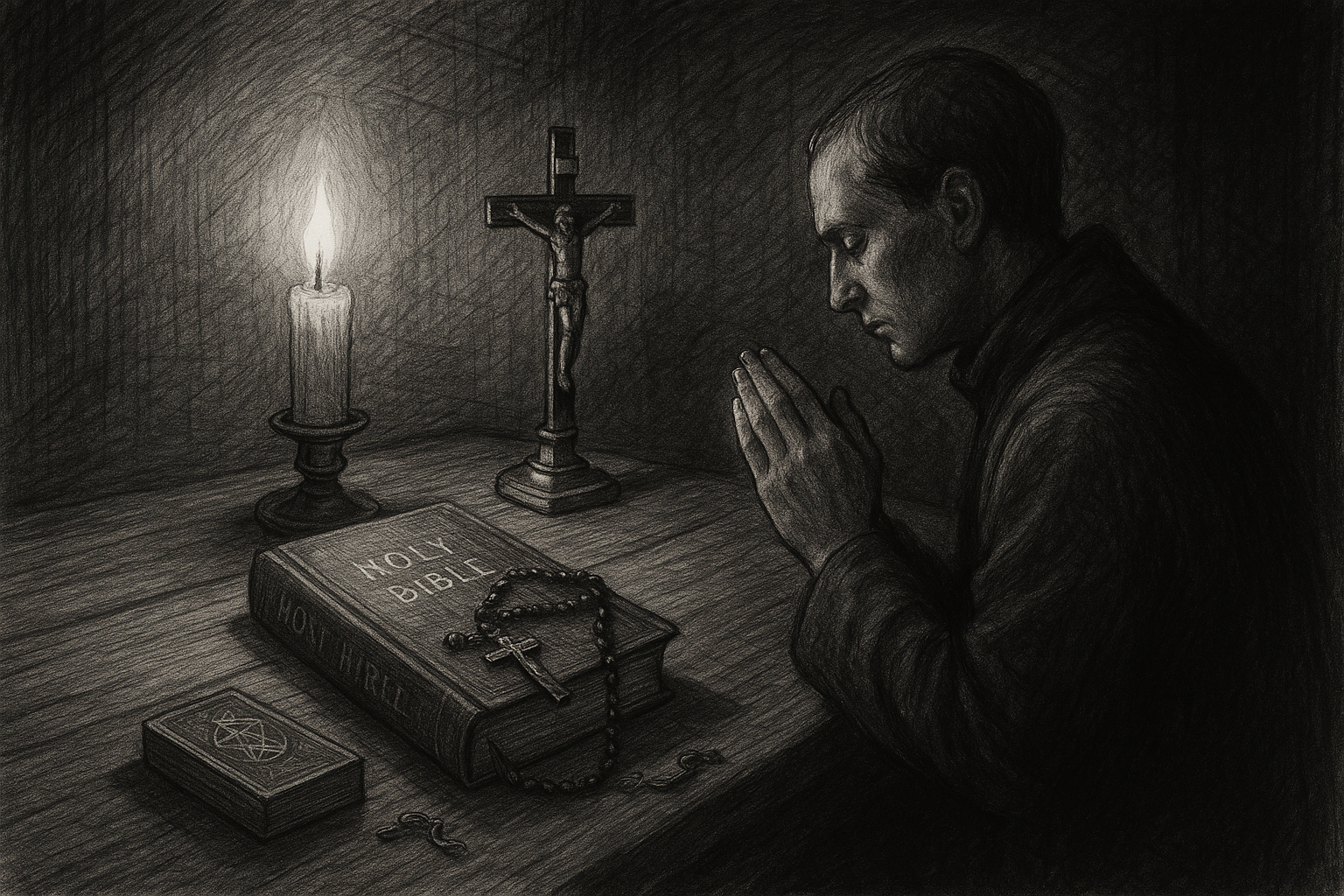
Then take practical steps. Remove horoscope apps. Unfollow accounts that feed obsession or fear. Do not keep a daily habit that weakens trust. If there are objects, books, or cards tied to occult practices, set them aside and dispose of them reverently. If the matter has become serious or tangled with other spiritual practices, speak with a priest who can help you discern the right pastoral response.
Repentance is not only about stopping a behavior. It is also about turning toward a better way of living. That means replacing the old habit with prayer, Scripture, and sacramental life. It may mean returning more intentionally to Confession and the Eucharist. It may mean asking the Holy Spirit for the virtue of prudence, so that decisions are made with patience and sober judgment.
Healing the hunger underneath the habit
Astrology often meets a real human need. Some people are lonely. Some are afraid of the future. Some want to be known. Some want a story about their life that makes sense of pain. These are not trivial needs. They are signs of a heart made for communion with God.
That is why healing should address the hunger underneath the habit. If astrology has been a way to cope with uncertainty, replace it with prayer and order. If it has been a way to feel special, remember that your dignity comes from baptism, not from a sign. If it has been a way to avoid hard choices, ask for courage. If it has been a way to soothe hurt, seek the sacraments and faithful companionship.
Here are a few concrete practices that can help:
- Begin the day with a short prayer of surrender instead of checking predictions.
- Read a Psalm when anxiety rises, especially Psalms of trust and praise.
- Keep a journal of real graces, not imagined omens.
- Choose one act of charity each day to train the heart away from self-focus.
- Ask a confessor or spiritual director for help if fear or obsession is strong.
These practices do not merely remove a bad habit. They make room for a better one. The Christian life is not emptying for its own sake. It is a filling of the soul with what is true.
Freedom, humility, and the dignity of the future
One of the deepest errors in astrology is the suggestion that the future can be mastered without surrender. Catholic faith teaches something more demanding and more beautiful: the future belongs to God. That is not a threat. It is comfort.
When we stop trying to control the unknown through signs, we recover humility. We accept that we are creatures, not managers of the universe. We also recover hope, because our lives are not sealed by a chart. They are open to grace. The saint is not the person who predicted everything correctly. The saint is the person who kept saying yes to God.
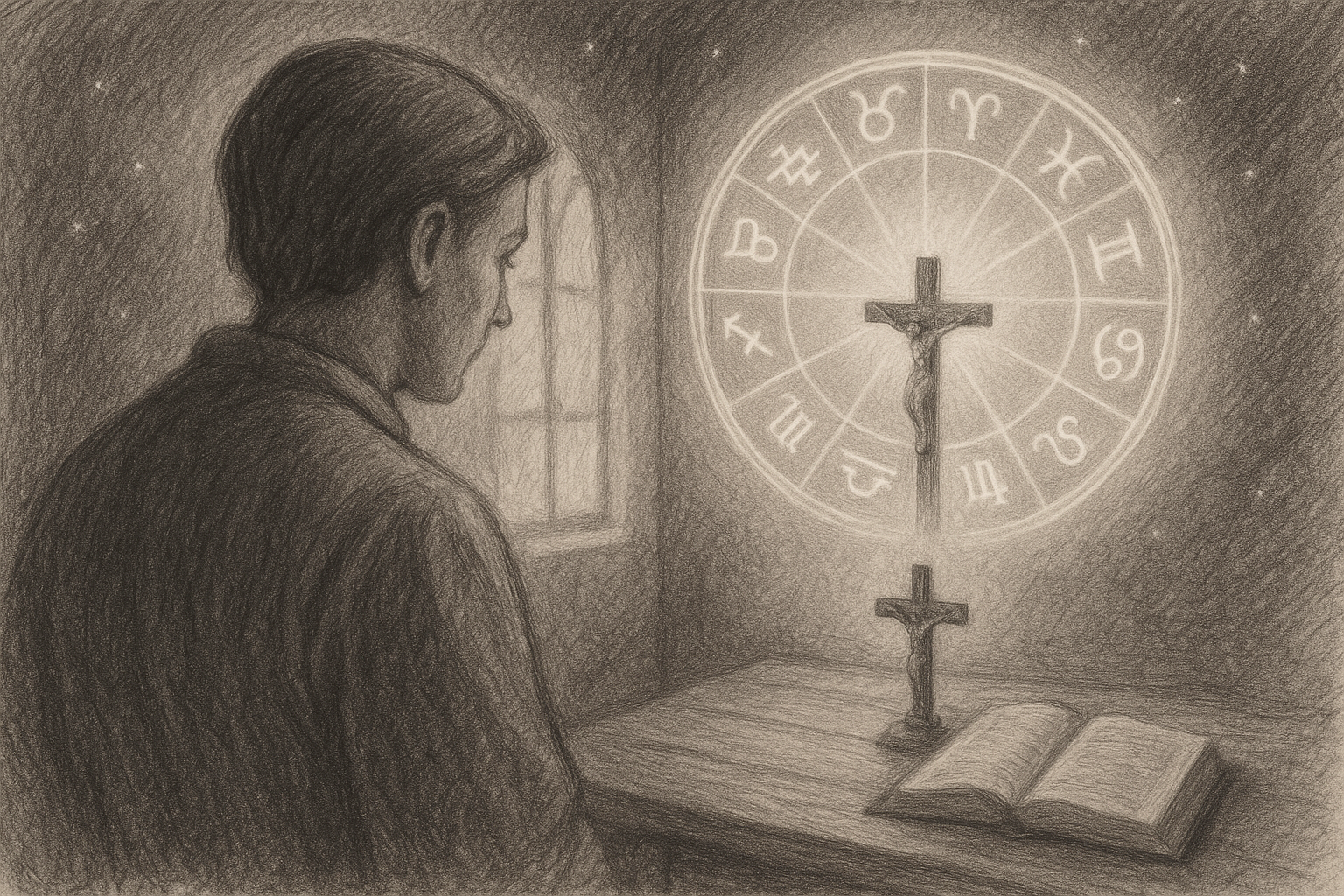
This is where astrology and Catholic life finally part ways. Astrology often asks, What does the universe say about me? Catholic faith asks, What is God asking of me now? The first question can become inward and anxious. The second leads outward, toward love.
If astrology has had a hold on you, do not be afraid to begin again. The Lord does not despise small acts of faith. He receives them, purifies them, and makes them fruitful. You do not need a constellation to tell you who you are. You are already known, already called, already invited to walk in the light of Christ.
Keep Reading on Lets Read The Bible
Frequently Asked Questions
Is it a sin for Catholics to read a horoscope just for fun?
A casual glance may not carry the same moral weight as a serious dependence on astrology, but it can still become spiritually harmful if it feeds curiosity, fear, or trust in hidden powers. Catholics should be careful not to normalize practices that turn the heart away from God.
What is the difference between astrology and discernment?
Astrology claims to read personality or the future from the stars. Discernment seeks God's will through prayer, Scripture, reason, conscience, and wise counsel. Discernment is rooted in trust; astrology is rooted in hidden knowledge.
How can I stop using astrology if it has become a habit?
Begin by removing the sources that feed the habit, then replace them with prayer, Scripture, Confession, and practical accountability. If the attachment feels strong, speak with a priest or trusted spiritual director for guidance and support.