Doctrine and Questions
Father in the Faith: Why Catholics Address Priests This Way
A closer look at Scripture, apostolic ministry, and the family language Catholics use for ordained priests
Site Admin | June 11, 2026 | 53 views
For many people, the custom of calling a priest Father can sound unfamiliar at first. Some assume it is a sign of excess honor, and others worry that it might conflict with the words of Jesus about calling no one on earth father. But within Catholic life, the title is neither accidental nor sentimental. It grows out of Scripture, the Church's understanding of ministry, and the ordinary way Christians speak about spiritual family.
The short answer to why Catholics call priests Father Catholic teaching is this: priests do not replace God the Father, and they do not compete with Christ. Rather, they share in Christ's own pastoral work by serving as spiritual fathers to the faithful. The title expresses a real relationship, not a flattery.
Scripture already uses fatherhood in a spiritual sense
When Catholics call a priest Father, they are not inventing a title from nowhere. The New Testament itself often uses family language for spiritual authority and care. Saint Paul speaks to the Corinthians with unmistakable fatherly concern: For though you have countless guides in Christ, you do not have many fathers. For I became your father in Christ Jesus through the gospel 1 Cor 4:15. That is not a casual image. Paul believes that the preaching of the Gospel and the formation of believers can create a genuine spiritual paternity.
Paul uses similar language elsewhere. He calls Timothy his beloved child in the faith 1 Tim 1:2, and he reminds the Thessalonians that he treated them like a father with his children 1 Thess 2:11. In each case, the relationship is not biological, but it is still real. It is grounded in gift, responsibility, instruction, and love.
Jesus also speaks in ways that show spiritual fatherhood is not forbidden in itself. He warns against seeking honorific titles for pride or status, yet he does not erase the deeper truths behind them. In the same passage where he cautions the crowds, he says, you have one Father, who is in heaven Mt 23:9. Catholics read that as a correction against false spiritual pride, not as a ban on every use of the word father in any context. After all, the Bible itself uses the word many times for earthly fathers, ancestors, and spiritual leaders.
What Jesus is correcting in Matthew 23
The key to reading Matthew 23 is humility. Jesus rebukes the scribes and Pharisees for loving public honor, visible rank, and titles that fed their ego. The danger was not the word itself, but the desire to be seen as important. Just a few verses later, He warns against seeking seats of honor and against making spiritual authority into a performance of pride [[VERSE|matthew|23|5-12|Mt 23:5-12]].
Catholics do not hear Jesus as erasing every human use of fatherhood, teacher, or master. In fact, if we took His words in the most rigid literal sense, we would have to stop using many ordinary terms of relationship and responsibility that Scripture itself uses freely. A consistent reading recognizes the moral point: no one should usurp the place that belongs to God alone. No priest is Father in the same way that God is Father. A priest is father only by participation, by grace, and always under Christ.
This is why Catholic tradition has never treated the title as a rival to divine worship. The Church does not ask the faithful to adore priests. She asks them to respect the sacramental office that Christ instituted for the good of souls. When a Catholic says Father, he is usually acknowledging a man who has been entrusted with preaching, absolution, blessing, and pastoral care. The title points beyond the man to the ministry.
The priest as a spiritual father
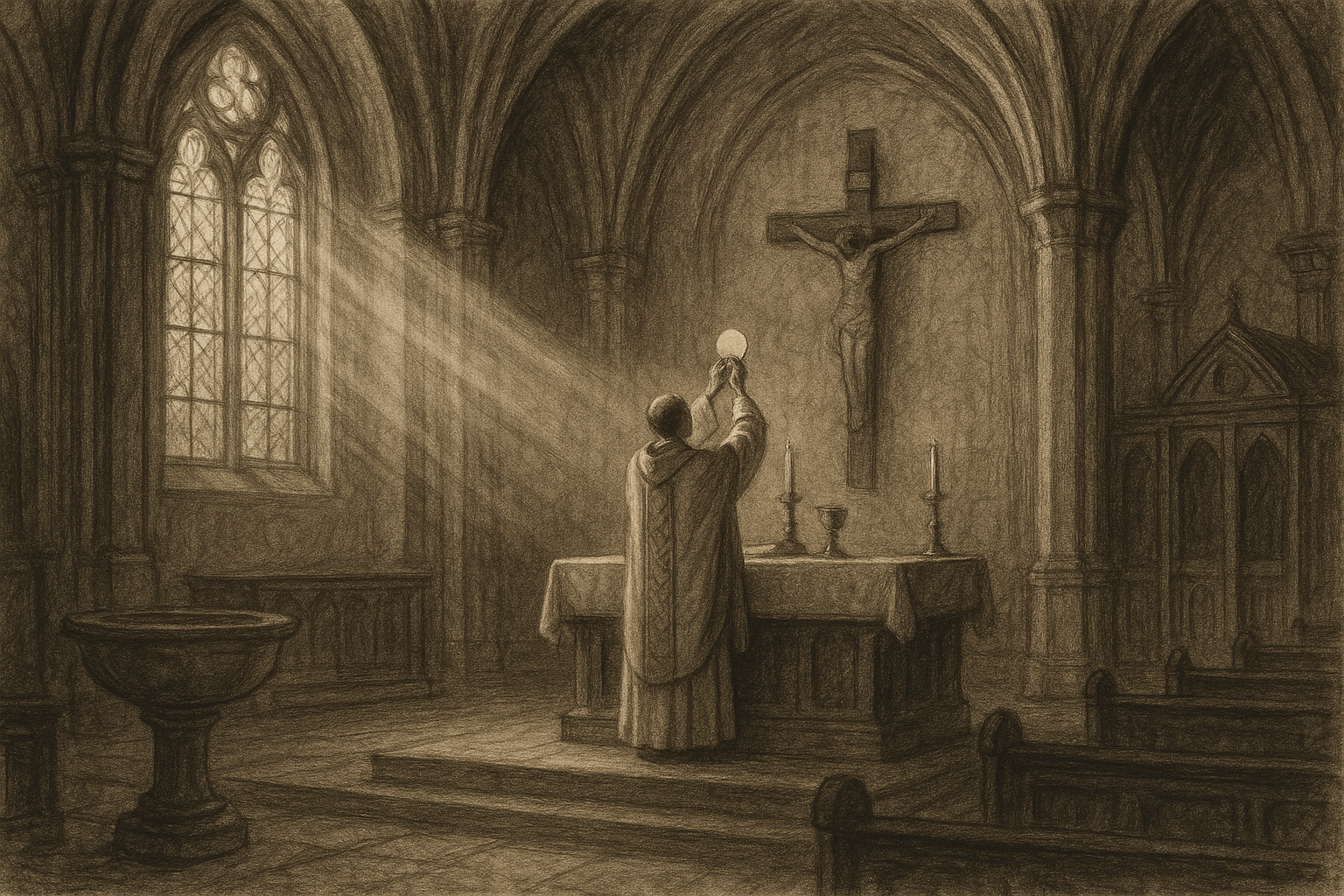
In Catholic teaching, ordination configures a man to Christ in a special way for service to the Church. A priest teaches in Christ's name, forgives sins in Christ's name, and offers the Eucharistic sacrifice in Christ's name. Through these acts, he nourishes new life in the faithful, just as a father helps sustain and guide a family.
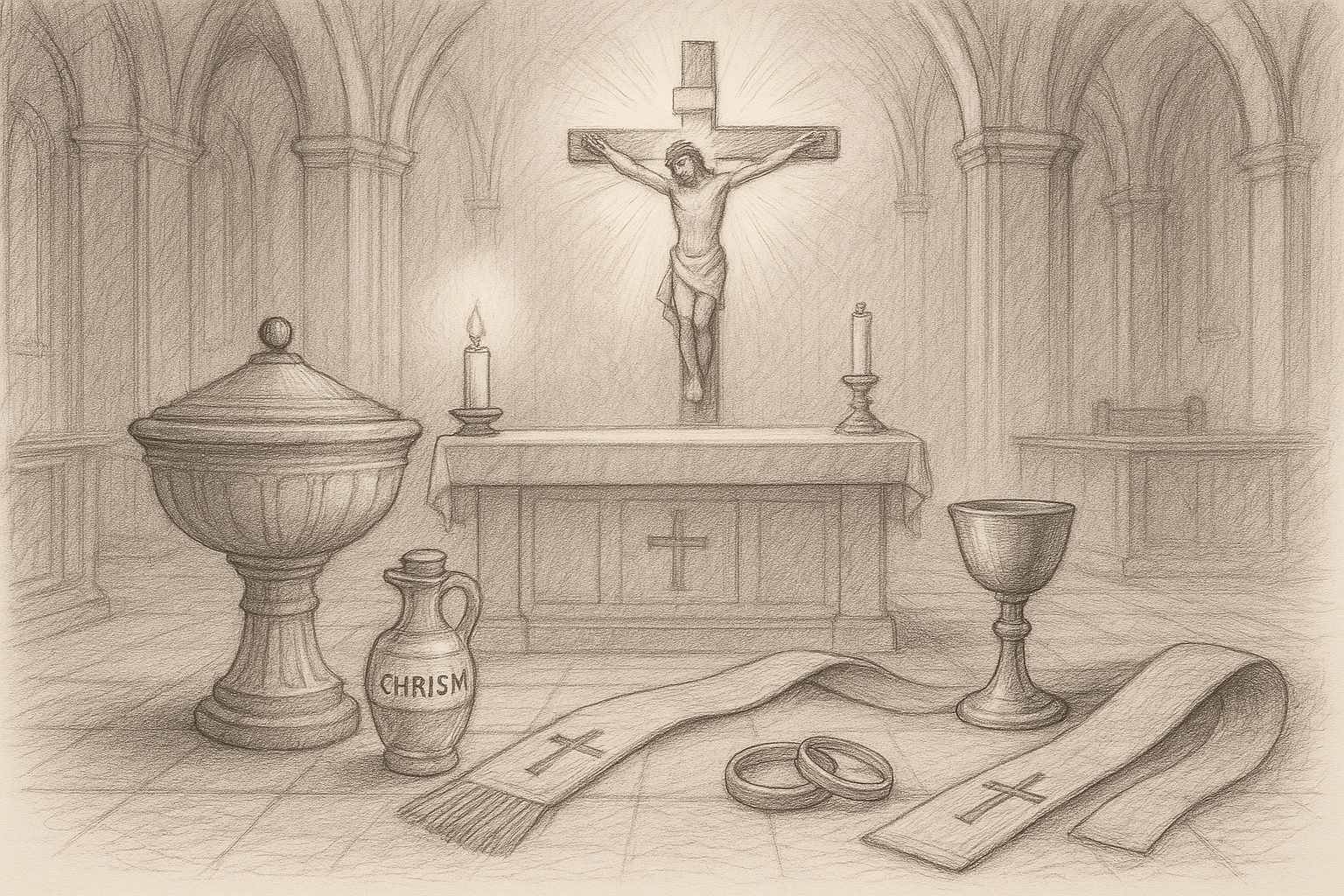
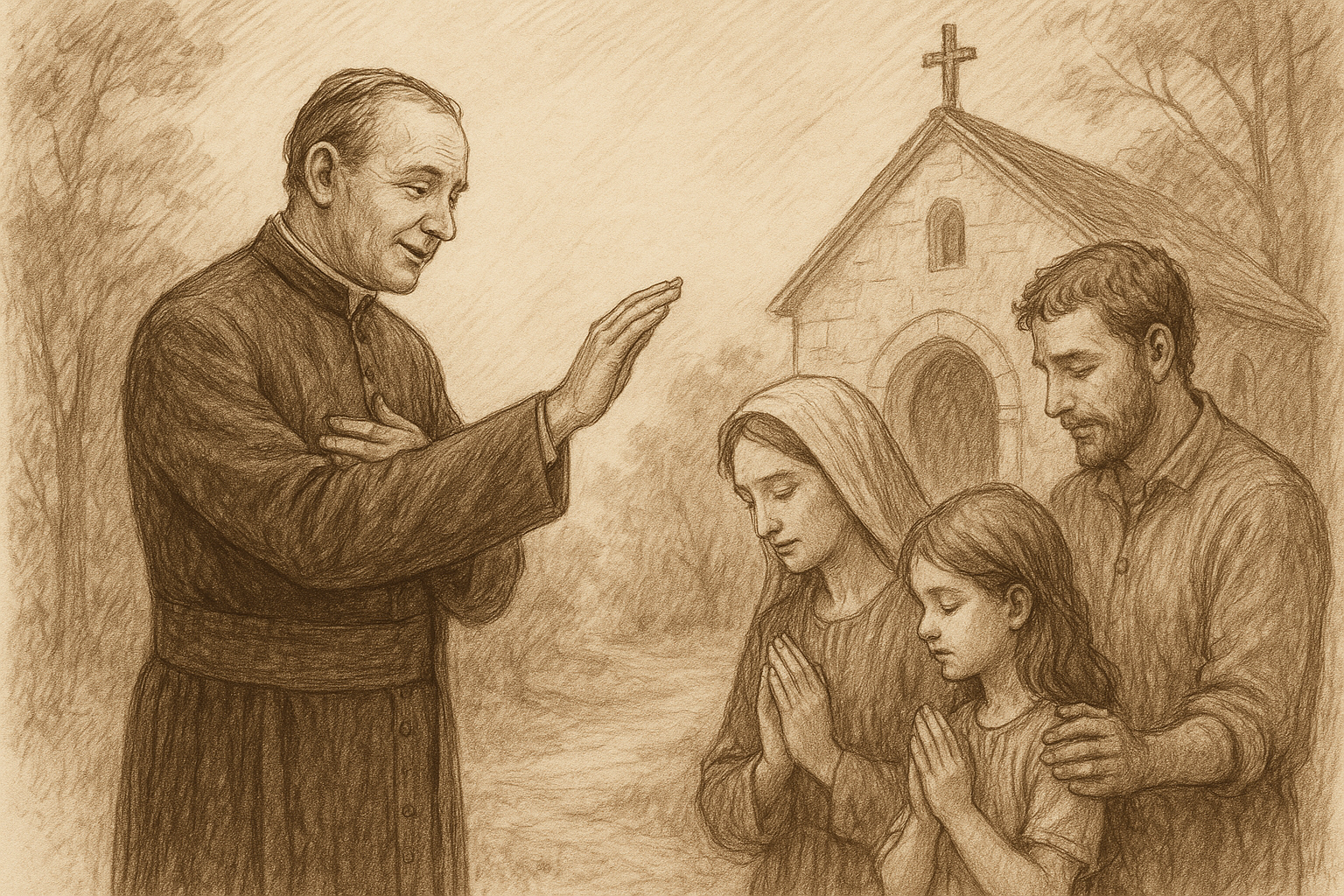
That is why the title Father fits so naturally. A father is someone who gives life, protects, corrects, and provides. A priest does not give natural life, but he is often present at the moments when grace gives and deepens supernatural life: baptism, confession, Eucharist, anointing, marriage, and the burial of the dead. He walks with people through spiritual birth, growth, repentance, and hope.
Saint Paul captures this paternal dimension well when he says that he warns and instructs the Corinthians as my beloved children 1 Cor 4:14. This is more than a metaphor for warmth. It is a picture of apostolic care, where truth and tenderness belong together. A true father does not merely affirm. He also forms.
Many Catholics recognize this instinctively. They call a priest Father in the same way that Christians call one another brother and sister. These are not empty words. They express the household character of the Church, which is not simply an organization but the family of God.
Christ remains the only priest in the fullest sense
Of course, every discussion of priesthood must begin and end with Jesus Christ. He is the one mediator between God and man 1 Tim 2:5, and the Letter to the Hebrews presents Him as the great high priest who offers the perfect sacrifice once for all Heb 4:14. Catholic teaching never places an ordained priest beside Christ as if the two were equal. The priest serves only because Christ first acts through him.
This matters because the title Father can be misunderstood if it is detached from Christ. Catholics are not saying that priests generate grace by their own power or that they become the source of salvation. Rather, they are signs and instruments. Their fatherhood is derivative, not independent. Christ is the fountain; the priest is a servant who carries the water.
That is also why Catholics are careful to distinguish reverence from worship. A priest may be respected, thanked, and addressed with the title Father, but he is still a man who needs prayer, repentance, and mercy like everyone else. If he remains faithful to his vocation, his title becomes less about status and more about service.
What about the objection from Matthew 23:9?
This is the most common concern, and it deserves a straightforward answer. When Jesus says, Call no man your father on earth, for you have one Father, who is in heaven Mt 23:9, He is speaking against the appetite for self-exaltation among religious leaders. He is not denying the existence of earthly fatherhood, since Scripture nowhere else pretends that fathers do not exist. He is not forbidding the use of the word in ordinary life, since the apostles themselves use it. And He is not banning all spiritual fatherhood, since Paul explicitly claims it for his ministry.
The logic of the passage is best understood as a warning about ultimate authority and glory. God alone is Father in the absolute sense. All human fatherhood, whether biological or spiritual, is a participation in His. In that light, a priest who receives the title Father should do so with humility, knowing that he points to Someone greater than himself.
Catholics who speak this way are trying to live a biblical pattern: honor without idolatry, authority without domination, and spiritual family without confusion about who God is. The title works because it reminds both priest and people that the Church is built on gift, not self-importance.
A title that serves memory as much as respect
Language in the Church often preserves theology in everyday speech. We speak of altar, sacrifice, communion, confession, and fatherhood because these words keep important truths close at hand. Calling a priest Father reminds the faithful that the Christian life is not solitary. We are born into a family, nourished in a household, and guided by shepherds who are meant to care rather than control.
It also reminds priests of what they are called to be. The title is not a reward for personality or achievement. It is a summons to self-gift. A good father spends himself for his children. He does not exist for his own comfort. In the same way, a good priest is called to be available, steady, protective, and faithful.
When this title is lived well, it becomes a witness to the Gospel. It says that grace creates bonds deeper than preference and stronger than custom. It says that the Church is a family gathered by Christ, and that in this family, spiritual fatherhood is a real and beautiful part of life.
So when Catholics call a priest Father, they are not trying to diminish God or blur the distinction between Creator and creature. They are acknowledging that Christ still shepherds His people through human ministers, and that the apostolic life is marked by a love that fathers, teaches, and leads toward heaven.
For that reason, the title remains more than a habit. It is a small but enduring sign that the Church remembers who gives life, who feeds it, and who calls His children home.
Keep Reading on Lets Read The Bible
Frequently Asked Questions
Do Catholics believe priests are the same as God the Father?
No. Catholics use Father as a spiritual title for ordained priests, not as a claim that they are divine. God alone is Father in the absolute sense.
Is calling a priest Father against Matthew 23:9?
Catholics read Matthew 23:9 as a warning against pride and false spiritual dominance, not as a ban on every use of fatherhood language. Scripture itself uses father language for spiritual leaders, including Saint Paul.
Why is Father the common title instead of another form of address?
Because it reflects the priest's role in nurturing the faithful through preaching, sacraments, guidance, and pastoral care. The title has deep roots in Scripture and Catholic tradition.