Social Teaching
When Faith Refuses Contempt: Racism, Human Dignity, and the Catholic Conscience
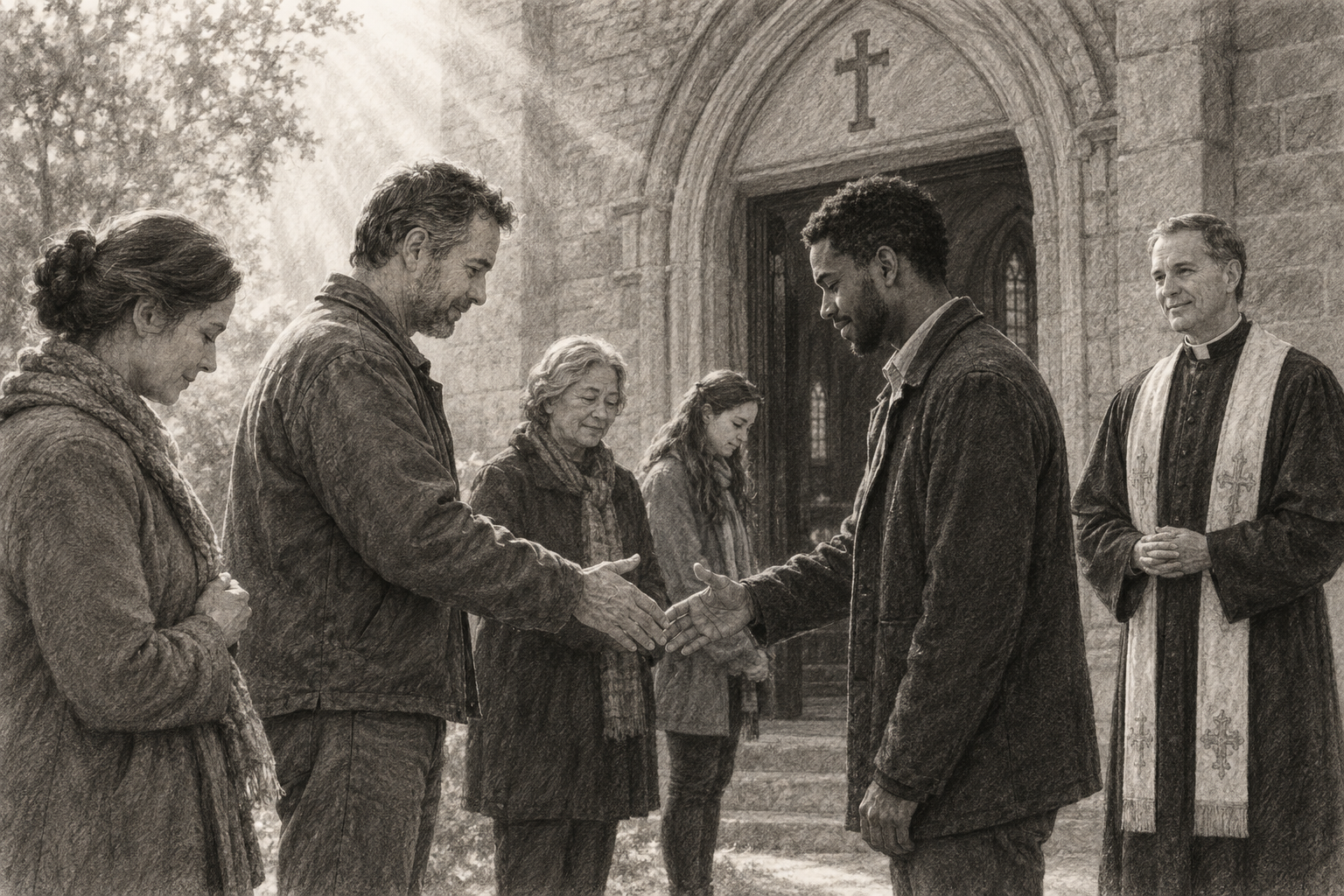
Catholic teaching begins with the truth that every person bears God's image and must never be reduced to an idea, a category, or a prejudice.
Site Admin | October 12, 2025 | 79 views
Racism is not only a social problem. It is a moral disorder that touches the conscience and the way we see other people. Catholic teaching does not approach this issue as a passing political concern or a matter of public image. It begins much deeper, with the truth that every human person is created by God, made in his image, and called to communion with others.
That truth changes everything. If a person is never a disposable means to an end, then no one may be reduced to skin color, ethnicity, language, or ancestry. To do so is to deny something holy. This is why racism and human dignity Catholic teaching belong together. The Church does not speak first about trends or slogans. She speaks about the person, because the person is where faith, justice, and charity meet.
The Christian foundation of human dignity
The book of Genesis gives the starting point: humanity is made in the image and likeness of God. Genesis 1:27 That one truth carries enormous moral weight. It means that dignity is not earned by status, productivity, intelligence, or belonging. It is given by the Creator.
In the New Testament, this dignity is deepened by the Incarnation. The Son of God took on human nature and entered a real human family, with a real people, a real history, and real social boundaries. In Christ, the divisions that pride creates are not denied, but they are judged and healed by grace. Saint Paul could therefore write that in Christ there is neither Jew nor Greek, slave nor free, male nor female, for all are one. Galatians 3:28 This does not erase difference. It reveals that no difference can justify contempt.
Catholic moral teaching is not satisfied with saying that racism is unkind. It says more: racism violates justice because it denies the equal dignity of those whom God loves. It offends charity because it refuses the love that should shape every Christian relationship. It also damages the one who practices it, because sin does not remain confined to private feelings. It distorts judgment, hardens the heart, and weakens the ability to recognize the good in others.
What racism does to the human person
Racism can appear in open acts of discrimination, in cruel speech, in exclusion, or in violence. But it can also appear in quieter forms, such as assumptions, stereotypes, selective suspicion, or indifference to the suffering of others. Catholic teaching makes room for a broad examination of conscience here, because sin often hides in habits that feel ordinary.
The Church's concern is not only that people avoid direct harm. She asks whether we have learned to see another person as fully human. Do we listen before we judge? Do we treat our neighbor as a brother or sister in Christ, or as a problem to be managed? Do we notice when our words, jokes, habits, or preferences reinforce distance between people whom God intends to unite?
Racism also harms communities. It breaks trust, feeds fear, and makes shared life fragile. When people come to expect contempt, they withdraw. When they are treated as less worthy, they may begin to doubt their place in society or in the Church. For that reason, racial injustice is not a private annoyance. It is a wound in the body of the human family.
"Since the dignity of each person is inviolable, it is our duty to respect and protect the dignity of all people, without exception."
That duty is not abstract. It is lived in family life, parishes, schools, workplaces, and neighborhoods. The Christian does not have to solve every social problem in order to begin doing what is right. But neither may the Christian excuse silence when silence becomes complicity.
Catholic social teaching and the common good
Catholic social teaching is built on several connected principles: the dignity of the human person, the common good, solidarity, and the preferential concern for the vulnerable. These are not separate slogans. They are parts of one moral vision.
The common good means that society should be ordered so that persons and communities can flourish together. Racism undermines this by setting people against one another and by denying equal access to participation, opportunity, and trust. A society cannot be healthy if it trains some people to feel superior and others to live under suspicion.
Solidarity goes further. It means recognizing that others are not strangers in a moral sense. Their suffering concerns us. Their success is not a threat. Their dignity is bound up with ours. In a culture marked by racial wounds, solidarity resists the temptation to retreat into defensive groups. It asks for patient listening, truthful speech, and willingness to bear burdens together.
The preferential concern for the vulnerable does not mean favoritism or ideology. It means that those who are most exposed to harm deserve special attention. Where racism has created patterns of exclusion, Christians should not shrug and call the problem inevitable. We should look carefully at where dignity is being denied and ask how justice can be made more concrete.
Scripture, repentance, and the conversion of the heart
Scripture never allows the faithful to separate worship from justice. The prophets repeatedly condemn empty religiosity that ignores the suffering of others. Isaiah speaks of true fasting as loosening the bonds of injustice and letting the oppressed go free. Isaiah 58:6 The point is not that prayer is unnecessary. The point is that prayer without conversion becomes a lie.
Jesus gives the same lesson in his own way. He identifies himself with those who are hungry, thirsty, stranger, naked, sick, and imprisoned. Matthew 25:35 The disciple who wants to honor Christ must therefore ask how he treats the vulnerable person standing before him. A racist attitude cannot be squared with reverence for Christ, because it resists the very mercy Christ commands.
Repentance is essential. That word can sound severe, but in Catholic life it is hopeful. Repentance means turning away from falsehood and toward the truth that heals. It can involve confessing sins of speech, thought, or omission. It can mean asking forgiveness when one has dismissed another person's experience. It can mean learning to notice prejudices that were absorbed without reflection. Grace does not merely pardon. It changes us.
How Catholics can examine their own lives
Because racism can be both personal and structural, a serious examination of conscience must be honest and specific. A Catholic may ask:
- Do I speak about people of other races or ethnicities with respect, or do I repeat stereotypes?
- Do I listen when someone describes being treated unfairly, or do I dismiss the concern too quickly?
- Do I choose friendships, neighborhoods, or institutions only on the basis of comfort and similarity?
- Do I support what is just, even when it asks me to leave a familiar pattern behind?
- Do I pray for a heart that can recognize the image of God where pride might prefer distance?
These questions are not meant to produce anxiety. They are meant to invite honesty. A Christian conscience is not a place for self-protection. It is a place where the light of Christ can reveal what needs to be healed.
There is also a need for prudence. Not every disagreement is racism, and not every social difficulty has a simple explanation. Catholic teaching does not encourage careless accusations. It asks for truth. But truth includes the possibility that people have been harmed in ways that are invisible to those with more power or privilege. Prudence and mercy belong together.
Charity that becomes visible
Charity is not sentimental. It seeks the good of the other in practical ways. In relation to racism, this may mean defending someone who is unfairly treated, choosing speech that builds trust, supporting just policies, or helping parish communities become places where people are genuinely welcomed rather than merely tolerated.
It may also mean learning from the experiences of others instead of speaking over them. Sometimes the most Christian thing a person can do is listen without defensiveness. That kind of listening is a work of humility. It acknowledges that love does not need to dominate in order to be faithful.
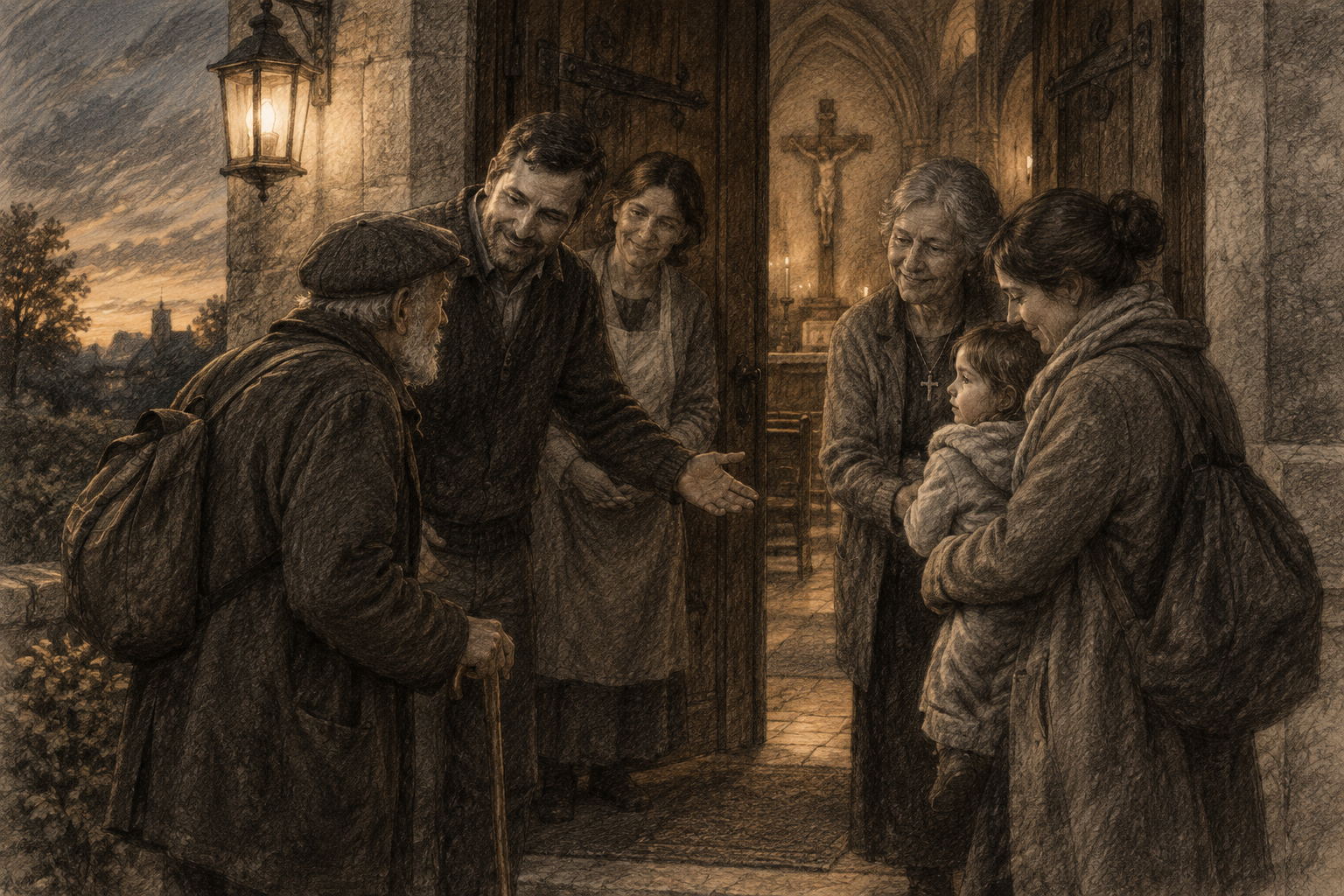
In parish life, visible charity may include hospitality that crosses lines of culture and language, liturgy that is reverent and welcoming, and leadership that makes space for the gifts of diverse members. None of this should be forced into performance. It should flow from the simple conviction that the Church is one body with many members, and that each member matters. 1 Corinthians 12:12
At home, parents can teach children to recognize difference without fear. They can correct unkind speech early, not only when it becomes extreme. They can tell the stories of saints, missionaries, and ordinary believers from many backgrounds, showing that holiness is not the possession of one people. In this way, charity becomes habit, and habit becomes culture.
The sacramental life and the healing of division
The Church's sacramental life reminds us that grace works through material reality. Water, oil, bread, wine, words of absolution, and the laying on of hands all show that God heals human life from within human life. This matters for racism because prejudice is not simply an idea to be corrected in the abstract. It is often a habit of the heart, and habits are healed gradually through grace and practice.
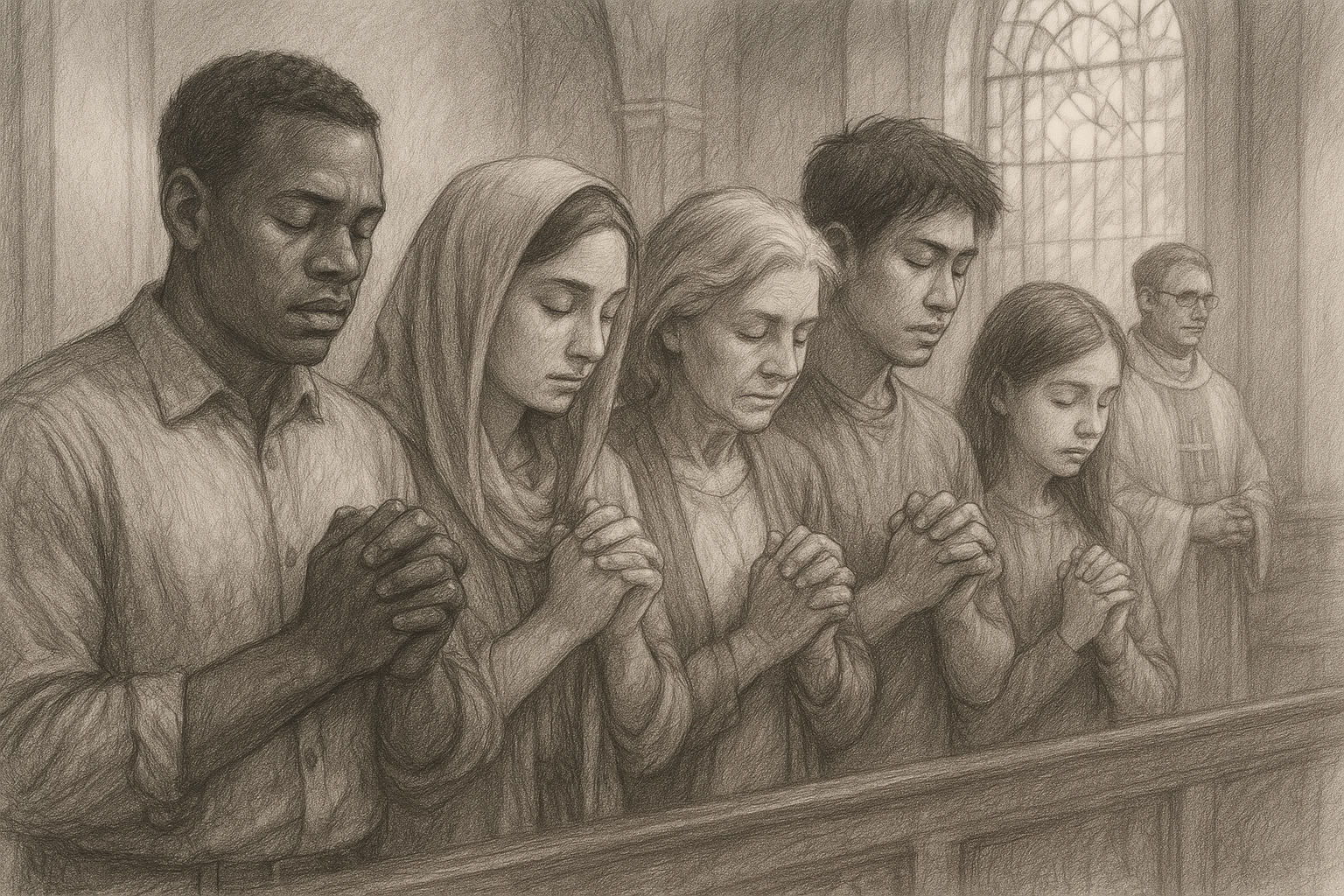
The Eucharist especially exposes the contradiction of racism. In Holy Communion, the faithful receive the one Lord and become more deeply one body in him. It is impossible to adore the Body of Christ while despising the members of that body. The altar therefore becomes a school of communion, not a place where division is made holy by routine.
Confession is equally important. Racism may involve serious sin, but the sacrament of reconciliation is not a tribunal of despair. It is a place where truth can be spoken and mercy received. Many Catholics need the courage to bring not only clear sins, but also the hidden roots of those sins, into the light of Christ.
Living the truth without bitterness
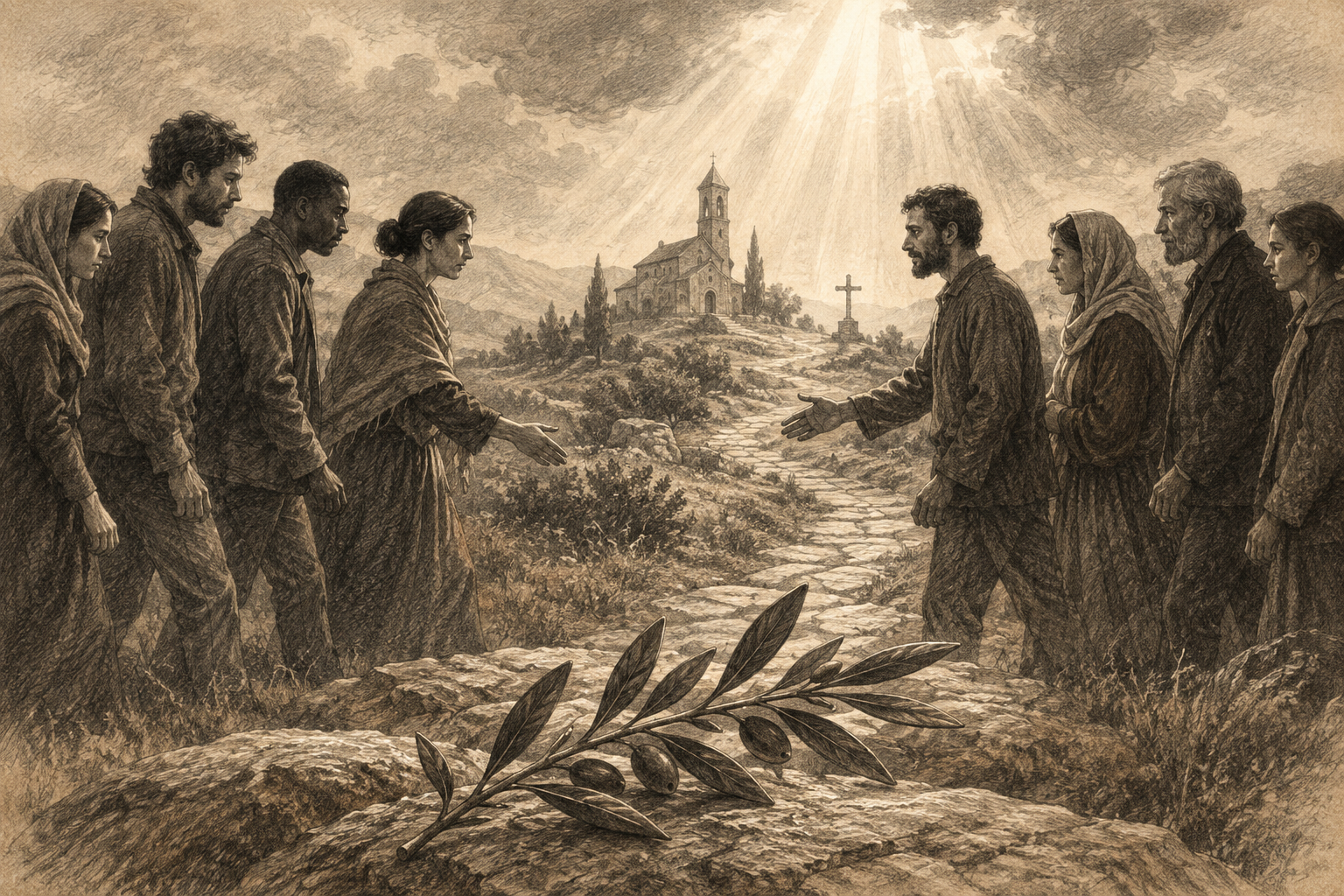
Catholic teaching on racism does not ask believers to replace one hostility with another. It asks for justice joined to mercy, conviction joined to humility. The Church rejects revenge, resentment, and contempt, even as she insists that wrong must be named and corrected. That balance is not weakness. It is the discipline of charity.
When Christians speak about racism, they should do so with seriousness, but not with despair. Human beings are capable of sin, but they are also capable of conversion. Communities can change. Hearts can soften. Families can learn. Parishes can repent. The Gospel is not naive about evil, but it never gives evil the last word.
To follow Christ here is to accept that every person is a neighbor before he is a stranger, and a brother or sister before he is an argument. That conviction does not solve every social tension overnight. It does, however, place the Christian on the road where truth and love walk together, and where no one is allowed to be invisible before God.
Keep Reading on Lets Read The Bible
Frequently Asked Questions
Does Catholic teaching treat racism as a sin?
Yes. Racism is incompatible with the dignity of the human person and with the command to love our neighbor. It can involve personal sin, social sin, and the failure to act justly when injustice is visible.
What is the difference between prejudice and racism in Catholic moral teaching?
Prejudice can begin as a biased attitude or unfair assumption, while racism goes further by treating people as inferior, excluding them, or supporting unjust systems and practices. Both harm charity and should be examined honestly.
How can a parish respond to racism in a faithful way?
A parish can respond through prayer, preaching, respectful listening, hospitality, fair leadership, and concrete works of justice. The goal is not publicity but genuine communion in Christ.