Social Teaching
The Quiet Work of Freedom: Why the Church Defends the Right to Seek God
Religious freedom is not a slogan in Catholic teaching. It is a moral claim rooted in human dignity, the search for truth, and the freedom of conscience.
Site Admin | October 24, 2025 | 96 views
Religious freedom is sometimes discussed as if it were only a political issue, one more argument in the public square. In Catholic teaching, it is deeper than that. It touches the mystery of the human person, created by God, called to truth, and invited rather than coerced into faith. For the Church, religious freedom Catholic teaching is not a concession to modern life. It is a matter of justice.
This does not mean that every belief is equally true, or that religion should be treated as a private preference with no bearing on public life. The Catholic tradition insists that truth matters, that the faith has public consequences, and that the dignity of the person includes the freedom to seek, embrace, and practice religion without unlawful force. At the same time, the Church rejects the idea that coercion can produce real belief. Faith must be free if it is to be authentic.
Freedom is ordered to truth
Catholic teaching begins with a simple but demanding point: human beings are not made to drift aimlessly. We are made to know the truth and to live by it. That is why religious freedom is not the same thing as relativism. The Church does not say that all religions are equally true. Rather, she says that no one should be forced to embrace a religion, prevented from seeking the truth, or punished simply for following a sincere conscience in matters of religion.
Jesus himself speaks to the heart rather than the arm. He invites, teaches, warns, heals, and calls. He does not compel belief through worldly power. In the Gospel, the Lord asks, Do you also want to leave? and later affirms that the truth will set you free. The freedom of the human person is not a threat to truth. It is part of the way truth is meant to be received.
The Church has long understood that if faith is to be an act of love, it must be an act of freedom. A person can be pressured into outward conformity, but not into the interior assent that belongs to genuine belief. This is why Catholic teaching refuses both extremes: the claim that religion is purely private and the claim that state power should enforce religion.
What the Church means by religious liberty
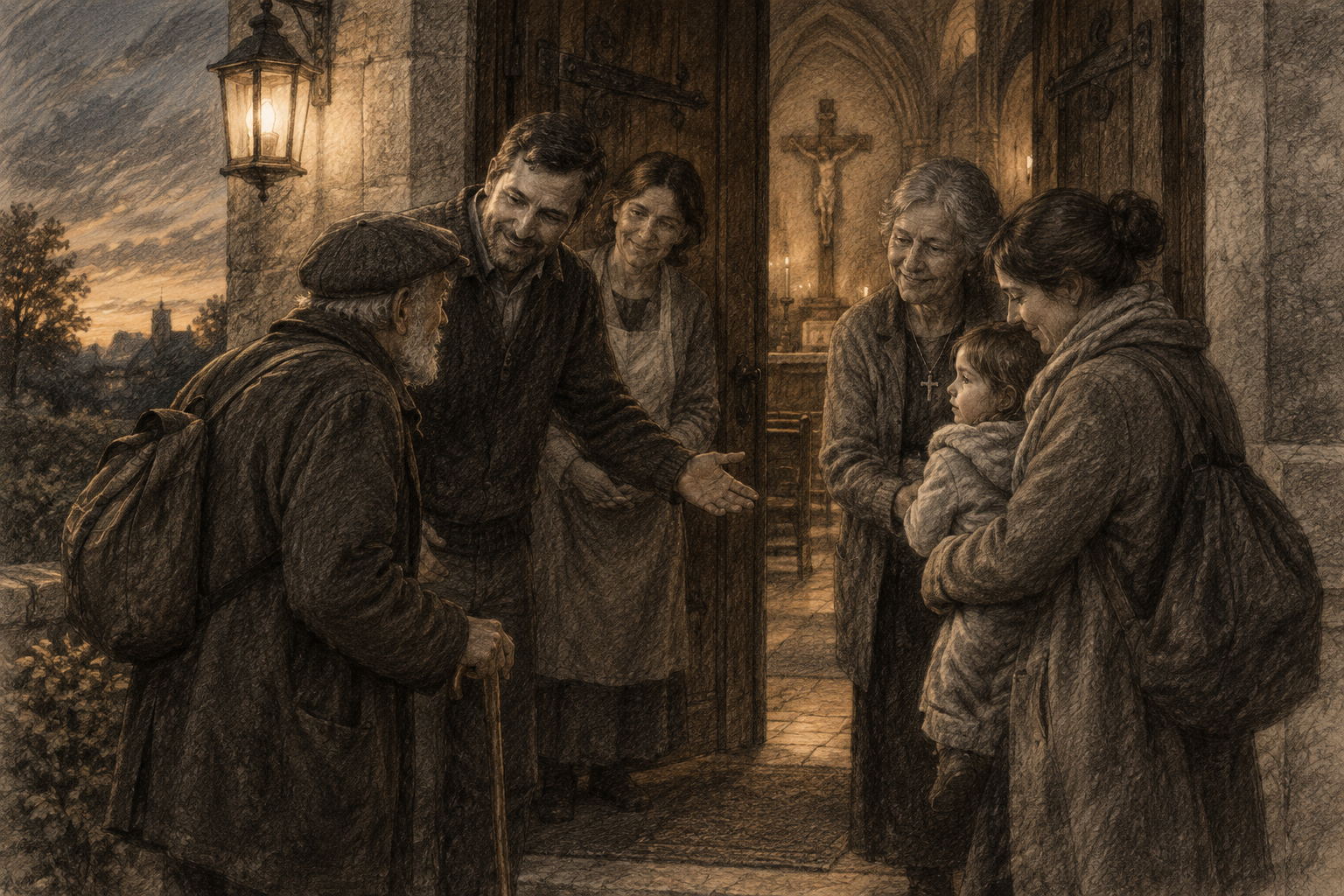
When Catholics speak of religious freedom, they mean more than permission for private devotion. They mean the right of persons and communities to act according to their religious conviction in worship, teaching, service, and witness, within the just limits of public order. This includes the freedom to attend Mass, to pray, to educate children in the faith, to form religious associations, and to carry out works of charity without unjust interference.
It also includes the freedom of the Church herself to live as the Church, to preach the Gospel, and to organize her life according to her mission. The Church does not seek privilege for its own sake. She seeks the space needed to carry out her spiritual work faithfully. In a healthy society, religious liberty is not a favor granted by the powerful. It is a safeguard that protects both persons and communities from coercion.
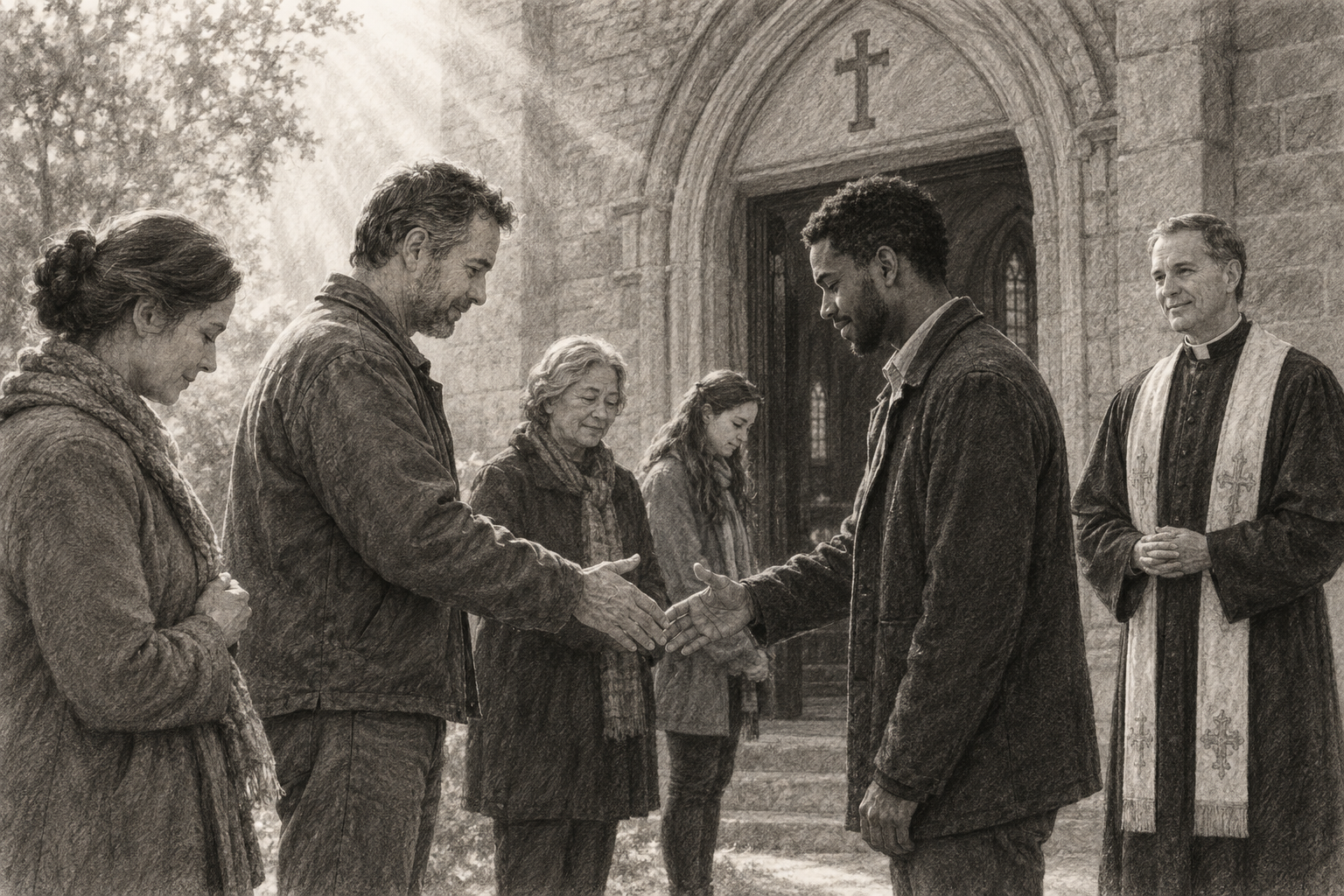
Catholic teaching is clear that this freedom belongs to everyone, not only to Catholics. Because every person has dignity, every person should be free from compulsion in religious matters. A just society does not ask whether a religion is popular before respecting its rights. It asks whether the human person is being honored.
Conscience is not the same as preference
One reason religious freedom can be misunderstood is that conscience is often reduced to personal taste. In Catholic thought, conscience is far more serious. It is the interior judgment by which a person recognizes moral truth and applies it to concrete action. Conscience must be formed, not manufactured. It should be informed by reason, Scripture, the teaching of the Church, and an honest desire to do what is right.
This matters because religious freedom does not mean that any inner impulse is automatically righteous. A person can be sincere and still mistaken. Yet even when conscience is mistaken, the state does not heal error by force. Coercion may silence a person, but it does not educate the conscience. Catholic social teaching therefore protects the dignity of conscience while also insisting that conscience must be open to truth.
That balance is important in public life. Catholics should not speak as if conscience were a magical word that ends every discussion. Nor should civil authorities treat conscience as an inconvenience to be managed. A society grows healthier when conscience is respected and formed, not mocked or crushed.
The common good includes religious freedom
Some people assume that religious freedom and the common good are in tension. Catholic teaching sees them as connected. The common good is not merely public peace or administrative efficiency. It is the social conditions that allow people and communities to flourish in truth and justice. A society that suppresses religion often harms itself, because it cuts off one of the deepest sources of meaning, moral formation, service, and hope.
The Church also recognizes that religion can be misused. Not every claim made in the name of religion is just. Religious liberty does not protect violence, fraud, or abuse. It does not excuse actions that violate the rights of others. Civil authorities have a real responsibility to protect the vulnerable and uphold order. But the proper response to abuse is not to erase religious freedom. It is to govern with prudence, justice, and respect for human dignity.
In Catholic social teaching, the state is not ultimate. It serves the human person and the common good. That means government should not try to replace conscience with ideology, nor should it assume the power to define religion for everyone. When the state respects legitimate freedom in religious matters, it acts within its proper limits.
The Church learned this lesson through history
Catholic reflection on religious liberty developed over time, especially as the Church confronted situations in which the faithful themselves were denied freedom. The modern articulation of this teaching is often associated with the Second Vatican Council, which taught that the human person has a right to religious freedom rooted in dignity. That teaching did not abandon the Church's belief in truth. It clarified how truth and freedom belong together in civil society.
This development should not be confused with contradiction. The Church did not suddenly decide that religion was only one option among many. Rather, she deepened her understanding of the person and of the moral limits of political power. The question was not whether the Church still believed in truth, but whether truth could ever be advanced by violating the dignity of the believer. Catholic teaching answers no.
History offers sober reminders of what happens when governments overreach in religious matters. Where conscience is treated as a problem, the poor often suffer first, families are strained, and the life of the Church is narrowed. The Church's defense of religious freedom is therefore not abstract. It is deeply pastoral. It protects real people in real circumstances.
Religious freedom in daily Catholic life
For many Catholics, religious freedom seems most urgent when it is threatened. Yet it also matters in ordinary life. A parish school, a hospital, a charity, or a diocesan ministry depends on the freedom to live its mission without being forced to betray its identity. Parents depend on the freedom to raise children in the faith. Religious sisters, priests, deacons, and lay leaders depend on the freedom to preach and serve according to Catholic conviction.
Faithful Catholics also need the freedom to act with integrity in their professions. Sometimes this requires careful discernment about work, contracts, or responsibilities that might compromise conscience. The Church does not encourage disobedience to just laws, but she does encourage courage when a law or policy asks a Catholic to act against moral truth. This is where prudence, consultation, and prayer are essential.
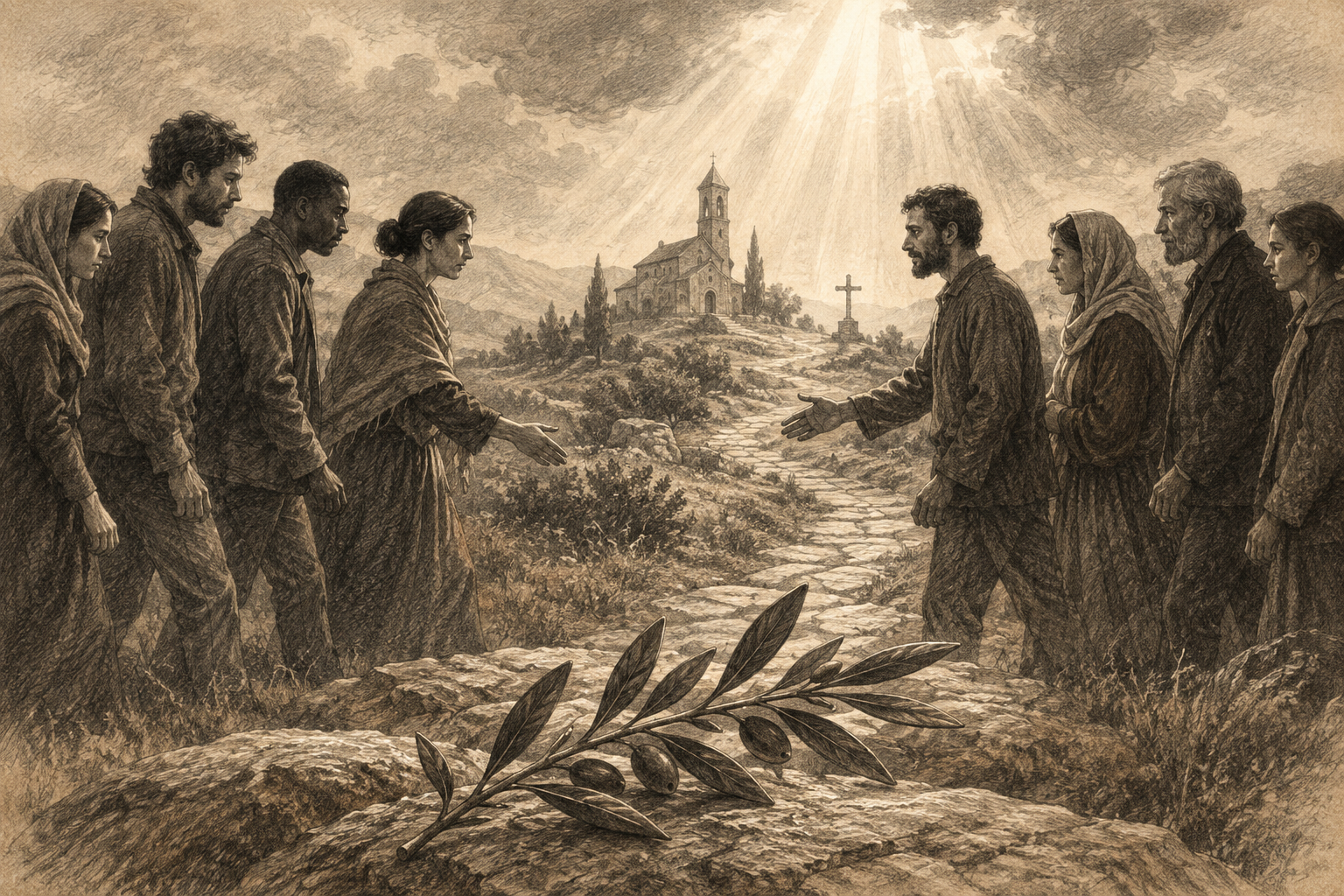
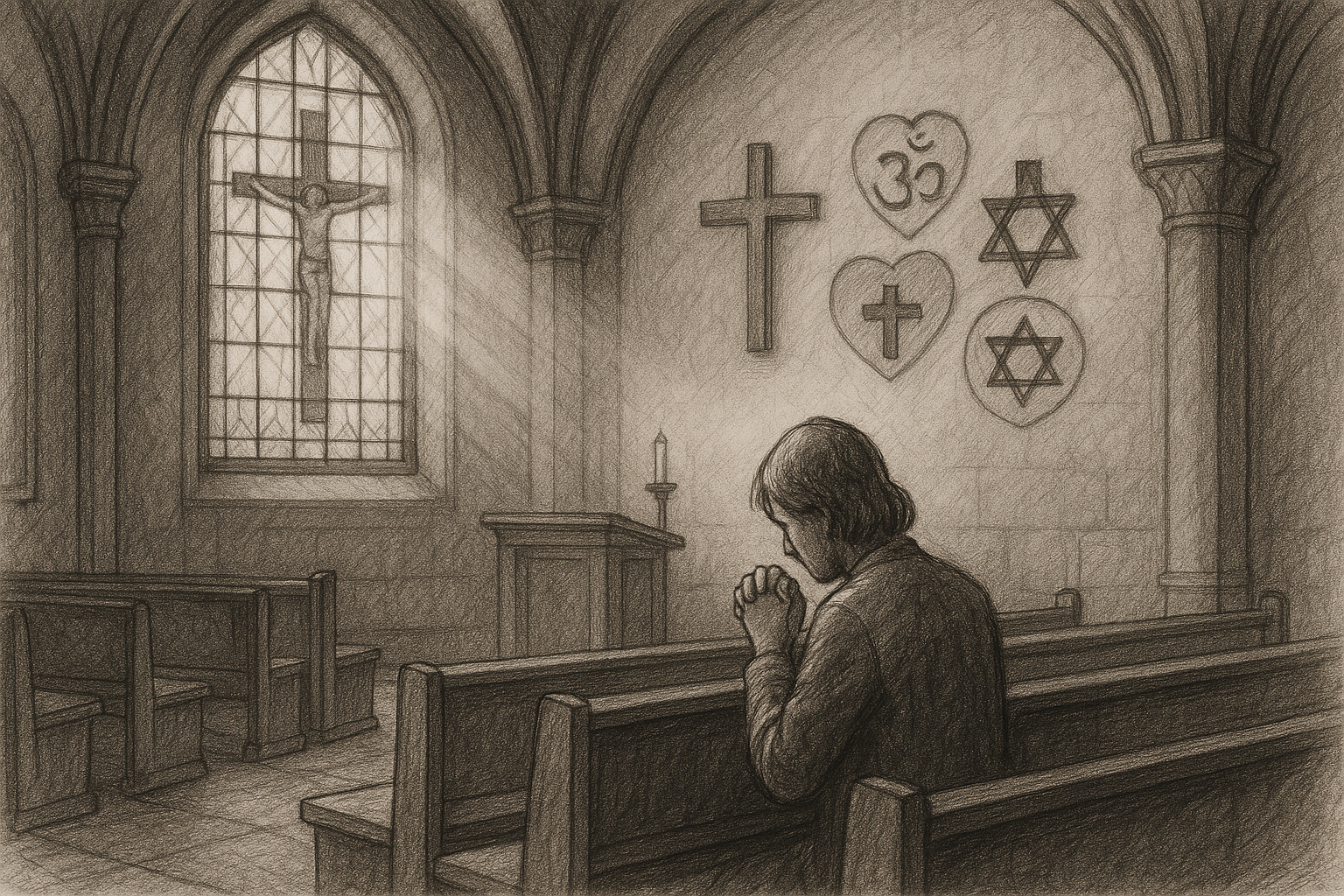
Religious freedom also affects how Catholics relate to neighbors of other faiths. Defending the freedom of others is not a side issue. It is part of Christian charity. If Catholics want their own liberty respected, they should be ready to defend it for Jews, Muslims, Protestants, Orthodox Christians, and people of all sincerely held beliefs. The Church asks for the same dignity for all that she seeks for herself.
The defense of religious freedom should never become a culture of suspicion. It should become a habit of justice, where people are free to seek God and to serve the common good without fear.
What this means for Catholics today
In practice, Catholics can support religious freedom by learning the Church's teaching, speaking with clarity, and refusing the temptation to reduce every issue to partisan language. Not every public disagreement is a persecution. Not every compromise is prudence. The faithful need discernment, not slogans.
At the same time, Catholics should not be shy about naming genuine threats. When laws or institutions pressure believers to hide their faith, to abandon their moral convictions, or to surrender the freedom to serve in accordance with Catholic identity, the response should be measured but firm. The right to religious freedom is not a luxury for peaceful times. It is a test of whether society still honors the human person.
Prayer also belongs here. It is easy to defend freedom in theory and forget the souls affected by its loss. Catholics should pray for persecuted Christians, for civil leaders, for judges, for educators, and for all who bear responsibility in public life. A society worthy of the name just is one in which people are not afraid to seek God.
A moral habit, not a slogan
Religious freedom becomes credible when it is lived with humility. Catholics defend it not because it makes life easy, but because it serves truth, conscience, and peace. It reminds the world that the human person is not a tool of the state, not a consumer of private beliefs, and not a machine to be managed. We are seekers, worshipers, and moral agents.
That is why the Church continues to speak about religious liberty with both conviction and restraint. She knows what coercion does to the soul. She knows what grace can do when it is received freely. And she knows that a society which protects the right to seek God is, in a very real sense, protecting one of the deepest dimensions of human life.
Keep Reading on Lets Read The Bible
Frequently Asked Questions
Does Catholic teaching support religious freedom for non-Catholics as well as Catholics?
Yes. Catholic teaching holds that every person has dignity and should be free from coercion in religious matters. This freedom belongs to everyone, not only to Catholics.
Does religious freedom mean all religions are equally true?
No. The Church teaches that truth matters and that the Catholic faith is true. Religious freedom means that faith must be embraced freely, not forced by the state or by social pressure.
Can the state ever limit religious freedom?
Yes, but only for serious and just reasons, such as protecting public order and the rights of others. Catholic teaching does not support limitless freedom, but it does insist that restrictions be narrow, fair, and respectful of human dignity.