Social Teaching
When Freedom Serves the Search for God
Catholic social teaching shows that religious freedom is not a modern luxury but a safeguard for human dignity, conscience, and the common good.
Site Admin | October 25, 2025 | 98 views
Religious freedom is often discussed as a public policy issue, but for Catholics it reaches deeper than politics. It touches the way we understand the human person, the dignity of conscience, the freedom to worship, and the common good of society. In Catholic life, religious freedom is not a privilege granted to the Church when circumstances are favorable. It is a basic right rooted in the truth that every person is created by God and ordered toward Him.
That is why religious freedom and Catholic life cannot be separated. If faith is real, it must be free. Love cannot be forced. Worship cannot be reduced to a private preference. And the search for truth loses its integrity when conscience is treated as a problem to be managed rather than a gift to be respected.
Freedom Is Made for Truth
Catholic teaching does not treat freedom as the power to invent truth or to live without moral claims. Freedom is meant to serve the good. A person is most free when he can choose what is true, just, and holy. This is why the Church defends religious freedom without pretending that all beliefs are equally true. The Church is certain that Christ is the fullness of truth, yet she also knows that truth must be embraced freely.
Jesus Himself never coerced belief. He called, taught, healed, and invited. He spoke with authority, but He did not force assent. In the Gospel, people encounter Him and must respond. That pattern matters for Catholic life today because it shows that the path to faith is one of witness, persuasion, and grace, not pressure.
Scripture presents this freedom in striking language. The Lord says, the truth will set you free. Freedom, then, is not detached from truth. It grows from it. To protect religious freedom is to protect the human capacity to receive truth without fear, and to live it without manipulation.
The Dignity of Conscience
One of the clearest reasons religious freedom matters is that the human conscience deserves respect. The Church teaches that conscience is not a license to do whatever one wants. It is the inner place where a person is called to recognize and follow moral truth. A well formed conscience is not isolated from God or from the Church. It is formed by listening, learning, prayer, and the witness of the Gospel.
At the same time, no one should be forced to violate conscience. A society that respects human dignity must allow people and communities to seek, profess, and practice religion according to conscience, within the bounds of just order. This is not a small matter. When the state, employers, or social pressure demand that believers act against conscience, the result is not only personal distress. The damage reaches families, parishes, schools, charities, and the vulnerable people who depend on them.
For Catholics, conscience is especially important in ordinary life. It shapes how we vote, how we work, how we speak, how we educate children, how we care for the sick, and how we respond when public culture conflicts with the Gospel. Religious freedom gives conscience room to breathe. Without it, faith becomes harder to practice honestly and harder to hand on.
Why Catholics Defend Freedom for Everyone
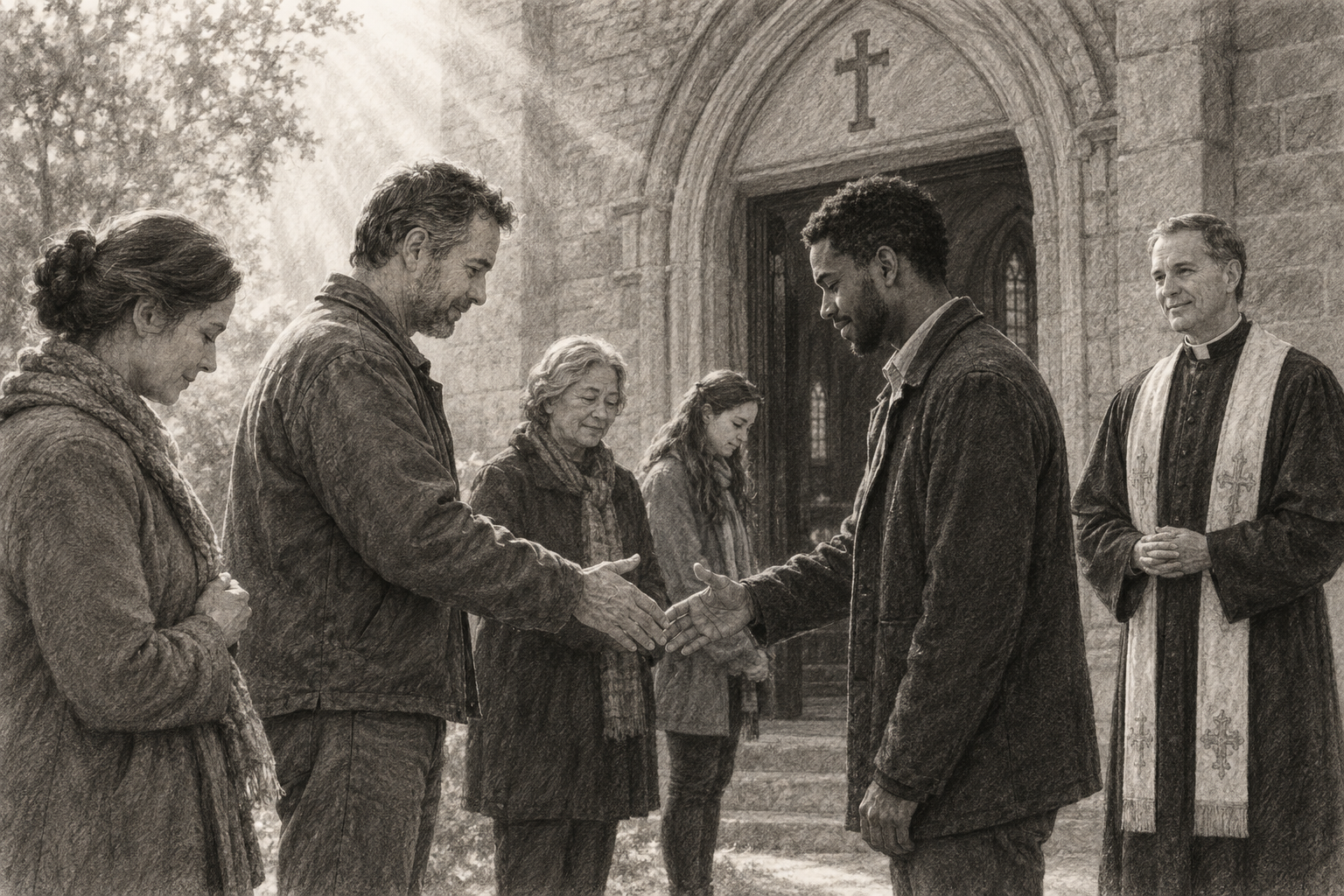
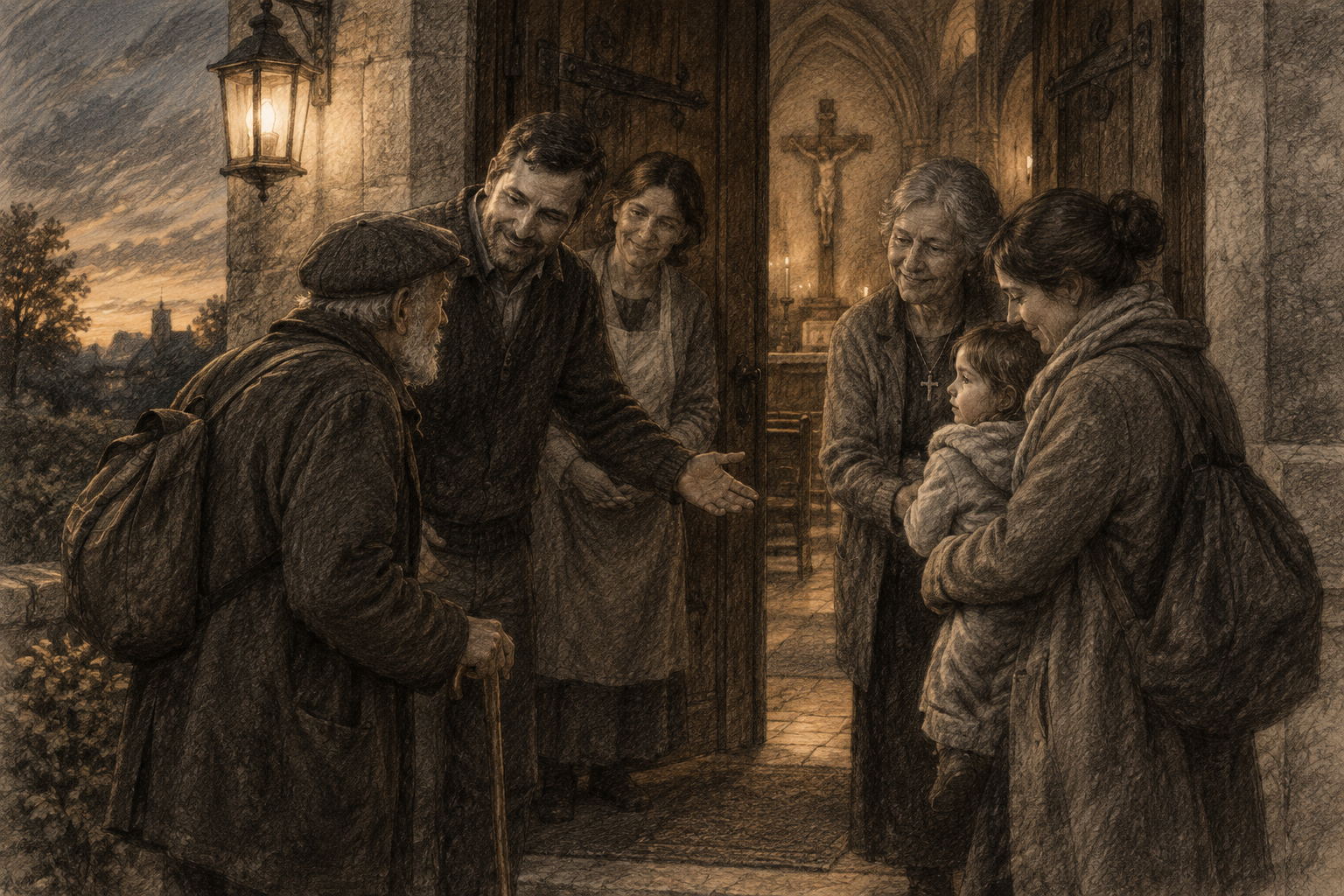
The Church defends religious freedom not only for Catholics but for all people. This is a crucial point in Catholic social teaching. If a right belongs to the human person, it cannot be reserved only for those who share our creed. Jews, Muslims, Protestants, Orthodox Christians, and people of other faiths, along with those who are still seeking, all deserve the space to pursue truth without coercion.
This universal defense of freedom flows from the Church's understanding of human dignity. We do not defend religious liberty because we assume every religion is the same. We defend it because the human person is not property of the state, nor an instrument of ideology. Each person is called by God and must be free to respond.
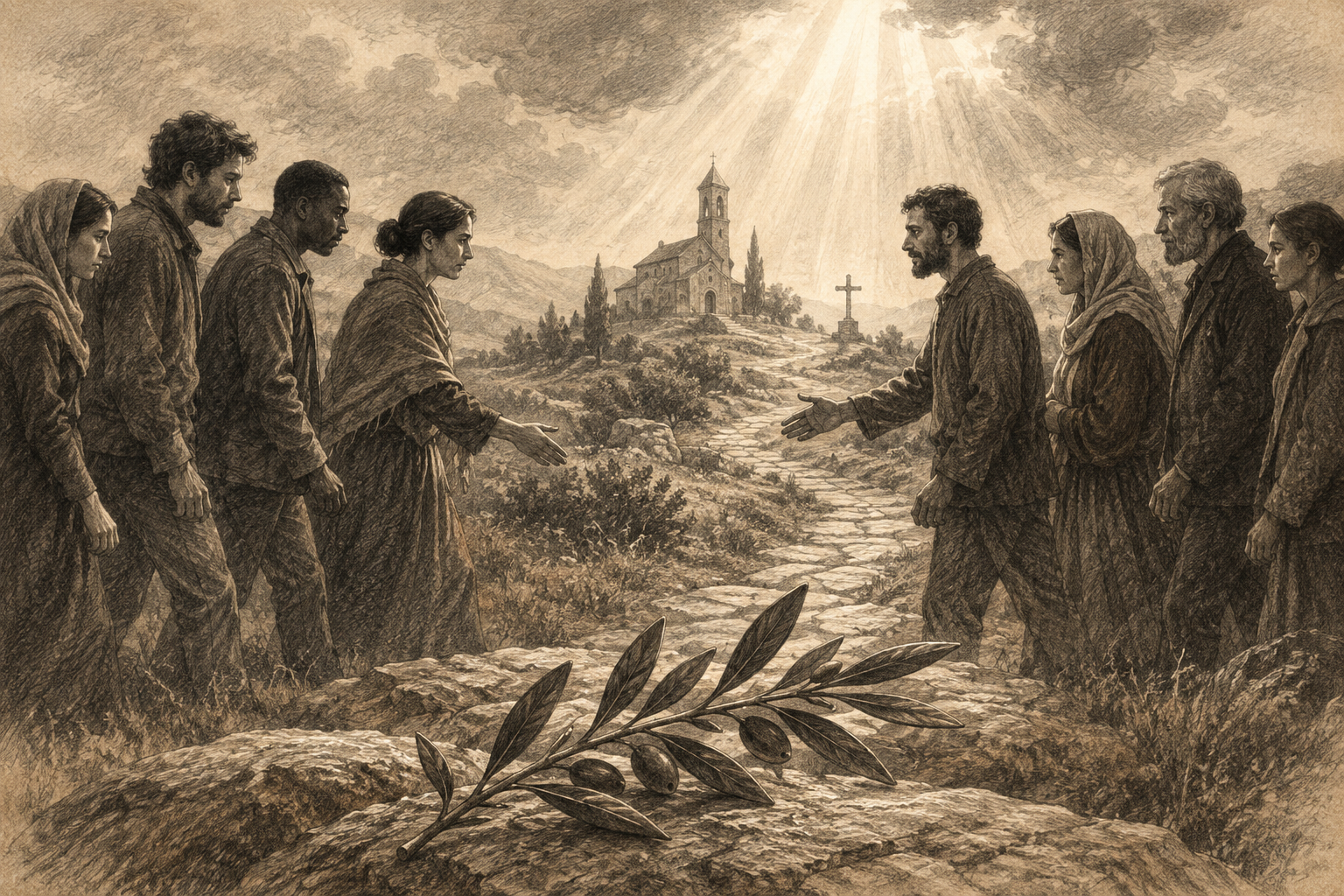
Such freedom also serves peace. History shows that when religion is suppressed, resentment grows. When worship is tolerated only as long as it remains politically convenient, society becomes brittle and suspicious. A just society does not ask religion to disappear. It makes room for honest conviction, civil friendship, and public charity.
Religious freedom does not weaken the common good. Properly understood, it strengthens the moral soil in which trust, peace, and service can grow.
What Catholic Life Looks Like When Freedom Is Respected
Religious freedom is not an abstraction. It affects ordinary Catholic life in concrete ways. It helps families raise children in the faith. It allows parishes to worship publicly, not in secret. It supports schools, hospitals, and charities that serve the whole community while remaining faithful to Catholic teaching. It gives Catholic professionals the moral space to work with integrity. It protects the right to speak about marriage, life, mercy, and human dignity without being pushed to the margins of public life.
When freedom is healthy, Catholics can do what the Church has always done best: teach, serve, build, heal, and evangelize. The Church does not exist merely to preserve private devotion. She exists to proclaim Christ and to form people for holiness in every sphere of life. That mission requires room to breathe.
At the same time, religious freedom carries responsibility. Catholics should not use liberty as an excuse for pride or hostility. The goal is not to dominate public life or to confuse political power with the Kingdom of God. The goal is to live faithfully, speak clearly, and witness with charity.
Three habits that help Catholics live this well
- Pray before speaking. Religious freedom is defended best by people whose words are anchored in prayer, not panic.
- Know the teaching. Catholics should know basic Church teaching on human dignity, conscience, and the common good so they can speak with clarity.
- Serve visibly. When the Church serves the poor, educates children, and cares for the sick, she shows that freedom is for love, not self-protection.
Charity and Truth Belong Together
Some people assume that strong convictions must become harsh convictions. Catholic life rejects that false choice. The defense of religious freedom should be firm, but it should also be peaceful, patient, and charitable. Christians do not win hearts by contempt. We witness to truth by telling the truth with humility.
This matters now because public conversations about religion can quickly become polarized. Catholics may be tempted to speak only in legal terms, as if religious freedom were simply one more interest group concern. Others may withdraw and say nothing at all. Both responses fall short. The Church asks for something better: thoughtful public witness, rooted in the conviction that every person bears the image of God.
That image changes how we speak to those who disagree. We do not need to soften the truth, but we do need to remember that every person in the debate is someone Christ loves. A Catholic defense of religious freedom should be marked by patience, generosity, and the willingness to listen. When the argument becomes merely combative, the beauty of the Church's teaching is easy to lose.
Practical Ways Catholics Can Respond Today
Living religious freedom and Catholic life today calls for more than general agreement. It asks for steady, concrete fidelity. Catholics can begin with small but real acts of responsibility.
- Form your conscience regularly. Read Scripture, study the Catechism, and seek sound Catholic teaching so that your convictions rest on truth, not slogans.
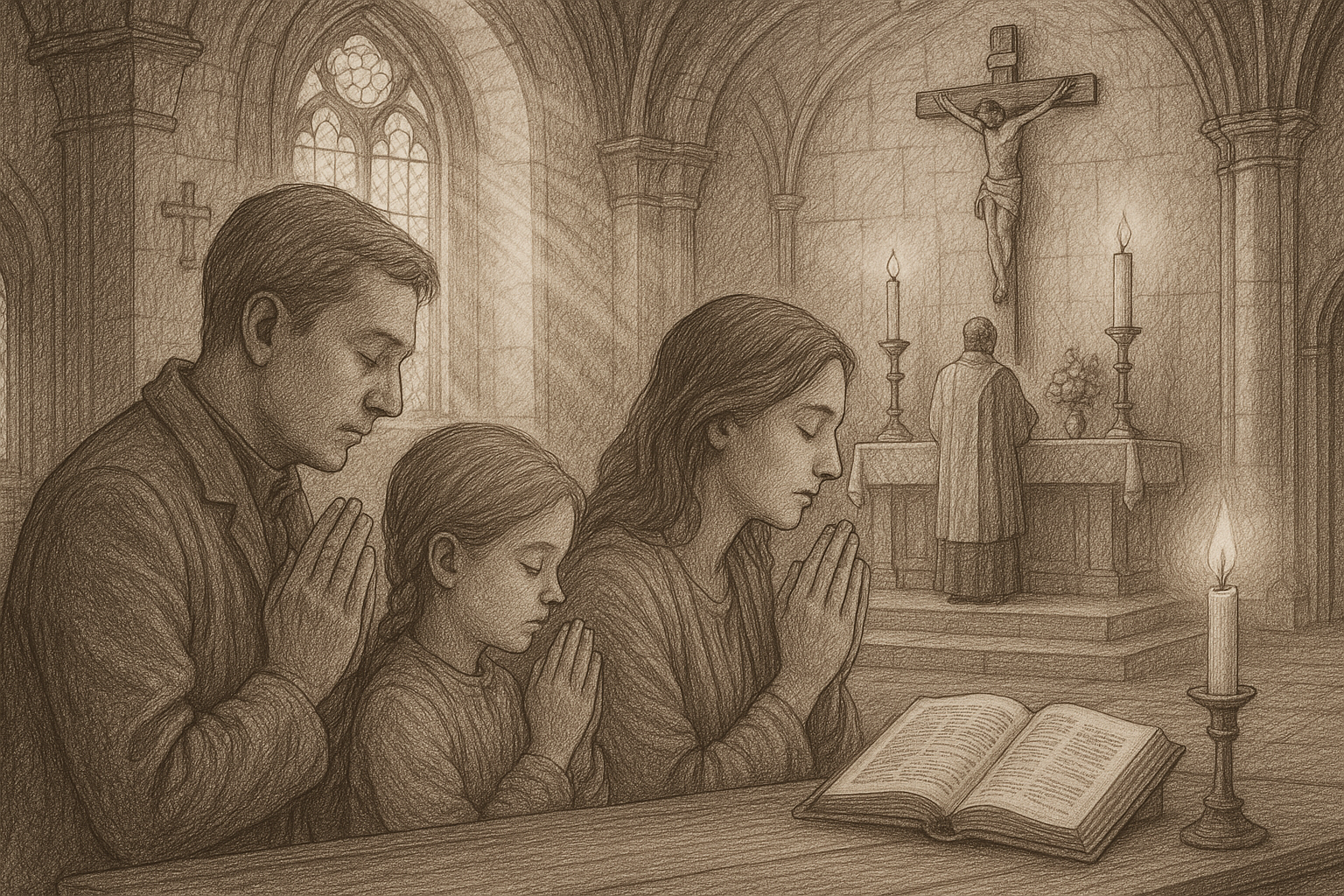
- Protect worship in your own home and parish. A society learns the value of freedom when Catholics actually pray, attend Mass, and hand on the faith with devotion.
- Support Catholic institutions. Schools, hospitals, and charities often stand at the front lines when religious liberty is contested.
- Speak respectfully in public life. Whether online, at work, or in civic settings, Catholics should advocate clearly without cruelty.
- Stand with others whose freedom is threatened. Defending liberty for people outside the Church is part of defending the dignity of the human person.
These are not dramatic acts, but they are the kind that build a culture of freedom over time. Religious liberty survives not only through court cases and public debates, but through the daily habits of believers who live as if truth is worth serving.
A Freedom Worth Guarding
Religious freedom is not a concession to private preference. It is a recognition that the human person is made for God and must be free to seek Him. For Catholics, this liberty is inseparable from the mission of the Church, the formation of conscience, and the dignity of every neighbor. It protects the space where faith can be offered sincerely, received freely, and lived publicly with integrity.
When Catholics defend religious freedom, they are defending more than institutional rights. They are defending the conditions in which human beings can answer God's call without fear. That is why the question is never only whether Catholics may worship. The deeper question is whether society still believes that the search for God deserves room to unfold. In a culture that often tries to flatten conviction, the Church answers with quiet confidence: the human heart was made for truth, and truth is best served when it can be freely embraced.
Keep Reading on Lets Read The Bible
Frequently Asked Questions
What does the Catholic Church mean by religious freedom?
The Church means that every person should be free from coercion in matters of religion, within the limits of just public order. This freedom protects the right to seek truth, worship according to conscience, and live out faith publicly.
Does religious freedom mean Catholics think all religions are equally true?
No. Catholics believe Jesus Christ is the fullness of truth. Religious freedom does not deny that claim. It means truth should be embraced freely, not forced, and that every person deserves respect in the search for God.
How can Catholics support religious freedom in everyday life?
Catholics can support it by forming conscience well, speaking respectfully in public, defending the right to worship and serve, and standing with anyone whose religious liberty is threatened.