Catholic Living
Anger in the Moral Life: A Catholic Path from Reaction to Virtue
Anger is not always sin, but it always asks to be examined in the light of grace, charity, and self-command.
Site Admin | July 22, 2026 | 165 views
Anger is one of those human experiences that can feel immediate, bodily, and undeniable. It rises before we have fully named it. It can protect what is good, or it can spill into contempt, impatience, and harm. In Catholic living, anger and Catholic life cannot be separated from moral seriousness, because anger touches both justice and charity. It reveals what we love, what we fear, and how much discipline we have when our will is opposed.
The Church does not treat anger as something trivial. Nor does she teach that every surge of anger is sinful. Human beings are made in God's image, and we are capable of righteous displeasure when evil is done. Yet because our hearts are wounded by sin, anger often arrives mixed with pride, resentment, selfishness, or the desire to dominate. For that reason, anger must be examined, not merely expressed. It is a moral signal, but not a moral guide unless it is purified.
Anger in Scripture and the moral life
Scripture speaks with clarity about both the danger and the proper place of anger. We see the Lord himself acting with holy zeal when he cleanses the Temple, and yet we also hear the apostolic warning: Be angry but do not sin. That single line is a useful starting point for Catholic discernment. It admits that anger can arise without being in itself a sin, while also insisting that it must not become sinful action, sinful speech, or sinful desire.
St. James adds another necessary caution: Human anger does not achieve the righteousness of God. This does not mean every human instance of anger is equally bad. It means that fallen anger, left to itself, does not produce holiness. Left ungoverned, it narrows vision. It makes the self the center. It interprets everything through grievance. It can even convince a person that cruelty is courage.
That is why anger belongs in the moral life. It is not just an emotion to be noticed and moved past. It is a place where virtue or vice begins to form. A person can become quicker to forgive, or quicker to punish. More patient, or more volatile. More truthful, or more theatrical. Anger often exposes the state of the soul before the soul is ready to admit it.
When anger is a warning and when it becomes a wound
Not every angry feeling is a moral failure. Sometimes anger rises because something truly unjust has happened. A child is mistreated. A vulnerable person is mocked. A lie is spread. A grave sin is tolerated as if it were normal. In such moments, anger can be an ally of conscience. It can awaken a person to defend the weak or to resist wrongdoing. Properly ordered, it can support courage.
But anger becomes spiritually dangerous when it hardens into hatred, when it lingers for the sake of self-justification, or when it begins to enjoy the humiliation of another person. At that point it no longer serves justice. It serves the disordered heart. A person may still speak about truth, but the speech is now sharpened by resentment. He may still claim to defend what is right, but he now seeks victory more than charity.
This is one reason the Church's moral wisdom is so practical. She does not ask only whether anger was felt. She asks what anger did. Did it move the person toward correction with humility, or toward revenge? Did it lead to honest conversation, or to hostile silence? Did it help someone protect the innocent, or did it justify harshness that damaged the very good it claimed to defend?
Holy anger is measured by charity. If love of God and neighbor is absent, anger may still feel strong, but it is no longer clean.
The classic Catholic virtue: meekness, not weakness
Catholic tradition does not confuse meekness with passivity. Meekness is strength under obedience to God. It is the discipline that keeps passion from ruling the will. A meek person is not incapable of anger. Rather, he is capable of governing it. He does not deny reality, but he refuses to be mastered by impulse.
This is why anger and Catholic life are so closely tied to the virtue of temperance. Temperance does not erase feeling. It orders the appetites and emotions so that the person remains free for the good. Anger, when disciplined, can become useful for justice. Without discipline, it becomes destructive. Temperance allows the soul to pause before reacting, to ask what is truly at stake, and to choose a fitting response.
The saints show that holiness is not emotional numbness. It is spiritual freedom. They knew grief, sorrow, and righteous indignation, but they did not let these states become masters. Their peace was not the peace of denial. It was the peace of a heart that had learned to return quickly to God.
Signs that anger needs repentance
Because anger can be so persuasive, it helps to look for symptoms that it has crossed from moral alertness into sin. Some signs are outward, while others are interior.
- Repeated harsh speech that wounds more than it instructs.
- Silent brooding that replays offenses and nourishes resentment.
- Desire to punish beyond what justice requires.
- Refusal to listen once disagreement has begun.
- Enjoyment of another person's embarrassment or distress.
- Frequent impatience with family members, coworkers, or strangers.
There is also a quiet sign that is easy to miss: when anger begins to feel familiar and justified. At that point, a person may stop asking whether it is holy. He simply assumes it is deserved. That assumption is spiritually risky. The heart can become attached to its own grievances, and then anger becomes part of one's identity.
Repentance begins when we admit that not all of our anger is righteous, even when it is understandable. Many people can identify the event that triggered them. Fewer can honestly admit the pride, fear, envy, or wounded vanity that made the reaction stronger than it needed to be. Yet that honesty is where grace enters.
Practical steps toward repentance and healing
The path forward is not complicated, but it does require steadiness. First, pause when anger rises. A short silence can save a conversation, a relationship, or a reputation. If speech is needed, slower speech is usually wiser than immediate speech. The Catholic life is full of moments where grace arrives through restraint.
Second, ask what the anger is protecting. Is it defending the truth? A boundary? A sense of dignity? Or is it defending ego, convenience, or control? This question matters because anger often disguises itself as moral certainty. Honest examination helps uncover what is actually happening in the soul.
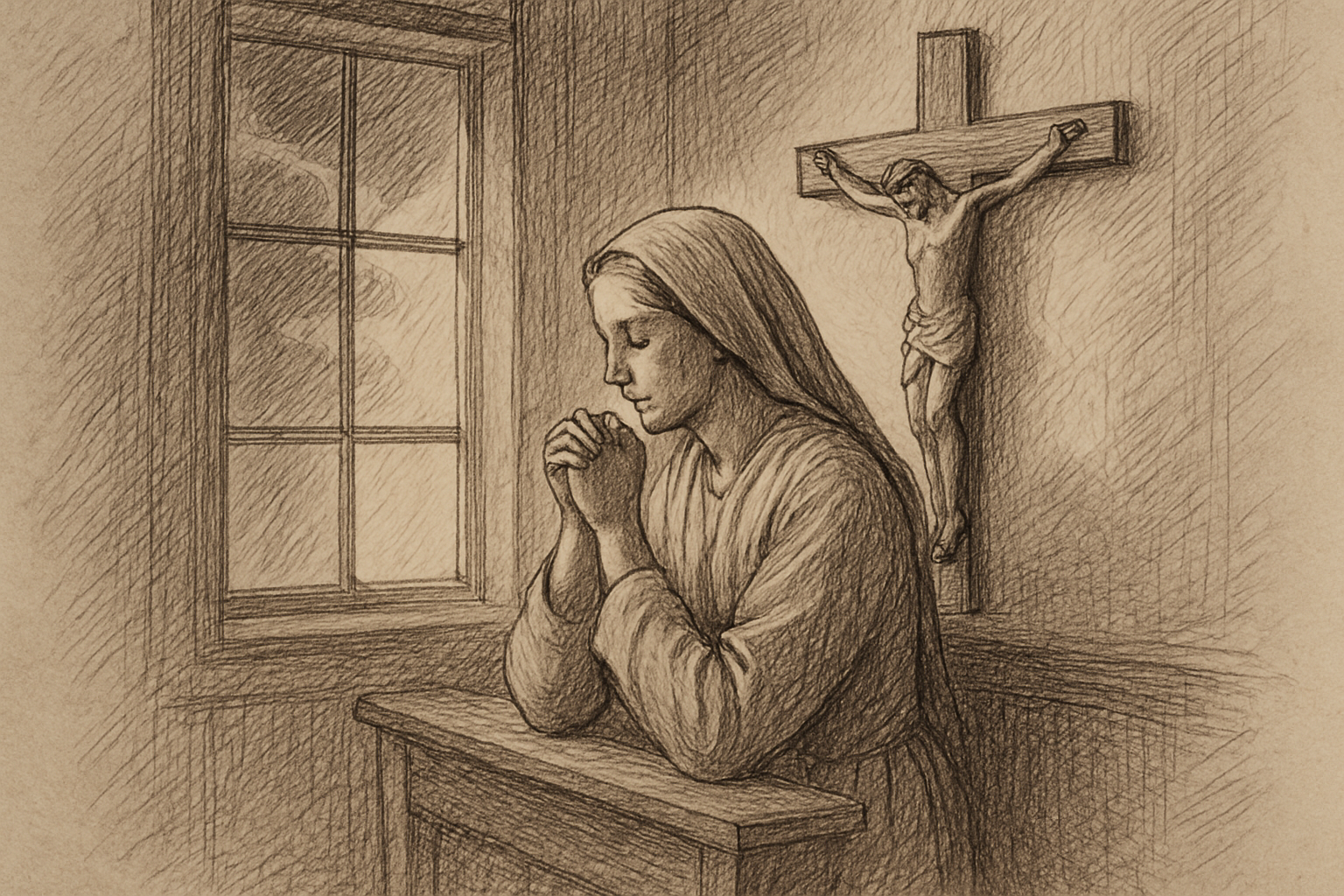
Third, bring the matter before God in prayer. The Psalms show us how to speak honestly to the Lord. We need not sanitize the feeling. We can ask for light, self-knowledge, and the courage to act justly without becoming cruel. Prayer does not weaken moral responsibility. It purifies it.
Fourth, if another person has been harmed, seek reconciliation where possible. That may mean an apology, a correction, a patient conversation, or a willingness to make restitution. Sometimes charity requires firmness. Sometimes it requires silence. But it always requires that we desire the other person's good, not just our own relief.
Fifth, receive the sacrament of Reconciliation when anger has led to sin. Confession is not only for dramatic failures. It is also for the repeated patterns that shape the heart over time. A person who confesses habitual anger begins to see more clearly how that anger connects to pride, impatience, or lack of trust in God. Grace does not merely forgive the past. It heals the way forward.
Anger in family life, parish life, and daily work
Much of our anger appears in ordinary places. It shows up in families when someone feels ignored, overburdened, or taken for granted. It appears in parish life when expectations are frustrated or when different temperaments misunderstand one another. It appears at work when people feel disrespected, overlooked, or forced to carry more than their share.
These are not small settings. They are the places where virtue is tested in concrete ways. Catholic living is not only about avoiding major scandals. It is also about learning to respond well when the coffee is spilled, the email is sharp, the child disobeys, or the coworker takes credit for your labor. These daily moments reveal whether peace is deep enough to survive irritation.
In such situations, it can help to remember that anger often speaks in absolutes. It says,
Keep Reading on Lets Read The Bible
Frequently Asked Questions
Is anger always a sin in Catholic teaching?
No. The Church does not teach that every feeling of anger is sinful. Anger can be a response to real injustice. It becomes sinful when it leads to hatred, revenge, contempt, cruel speech, or other acts that violate charity.
What is the difference between righteous anger and sinful anger?
Righteous anger is ordered toward truth and justice while remaining under the rule of charity. Sinful anger is driven by pride, resentment, or the desire to harm, humiliate, or dominate another person.
How can I repent if I struggle with anger often?
Begin by naming the pattern honestly in prayer, asking God for patience and self-knowledge. If you have harmed others, apologize and seek reconciliation when possible. If anger has led to sin, bring it to the sacrament of Reconciliation and ask for the grace to practice restraint and meekness.