Saints and Witnesses
From Chains to Courage: St. Josephine Bakhita and the Hope That Refuses to Die
The life of St. Josephine Bakhita shows how grace can heal even the deepest wounds and turn suffering into patient, radiant witness.
Site Admin | June 13, 2025 | 67 views
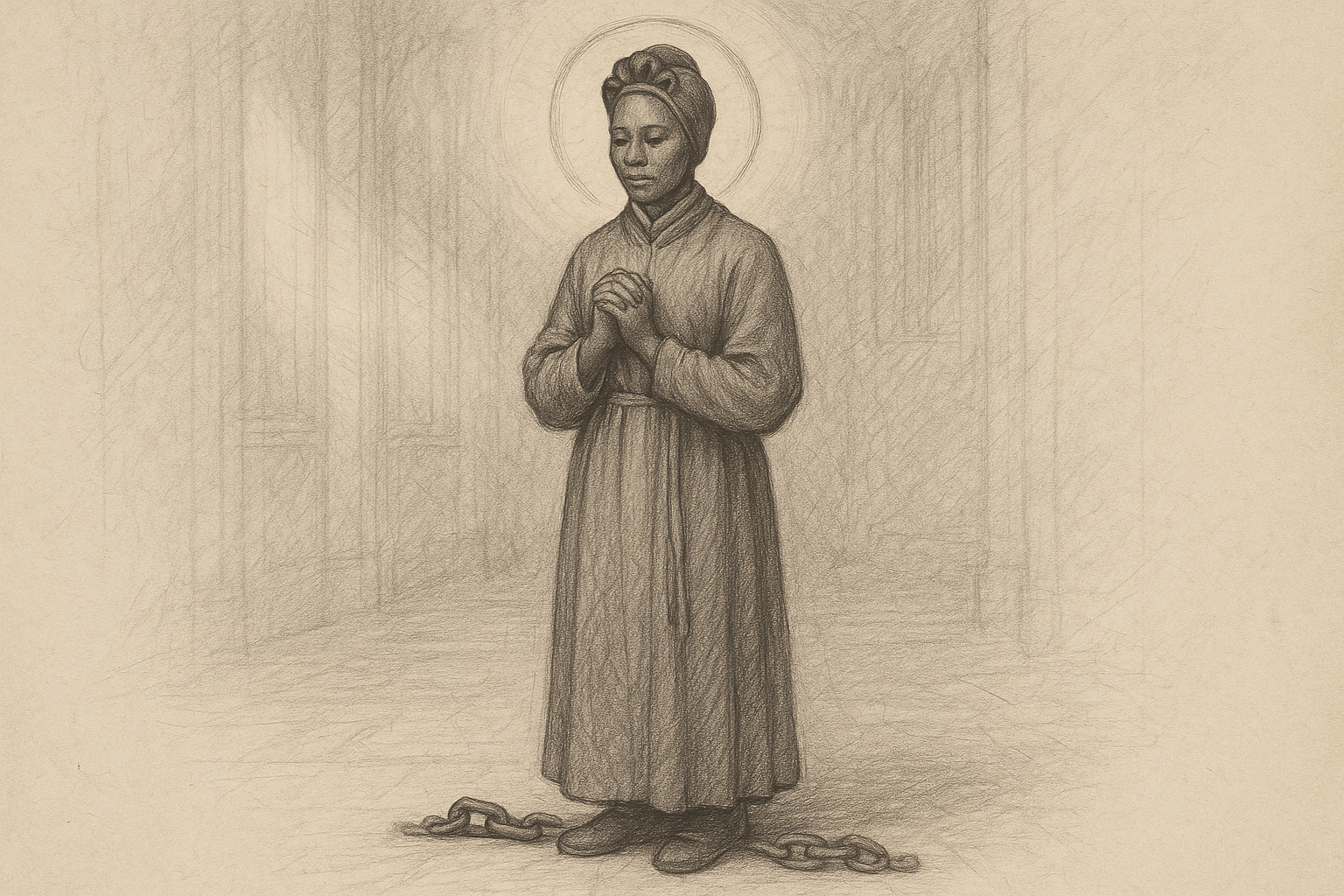
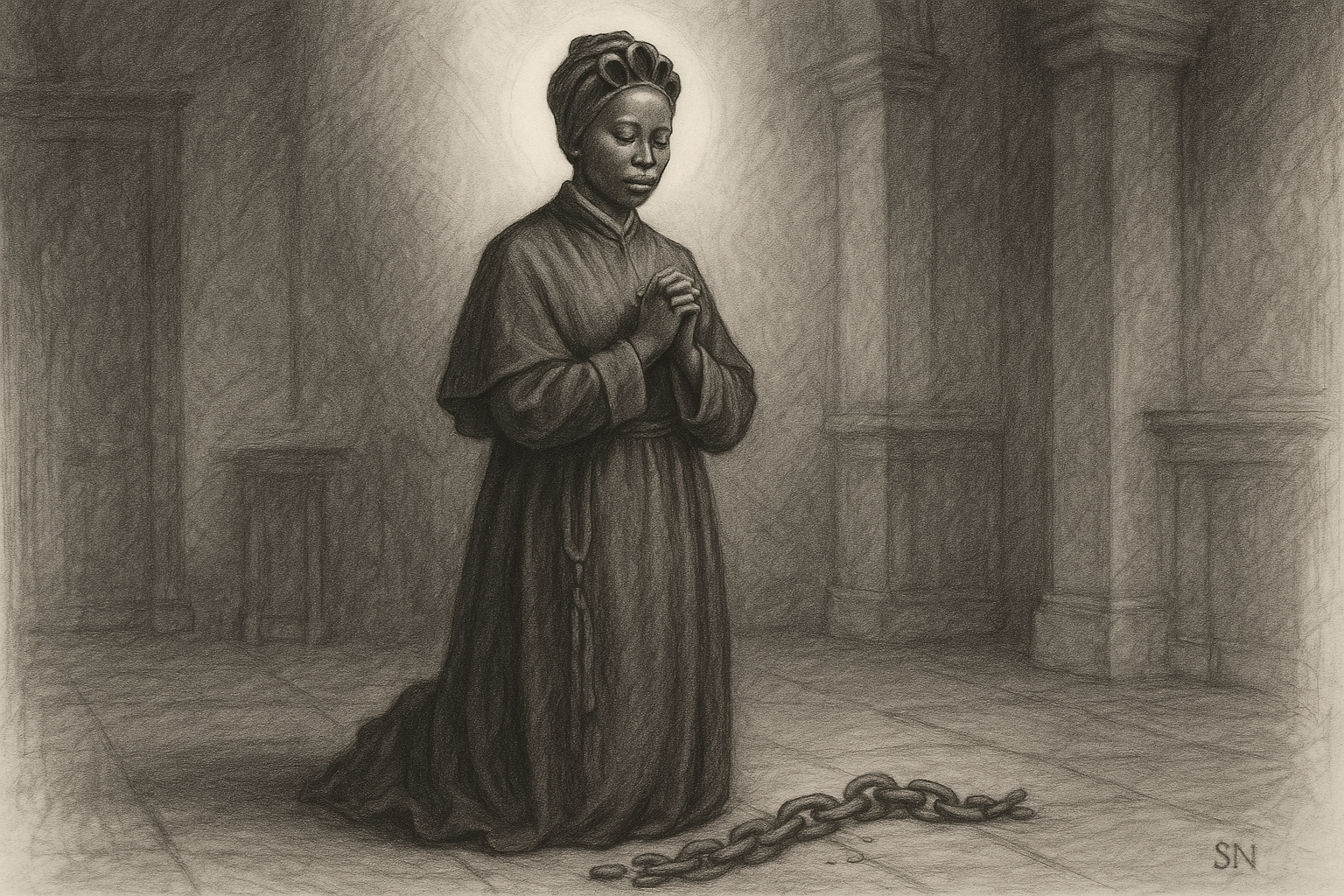
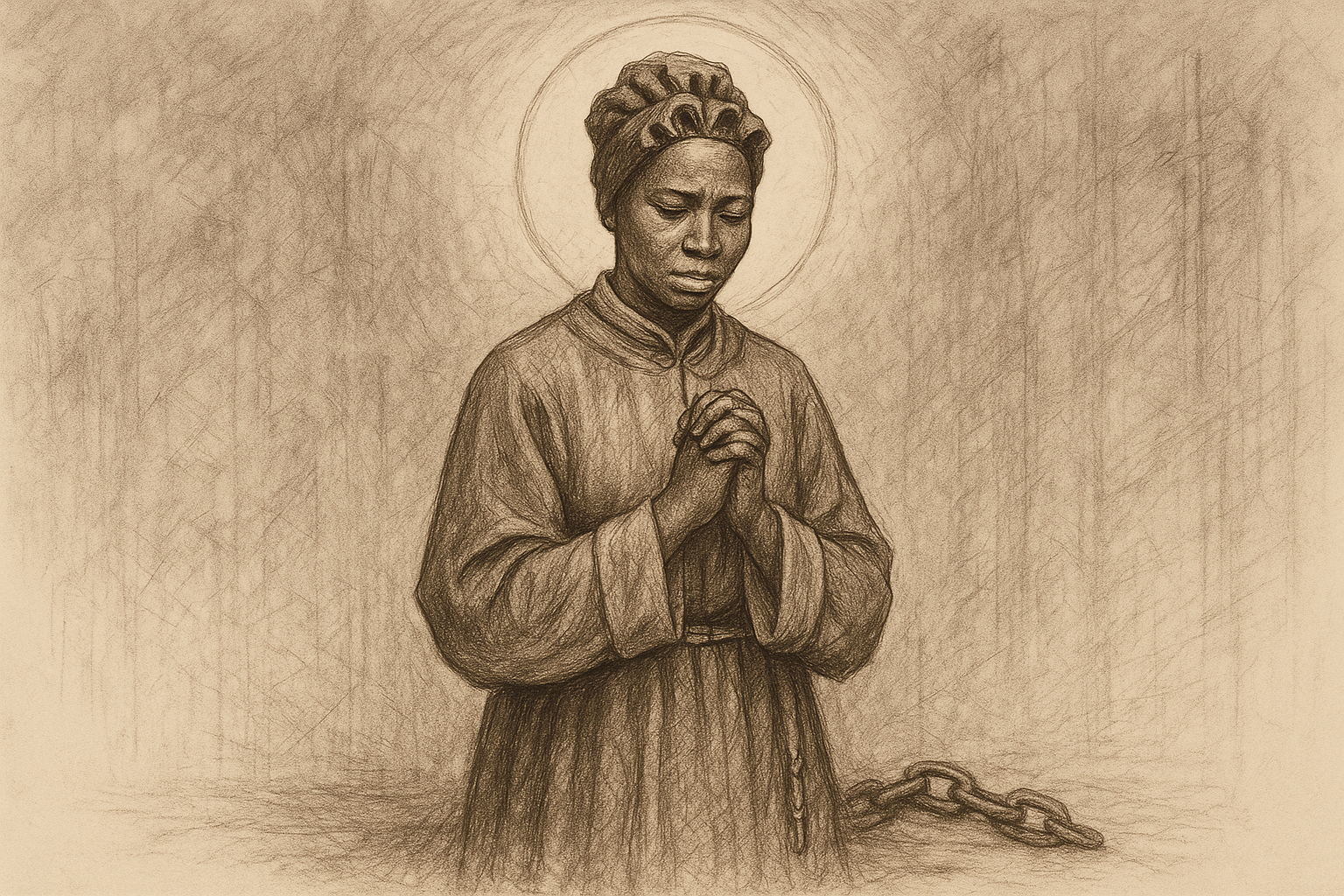
St. Josephine Bakhita is one of those saints whose life seems almost too hard to imagine, and yet too luminous to forget. Born in what is now Sudan, she was kidnapped as a child, sold into slavery, and moved through years of abuse and uncertainty before she eventually found freedom in Italy. Her story is not merely a moving biography. It is a testimony that grace can meet a person in the deepest darkness and lead her into peace.
For Catholics, St. Josephine Bakhita Catholic inspiration does not come from sentiment alone. It comes from the way her life reveals several enduring truths of the faith: human beings belong to God, suffering does not have the last word, and holiness can flower in a life marked by wounds. Her witness is especially compelling because it is so concrete. She did not speak about hope from a comfortable distance. She lived it in the middle of hardship, then spent her life quietly pointing others toward Christ.
A life marked by suffering, then gathered into mercy
Josephine Bakhita was born around 1869. As a child, she lived in a loving family before being abducted and forced into slavery. The violence of that loss was so severe that even her own name was taken from her. Over time, she passed through several masters and endured treatment that left deep scars. For many years, she lived under the false belief that this life of dehumanization was simply the order of things.
Her path changed when she entered the service of an Italian family and encountered Catholic life more directly. In Italy, she met the Canossian Sisters, and through their care she came to learn the faith. The beauty of the Gospel was not abstract to her. It arrived as something liberating, personal, and true. She was baptized in the Catholic Church and later took the name Josephine. When her former owners tried to claim her, the Italian courts recognized that she had never been lawfully enslaved under Italian law. She was free.
That freedom mattered, but it was not the end of the story. Josephine asked to remain with the Sisters, and she eventually entered religious life with the Canossians. There, she spent many years serving quietly, greeting visitors, helping the poor, and giving simple but profound witness to Christ. She was known for her gentleness, humility, and steady joy. In 2000, Pope St. John Paul II canonized her, presenting her to the Church as a saint whose life speaks powerfully to the modern world.
What her witness says about human dignity
St. Josephine Bakhita's life speaks directly to one of the central convictions of Catholic teaching: every human person is made in the image of God and therefore possesses an inviolable dignity. Slavery denies that truth in practice, even when societies try to soften it with clever language or economic excuses. Josephine's life makes clear that no person becomes property in the eyes of God.
This is one reason her witness remains so urgent. Catholics do not remember her only as a victim of terrible injustice. We remember her as a woman whose dignity could not be erased. The Church sees in her story both the horror of sin and the persistence of divine mercy. Her sanctity does not excuse what was done to her. It shows instead that evil is real, but never ultimate.
Scripture gives language for this truth. The Lord hears the cry of the oppressed and binds up the brokenhearted: He heals the brokenhearted and I have seen the affliction of my people. The saint's life makes these words feel tangible. God did not abandon Josephine in slavery. He brought her through suffering, into the Church, and eventually into a vocation of hidden holiness.
Hope that does not deny pain
Christian hope is not a refusal to look at suffering honestly. It does not pretend wounds are unreal or that time alone will heal everything. Rather, hope trusts that God can enter the wound and bring life from it. St. Josephine Bakhita Catholic inspiration is so strong precisely because her hope was not naive. It was forged in the face of cruelty.
People sometimes imagine hope as a feeling, but Josephine's life suggests something steadier. Hope is a habit of the soul that learns to wait on God. It is the conviction that the Lord can be trusted even when circumstances remain painful. Saint Paul writes, hope does not disappoint, and Josephine's life gives that sentence a face. She had every reason to become bitter. Instead, she became gentle. She had every reason to live inwardly closed off. Instead, she opened herself to God.
That transformation was not magic. It was grace working through prayer, the sacraments, and the ordinary disciplines of religious life. Her story reminds Catholics that sanctity is not the denial of trauma. It is the slow surrender of trauma to Christ, who alone can redeem what human cruelty has damaged.
The quiet holiness of an ordinary saint
One of the most attractive things about St. Josephine Bakhita is that she lived holiness in a hidden way. She was not known for dramatic preaching or public leadership. Her holiness was steady, domestic, and humble. She welcomed others, served her community, and bore suffering with patience. In a culture that often prizes visibility, she offers another kind of greatness.
That hidden holiness matters to Catholics because most of the Christian life is hidden. Most believers do not live in public ministry. Most do not receive attention. Most must serve faithfully in places where no one applauds. Josephine shows that such hidden fidelity is not second tier sanctity. It is the ordinary soil where grace can bear fruit.
Her life also helps Catholics understand that holiness and tenderness can belong together. There is nothing weak about gentleness. In Josephine, gentleness was not passivity. It was strength governed by charity. The wounds of her past did not make her harsh. They made her compassionate. She knew, in a way few people do, how much a human being can suffer. That knowledge likely sharpened her mercy toward others.
A saint for those who carry deep wounds
Many Catholics come to St. Josephine Bakhita looking for a companion in suffering. That is understandable. Her witness speaks especially to survivors of abuse, slavery, exploitation, displacement, and any experience that leaves a person feeling reduced or forgotten. She does not offer easy answers. She offers companionship in truth. She knows what it is to be devalued, and she also knows that God restores what the world breaks.
Her canonization did not erase the memory of injustice. Instead, it placed her story within the Church's prayerful memory, where suffering can be held in the light of Christ. For Catholics, this is important. The Church does not glorify suffering for its own sake. She honors saints like Josephine because they show that the Lord can meet human misery without being defeated by it.
The Cross is not the celebration of pain. It is the sign that God has entered pain and opened a path beyond it.
That is why Josephine remains so compelling. She does not ask the wounded to pretend they are fine. She points them to a Savior who is strong enough to carry what they cannot carry alone.
How her witness challenges modern Catholics
It would be easy to admire St. Josephine Bakhita from afar and leave her at the level of inspiration. But saints are meant to disturb us in holy ways. Her life raises questions that modern Catholics should not avoid.
- Do we take human dignity seriously in the way we speak, vote, work, and serve?
- Do we notice forms of exploitation that remain hidden or normalized?
- Do we believe that prayer and sacramental grace can truly heal what the world cannot?
- Do we make room in our own lives for humble, hidden fidelity?
Her example also invites Catholics to look carefully at the places where human beings are still treated as disposable. The exact forms of slavery change over time, but the temptation to profit from another person's misery remains. St. Josephine Bakhita Catholic inspiration becomes concrete when it moves us toward vigilance, charity, and a firmer defense of the vulnerable.
At the same time, her life gently corrects another modern temptation: the belief that healing must always be quick, visible, and complete on our schedule. Josephine's holiness was formed over years. In that way, she is a friend to anyone learning patience in the long work of recovery.
What Catholics can pray with her witness in mind
Josephine Bakhita's life naturally leads to prayer. Catholics may ask her intercession for those who suffer from trafficking, abuse, war, displacement, or the lingering effects of trauma. They may also pray for the grace to become more attentive to the dignity of the poor and forgotten.
Her witness can shape a simple prayer life in very practical ways:
- Thank God daily for the gift of human dignity, your own and that of others.
- Pray for victims of trafficking and exploitation by name when possible.
- Offer a decade of the Rosary or a short act of contrition for the healing of hidden wounds.
- Ask for the grace to respond to suffering with compassion rather than indifference.
In this way, devotion to Josephine Bakhita becomes more than admiration. It becomes a school of mercy. Her sanctity teaches that grace does not merely comfort us. It reforms us.
St. Josephine Bakhita remains unforgettable because her life carries both sorrow and serenity. She knew captivity, yet she came to know a deeper freedom in Christ. She knew suffering, yet she became a witness to peace. And she reminds the Church that hope is not a fragile wish. It is a gift given by God, strong enough to survive even the darkest human cruelty.
Keep Reading on Lets Read The Bible
Frequently Asked Questions
Who was St. Josephine Bakhita?
St. Josephine Bakhita was a Sudanese woman born around 1869 who was kidnapped as a child, enslaved for years, later baptized and received into the Catholic Church, and eventually became a Canossian religious sister in Italy.
Why is St. Josephine Bakhita important to Catholics today?
She is important because her life bears witness to human dignity, the power of grace, and the possibility of hope after severe suffering. She also speaks strongly to modern concerns about trafficking, abuse, and exploitation.
What can Catholics pray for through St. Josephine Bakhita's intercession?
Catholics often ask her intercession for victims of trafficking, abuse, displacement, and trauma, as well as for the grace to defend human dignity and to trust God's healing mercy.