Saints and Witnesses
St. Josephine Bakhita and the Quiet Triumph of Hope
Her life shows how grace can heal what violence tried to destroy and how Christian hope can become a way of living.
Site Admin | June 12, 2025 | 63 views
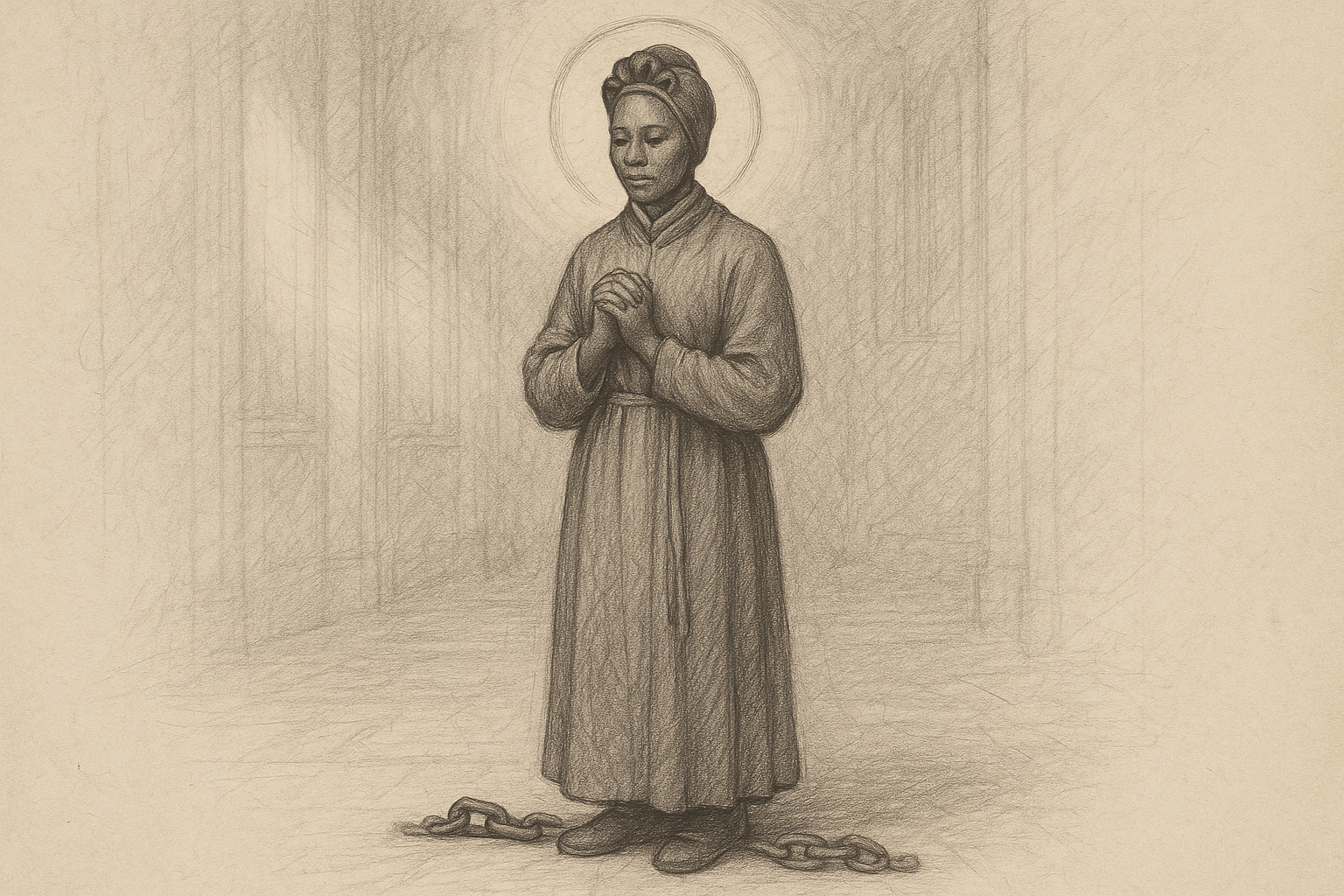
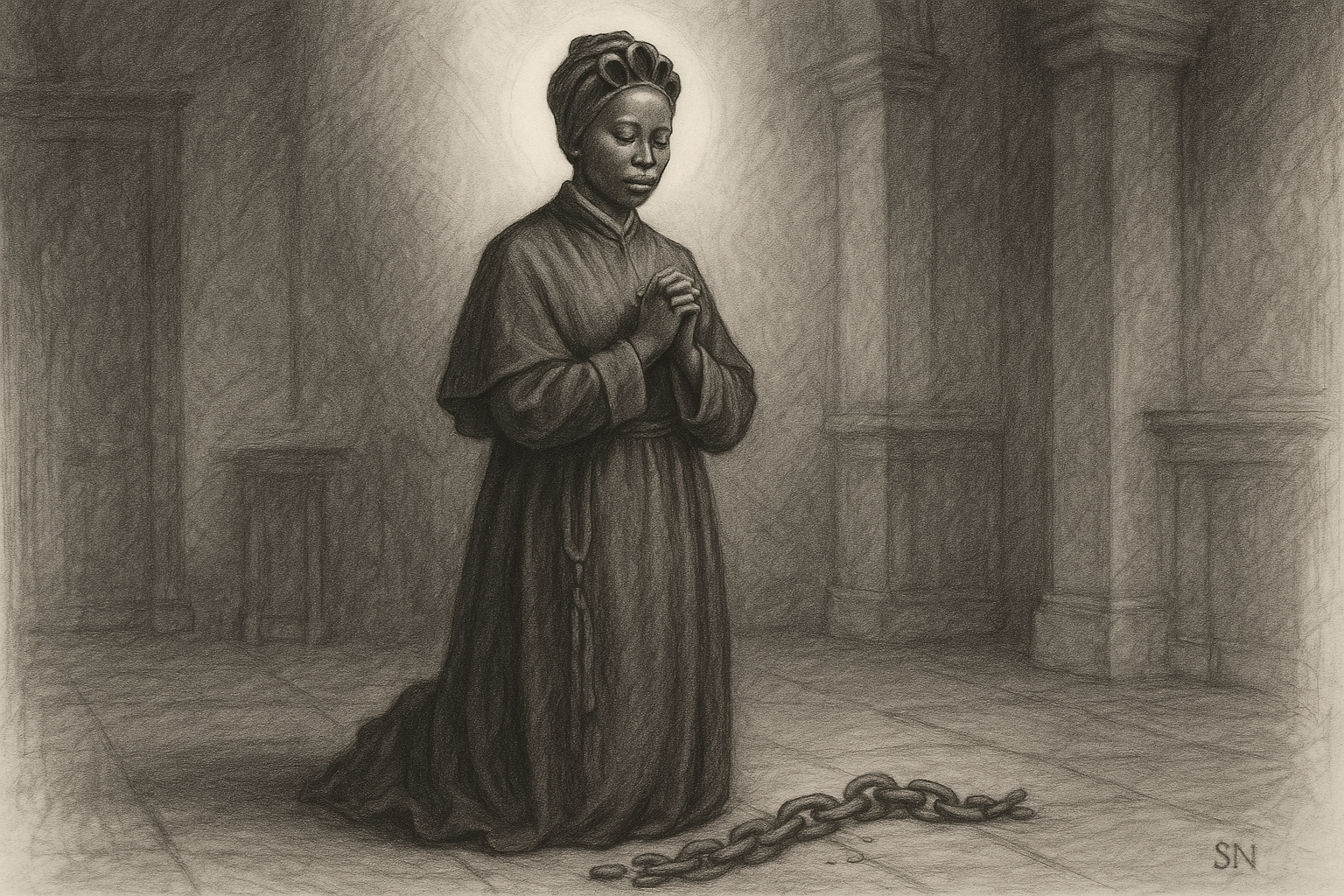
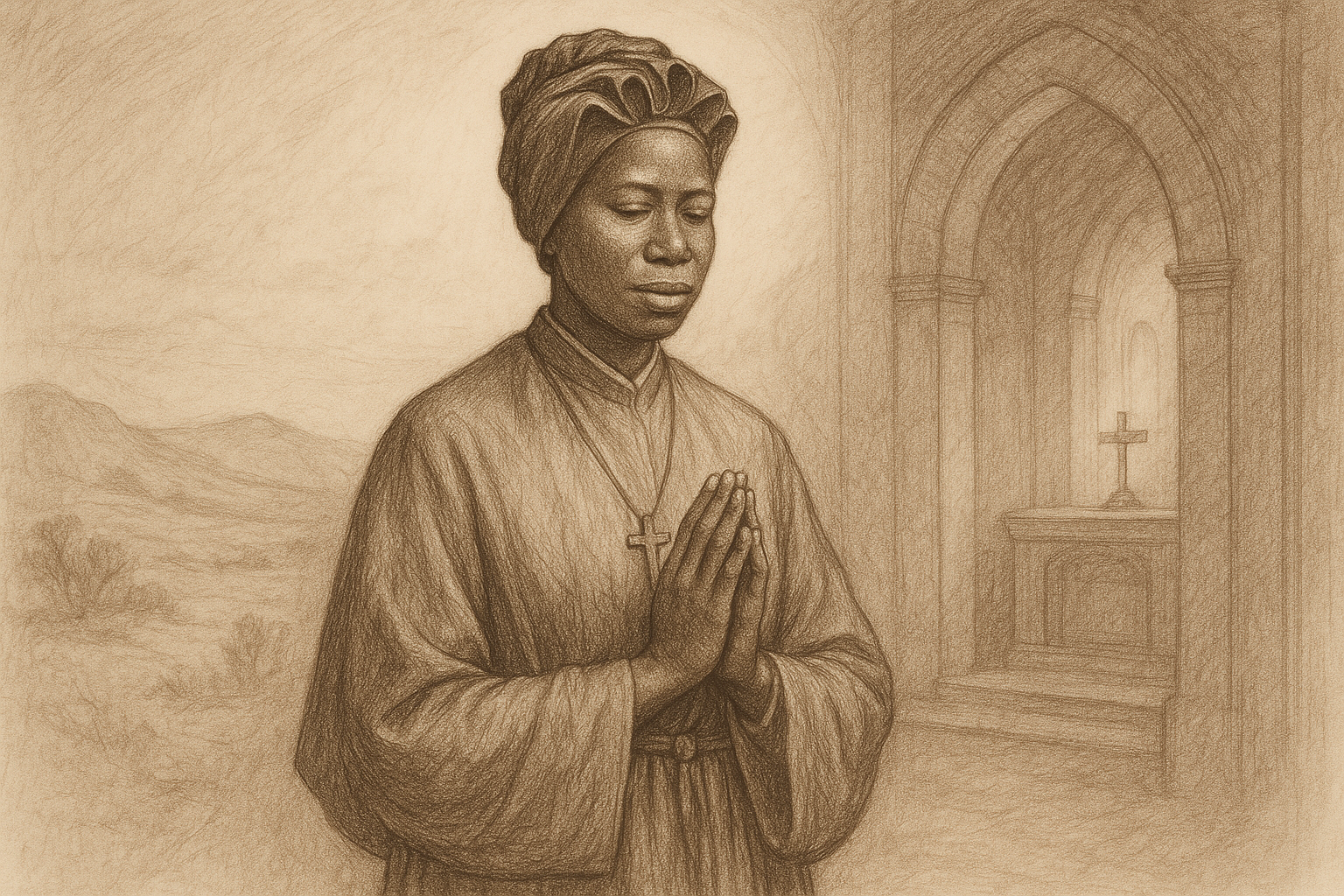
St. Josephine Bakhita life is one of the most striking witness stories in modern Catholic memory. Born in Sudan in the nineteenth century, she was taken from her family as a child, sold into slavery, and passed through brutal hands before finding freedom in Italy. Yet the most important fact about her life is not only that she survived suffering. It is that she came to know Jesus Christ and lived as a joyful daughter of God.
Her story speaks with unusual force because it joins sorrow and peace, trauma and trust, cruelty and mercy. In her holiness, the Church does not celebrate pain for its own sake. Instead, the Church honors the grace that can meet a wounded person in the very places where human evil seemed to have the final word. St. Josephine Bakhita teaches that the Lord does not abandon the oppressed and that dignity can be restored even after great loss.
From Sudan to slavery and beyond
Josephine Bakhita was born around 1869 in the region of Darfur, in present day Sudan. Her early life was shaped by the ordinary bonds of family and village life until violence shattered everything. As a young girl, she was kidnapped by slave traders. The trauma was so severe that, according to the account preserved in her story, she even forgot her birth name. The name Bakhita, meaning fortunate or lucky, was given to her by those who sold her, a bitter irony that only deepens the tragedy of her early years.
She was sold many times and was forced into labor under harsh conditions. At one point she was in the service of an Italian diplomat and later came into contact with Catholic religious women in Italy. These sisters treated her differently from those who had owned her. For the first time in years, she encountered a form of authority marked not by domination but by charity. Their kindness did not erase her suffering, but it opened a path toward truth.
When the diplomat who had brought her to Italy returned to Sudan, a legal question arose about her status. Italian law did not recognize slavery in the same way as the places where she had been held. The matter eventually came before the courts, and she was recognized as free. This was a decisive moment in her life. Freedom, however, was not only a legal condition. It became, through grace, a spiritual reality as well.
The encounter with Christ that changed everything
St. Josephine Bakhita life changed profoundly when she met the faith of the Church in a personal way. She came to know the Canossian Sisters, and through them she learned about the God who had created her, redeemed her, and called her by name. Her attraction to the Catholic faith was not shallow sentiment. It was a response to truth encountered through beauty, mercy, and witness.
She was baptized, confirmed, and received her first Holy Communion in 1890. In these sacraments she found not merely comfort but belonging. The God announced to her in catechesis and sacramental life was not the master of violence she had known in the slave markets. He was the living Lord who sees the afflicted and gives them a future. The Gospel words, the truth will set you free, took flesh in her own story John 8:32.
Her conversion did not mean that the past disappeared. Deep wounds rarely vanish simply because a person becomes Catholic. But faith gave her a center that suffering could not steal. She learned to live with a serenity that astonished those around her. Her trust in God was not naïve. It was forged in the fire of suffering and then sustained by prayer and obedience.
Her life is a reminder that Christian freedom is deeper than circumstance. A person may be externally constrained and yet inwardly open to God, or outwardly free and inwardly enslaved to fear. In St. Josephine Bakhita, grace revealed a stronger liberty: the freedom of belonging to Christ.
A humble religious life marked by service
After her baptism, Josephine Bakhita chose the religious life. She entered the Institute of the Canossian Daughters of Charity in Italy and lived among the sisters in simple service. For many years she worked as a cook, sacristan, and porter. These were hidden duties, often unnoticed by the world, yet they became the ordinary place of her holiness.
Here the Catholic imagination sees something beautiful. Holiness is not always dramatic. It is often lived in small acts repeated with love. Josephine Bakhita did not write books or found orders. She did not preach public sermons. She washed, cleaned, welcomed, prayed, and remained faithful. In this, she resembles many saints whose greatness was hidden under quiet tasks. The holiness of such a life matters because it tells the Church that no form of service, offered to God with love, is small.
She was known for her gentleness, her patience, and her habit of calling people to remember God's goodness. Even after all she had endured, she did not become bitter. Instead, she radiated gratitude. That is one of the most remarkable features of her witness. Grief did not have the last word. Neither did resentment. She chose, with real effort and real grace, to live as one who trusted that God had not forgotten her.
Hope shaped by memory, not denial
Modern readers sometimes mistake hope for optimism. But Christian hope is not the refusal to name suffering. It is confidence that God can work within suffering without being defeated by it. St. Josephine Bakhita life shows this with great clarity. Her peace did not come from forgetting what happened to her. It came from knowing that the Crucified and Risen Christ entered the depth of human misery and transformed it from within.
Scripture often speaks of God as the defender of the lowly and the protector of the oppressed. The Lord hears the cry of the poor, and he does not overlook the suffering of the innocent Psalm 34:18. The prophet Isaiah announces a God who binds up the brokenhearted and proclaims liberty to captives Isaiah 61:1. These are not abstract ideas in Josephine Bakhita's story. They are the shape of her life. What the Bible proclaims, her life embodied.
She also reminds Catholics that freedom in Christ includes the healing of memory. Some wounds remain part of a person's story, but they need not define the person's identity before God. Josephine Bakhita was not merely a former slave. She was a beloved daughter of the Father, a sister in religious life, and a woman in whom the mercy of Christ became visible. That identity was not taken from the world. It was received from grace.
What Catholics can learn from her witness
St. Josephine Bakhita speaks to several needs in the Church today. First, she reminds us to honor the dignity of every human person. Human trafficking, exploitation, abuse, and racial hatred all deny that dignity. Her life is a rebuke to every culture that treats people as commodities. Catholics who honor her are called to a sincere commitment to the protection of the vulnerable and to works of justice shaped by charity.
Second, she teaches that forgiveness is possible but never cheap. Her serenity should never be used to excuse evil or silence victims. The Church does not ask the suffering to pretend that harm was small. Rather, she points to the cross, where Christ reveals both the seriousness of sin and the power of mercy. Josephine Bakhita's holiness shows that forgiveness is not the denial of justice. It is the refusal to let hatred become the final master of the heart.
Third, she invites Catholics to trust that holiness can grow in hidden places. Many people imagine that sanctity requires visibility. Her life says otherwise. Faithfulness in daily duties, patience with others, and a gentle spirit formed by prayer can become a radiant offering. This should encourage parents, religious, workers, caretakers, and the tired faithful who wonder whether their ordinary lives matter. They do.
Fourth, she shows how the sacraments give real strength. Baptism made her a new creation in Christ. The Eucharist nourished her communion with the Lord. Reconciliation, prayer, and the life of the Church sustained her vocation. Catholic devotion was not decorative in her life. It was the environment in which hope took root.
Practicing her witness today
To follow St. Josephine Bakhita is not to imitate the details of her biography, which no one else can repeat. It is to receive the shape of her faith. Catholics can begin by praying for victims of trafficking and abuse, supporting local ministries that protect the vulnerable, and learning to recognize exploitation in the world around them. We can also ask whether our own hearts are tempted to use people for convenience, status, or gain. Her witness calls for repentance as well as compassion.
We can also ask her to teach us gratitude. Gratitude is not sentimental when it rises from a soul that has known hardship. It is a deliberate act of faith. To give thanks in all circumstances is a Christian discipline rooted in trust that God remains present even when life is painful 1 Thessalonians 5:18. Josephine Bakhita's gratitude was not blindness. It was courage.
Finally, her life encourages anyone who feels trapped by the past. Some suffer from memories they cannot simply set aside. Others carry shame, grief, or fear. In Josephine Bakhita, the Church offers a saint who understands bondage and points toward freedom. She does not deny the wound. She bears witness to the healer.
At her canonization, the Church held before the world a woman whose life began in darkness and ended in quiet radiance. That arc is not just inspirational. It is deeply Catholic. It proclaims that Christ can enter the bleakest human story and make it a place of grace. St. Josephine Bakhita remains a companion for the wounded, a teacher for the comfortable, and a witness that hope in God is never wasted.
Keep Reading on Lets Read The Bible
Frequently Asked Questions
What is St. Josephine Bakhita best known for?
She is best known for surviving kidnapping and slavery, then becoming a Catholic religious sister whose life radiated peace, gratitude, and trust in God.
Why is St. Josephine Bakhita important for Catholics today?
Her life speaks directly to issues of human dignity, trafficking, abuse, forgiveness, and hope. She shows that Christ can heal deep wounds and that holiness can grow in hidden service.
What virtues stand out most in St. Josephine Bakhita life?
Her humility, patience, gratitude, fidelity in small duties, and deep trust in God stand out most. She also gives a powerful witness to the freedom found in Christ.