Doctrine and Questions
Held by the Word and the Living Faith
Scripture and Tradition are not rivals in Catholic life, but two ways Christ keeps His Church rooted in the truth.
Site Admin | July 9, 2025 | 80 views
Some questions in Catholic life sound simple at first, but they reach deep into the heart of the faith. One of them is this: where does the Church get what she believes? For Catholics, the answer is not Scripture alone, and not human custom alone. It is the living gift of Scripture and Tradition explained together, held within the one Church Christ founded.
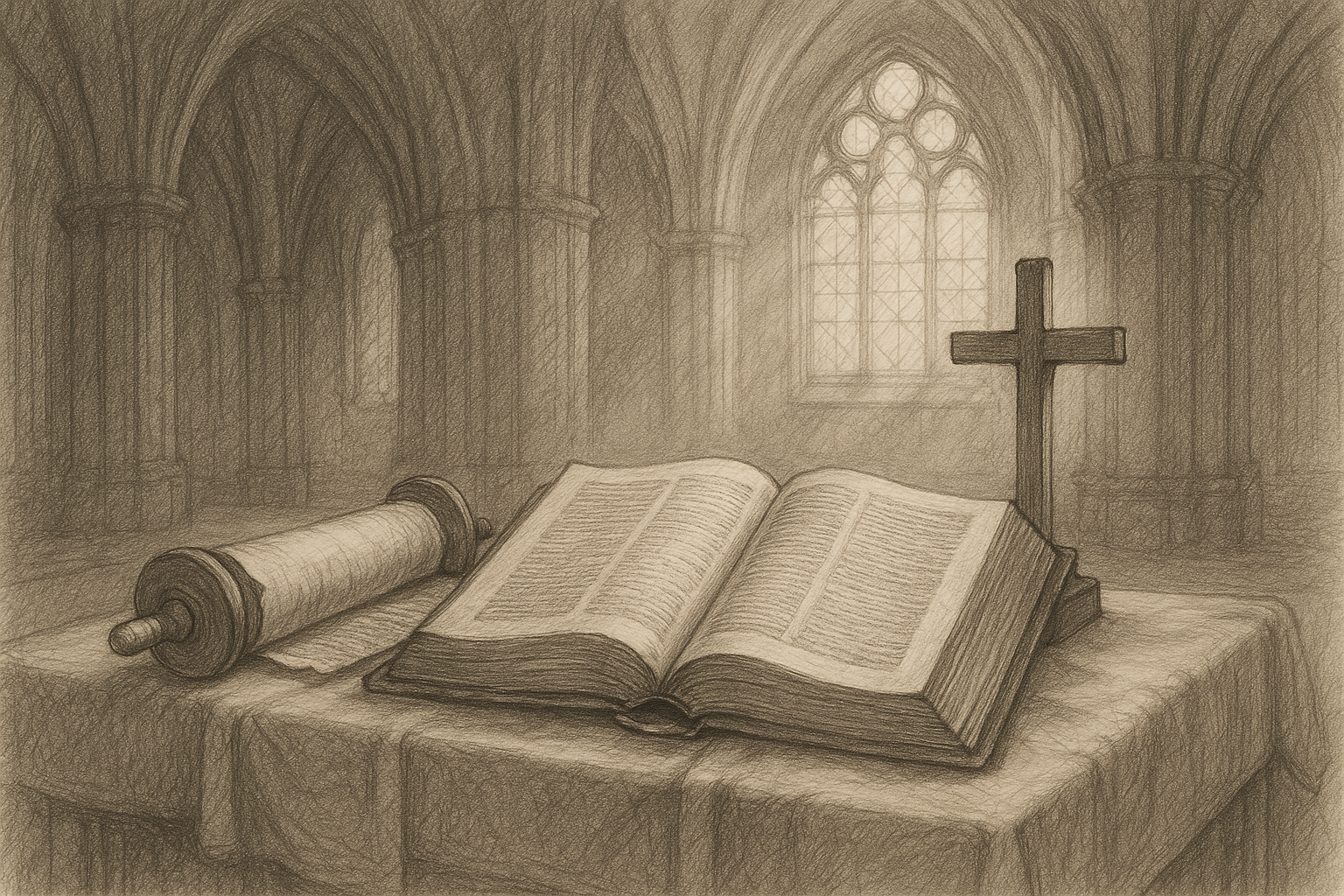
This does not mean Catholics add to the Gospel as if the Bible were incomplete. Rather, the Church believes that the one revelation of God came through Jesus Christ and was entrusted to the apostles. That revelation was then handed on in two closely joined ways: in the written books of Sacred Scripture and in Sacred Tradition, the living transmission of the apostolic faith. The two do not compete. They belong together.
The Church did not begin with a book
It can be easy to forget that the first Christians did not open a bound New Testament on Sunday morning. The apostles preached Christ, baptized believers, celebrated the Eucharist, and formed local churches long before the New Testament was fully written and gathered. The word of God was first proclaimed in the life of the Church.
Saint Paul himself points to this living handing on of the faith when he writes, 2 Thessalonians 2:15 and again when he praises the Corinthians for holding fast to the traditions he delivered to them, both in speech and in writing: 1 Corinthians 11:2.
That matters because it shows the faith was never meant to live only on a page. The written books of Scripture are inspired by the Holy Spirit, but they arose within a Church already teaching, worshipping, and confessing Christ. Scripture came from the apostolic Church and remains part of the Church's life.
What Catholics mean by Tradition
When Catholics say Tradition, they do not mean customs invented by human preference. They mean the apostolic Tradition, the living transmission of what the apostles received from Christ and handed on under the guidance of the Holy Spirit. This includes the Church's worship, preaching, doctrine, sacramental life, and faithful interpretation of the deposit of faith.
Tradition is not a second revelation added later. It is the same revelation of God preserved and passed on in the Church. The Catechism teaches that Sacred Scripture and Sacred Tradition flow from the same divine wellspring and form one sacred deposit of the word of God. That is why Catholics speak of one faith received in two modes, not two separate sources competing for authority.
Think of it this way. Scripture is not less than God?s word because it is written, and Tradition is not less than God?s word because it is living and handed on. Both are meant to serve the same saving truth revealed in Christ.
Scripture itself points to a living Church
The Bible does not present Christians as isolated readers making private judgment the final authority. Instead, it shows a Church with teachers, shepherds, and an office of guardianship. Christ gives Peter a unique role when He says, Matthew 16:19. After His resurrection, He sends the apostles to teach and baptize all nations: Matthew 28:19.
Saint Paul describes the Church as the household of God and the pillar and bulwark of the truth: 1 Timothy 3:15. That is a striking phrase. A pillar does not create the building, but it supports and displays what is already there. The Church guards the truth she has received, does not invent it.
The New Testament also warns that not everything the apostles taught was written down. John says there were many other things Jesus did that were not recorded in the book he wrote: John 21:25. That verse alone does not prove every tradition is apostolic, but it does remind us that the written text does not exhaust all that Christ did and taught.
How Scripture and Tradition work together
Catholics read Scripture within the Tradition of the Church, and they receive Tradition in the light of Scripture. These are not separate tracks. They are two dimensions of the same apostolic faith.
Scripture is inspired, authoritative, and uniquely normative because it is the written word of God. Tradition is the living context in which the Church receives, preserves, and rightly understands that word. The Magisterium, the Church's teaching office, serves this process by authentically interpreting Scripture and Tradition in fidelity to what has been handed on.
This is one reason Catholic interpretation does not rest on private preference alone. If every reader were the final judge, the result would often be fragmentation. Yet Christ prayed for unity among His disciples: John 17:21. The Church's common faith is not a burden on Scripture. It is one of the ways Christ protects His people from losing the meaning of His word.
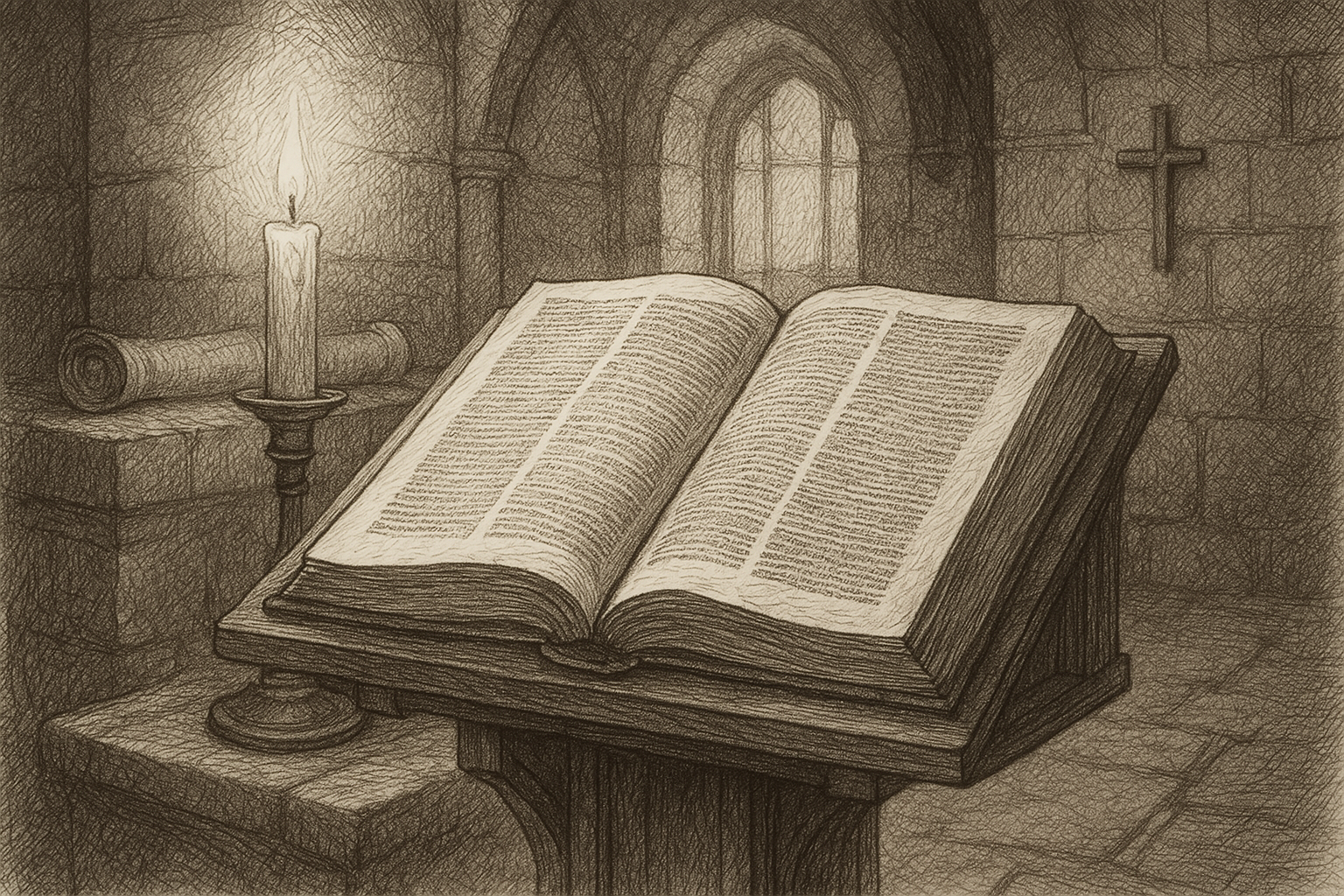
When Catholics open the Bible, they do so as members of a family that has been hearing, praying, and proclaiming those same words for centuries. The Church does not stand over Scripture as its master, but she does stand as its faithful servant and custodian.
Examples Catholics can recognize in ordinary life
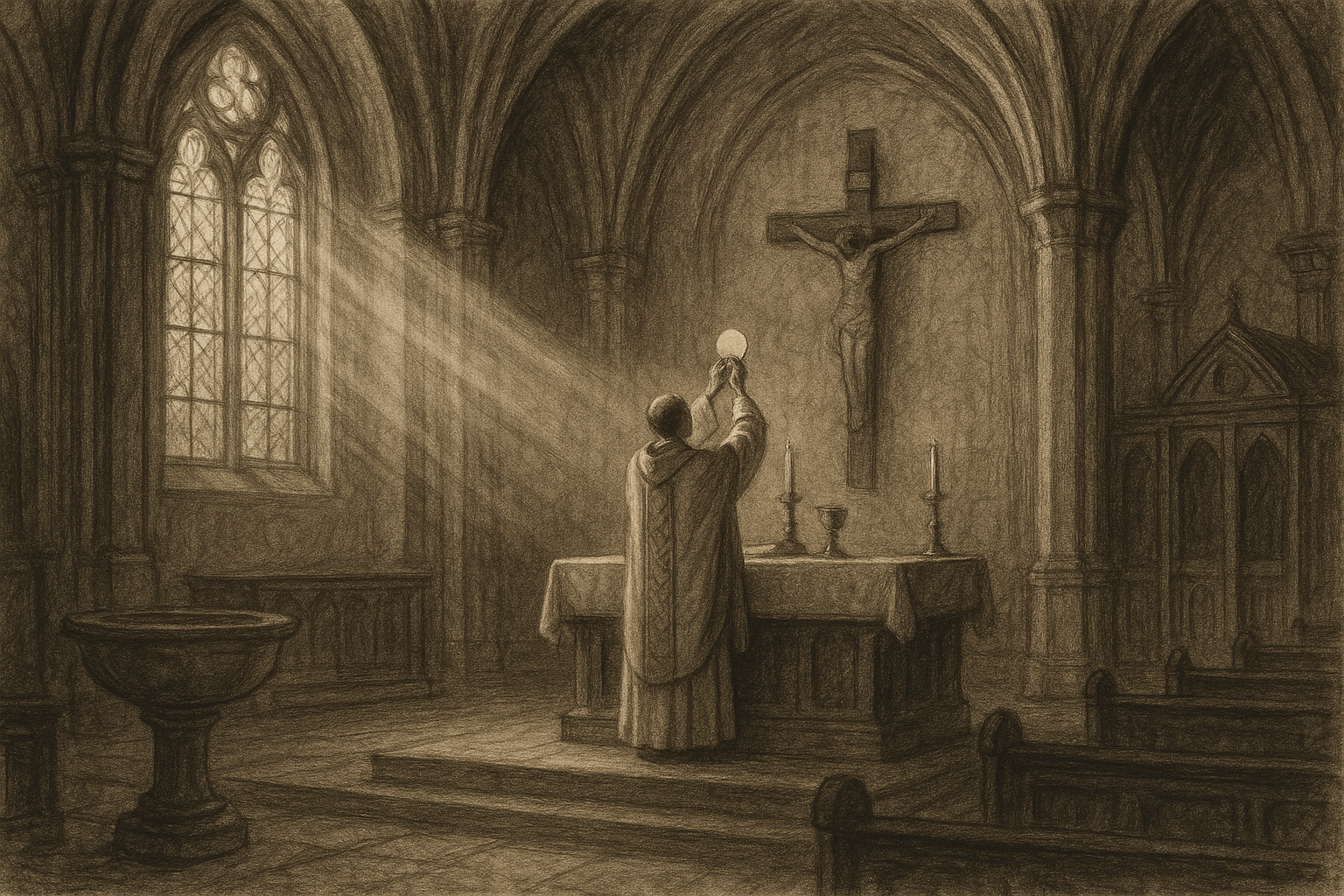
For many Catholics, Scripture and Tradition become clearer in ordinary parish life than in abstract debate. Consider the Mass. Its words are saturated with Scripture, yet the structure of the liturgy is also a living tradition handed down through the centuries. At Mass, Catholics do not simply remember Jesus; they enter sacramentally into the worship He gave the Church.
Or think about the Creed. The Nicene Creed is not a verse from the Bible, yet it is deeply biblical and faithfully expresses the Church's reading of Scripture in response to heresies. It helps believers confess the Trinity, the Incarnation, and the Church with precision and unity.
Another example is the canon of Scripture itself. The Bible does not contain a divinely inspired table of contents. The Church, guided by the Holy Spirit, recognized which books belong to the canon. Even the decision to hold the Bible as sacred Scripture depends on the Church's apostolic discernment. That is an important reminder that Scripture and Tradition are not enemies. The very Bible Catholics cherish is known and received within the life of Tradition.
Guarding against two common mistakes
One mistake is to treat Tradition as if it were merely old habits that can be changed at will. That view reduces the faith to preference and misses the Church's apostolic inheritance. Not every custom has the same weight, and not every devotional practice is part of apostolic Tradition.
The other mistake is to imagine that Scripture alone can be understood apart from the Church that received it. This can lead to sincere but conflicting interpretations, each claiming the Bible as support. The Catholic faith answers this problem not by diminishing Scripture, but by trusting the Holy Spirit to guide the Church into all truth as Christ promised: John 16:13.
Catholic teaching is careful here. Tradition is not a collection of human opinions elevated to divine status. It is the apostolic life of the Church under the Holy Spirit. And Scripture is not a text detached from that life. It is the inspired written witness at the heart of it.
Why this teaching matters for prayer and discipleship
For ordinary Catholics, this teaching changes how the Bible is read and how the Church is trusted. It means that personal Bible reading is not a lonely exercise. When a Catholic opens the Scriptures, he or she is joining the prayer of the Church, listening with centuries of believers, saints, martyrs, teachers, and pastors.
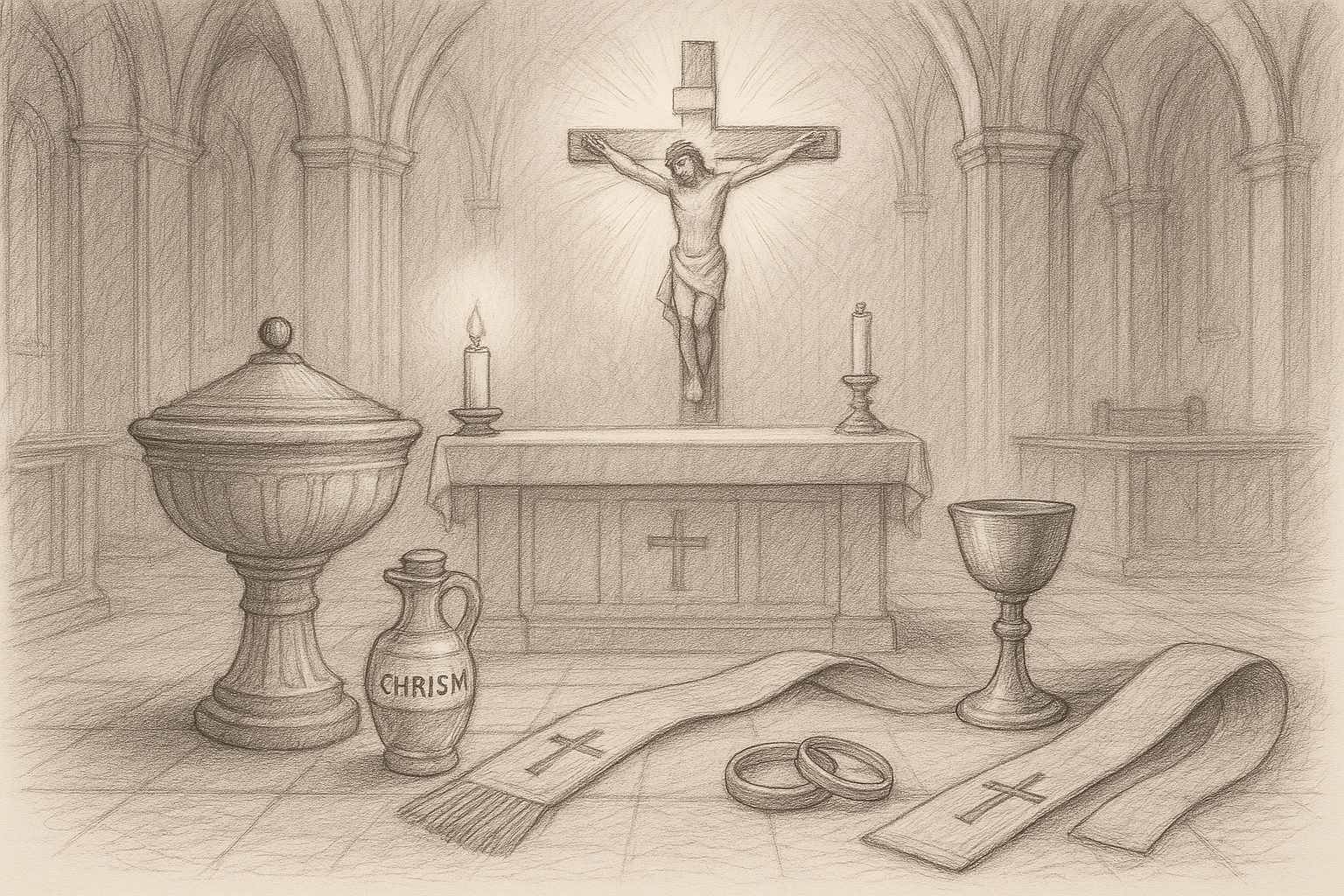
It also gives confidence that the faith is not a fragile collection of pious ideas. Christ did not leave His people with a spiritual puzzle and hope they would solve it on their own. He gave apostles, successors, sacraments, Scripture, and a Church that remembers. That memory is not sentimental. It is one of the Holy Spirit's gifts to preserve the truth of Christ in every age.
So when Catholics speak of Scripture and Tradition explained together, they are really speaking of Christ's fidelity. He speaks in the written word, and He continues to speak through the Church He established. The result is not confusion, but a living faith that can be prayed, preached, celebrated, and passed on with confidence.
That is why Catholics keep returning to Scripture with reverence, and to Tradition with gratitude, trusting the same Lord who first called the apostles and still gathers His people around His word.
Keep Reading on Lets Read The Bible
Frequently Asked Questions
Do Catholics believe Tradition is equal to the Bible?
Catholics believe Sacred Scripture and Sacred Tradition come from the same divine revelation and belong together. Scripture is uniquely inspired as the written word of God, while Tradition is the living transmission of the apostolic faith. Neither is treated as a human invention.
Can a Catholic believe only what is explicitly written in the Bible?
No. Catholics hold that some apostolic teaching was handed on by word and practice, not only by writing. The Church receives both Scripture and Tradition, and interprets them together under the guidance of the Holy Spirit.
How does the Church know which books belong in the Bible?
The Church, guided by the Holy Spirit, recognized the canon of Scripture through apostolic discernment and long usage in the life of the Church. The Bible did not come with its own inspired list of contents.