Doctrine and Questions
The Quiet Mercy of the Confessional: Why Catholics Go to a Priest
Confession is not a performance or a mere ritual. It is Christ meeting His people through a sacrament He entrusted to His Church.
Site Admin | June 19, 2025 | 85 views
Confession is personal, not impersonal
Many people hear the word Confession and think first of embarrassment, scrutiny, or rule keeping. Catholics, however, understand it as something much more tender. Confession to a priest explained simply is this: Christ, who forgives sins, chose to work through a visible minister in the Church He founded. The priest is not a rival to Jesus. He stands in service to Jesus, speaking and acting in His name.
This matters because sin is never only private. It wounds our friendship with God, weakens the Church, and often damages other people as well. The sacrament addresses all of that in a concrete way. We speak our sins aloud, hear them named honestly, receive counsel if needed, and are given sacramental absolution. The experience can be humbling, but it is also deeply freeing.
For Catholics, this is not a spiritual extra reserved for unusually devout people. It is part of ordinary Christian life, especially when serious sin has broken our communion with God. Even for venial sins, regular Confession can form the conscience, strengthen humility, and increase gratitude for mercy.
What Scripture says about forgiveness through the Church
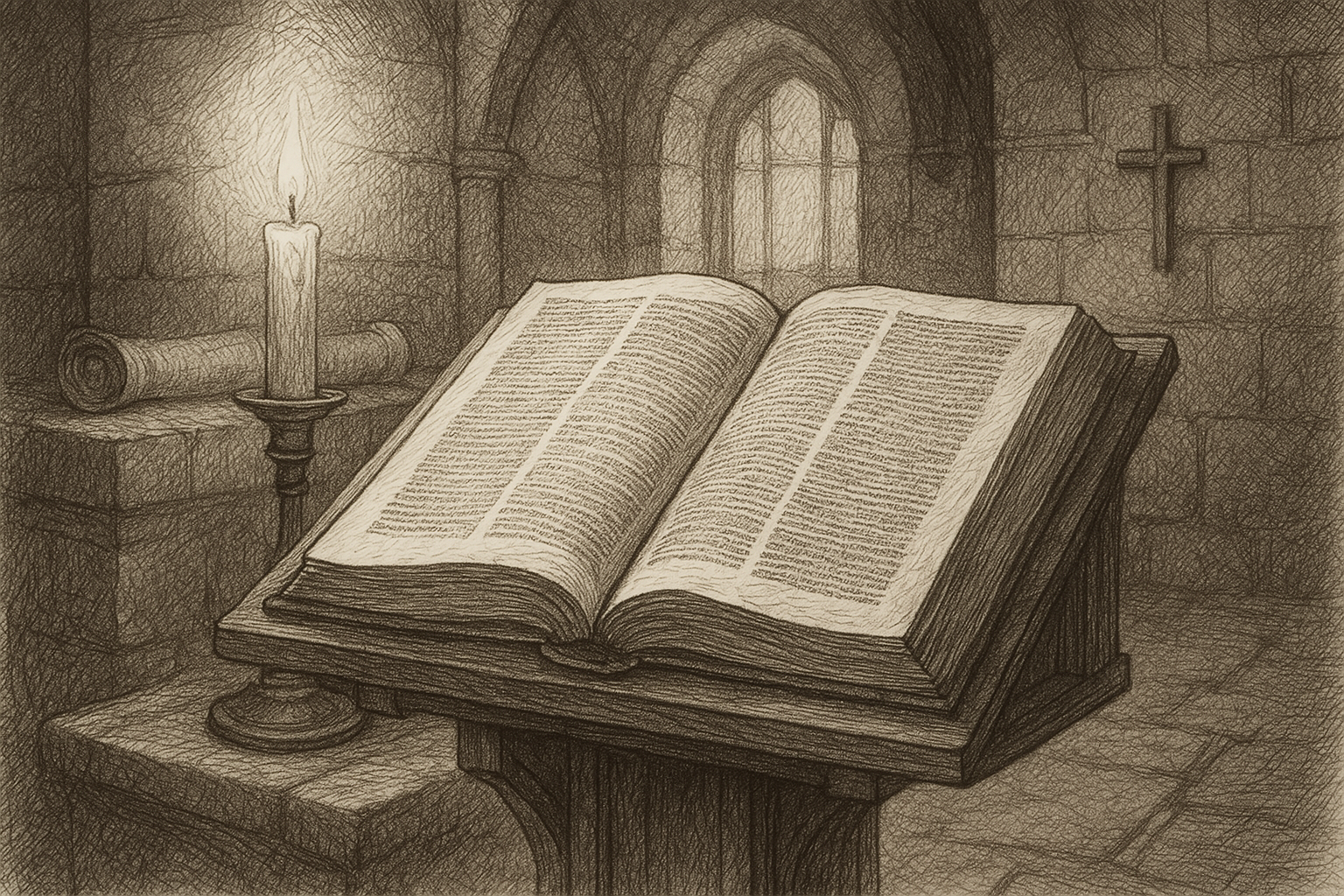
Catholic belief about Confession is not built on a late invention. It grows from the ministry Christ gave to the apostles. After the Resurrection, Jesus breathed on them and said, Receive the Holy Spirit. He then added, Whose sins you forgive are forgiven them. Those words are striking because they are not merely a call to preach forgiveness in the abstract. They are a commission involving the forgiveness of sins in a real and sacramental way.
The Church also hears in Matthew's Gospel Christ's authority to bind and loose, a phrase that includes governance and the power to make judgments on behalf of the community of believers. Jesus says to Peter, I will give you the keys of the kingdom, and later extends similar authority to the apostles together, Whatever you bind on earth. In the very next verses, He speaks about fraternal correction and the care of the sinner. The pattern is clear: Christ establishes a Church that does not merely announce mercy from a distance but ministerially applies it.
Saint Paul also teaches that God entrusted a ministry of reconciliation to the apostolic Church. He writes, the ministry of reconciliation. Reconciliation is not just a feeling of peace. It is the restoring of a relationship that has been broken. That is exactly what sacramental Confession seeks to do.
The heart of Confession is not human judgment for its own sake. It is Christ's mercy offered through the order He established.
Why a priest, and not only God alone
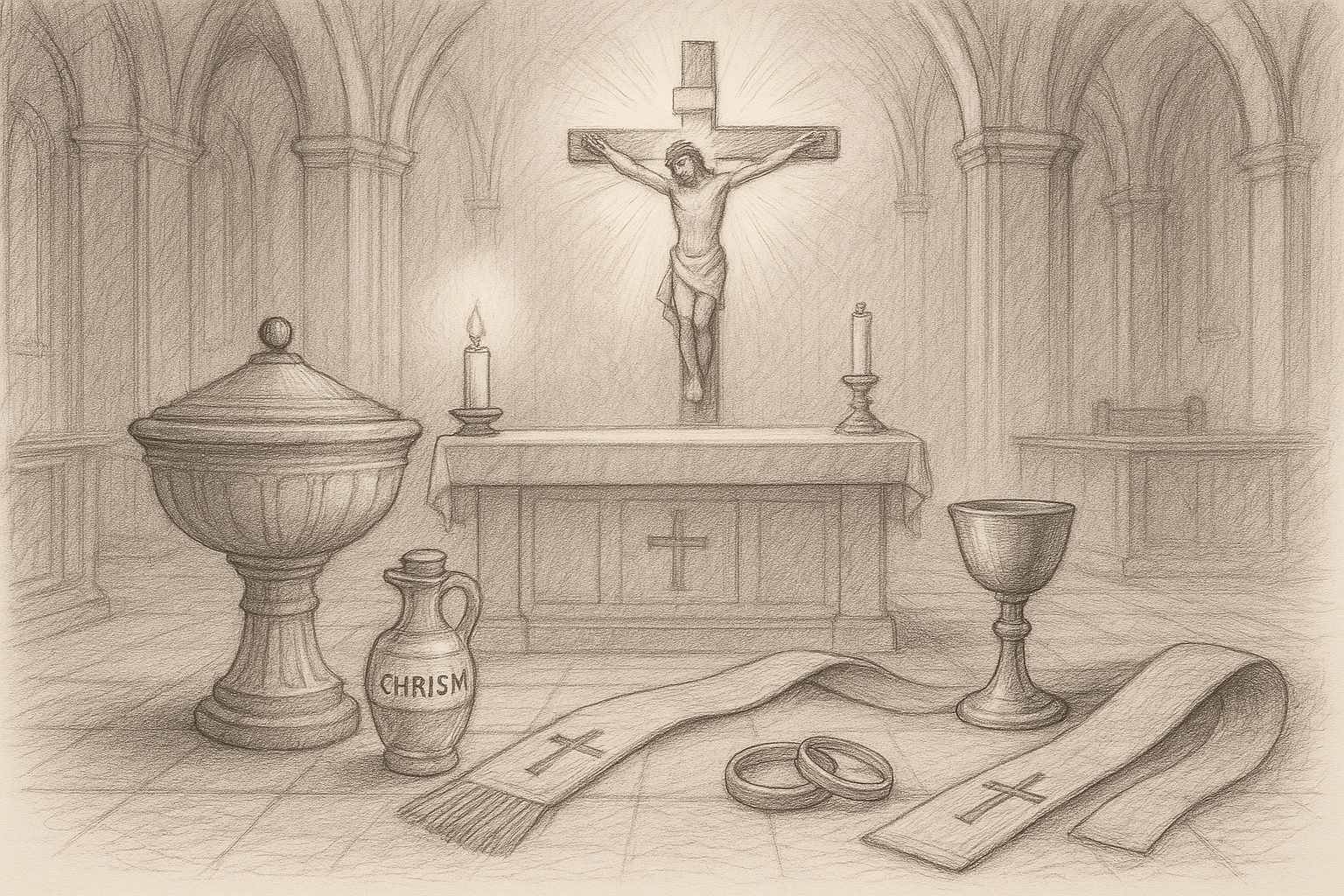
A frequent question is sincere enough: if God already knows everything, why confess to a priest? Catholics would answer that God, in His mercy, often chooses to heal us through visible means. He does this throughout salvation history. He uses water in Baptism, bread and wine in the Eucharist, oil in Anointing, and words spoken by human lips in Absolution. The priest does not replace divine forgiveness. He is the instrument through which Christ ordinarily gives it.
This also protects us from self deception. It is easy to excuse our sins in private prayer or blur them into vague regret. Speaking them clearly before God and His minister helps us face the truth without despair. A good Confession is not a courtroom drama. It is an encounter with truth and mercy together. The priest listens not as a gossip or an inquisitor but as a shepherd bound by the seal of Confession and charged to help the penitent return to grace.
There is also wisdom in the Church's insistence on the sacrament. Human beings need more than inward intention. We need embodied acts of repentance. We need to hear that our sins are forgiven, not merely hope they are. The absolution given in Confession does that. It gives the soul something objective to cling to when feelings are weak or unstable.
What actually happens in the sacrament
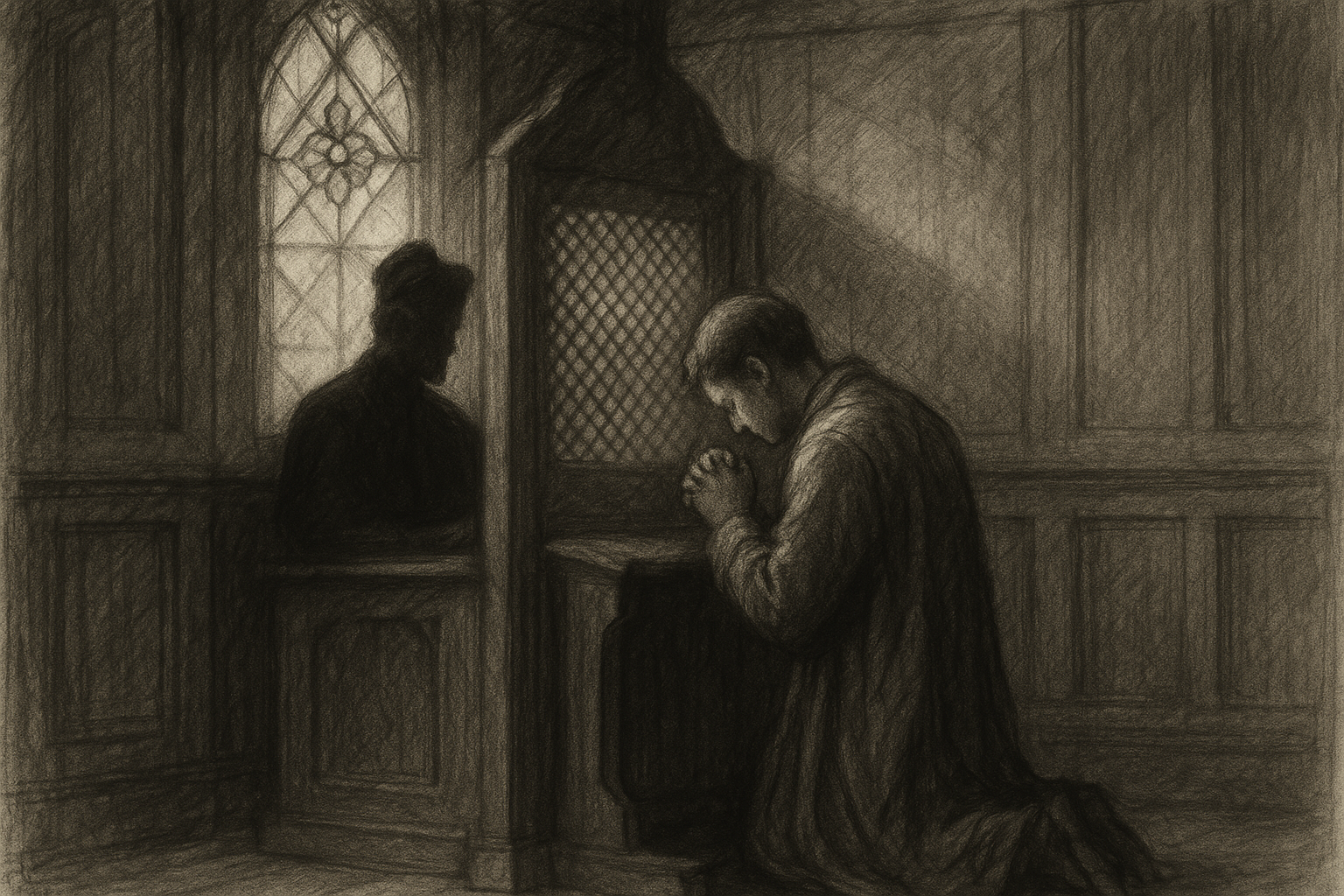
For those who have been away from Confession, the process is often simpler than they fear. A Catholic enters the confessional or reconciliation room, begins with the sign of the cross, and confesses sins honestly and briefly. The priest may offer counsel or ask clarifying questions if necessary. The penitent then prays an act of contrition, expressing sorrow for sin and a desire to change. The priest extends absolution, and the sacrament is complete.
The essential elements are straightforward:
- Examination of conscience
- Contrition for sins
- Confession of serious sins by kind and number, when remembered
- Absolution given by the priest
- Penance as a sign of repair and amendment
It is worth saying that Confession is not intended to be a spiritual therapy session, though it can bring peace and clarity. Nor is it a mechanical transaction. The sacrament requires sincerity. True repentance means we do not treat forgiveness as permission to remain unchanged. We ask for grace to turn away from sin and toward Christ.
The biblical shape of repentance
The Psalms are full of the language of confession and mercy. David does not hide his sin. He says, My sin is always before me. He also pleads, A clean heart create for me. The biblical pattern is not denial but humble truthfulness before God.
In the New Testament, repentance remains central to the Christian life. Saint John writes that if we confess our sins, God is faithful and just to forgive us and cleanse us from all unrighteousness. Catholics take that promise seriously because the Lord does. Confession is one of the ordinary ways that promise becomes concrete for believers.
That concreteness is important in ordinary Catholic life. Families are strengthened when parents go to Confession and teach their children that mercy is real. Marriages are steadied when spouses learn to admit fault rather than defend themselves endlessly. Parish life becomes healthier when Catholics approach conversion not as a one time event but as a habit of grace.
Common concerns and honest answers
Some worry that confessing to a priest feels too exposing. In truth, the sacrament is designed to protect rather than shame. The Church binds priests to the sacramental seal absolutely. Nothing said in Confession may be revealed. That seal is one reason many Catholics speak with unusual freedom in the confessional. They can tell the truth without fear of public exposure.
Others ask whether Confession encourages repeated sin by making forgiveness too easy. The opposite is more accurate. Regular Confession tends to weaken the habits that keep sin alive. It clarifies patterns, sharpens conscience, and gives grace for real change. The sacrament is merciful, but mercy is not permissive. Christ forgives in order to heal.
Still others think private prayer should be enough. Private prayer is indispensable, but the sacraments are not interchangeable with interior intention. If Christ gave the apostles authority to forgive sins, the Church should not quietly set that gift aside. To receive Confession is to receive what the Lord provided, not merely what we prefer.
How often should Catholics go
At minimum, Catholics must confess serious sin before receiving Holy Communion if they are aware of having committed it. Beyond that obligation, many Catholics benefit from monthly or seasonal Confession. The point is not to chase a quota. The point is to remain responsive to grace. A steady rhythm of Confession can become one of the most practical supports for a serious Catholic life.
What if I forget a sin
If a sin is sincerely forgotten, it is forgiven in the sacrament. If it is remembered later, it should be mentioned in the next Confession. The Church is realistic about human memory. God is not waiting to trap the penitent. He is inviting honest repentance and trust.
In the end, Confession to a priest explained in Catholic terms is simpler than many expect and deeper than many imagine. It is Christ meeting a sinner through His Church, telling the truth about sin, and giving a real share in His mercy. That is why the confessional, though quiet and hidden, remains one of the most hopeful places in Catholic life. There, in words spoken softly and heard with reverence, the Lord still says to His people: do not be afraid to come home.
Keep Reading on Lets Read The Bible
Frequently Asked Questions
Why do Catholics confess sins to a priest instead of only praying privately?
Catholics confess to a priest because Christ gave the apostles authority to forgive sins and the Church continues that ministry sacramentally. Private prayer is essential, but Confession adds a visible, objective encounter with Christ's mercy through the Church.
Is Confession only for mortal sins?
Confession is required before Holy Communion when a Catholic is conscious of mortal sin. It is also strongly recommended for venial sins, since regular Confession helps form the conscience and strengthens the soul against future sin.
What should I do if I am nervous about Confession?
Start simply. Examine your conscience, confess honestly, and trust the priest to guide the sacrament. Priests hear confessions regularly, and the seal of Confession protects everything you say.