Social Teaching
Opening the Door Wider: Catholic Hospitality for the Vulnerable
Catholic social teaching calls us to welcome persons in need with reverence, prudence, and real help.
Site Admin | October 6, 2025 | 74 views
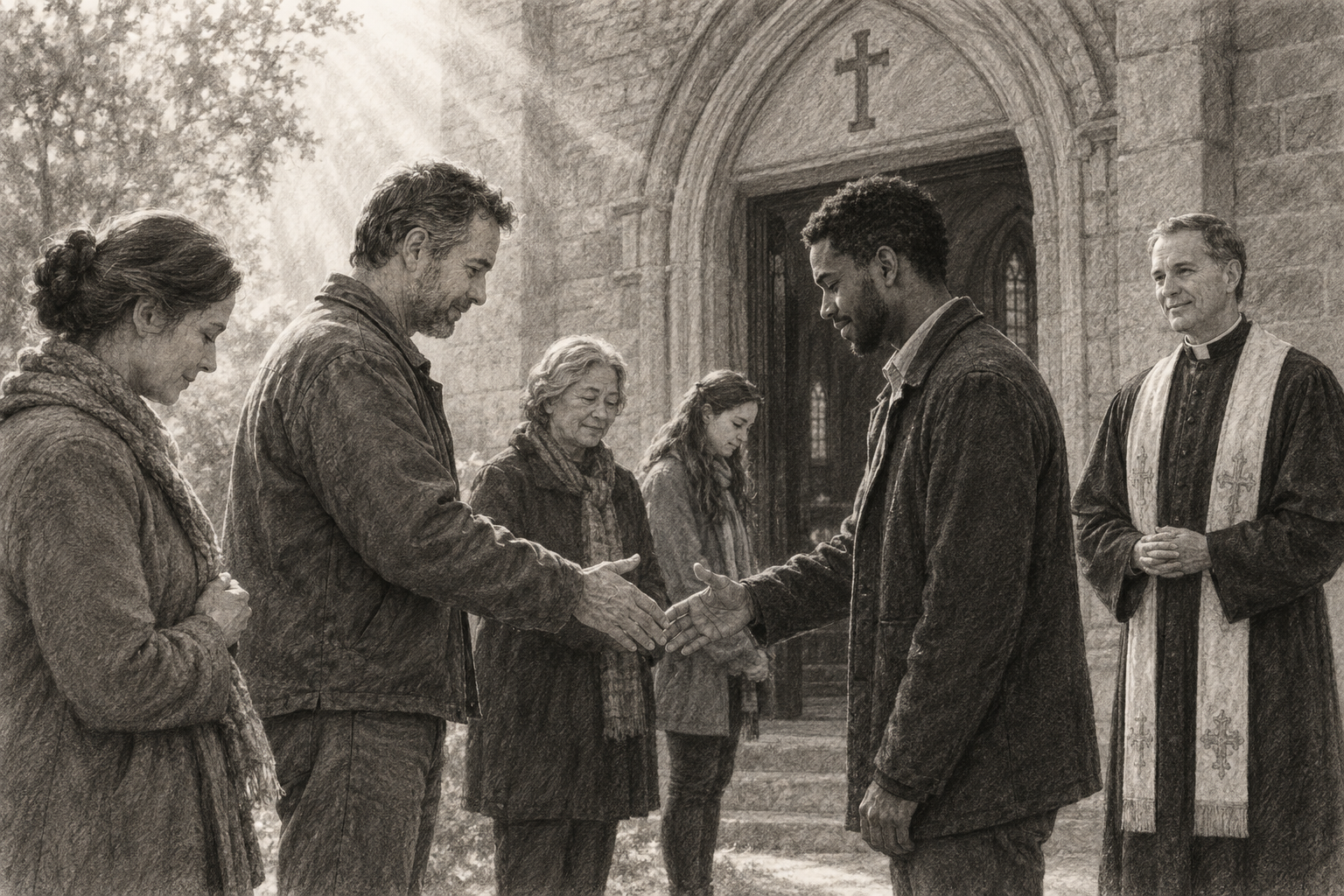
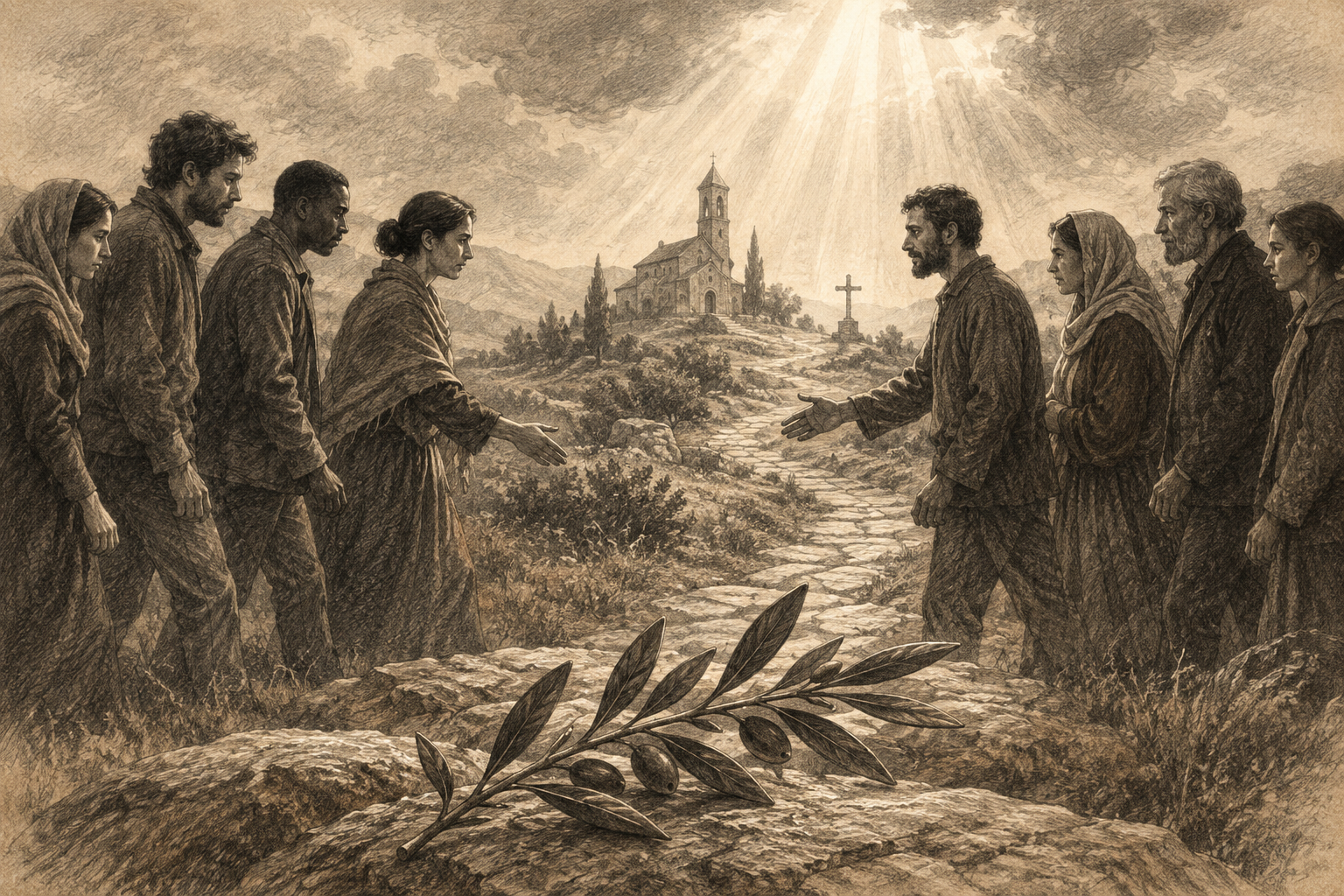
In Catholic life, hospitality is never just about a tidy home, a warm meal, or polite conversation. Those things can be beautiful, but the Church asks something deeper of us. Hospitality toward the vulnerable Catholic teaching is rooted in the conviction that every human person bears the image of God and therefore deserves to be received with reverence, patience, and practical care.
This matters because vulnerability takes many forms. A family displaced by disaster, a mother carrying heavy burdens, an older neighbor who is isolated, a person with a disability, a refugee far from home, a man returning from prison, or a child growing up amid instability may all need more than sympathy. They need to be noticed, welcomed, and helped in ways that protect their dignity rather than diminish it.
Scripture repeatedly places hospitality near the heart of faithful life. Abraham welcomed mysterious guests and found himself in the presence of God's promise [[VERSE|genesis|18|1-8|Genesis 18:1-8]]. The people of Israel were reminded not to forget the stranger, because they themselves had known what it meant to live as aliens and sojourners [[VERSE|deuteronomy|10|18-19|Deuteronomy 10:18-19]]. In the New Testament, Christ identifies himself with those who are hungry, thirsty, naked, sick, and imprisoned [[VERSE|matthew|25|35-40|Matthew 25:35-40]]. The pattern is clear: hospitality is not an accessory to faith. It is one of its visible signs.
Hospitality begins with a Catholic view of the human person
Catholic social teaching begins with the truth that the human person is not a tool, a burden, or a category. Each person is made for communion with God and others. From that starting point, hospitality becomes more than kindness. It becomes a duty shaped by justice and mercy.
This is why the Church speaks so often about human dignity. When we welcome someone who is vulnerable, we are not performing a favor for someone inferior. We are recognizing a brother or sister who already has worth before God. That recognition should shape the way we speak, listen, invite, and serve. A person in need is not a project. A person in need is a neighbor.
That principle also guards us from a sentimental view of charity. Real hospitality does not reduce people to inspiring stories or short-term acts of generosity. It respects freedom, protects privacy, and considers what will truly help. In Catholic life, mercy is not weakness. It is love that takes another person seriously.
Christ teaches us to receive the hidden guest
When Jesus tells the disciples that whatever they do for the least of his brethren they do for him, he reveals something extraordinary about mercy Matthew 25:40. The vulnerable are not only recipients of our help. In a mysterious way, they are bearers of Christ's presence. This does not mean every need can be solved immediately or every request can be met without discernment. It does mean that the weak have a claim on our attention that cannot be shrugged off.
The Lord also gives hospitality a sacramental quality by entering human life in poverty. He is born in humility, receives refuge in Egypt, and lives without worldly security. The Son of God does not wait for people to become impressive before drawing near to them. He comes near to the lowly. For Catholics, that shapes our homes, our parishes, and our public witness.
Hospitality toward the vulnerable is therefore not only about opening a literal door. It is about making room in the heart. It means refusing the instinct to protect our comfort first. It means allowing interruption. It means seeing a person before seeing inconvenience.
The works of mercy give hospitality practical form
The corporal and spiritual works of mercy are one of the Church's most useful guides for thinking about hospitality. They turn compassion into action. To feed the hungry, shelter the homeless, visit the sick, comfort the sorrowful, and bury the dead are not abstract ideals. They are concrete ways of making room for human need.
These works show that hospitality is not limited to entertaining guests we already know and enjoy. It extends to those who may arrive unexpectedly, awkwardly, or in pain. Sometimes hospitality looks like a meal. Sometimes it looks like transportation to an appointment. Sometimes it looks like listening without rushing. Sometimes it is helping a person find housing, legal aid, counseling, or a safe community.
The spiritual works of mercy matter as well. To instruct the ignorant, advise the doubtful, bear wrongs patiently, and comfort the afflicted can all be forms of hospitality. A vulnerable person is often carrying confusion, shame, or fear. Patient words can make room for peace where there was none. Catholic hospitality is not merely material generosity. It is also the generosity of time, attention, and truth.
Simple examples of faithful hospitality
- Inviting a lonely neighbor to a meal and treating them as a guest, not a problem.
- Helping a pregnant woman or new mother with practical needs such as meals, rides, or child care.
- Welcoming a parishioner with disability access needs without embarrassment or fuss.
- Checking on elderly neighbors who may lack family support.
- Supporting migrants or refugees with dignity, clear information, and patience.
Hospitality requires prudence as well as generosity
Catholic teaching does not confuse hospitality with carelessness. Love of neighbor includes wisdom. A person can desire to help and still need boundaries, accountability, and discernment. This is especially important when vulnerability is mixed with crisis, instability, or risk.
For example, welcoming someone into your home may not always be the safest or most appropriate response. In some situations, the more faithful act is to connect a person to a parish ministry, shelter, counselor, or professional resource. Prudence does not cancel charity. It helps charity become effective.
The Church also recognizes the importance of ordered responsibilities. Families have obligations to one another. Parishes have their own capacities and limits. Civic institutions have duties that private households cannot carry alone. Catholic hospitality should not become an excuse for neglecting broader social responsibility. The vulnerable need both personal generosity and just structures that protect their dignity.
This balance matters because some forms of need are chronic, not temporary. A person may need repeated support, not a one-time gesture. Catholic hospitality should be ready for long hauls. It should be willing to cooperate with parish ministries, local charities, and public services when those can provide stable help. Mercy grows stronger when it is paired with realism.
Parishes can be places where the vulnerable are known by name
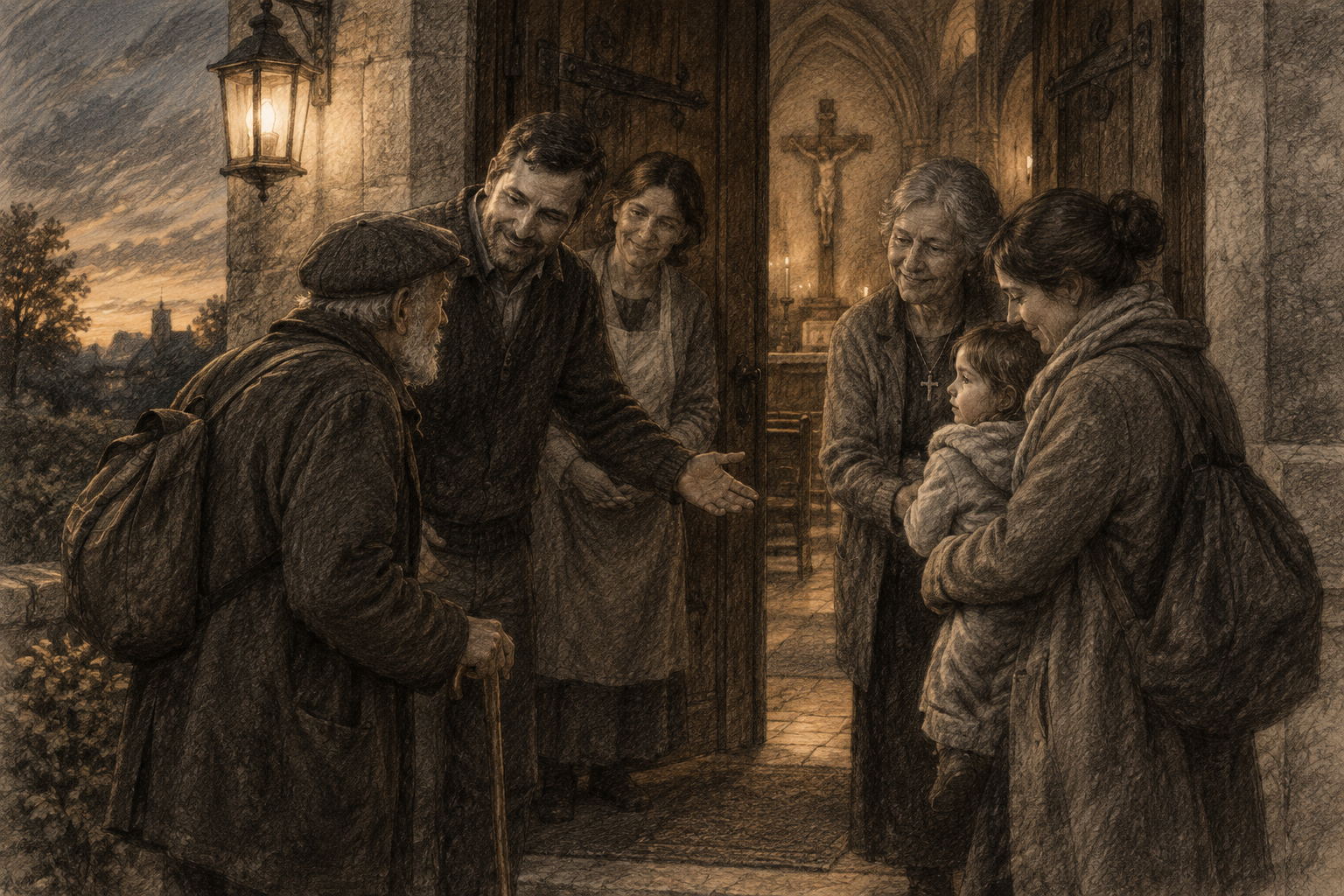
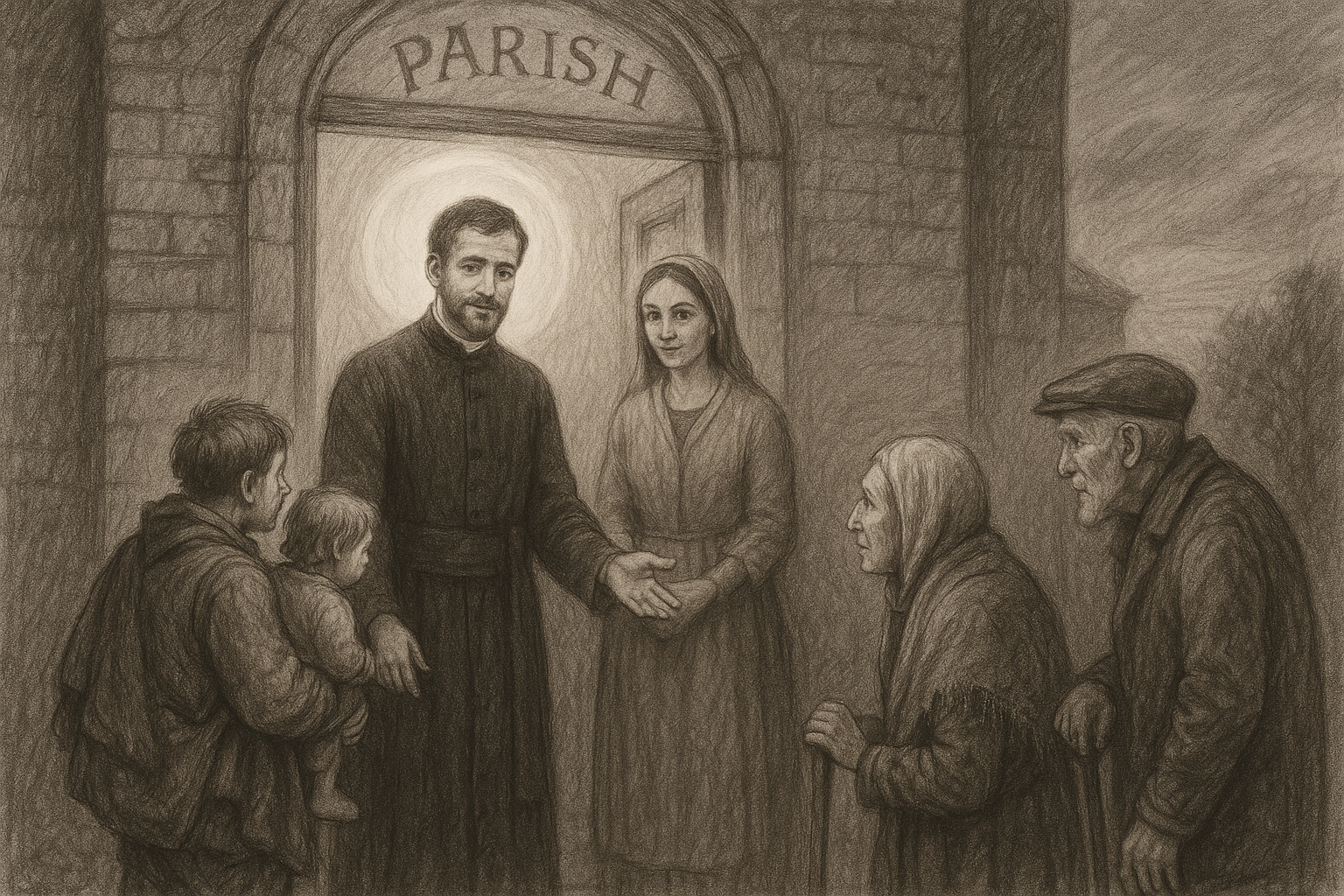
Parishes have a special role in making hospitality visible. A parish is not only a place to attend Mass. It can become a household of faith where people are remembered, welcomed, and accompanied. This is especially important for those who often feel invisible in ordinary life.
That welcome begins with ordinary habits. Are visitors greeted? Are newcomers introduced to others? Are people with disabilities able to participate fully? Are those who arrive late, dressed poorly, anxious, or accompanied by small children treated with patience? These are not small questions. They reveal whether a community truly believes what it professes about human dignity.
A parish that practices hospitality toward the vulnerable also pays attention to those who may be easy to overlook. The person sleeping in a car, the widower who no longer knows whom to call, the single parent who is embarrassed to ask for help, the teenager struggling with family chaos, the elder who cannot drive, the migrant who does not know the language, the person who fears being judged because of past mistakes. Each of them deserves more than passing notice.
In this sense, hospitality is not a side ministry. It is part of the Church's self-understanding. A parish that welcomes the vulnerable becomes more like the Body of Christ, where weaker members are not hidden but honored [[VERSE|1-corinthians|12|22-26|1 Corinthians 12:22-26]].
The vulnerable also teach the rest of us how to receive
Hospitality is often described as something the strong do for the weak, but that is only part of the story. The vulnerable can also teach the rest of us how to receive grace. They remind us that we are not self-sufficient. We all live by gift. We all depend on mercy.
When a person accepts help humbly, names a need honestly, or trusts another enough to ask for support, that too can be an act of courage. It breaks the illusion that holiness means independence. In the Church, needing others is not a failure of dignity. It is one of the ways human dignity is lived out.
For this reason, Catholics should be careful not to romanticize poverty or suffering, but neither should we presume that those in need have nothing to offer. The poor, the lonely, the sick, and the displaced often see life with a clarity that comfort can blur. Their presence can soften pride in the rest of us. Their witness can teach gratitude, patience, and dependence on God.
Hospitality in daily life is usually small and steady
Most Catholic hospitality will not be dramatic. It will look ordinary. A phone call returned. A meal dropped off. A seat made available. A child included. A name remembered. A person listened to without hurry. These gestures may seem small, but they are often what vulnerable people experience as the first sign that they are not alone.
Such habits are worth cultivating because they train the heart. A person who learns to welcome the vulnerable in daily life becomes less likely to harden into indifference. The home, the parish, and the workplace can all become places where mercy is practiced in little ways that accumulate over time.
At the same time, Catholic hospitality should be free of self-congratulation. Jesus warns against giving in order to be seen [[VERSE|matthew|6|1-4|Matthew 6:1-4]]. The point is not to build an image of kindness. The point is to love in truth. Sometimes the best hospitality is quiet, unnoticed, and sustained.
That quiet fidelity can change lives. It can help someone keep going one more day, one more week, one more season. It can show a person that the Church is not only a place of teaching, but also a place of shelter. In a culture that often prizes strength, efficiency, and polished appearance, hospitality toward the vulnerable is a gentle but firm witness that the weak are not expendable. They are cherished by God, and therefore they must be cherished by us.
Keep Reading on Lets Read The Bible
Frequently Asked Questions
What does hospitality toward the vulnerable mean in Catholic teaching?
It means receiving and serving those in need with reverence for their dignity, while also offering practical help, patience, and prudent care. It is rooted in the Church's belief that every person bears the image of God.
Is Catholic hospitality only about inviting people into your home?
No. Home hospitality is important, but Catholic hospitality also includes parish welcome, works of mercy, accompaniment, listening, and helping people access needed support and resources.
How can Catholics practice hospitality without being naive?
By combining generosity with prudence. Not every need is met in the same way, and not every situation calls for the same response. Sometimes direct aid is best, and sometimes connecting someone to a parish or professional resource is the wiser form of help.