Catholic Living
When Anger Becomes a Teacher in the Catholic Moral Life
Anger is not always a sin, but it does reveal something important about the heart.
Site Admin | August 4, 2025 | 65 views
Anger is one of those human experiences that almost everyone knows from the inside. It can rise quickly, tighten the chest, sharpen the voice, and make prayer feel difficult. It can arrive after an insult, a disappointment, a betrayal, or the slow weariness of being misunderstood. For many people, anger feels embarrassing. For others, it feels justified. In either case, anger and Catholic life belong together because the moral life is not lived by angels, but by wounded human beings who need grace.
The Church does not treat anger as something unreal or unimportant. She treats it as morally serious because it touches charity, justice, self control, and the truth about the human heart. Anger can be sinful when it turns violent, cruel, contemptuous, or deliberate. But anger can also be a signal that something is wrong and should not be ignored. The challenge is not to pretend we never feel anger. The challenge is to learn what to do with it before it does damage.
Anger is a real moral issue
Scripture speaks plainly about anger because the Bible knows how quickly it can ruin a soul and a community. Saint Paul warns, Be angry but do not sin, and in the same breath tells believers not to let the sun go down on their anger. That is not a permission slip for rage. It is a reminder that anger must be handled promptly, honestly, and under the light of God.
Jesus goes even deeper. In the Sermon on the Mount, He links murder not only to the act itself, but to the interior movements that can lead there: insult, contempt, and hatred 22|You have heard that it was said to the ancients. The Lord does not flatten the distinction between feeling angry and choosing evil, but He does show that the heart matters before the hand moves. Catholic moral teaching takes that seriously. Sin is not only about what we do outwardly. It is also about what we consent to inwardly.
That is why anger deserves examination. Some anger is reactive and passes quickly. Some anger is rooted in pride, envy, or the desire to dominate. Some anger is tied to injustice and can even help us recognize wrongdoing. The emotion itself is not the whole moral story. What matters is what we nourish, what we consent to, and what we let anger become.
The difference between passion and sin
To understand anger well, it helps to distinguish the passion from the moral act. A passion is a movement of the sensitive appetite. In ordinary terms, it is part of being human. Feeling anger does not automatically mean a person has sinned. A parent may feel anger when a child is harmed. A worker may feel anger when treated unfairly. A Christian may feel anger at blasphemy, cruelty, or betrayal. These reactions can arise before we have time to analyze them.
Sin enters when anger is embraced in a disordered way. We sin when we choose to nurse resentment, fantasize about revenge, humiliate others, speak with malice, or refuse mercy. We sin when anger becomes a habit that shapes how we live. We also sin when we deny reality and use false calm to avoid confronting a serious wrong. In other words, the moral problem is not merely being emotional. The problem is whether anger is governed by reason and charity.
Saint Thomas Aquinas, following the broader Catholic tradition, recognized that passions can be used well when they serve the good. Anger can support justice when it rises against evil and seeks rightful correction. But it becomes vicious when it exceeds measure or moves against the wrong person, for the wrong reason, or in the wrong way. That is a sober and useful standard for daily life: does my anger seek healing and justice, or does it seek to wound?
When anger helps and when it harms
Anger can be a kind of alarm. It may tell us that a boundary has been crossed, a duty neglected, or a truth denied. A person who never feels anger may not be especially holy. He may simply be numb, afraid, or detached. The saints were not indifferent to evil. They loved God and neighbor enough to grieve sin and oppose injustice. Yet the saints also show us that holy zeal is not the same as uncontrolled anger.
Anger helps when it leads to honest speech, prudent correction, and a stronger commitment to justice. For example, a person may become angry after being lied to. That anger can prompt a necessary conversation, a boundary, or a correction in conduct. A person may become angry at a social evil. That anger can move him toward service, advocacy, or prayer. In these cases, anger is not the master. It is a signal.
Anger harms when it becomes the lens through which everything is interpreted. Then every comment sounds like an attack, every inconvenience feels like disrespect, and every disagreement becomes personal warfare. The angry heart often becomes self justifying. It remembers slights and forgets mercies. It prefers winning to understanding. It may even dress itself up as zeal while secretly feeding pride.
There is a difference between being hurt and being hardened. Grace can teach us to name the wound without letting the wound rule us.
How anger distorts charity
Charity is not sentimental softness. It is the love that seeks the true good of the other in God. Anger becomes spiritually dangerous when it cuts against charity. The result may be harsh speech, sarcasm, contempt, gossip, silent punishment, or the cold pleasure of seeing another person reduced. These habits do real damage because they train the heart to enjoy division.
Sometimes anger hides beneath a surface of righteousness. We tell ourselves we are only defending truth, when in fact we are indulging a desire to belittle. We say we are correcting, when we are actually punishing. We claim we are simply being honest, when we are unwilling to govern our tone. This is one reason why anger and Catholic life must be considered together. The moral life is not only about correct principles. It is about whether those principles are lived in the spirit of Christ.
Jesus was not soft on sin, but He was always holy in His manner. He could rebuke, weep, cleanse the temple, and still remain perfectly united to the Father. We, by contrast, can easily confuse our woundedness with righteousness. That is why discernment is essential. A hard truth may need to be spoken, but it should be spoken as a work of mercy, not as a weapon.
Practical steps for repentance and healing
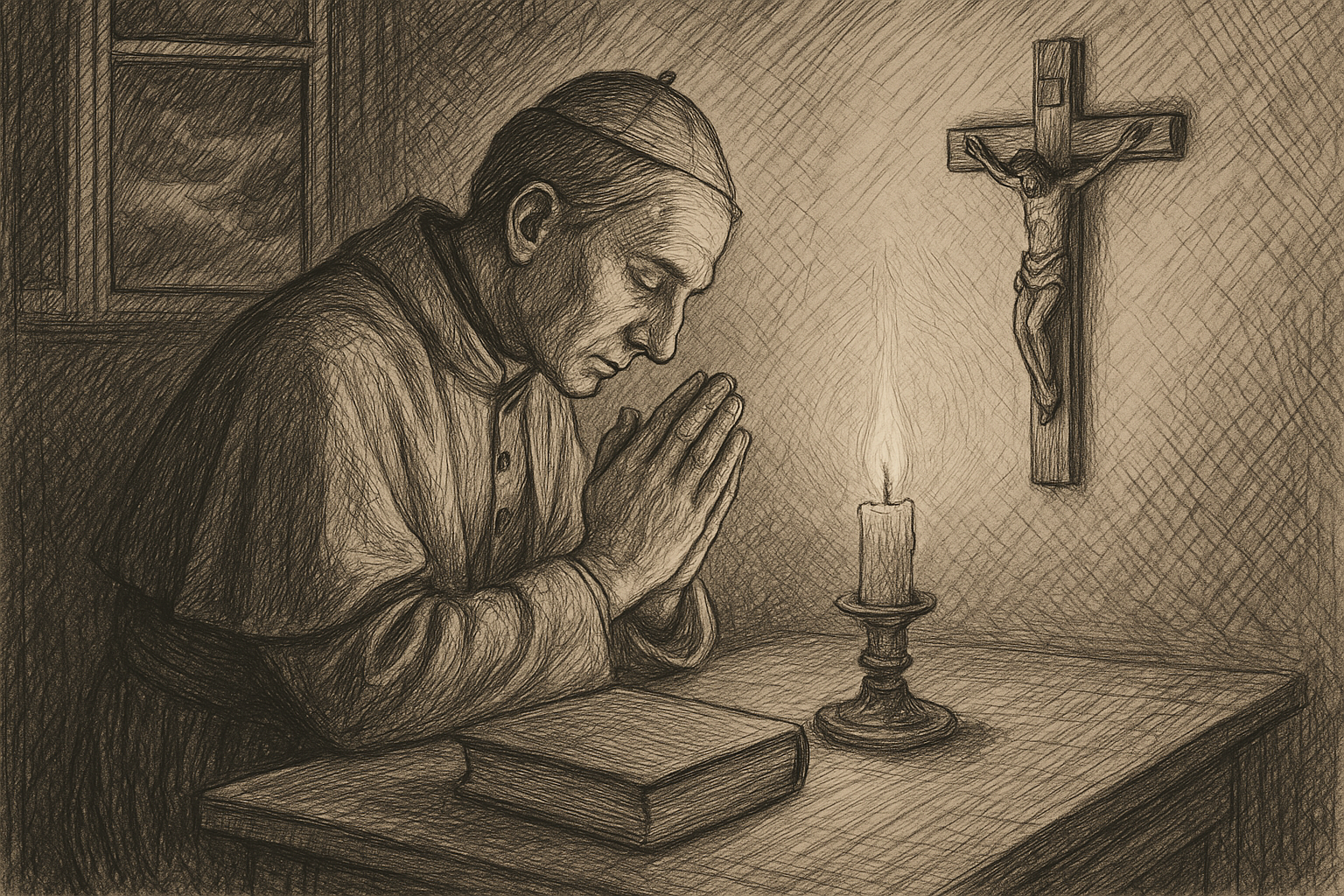
When anger has become habitual or destructive, the first step is not self hatred. It is honesty. Bring the anger into prayer. Tell God exactly what happened and exactly what you feel. The Psalms are full of this kind of prayer. They do not sanitize the human heart. They place it before the Lord. A person who can pray truthfully has already begun to change.
Then ask a few direct questions:
- What am I protecting right now?
- What am I afraid of losing?
- Is my anger directed at the real issue, or at a safer target?
- Have I confused firmness with aggression?
- Have I let resentment grow because I did not want to forgive?
These questions can uncover the deeper roots of anger. Sometimes the surface event is small, but it touches an old hurt. Sometimes anger is fed by fatigue, hunger, stress, or loneliness. Sometimes it is a sign that a relationship needs truth spoken clearly. Naming the cause is part of healing.
Sacramental life matters here. Confession is a place where anger can be named without disguise. It is not only for dramatic sins. It is also for the ordinary ways we fail in charity, patience, and restraint. A person may confess a sharp tongue, contempt, hatred, nursing resentment, or the refusal to forgive. In the sacrament, Christ does not merely pardon. He begins to re order the soul.
It also helps to make concrete acts of repair. If anger led to harsh words, apologize plainly. If it led to gossip, correct the harm where possible. If it led to a broken relationship, take the first humble step toward peace. Not every relationship can be fully restored on our schedule, but repentance should become visible. Grace is not imaginary. It touches actual speech, actual choices, and actual habits.
Growing in virtue rather than just managing symptoms
Many people try to control anger only by willpower. That can help for a time, but virtue asks for more. Christian growth means allowing grace to reshape what we love and how we respond. Temperance helps us restrain impulsive reactions. Prudence helps us judge whether a situation truly calls for correction. Justice helps us give others what is due. Fortitude helps us endure without exploding. Charity teaches us to seek the good of the other even when we are wounded.
Daily habits can support this growth. A short pause before responding in a tense moment can prevent serious harm. A quiet prayer such as,
Keep Reading on Lets Read The Bible
Frequently Asked Questions
Is anger always a sin in Catholic teaching?
No. Feeling anger is not automatically sinful. The moral question is whether the anger is governed by reason and charity, or whether it is nourished into resentment, cruelty, revenge, or contempt.
What should a Catholic do when anger keeps coming back?
Bring it to prayer, examine the deeper cause, receive the sacrament of Reconciliation if needed, and practice concrete acts of restraint, apology, and forgiveness. Repeated anger often needs both grace and habits that support virtue.
How can anger be expressed without sinning?
By speaking truthfully without malice, correcting with patience, avoiding insults, and seeking the real good of the other person. Even when justice requires firmness, charity should shape the manner of speech.