Catholic Living
When Drink Blurs the Soul: Catholic Wisdom on Moderation, Sin, and Recovery
A sober look at how temperance protects freedom, relationships, and the life of grace.
Site Admin | August 9, 2026 | 70 views
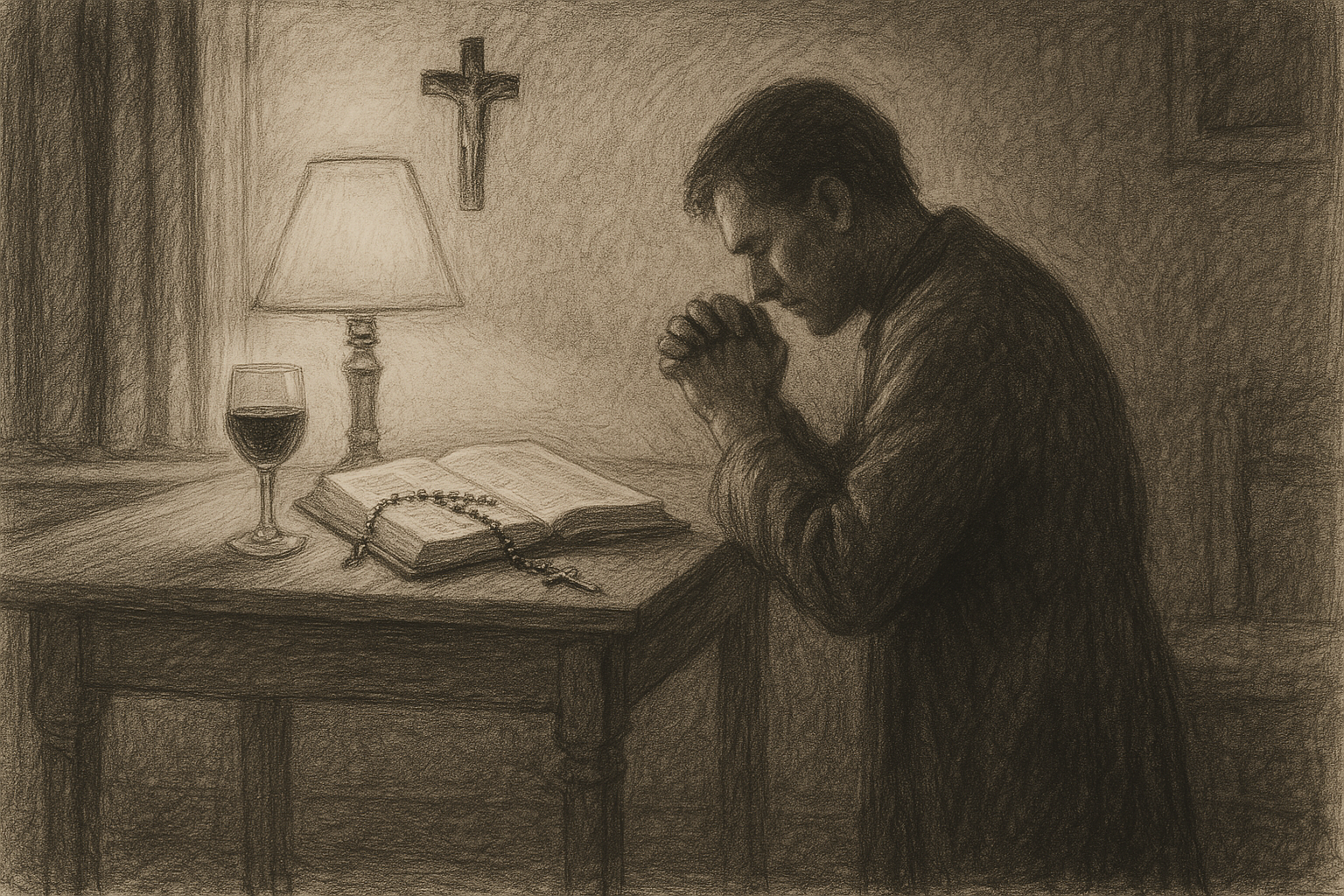
Alcohol is not evil in itself. In Catholic life, a glass shared at a meal or a modest celebration can be part of honest friendship and gratitude. Scripture even speaks of wine as something that can gladden the heart when used well. Yet the Church also warns that when drinking passes into drunkenness, something serious has gone wrong. Reason is clouded, freedom is weakened, and the person risks harm to body, soul, and neighbor. That is why drunkenness and Catholic life cannot be treated as a private habit with no moral weight.
The question is not only how much a person drank, but what drinking did to the soul. Did it lead to surrender of judgment? Did it open the door to violence, impurity, careless speech, neglect of duties, or endangerment of others? Catholic morality takes these matters seriously because the human person is made for communion with God, not for self-forgetting. Temperance does not mean joyless restraint. It means ordered desire, so that pleasures serve love rather than rule it.
What the Church Means by Drunkenness
Drunkenness is the misuse of alcohol to the point that reason is impaired. In moral terms, it becomes sinful when a person freely chooses to drink so much that judgment and self-control are lost. The gravity of the sin depends on circumstances, knowledge, consent, and consequences. A one-time lapse may be different from a settled pattern of intoxication that damages family life, employment, prayer, or safety. Even when culpability is reduced by habit, weakness, or addiction, the disorder itself still matters and calls for care.
The Church's moral concern is not rooted in suspicion of pleasure. It is rooted in a clear view of the human person. God gives reason as a gift. When alcohol is used to dull conscience, escape reality, or make vice easier, it begins to work against that gift. This is why the tradition places drunkenness among sins opposed to temperance. Temperance helps a person use created things rightly, with gratitude and freedom.
"Do not get drunk with wine, for that is debauchery; but be filled with the Spirit" Do not get drunk with wine.
St. Paul does not simply prohibit excess. He contrasts drunkenness with the fullness of the Holy Spirit. That contrast is beautiful and demanding. A Christian life should not be lived in a haze, always seeking the next escape. It should be awake, attentive, and receptive to grace.
Why Drunkenness Matters Morally
Drunkenness matters because it touches several goods at once. First, it wounds personal dignity by reducing the person to appetite. Second, it endangers others, since impaired judgment can lead to reckless driving, harsh words, neglect of children, or sexual sin. Third, it can erode habits of prayer and fidelity, making the heart less ready for God. Fourth, it can form patterns that become hard to break.
The moral life is not only about avoiding dramatic evil. It is also about preserving interior freedom. A person who regularly drinks to excess may begin to depend on alcohol for comfort, confidence, or social ease. Over time, that dependence can shrink the space where grace is welcomed and virtue is practiced. The issue is not simply the drink in the hand, but the attachment in the heart.
There is also a social dimension. Catholics are called to build up one another. In families, friendships, and parish settings, drunkenness can normalize carelessness, pressure others to drink against conscience, or create an atmosphere where sin is minimized. Charity asks us not to treat intoxication as a joke when it has become habitual or harmful.
Temperance as a Virtue of Freedom
Temperance is not mere self-denial. It is the power to desire rightly. A temperate person is not ruled by impulse, shame, or the fear of missing out. He or she can receive good things with thanksgiving and stop at the proper measure. This is true not only with alcohol, but with food, entertainment, speech, money, and many other pleasures.
For Catholics, temperance grows by practice. It is strengthened through ordinary choices such as setting limits, choosing safer environments, and refusing the assumption that every celebration must involve heavy drinking. It is also nourished by prayer, because the person who seeks God learns that happiness is deeper than stimulation.
Drunkenness and Catholic life are therefore best understood in light of freedom. The goal is not rigid fear, but an ordered heart. The soul that can say yes with gratitude and no with peace is more available to love.
Scripture and the Call to Sobriety
Scripture repeatedly links sobriety with spiritual alertness. The Lord warns his disciples to stay awake and pray, because the heart can grow dull when it is weighed down by indulgence. St. Peter similarly urges believers to be sober and watchful, because the enemy seeks to devour. Sobriety here is not only about alcohol. It means clear-minded readiness before God.
"Be sober, be watchful. Your adversary the devil prowls around like a roaring lion" Be sober, be watchful.
The Bible does not present sobriety as a grim aesthetic. It presents it as spiritual realism. A sober person can see temptation more clearly, repent more quickly, and love more steadily. In that sense, sobriety supports the whole Christian life, from prayer in the morning to conscience at night.
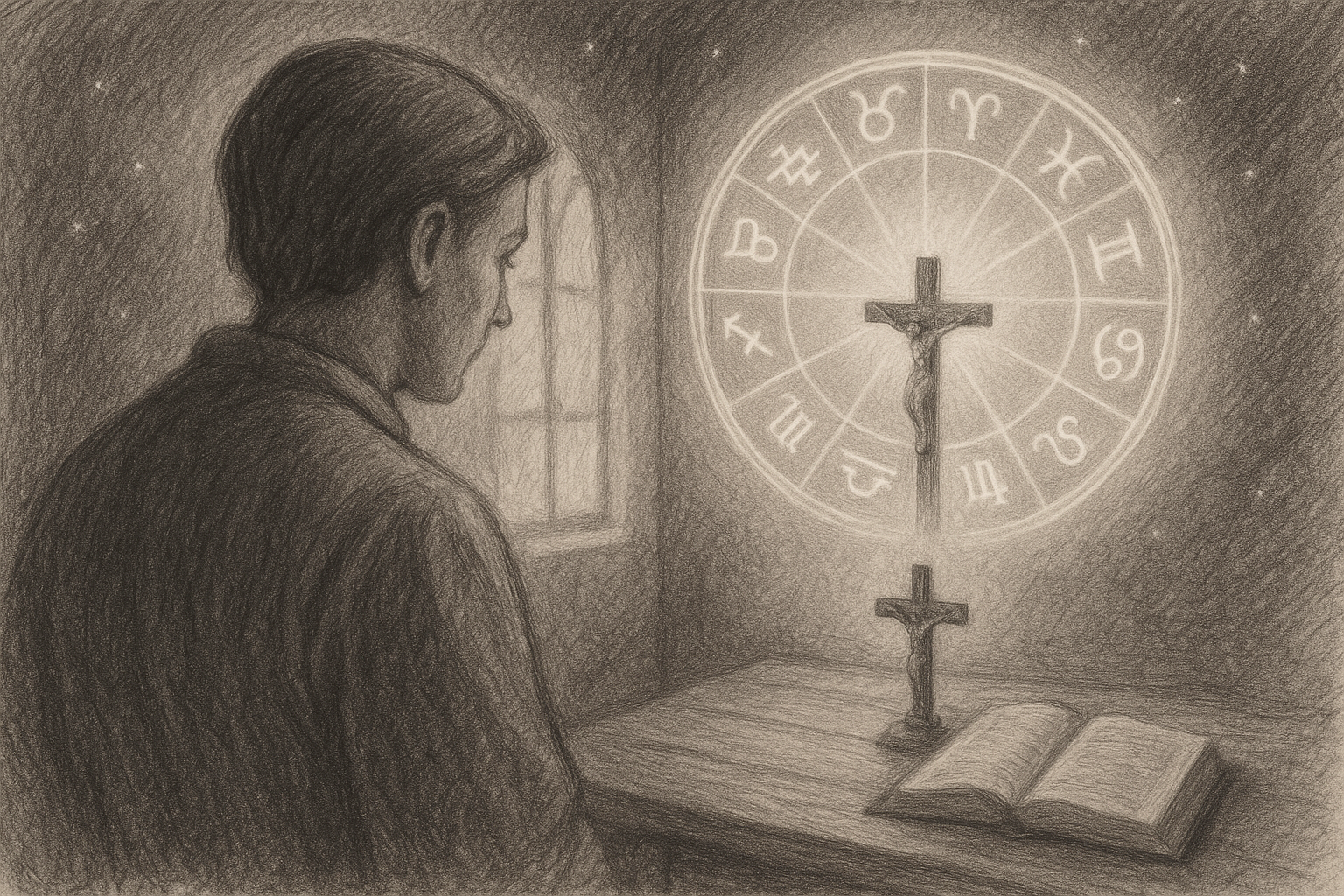
At the same time, Scripture also shows the danger of false confidence. The warning is not only against obvious excess, but against any state of soul that dulls vigilance. Alcohol can become one expression of that dullness when used to avoid sorrow, silence guilt, or replace the hard but healing work of conversion.
When Alcohol Use Becomes a Spiritual Concern
Not every use of alcohol is a sin, and not every poor choice around alcohol is a mortal sin. Catholic moral theology looks at the full moral act. Still, certain signs should not be ignored. A person should take stock if drinking repeatedly leads to loss of control, sinful speech, missed obligations, family conflict, or spiritual dryness. It is also a serious warning sign if alcohol is used to cope with anxiety, grief, loneliness, or anger in a way that gradually becomes necessary.
The presence of addiction changes the picture but does not remove the need for conversion. Addiction can limit freedom, and the Church is compassionate about that. Compassion, however, is not denial. It recognizes that a wound must be named before it can be healed. If alcohol has begun to dominate a life, the proper response is not self-disgust, but honest acknowledgment and a plan of action.
Parents, spouses, and friends may also need wisdom. Sometimes loving someone well means speaking plainly, refusing to cover up destructive behavior, and setting boundaries that protect children and the household. Mercy does not require pretending that repeated intoxication is harmless.
Repentance Begins with Truth
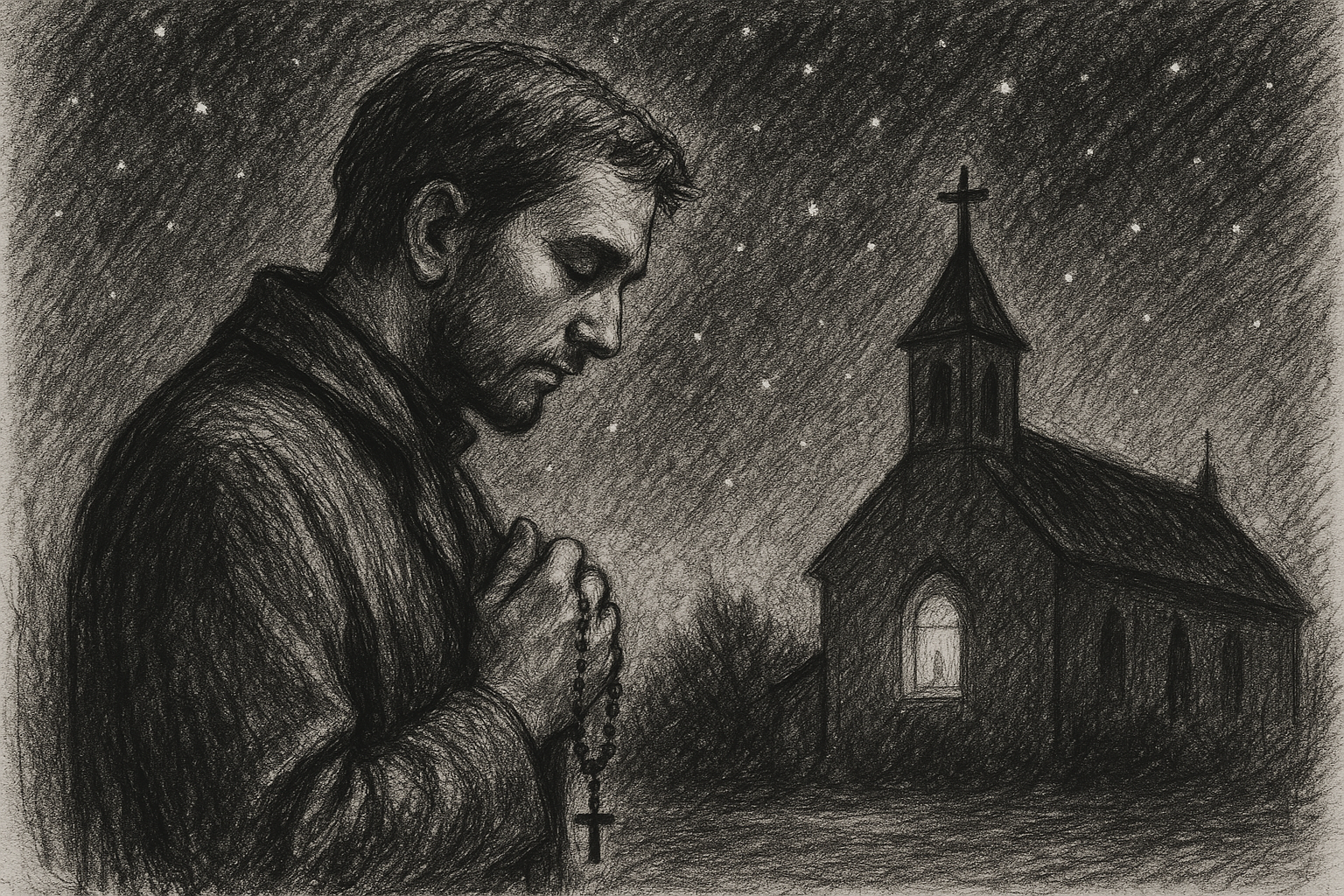
Repentance is the first step toward freedom. It begins with telling the truth before God: I chose too much, I lost control, I harmed myself or others, and I need help. This honesty is not meant to crush the soul. It opens the door to mercy. In confession, sins involving drunkenness can be brought into the light, named without excuses, and entrusted to Christ's forgiveness.
The Sacrament of Reconciliation is especially important when drinking has been linked to other sins. A person may need to confess not only intoxication itself, but also the acts that flowed from it, such as anger, impurity, neglect, or dishonesty. Confession is not a performance. It is a return to the Father.
After confession, real repentance continues in the small decisions that prevent relapse. That may mean avoiding certain settings, removing alcohol from the home, asking a trusted friend for accountability, or seeking counseling or medical support. Grace does not cancel practical responsibility. It makes responsibility fruitful.
Healing Habits That Support a Sober Life
Growth often begins with simple, concrete choices. For some people, healing requires complete abstinence. For others, it may mean careful limits and renewed discipline. Either way, the point is not to prove toughness. The point is to protect the soul and restore peace.
- Examine patterns honestly. Notice when, where, and why drinking becomes excessive.
- Set clear limits. Decide in advance what moderation looks like, and do not improvise once the evening begins.
- Change the context. Avoid situations that reliably lead to excess or pressure to drink beyond reason.
- Pray before social events. A simple prayer can help place the evening under God's care.
- Confess regularly. Frequent confession strengthens humility and interrupts rationalization.
- Seek support when needed. Counselors, physicians, pastors, and recovery groups can all be part of the path to healing.
It can also help to ask whether drinking is masking something deeper. Many people reach for alcohol when they are lonely, stressed, ashamed, or exhausted. Naming the deeper wound is often the beginning of real healing. The Christian life does not ask a person to pretend pain is not there. It asks the person to bring pain to Christ instead of numbing it.
How Catholics Can Encourage One Another
Catholic communities should be places where joy and self-mastery coexist. That means avoiding both prudish suspicion and casual permissiveness. Hosts can be generous without encouraging excess. Friends can celebrate without pressuring anyone to drink. Families can teach children early that alcohol is a created good that can be misused.
It also means learning how to speak with tenderness when a pattern of drunkenness appears. Accusation alone rarely helps. Clear concern, specific examples, and practical assistance are more likely to bear fruit. Sometimes the most loving sentence is simple: I am worried about you, and I do not think this is safe anymore.
The virtue needed here is not only temperance but also hope. Change can be slow, and relapses can happen. Yet no habit is stronger than the mercy of God. The Lord can restore a bruised conscience, a strained marriage, and a restless heart. What is asked of the believer is willingness: willingness to tell the truth, to ask for help, and to begin again.
In that sense, sobriety becomes more than a rule. It becomes a sign of trust. The Christian who learns to drink less, or not at all, for the sake of charity and peace is not missing out on life. He or she is making room for a richer gift, one that does not fade with the last sip.
Keep Reading on Lets Read The Bible
Frequently Asked Questions
Is drunkenness always a mortal sin in Catholic teaching?
Not always. The moral seriousness depends on knowledge, freedom, amount, and the harm caused. Deliberately drinking to the point of losing reason is sinful, and in some cases it can be grave matter, but culpability may be affected by habit, addiction, or diminished consent.
Can Catholics drink alcohol at all?
Yes. The Church does not forbid moderate use of alcohol. What Catholic teaching rejects is abuse, excess, and any pattern of drinking that harms the person or others.
What should I do if I think I drink too much?
Begin with honesty before God, then consider confession, practical limits, and support from a trusted priest, counselor, physician, or recovery group. If alcohol is controlling your life, seeking help is a sign of wisdom, not failure.