Marian Devotion
Mary Called Mother of God: What the Church Means and Why It Matters in Prayer
A clear Catholic reading of one of the oldest Marian titles in the Church, rooted in Christ and opened by prayer.
Site Admin | April 7, 2026 | 73 views
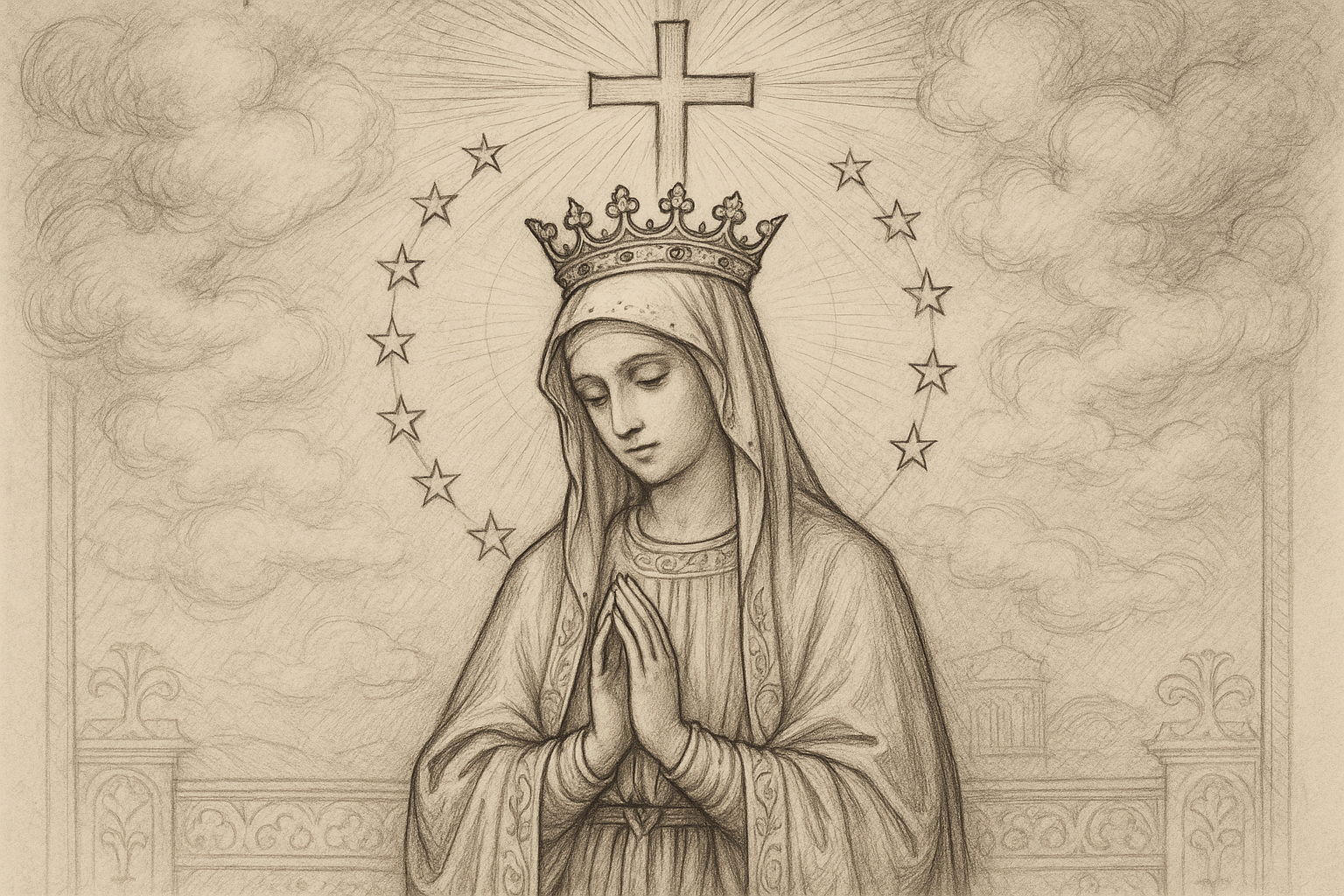
Among the titles given to the Blessed Virgin Mary, few are more misunderstood, and few are more important, than Mother of God. For many Catholics, the phrase is familiar from prayer and doctrine, yet it can still sound puzzling at first hearing. How can Mary be the Mother of God if God is eternal and without origin? The answer is simple in one sense and profound in another: Mary is Mother of God because the Child she conceived and bore is not a mere prophet or holy man, but Jesus Christ, truly God and truly man.
This is why the Church guards the title so carefully. It is not a sentimental flourish or an exaggerated compliment to Mary. It is a confession about Jesus. To say that Mary is Mother of God is to say that the One she gave birth to is one divine Person, the eternal Son of the Father, who entered human history in the flesh. The title reaches into the heart of Christian belief, where devotion, doctrine, and Scripture meet.
The title begins with Christ, not with sentiment
Catholic teaching always begins with the identity of Christ. The Son of God did not merely come near to humanity. He became man. As the Gospel of John says, the Word became flesh. The eternal Word assumed a true human nature in the womb of Mary. He did not appear as man while remaining untouched by human life. He was conceived, carried, and born as any real child is born, though without sin.
That is why the Church speaks of Mary as Mother of God. She is mother not of the divine nature considered in isolation, as though divinity itself could begin or be contained, but mother of the Person who is God the Son. The child in her arms is one person with two natures, divine and human. This is the heart of the Church's Christology, and it protects the truth that the Savior is not divided into two separate beings, one human and one divine, but is one Lord Jesus Christ.
The title also echoes the wonder of the Incarnation. The eternal Son did not save us from a distance. He entered our condition through a real mother. In that hidden and holy yes of Mary, God gave the world His Son in the humility of our flesh. The title Mother of God therefore points to divine generosity, not Marian exaggeration.
Scripture shows the pattern of this confession
The Bible does not use the exact phrase Mother of God, but it gives the truth behind it. The angel announces to Mary that she will conceive by the Holy Spirit and bear a son, who will be called holy, the Son of God. When Mary visits Elizabeth, the older woman greets her with startling reverence: And why is this granted me, that the mother of my Lord should come to me?
That phrase, mother of my Lord, is not casual. In the biblical world, Lord is a weighty title. Elizabeth, filled with the Holy Spirit, recognizes that Mary carries the Lord himself. Her words anticipate the Church's later doctrinal language. The child in Mary's womb is not someone merely associated with the Lord. He is the Lord.
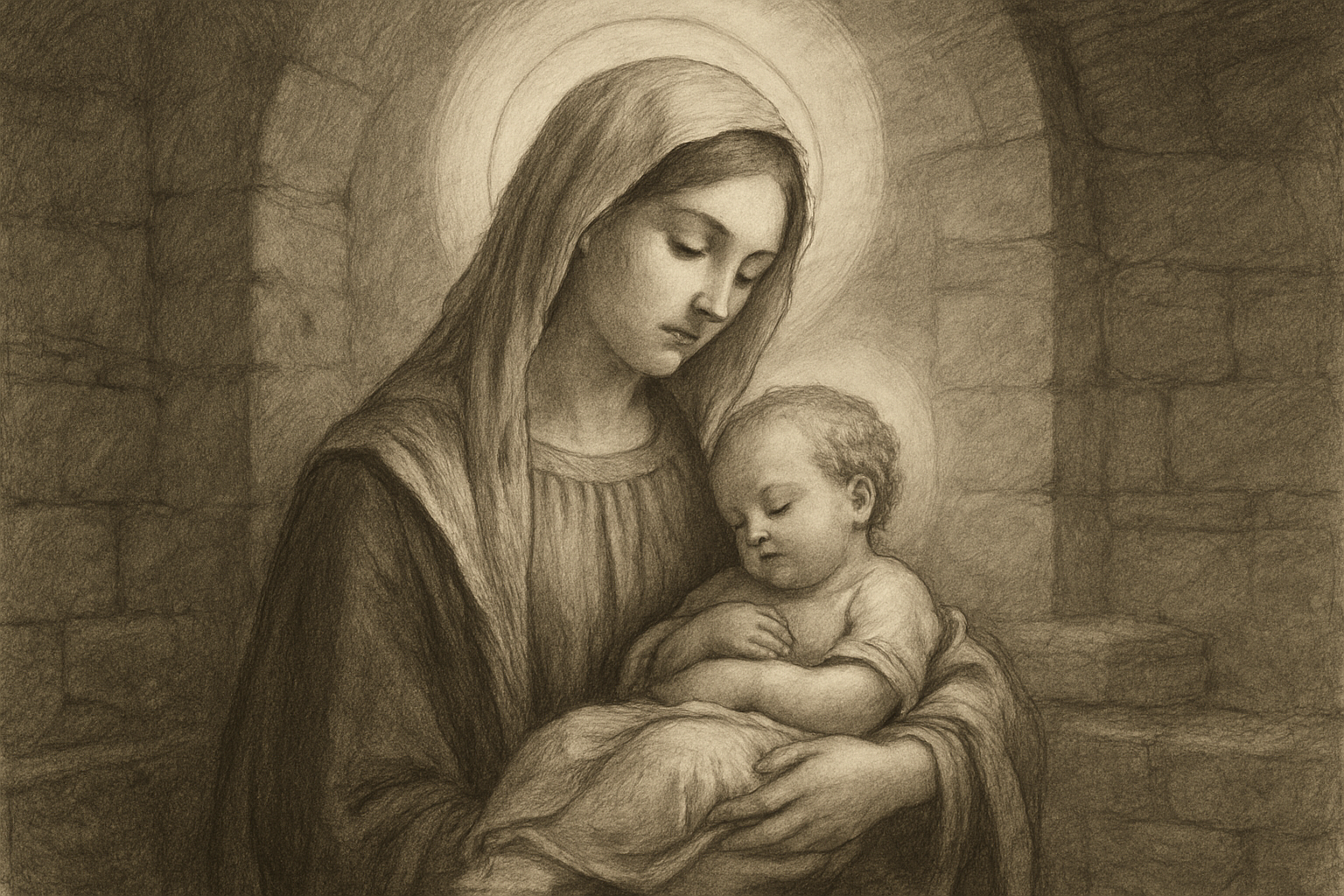
Another scene deepens the same mystery. At the Nativity, Mary gives birth to her firstborn son and lays Him in a manger. The shepherds come and find the child with Mary, His mother. The Gospel is careful and concrete because the Incarnation is concrete. The Son of God enters time, place, family, and history. A mother is not an accessory to this event. She belongs to it by God's design.
Saint Paul also speaks in a way that supports the Church's confession. He writes that God sent forth His Son, born of a woman, born under the law. The Apostle does not separate Jesus into pieces. The one who is sent by the Father is the same one born from Mary. Scripture therefore leads believers toward the same conclusion the Church later names with precision: Mary is truly Mother of God because Jesus is truly God.
God sent forth his Son, born of woman is one of the clearest biblical lines for grasping Mary's place in salvation history.
Why the Church defended the title so strongly
In the early centuries, Christians faced confusion about who Jesus is. Some said He was only a man unusually favored by God. Others spoke as if His divinity swallowed up His humanity, making His human life less than real. The Church rejected these distortions because they weaken the Gospel itself.
If Jesus is not truly God, then His saving work cannot reveal the Father's own mercy. If He is not truly man, then He cannot heal human nature from within. The title Mother of God protects both truths at once. It says that the One born of Mary is the eternal Son, and that the Son truly entered our human condition. Mary's maternity therefore stands as a sign of the Incarnation's reality.
Catholics sometimes fear that strong Marian language might distract from Christ. In fact, the opposite is usually true when the teaching is understood rightly. The more clearly Mary points to who Jesus is, the more she serves the faith. The Church does not place Mary beside Christ as a rival. She is honored because she belongs to Him in a unique way. Her greatness comes from grace, not independence.
This is why Marian devotion in the Catholic tradition remains Christ-centered when it is healthy and orthodox. The rosary, the Angelus, the Hail Mary, the feasts of Mary, and the many prayers of the faithful are all meant to lead the heart toward her Son. When Catholics call Mary Mother of God, they are not moving away from worship of God. They are safeguarding the truth that God has drawn near in Jesus Christ.
Mary's yes and the shape of Christian obedience
Mary is not called Mother of God because of her own power. She is called so because of God's initiative and her free, obedient cooperation. At the Annunciation she responds, Let it be to me according to your word. This is one of the most beautiful sentences in Scripture. It is the language of surrender, trust, and faith.
Her yes matters because it reveals the pattern of discipleship. God does not treat human freedom as an obstacle. He invites it into His work. Mary shows what happens when a person allows God's word to take flesh in daily life. She receives the mystery before she understands it fully, and she remains faithful when the path becomes dark.
For Catholics, this is not only a Marian lesson. It is a Christian lesson. Every believer is called to hear God's word, receive it with faith, and let it shape concrete life. Mary is Mother of God in a unique and unrepeatable sense, but her obedient faith still offers a model for prayerful souls who want to belong to Christ more completely.
What the title means for prayer and devotion
To pray with Mary as Mother of God is to pray with confidence that the Incarnation is not a distant doctrine. It is a living mystery. The Son who was conceived in her womb still reigns as Lord. The woman who said yes to God still intercedes for the Church as a motherly figure in the communion of saints.
Catholics do not pray to Mary as if she were a goddess. They ask for her intercession because she is united to Christ in a singular way. Her motherhood is not detached from His lordship. It is rooted in it. She belongs wholly to Him, and therefore her prayers are powerful by grace.
For many believers, this title also brings comfort. If God chose to come to us through a mother, then human life, family life, and ordinary hidden fidelity are not beneath His attention. The Lord entered the world through the tenderness and courage of Mary. That means the domestic places of life can become holy ground. Work, suffering, waiting, raising children, and carrying burdens in silence are all touched by the mystery of the Word made flesh.
A simple way to pray with this title is to pause over the words of the Hail Mary. When the Church says, Holy Mary, Mother of God, pray for us sinners, she is not beginning with Mary alone. She is confessing who Jesus is and asking the mother of the Lord to help us remain close to Him. The prayer is short, but it carries the whole logic of the Incarnation within it.
How to explain the title to someone who is unsure
If a friend asks why Catholics call Mary Mother of God, the clearest answer is this: because Jesus is God, and Mary is His mother. She did not generate the divine nature, of course. No creature can do that. But she did bear the Person who is God the Son in the flesh. Motherhood refers to the person born, not to a divided nature. Since the person born of Mary is Jesus Christ, and Jesus Christ is God, Mary is rightly called Mother of God.
This answer avoids confusion and stays faithful to the Church's meaning. It also keeps the focus on Christ. The title does not elevate Mary above what is fitting for a creature. Instead, it honors the astonishing nearness of God in the Incarnation.
If the person remains uneasy, Scripture can be the best place to continue. Read the Annunciation, the Visitation, and the Nativity slowly. Notice how often the Gospels place Mary near the mystery of her Son without ever separating her from Him. She is present, attentive, and faithful. The Church's title simply gives a name to what the Gospel already shows.
A brief prayerful habit for ordinary days
One practical way to live this doctrine is to begin the day with a short act of trust: Mary, Mother of God, help me receive Jesus with your faith. That prayer is simple, but it can gently reorder the heart. It reminds the believer that Marian devotion is meant to serve communion with Christ, not replace it.
Another habit is to keep the mystery close when reading the Gospel. Before meditating on a passage from Luke or John, ask for Mary's prayers. Then read with attention to the humanity of Jesus, His compassion, His obedience, and His nearness. The Mother of God leads believers to see her Son more clearly.
In the end, this title is not a theological slogan. It is a confession of wonder. The child Mary bore is the eternal Son made man for our salvation. The Church honors her because she gave the world the One who saves it. And when Catholics speak her title with faith, they are really saying something about Jesus that should never be lost: He is God with us, and He came to us through Mary.
Keep Reading on Lets Read The Bible
Frequently Asked Questions
Why does the Church call Mary Mother of God if God has no beginning?
The title does not mean Mary is the source of the divine nature. It means she is the mother of Jesus Christ, who is one divine Person with both a divine nature and a human nature. Since the person she bore is truly God the Son, she is rightly called Mother of God.
Is the title Mother of God found word for word in the Bible?
The exact phrase is not used in Scripture, but the truth behind it is strongly biblical. Elizabeth calls Mary the mother of my Lord in Luke, and the New Testament teaches that the Son sent by the Father was born of a woman. The Church later used the title to protect this scriptural truth about Christ.
Does calling Mary Mother of God take attention away from Jesus?
No. In Catholic teaching, the title protects the truth about Jesus rather than competing with Him. It affirms that He is truly God and truly man, and it helps believers honor Mary only in relation to her Son.