Social Teaching
The Patient Work of Peace
Catholic social teaching presents peace not as passive calm, but as the demanding work of justice, mercy, truth, and love.
Site Admin | September 25, 2026 | 6 views
Peace is among the most familiar words in Christian prayer. Catholics ask for it at Mass, hear it proclaimed in the Gospel, and exchange a sign of it before receiving Holy Communion. Yet peace can remain vague if it means little more than quiet, politeness, or the temporary absence of open conflict.
Catholic teaching offers a fuller vision. Peace is a right relationship with God and neighbor, shaped by truth, justice, mercy, and charity. It is both a gift from Christ and a work entrusted to his disciples. Christian peacemaking therefore includes personal conversion, reconciliation within families and communities, concern for the common good, and sustained resistance to injustice.
This is why peace making Catholic teaching cannot be reduced to a political slogan. It asks deeper questions. Is every person being treated as someone made in the image of God? Are the weak protected? Are grievances heard truthfully? Are power and resources ordered toward the good of all? Is reconciliation being sought without hiding wrongdoing?
Peace begins as a gift from Christ
Jesus does not treat peacemaking as an optional interest for a few unusually diplomatic believers. In the Beatitudes, he says, Blessed are the peacemakers, for they will be called children of God Matthew 5:9. Peacemakers reveal something of the Father because they seek to restore communion where sin has produced suspicion, hostility, or division.
Before his Passion, Christ tells his disciples that the peace he gives is unlike the peace offered by the world John 14:27. His peace does not depend upon comfortable circumstances. It is rooted in communion with him and made possible through the Holy Spirit. The risen Jesus even greets his frightened disciples with peace after they have abandoned him John 20:19. His words are not an excuse for their failure. They are the beginning of restoration and mission.
Because peace is a gift, Catholics pray for it. Because it is also a vocation, they must cooperate with grace. Prayer that never changes how a person speaks, forgives, votes, works, spends, or serves remains incomplete.
More than the absence of conflict
The Second Vatican Council taught that peace is not merely the absence of war or a balance maintained by opposing powers. It must be built through justice and sustained by love. The Catechism of the Catholic Church likewise describes peace as the tranquility of order and teaches that it is the work of justice and the effect of charity.
This understanding prevents two common mistakes. The first is confusing peace with avoiding discomfort. A family may appear peaceful because no one is willing to name an addiction, a pattern of cruelty, or a serious betrayal. A community may seem calm because those who suffer believe they will not be heard. Silence under such conditions is not necessarily peace.
The second mistake is imagining that justice alone will automatically produce reconciliation. Justice is essential, but human relationships cannot be healed by rules and penalties alone. Repentance, mercy, patience, forgiveness, and the rebuilding of trust are also necessary. Catholic peacemaking refuses to choose between justice and love. It understands that authentic love seeks what is just, while justice must never deny the human dignity even of an offender.
The social principles that sustain peace
Catholic social teaching offers principles that help believers move from good intentions to moral discernment. These principles apply to neighborhoods and nations as well as to homes, parishes, and workplaces.
The dignity of every human person
Every person is made in the image and likeness of God Genesis 1:27. Human dignity does not depend on usefulness, nationality, wealth, health, race, political allegiance, or moral perfection. It belongs to the unborn child, the refugee, the victim of violence, the prisoner, the soldier, the elderly person, and the difficult neighbor.
Peacemaking begins by refusing language and actions that erase this dignity. Christians may judge conduct, oppose injustice, and defend those in danger. They may not treat another person as disposable or delight in humiliation. Once a group has been reduced to a label or an enemy image, cruelty becomes easier to excuse.
The common good
The common good concerns the social conditions that allow individuals, families, and communities to flourish. It is not simply the sum of private preferences, nor does it demand that personal dignity be sacrificed to the state. It calls people to look beyond narrow advantage and consider the good they share with others.
Peace is weakened when public life becomes a contest in which one group can prosper only by ignoring the needs of another. Housing, education, honest work, public safety, religious freedom, health, and participation in community life all have a bearing on peace because they affect whether people can live with dignity.
Solidarity
Solidarity is more than sympathy from a safe distance. It is the moral recognition that other people are our neighbors and that their suffering places a claim upon us. Saint Paul describes the Church as one body in which the suffering of one member concerns all 1 Corinthians 12:26.
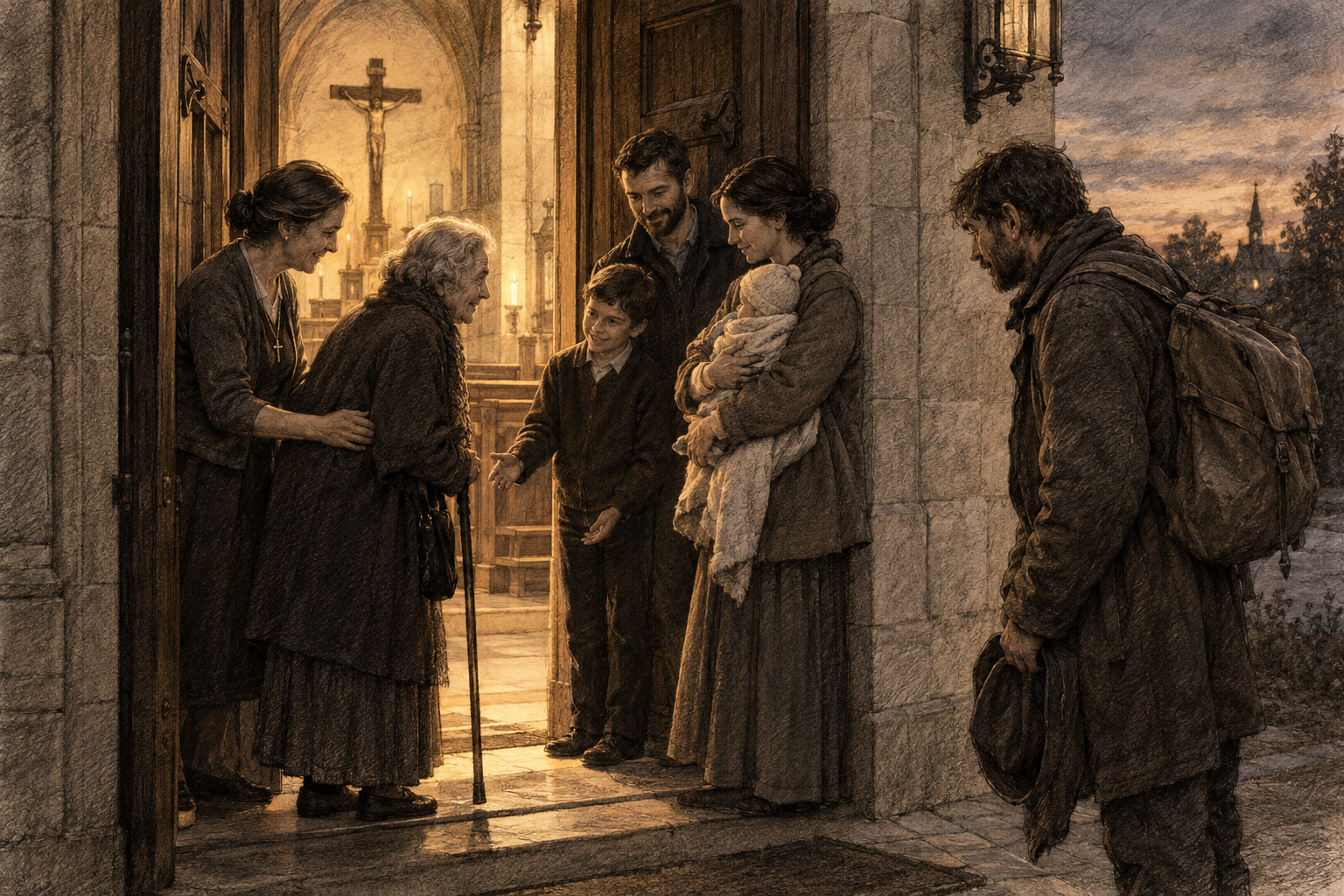
Solidarity encourages listening before judgment and service before self-congratulation. It also challenges indifference toward conflicts that seem remote. Catholics need not master every international dispute, but they can pray, support trustworthy relief efforts, welcome displaced people, and resist casual contempt for entire populations.
Subsidiarity and participation
Subsidiarity teaches that decisions should be made at the most local competent level, while larger institutions provide help when smaller communities cannot meet serious needs alone. This principle respects families, local associations, parishes, and civic communities rather than absorbing every responsibility into distant authority.
Peace grows when people have a meaningful voice in decisions that shape their lives. Participation can reduce alienation and help communities address conflict before it becomes more dangerous. At the same time, local control cannot be used to justify neglect when basic rights are being violated.
Concern for the poor and vulnerable
Conflict rarely burdens everyone equally. The poor often have fewer ways to escape violence, recover from destruction, obtain legal protection, or make their needs heard. A Catholic examination of peace therefore asks who is most exposed and least protected.
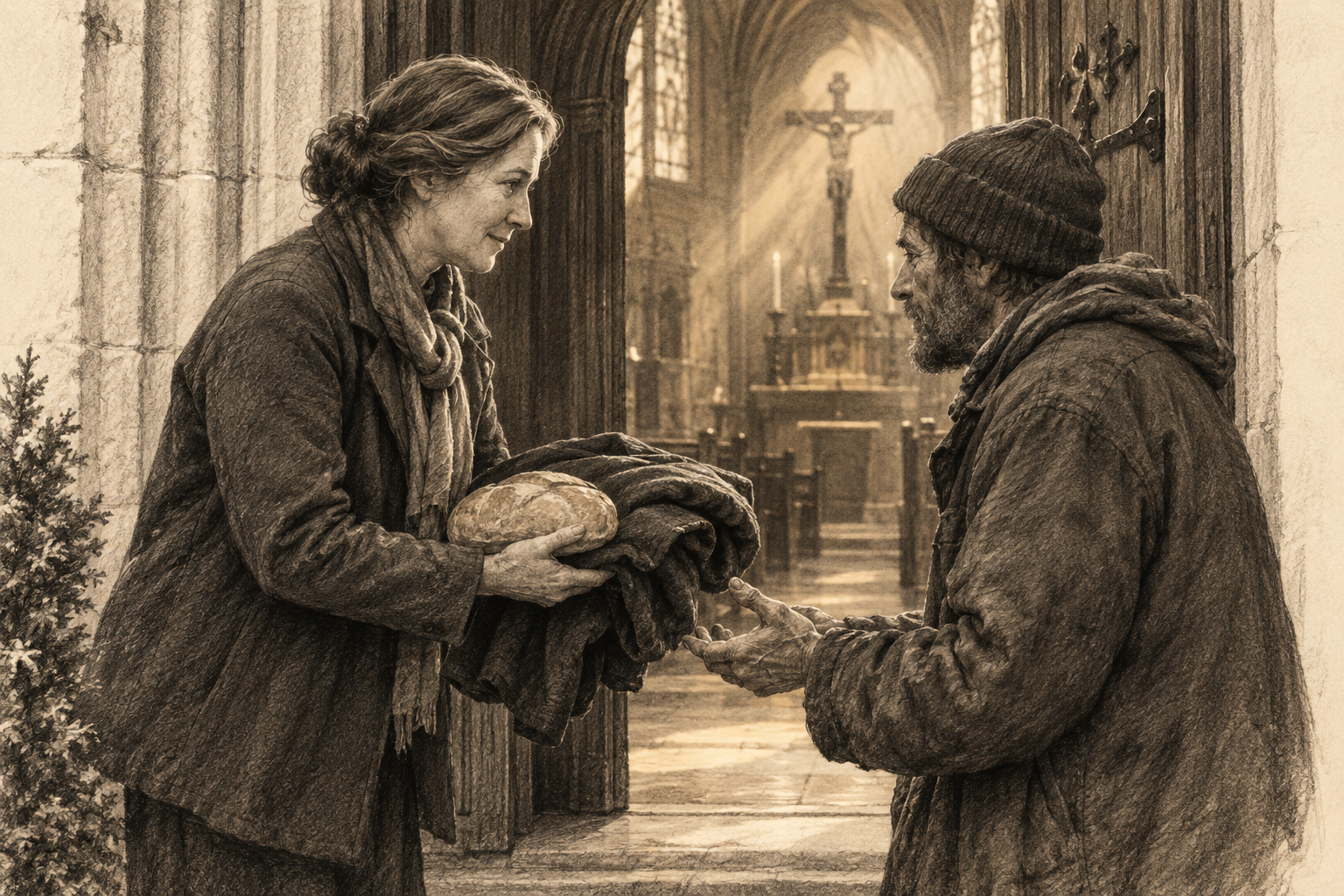
This concern is not based on the belief that poverty makes a person morally superior. It reflects the biblical demand that the vulnerable not be forgotten. Jesus identifies himself in a particular way with those who are hungry, sick, imprisoned, or strangers Matthew 25:40.
Forgiveness does not erase justice
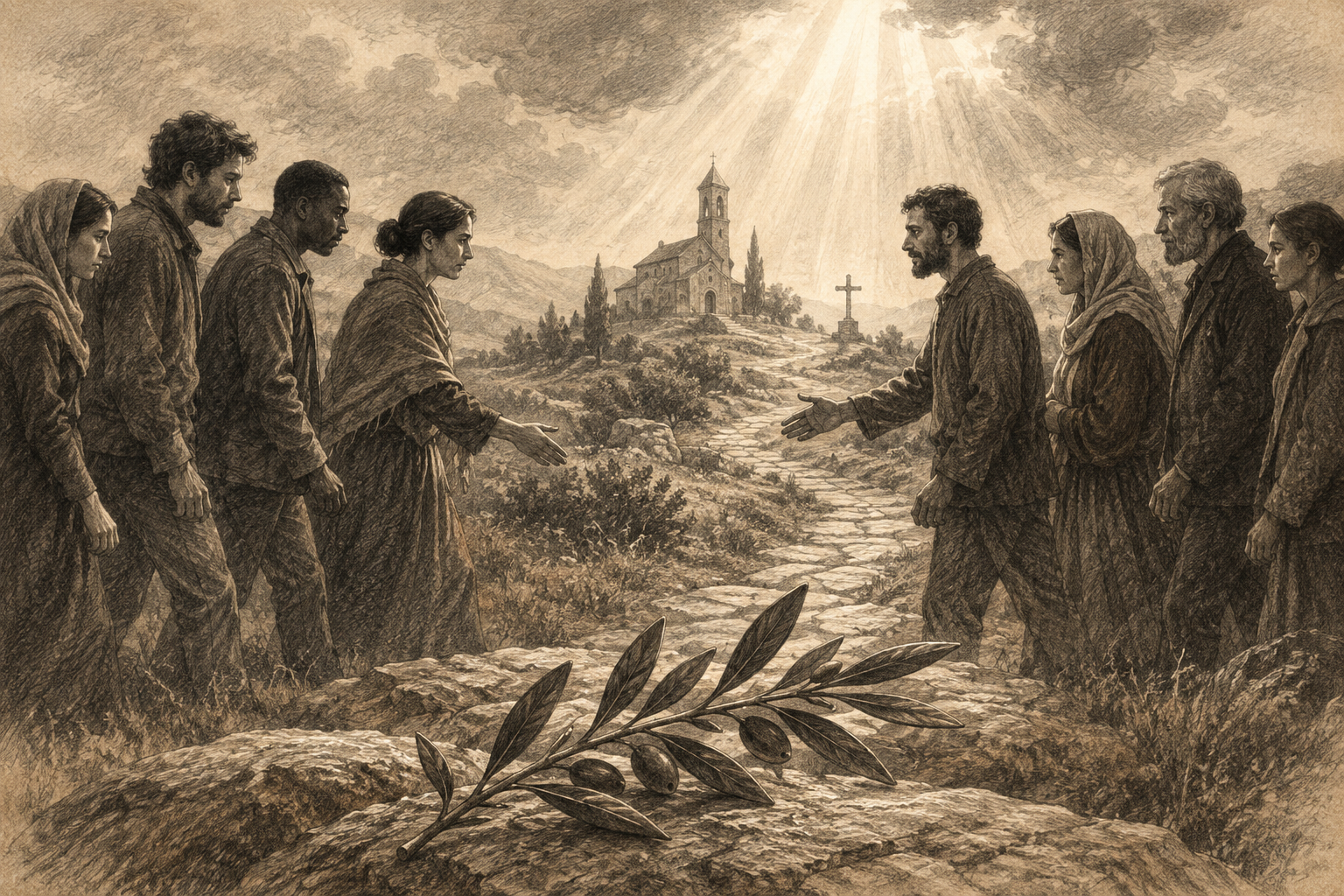
Christ commands his disciples to forgive, and he places reconciliation close to the heart of worship Matthew 5:24. Forgiveness releases the desire for personal vengeance and entrusts final judgment to God. It can begin even when the offender has not apologized.
Forgiveness does not require pretending that no harm occurred. It does not always restore a relationship to its former closeness. It does not forbid prudent boundaries, legal accountability, restitution, or the protection of potential victims. Reconciliation normally requires truth, repentance, and a willingness to repair what can be repaired.
This distinction is especially important in cases of abuse. A victim should not be pressured to resume unsafe contact in the name of peace. Protecting a person from further harm is not a failure of Christian mercy. Mercy seeks the genuine good of everyone, including the conversion and accountability of the wrongdoer.
Peace and the legitimate defense of life
Catholic teaching does not identify peace with passivity in the face of grave aggression. Individuals and public authorities may have a duty to protect innocent life. The Church's moral tradition recognizes legitimate defense and sets strict conditions for the use of armed force. Such force is never to be celebrated as a good in itself. It is considered only as a last resort under grave moral limits.
This teaching holds together two truths that are sometimes separated: violence brings terrible human costs, and failing to defend the innocent can also be a serious injustice. Prudential judgments about particular conflicts can be difficult, but the moral aim remains peace ordered by justice, not conquest, revenge, domination, or profit.
Catholics should therefore pray for public officials, diplomats, members of the armed forces, chaplains, medical workers, relief organizations, and all who bear responsibility during conflict. They should also care for veterans, civilian victims, refugees, and families who live with the lasting wounds of war.
Practicing peace in ordinary relationships
Global peace can feel beyond the reach of an individual believer. Yet the habits that either sustain or damage peace are learned in ordinary life. A parish, household, or workplace becomes a school of peace when people practice truthful speech, patient listening, fair judgment, and repentance.
Several disciplines are especially valuable:
- Pause before reacting. Anger can reveal a real wrong, but immediate reaction often adds fresh injury. Prayer and silence can create room for a wiser response.
- Speak directly and honestly. Gossip recruits bystanders into a conflict without giving the other person an opportunity to answer or change.
- Listen for the real wound. A harsh statement may hide fear, grief, shame, or a sense of powerlessness. Listening does not mean agreeing, but it can clarify what must be addressed.
- Refuse contempt. Mockery and dehumanizing labels train the heart to enjoy another person's humiliation.
- Admit fault without qualification. A sincere apology names the wrong instead of shifting blame to the injured person.
- Seek appropriate help. Some conflicts require a pastor, counselor, mediator, safeguarding professional, or civil authority. Private conversation is not sufficient for every situation.
These practices are not techniques for winning arguments. They are forms of moral discipline. They help a person seek truth without making hostility a permanent identity.
A peaceful public witness without partisan hostility
Catholics are free to disagree prudently about many policies. They are not free to abandon charity, truthfulness, or concern for human dignity. Political engagement becomes spiritually dangerous when loyalty to a faction excuses slander, cruelty, dishonesty, or indifference to suffering.
A peaceful public witness does not mean withdrawing from difficult debates. It means entering them without surrendering conscience to fear or resentment. Catholics can examine claims before sharing them, distinguish people from their worst opinions, acknowledge facts that complicate their preferred position, and work with others on limited goods without pretending that every disagreement has disappeared.
Pope Saint John XXIII's encyclical Pacem in Terris connected peace with truth, justice, charity, and freedom. Those foundations remain demanding. Truth resists propaganda. Justice protects rights and remembers duties. Charity sees a neighbor where public rhetoric sees only an opponent. Freedom allows responsible moral action rather than submission to manipulation.
The Eucharistic school of peace
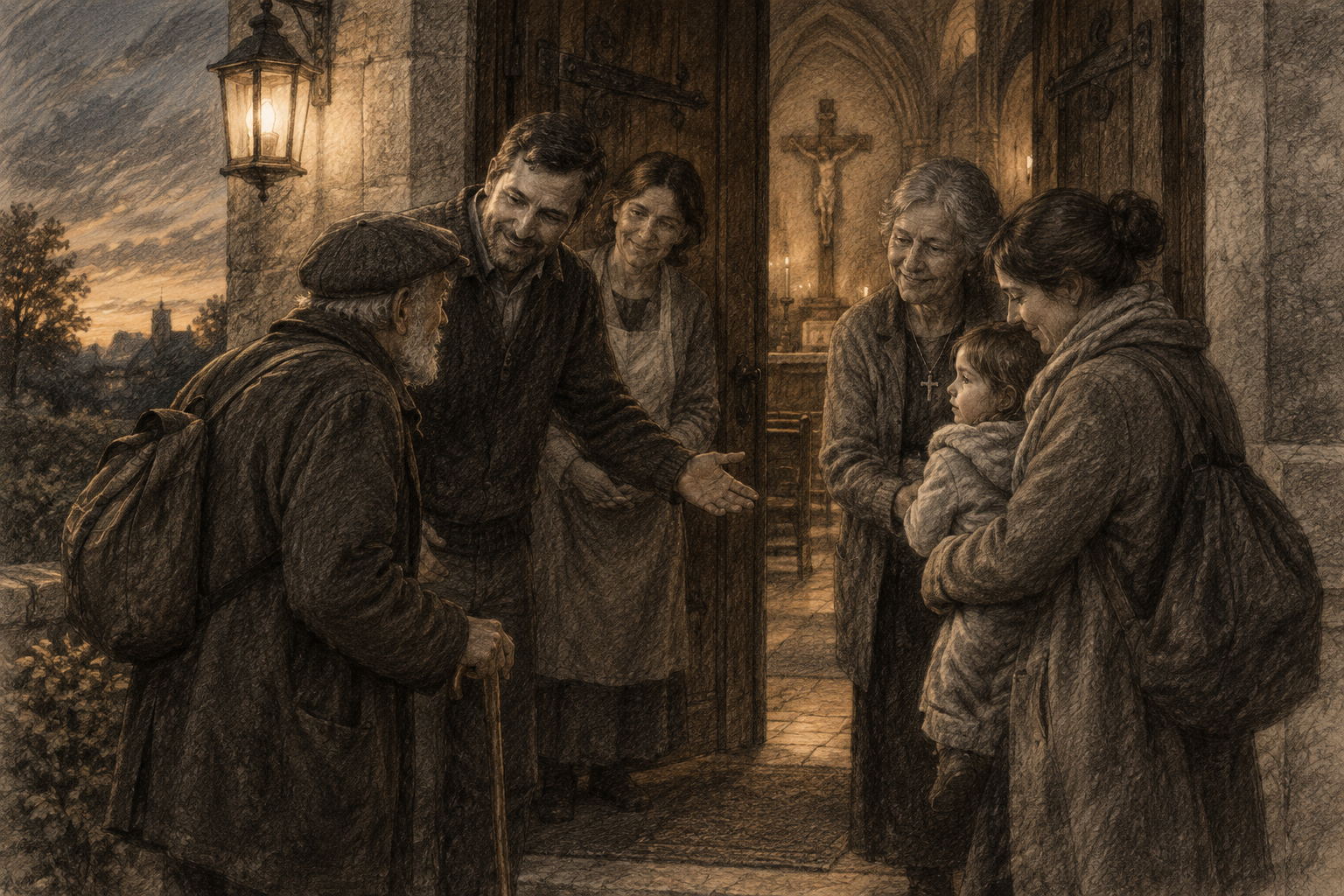
At Mass, Catholics receive peace before they exchange it. Christ gathers people of different backgrounds into one body, calls them to repentance, speaks his word, and feeds them with his own life. The sign of peace is brief, but it points toward a demanding reality: those reconciled to God are sent to become servants of reconciliation.
This mission is sustained by confession, where sinners learn to name wrongdoing without despair and receive mercy they did not earn. It is sustained by Eucharistic adoration, where the need to control every outcome can be surrendered to Christ. It is sustained by intercessory prayer, especially prayer for those whom a person finds difficult to love.
Peace may sometimes arrive through a dramatic act of courage. More often, it is built through faithful choices repeated over time: a rumor not passed on, an apology offered, a victim protected, an enemy prayed for, a grievance heard, and a just duty fulfilled. In such patient work, the peace of Christ begins to take visible form among his people.
Keep Reading on Lets Read The Bible
Frequently Asked Questions
Does Catholic teaching define peace as the absence of war?
No. Catholic teaching presents peace as an order founded on justice and brought to maturity through charity. The absence of open fighting can be valuable, but lasting peace also requires respect for human dignity, protection of rights, truthful relationships, and concern for the common good.
Does Christian forgiveness mean avoiding accountability?
No. Forgiveness rejects personal vengeance, but it does not deny harm or eliminate the need for justice. Accountability, restitution, prudent boundaries, and protection of potential victims can all be necessary. Reconciliation normally requires truth and repentance.
Can Catholics support legitimate defense and still work for peace?
Yes. Catholic moral teaching recognizes a right and sometimes a duty to defend innocent life, while placing strict limits on the use of force. Force must never be pursued for revenge, domination, or profit. The enduring goal is a just peace and the protection of human dignity.