Catholic Living
When Curiosity Opens a Door: The Catholic Warning on the Occult
The Church does not treat the occult as harmless entertainment. It treats it as a real spiritual risk that can wound trust in God and distort the human search for meaning.
Site Admin | August 29, 2025 | 103 views
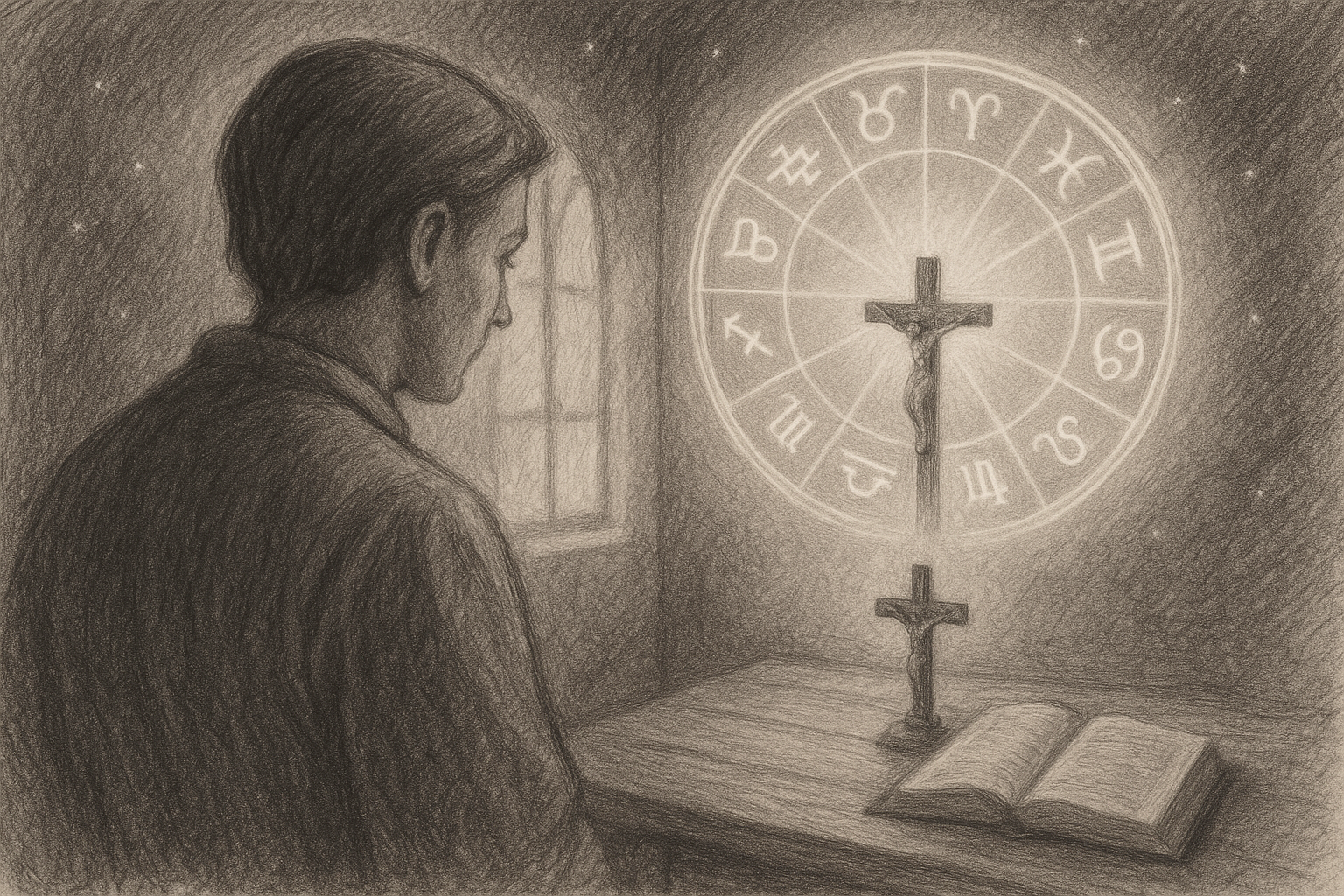
Many people approach the occult with curiosity rather than malice. A horoscope shared for fun, a tarot reading at a party, a spirit board on a dare, a promise to "manifest" control over the future, or an interest in magic as entertainment can seem harmless at first. Yet Catholic teaching is sober about these things because the issue is not only whether a practice feels strange or old fashioned. The deeper question is whether we are seeking knowledge, power, or comfort apart from God.
The occult and spiritual danger Catholic teaching warns against is not based on superstition. It rests on a simple conviction: the human heart is made for truth, and truth is ultimately a gift from the living God. When a person turns to hidden powers, divination, or attempts to control the spiritual world by techniques outside God's will, that person steps into a confusion that can harm both conscience and faith.
What the Church means by the occult
The word occult refers to what is hidden or secret. In Catholic usage, it commonly includes practices that seek knowledge of the future, hidden information, or supernatural power through means not ordered to God. This can include divination, astrology used as fate telling, fortune telling, witchcraft, necromancy, spiritism, and various forms of magical practice.
The Catechism of the Catholic Church teaches that all forms of divination are to be rejected, whether they appeal to spirits, omens, horoscopes, astrology, cards, or other methods that pretend to unveil the future. The reason is not that every person who tries such things is automatically beyond mercy. Rather, the practices themselves misplace trust. They invite us to lean on created signs, forces, or rituals instead of on divine providence.
Scripture is equally direct. Israel is repeatedly warned not to seek guidance from mediums, necromancers, or similar practices. The refusal is not arbitrary. God is not trying to keep knowledge from his people out of jealousy. He is protecting them from counterfeit wisdom and from the spiritual slavery that can grow when the heart becomes dependent on hidden powers instead of obedient faith.
Why the occult is spiritually dangerous
The spiritual danger of the occult is not merely that it may be false. It is that it can train the soul to seek control without conversion. A person may begin by wanting reassurance, certainty, or an answer to suffering. But occult practices often promise something deeper than information. They promise mastery. They suggest that life can be managed if one learns the right technique, invokes the right force, or discovers the right secret.
That promise appeals to wounds in the human heart. We do not like uncertainty. We do not like waiting. We do not like helplessness. Yet Christian faith teaches that trust in God often requires precisely those things. We surrender the desire to control everything because we believe the Father knows what we need, even when his plan is not yet clear.
There is also a moral danger. Occult practices can involve deception, manipulation, or a deliberate opening to powers that are not from God. Even when a person thinks he is only playing, he may be forming habits of mind that dull discernment. Curiosity can become dependence. Dependence can become fear. Fear can become captivity.
Prayer seeks communion with God. The occult seeks leverage over reality. Those are not the same thing.
What mainstream Catholic teaching actually says
The Church's teaching is firm, but it is not sensational. Catholics are not told to see demons behind every difficult day. Nor are we told to treat every interest in the unusual as a sign of grave sin. Instead, the Church gives a moral framework.
First, we may not use divination or magic to obtain knowledge or power. Second, we may not seek guidance from spirits or dead persons through prohibited means. Third, we must reject superstition, which treats practices or objects as if they had power apart from God. Fourth, we should avoid any approach that replaces prayer, prudence, and sound judgment with secret techniques.
The Church also makes room for nuance in moral responsibility. A child who copies a game without understanding its meaning is not in the same place as an adult who deliberately seeks forbidden knowledge. An anxious person who dabbles from confusion is not identical in culpability to someone who knowingly and persistently turns to occult powers. But even when guilt varies, the danger remains real. Pastoral care should guide with truth and patience.
Common examples that deserve caution
- Horoscopes and fate telling: When used to predict or govern decisions as if the stars determine a person's destiny, they can foster superstition and dependence.
- Tarot, fortune telling, and psychics: Seeking hidden knowledge through these means conflicts with the trust Christians owe to God's providence.
- Ouija boards and spirit contact: Trying to summon or consult spirits is not harmless play.
- Spell casting and magical rituals: Any attempt to manipulate spiritual reality by secret techniques is contrary to Catholic faith.
- Occult themed entertainment: Fiction and art are one thing, but fascination can slide into imitation, especially when a person begins to admire what the Church calls us to reject.
Pastoral concerns behind the warning
People are often drawn to the occult during times of pain. A loved one has died. A relationship has collapsed. Anxiety is high. The future feels closed. In such moments, the desire to know what is coming or to contact what has been lost can become intense. The Church responds not with mockery but with care.
Many people who flirt with the occult are not trying to rebel against God. They are trying to find comfort. That is why it matters to speak gently and clearly. A person should never be reduced to a label because of a past mistake. If someone has been involved in occult practices, the right response is not panic but repentance, confession, prayer, and a concrete break from the practice.
Pastorally, it is also important to distinguish ordinary temptation from spiritual obsession. Not every fear is proof of diabolical influence. Not every intrusive thought requires dramatic language. At the same time, serious and persistent involvement in occult practices can wound a person's interior peace and make it harder to pray with trust. A wise priest, spiritual director, or confessor can help someone discern what is actually happening.
How Catholic faith answers the hunger underneath
The occult often appeals because it promises insight, relief, or power. Catholic faith answers those hungers in a different way. Instead of secret knowledge, we receive revelation. Instead of manipulation, we receive grace. Instead of fear, we receive the presence of Christ.
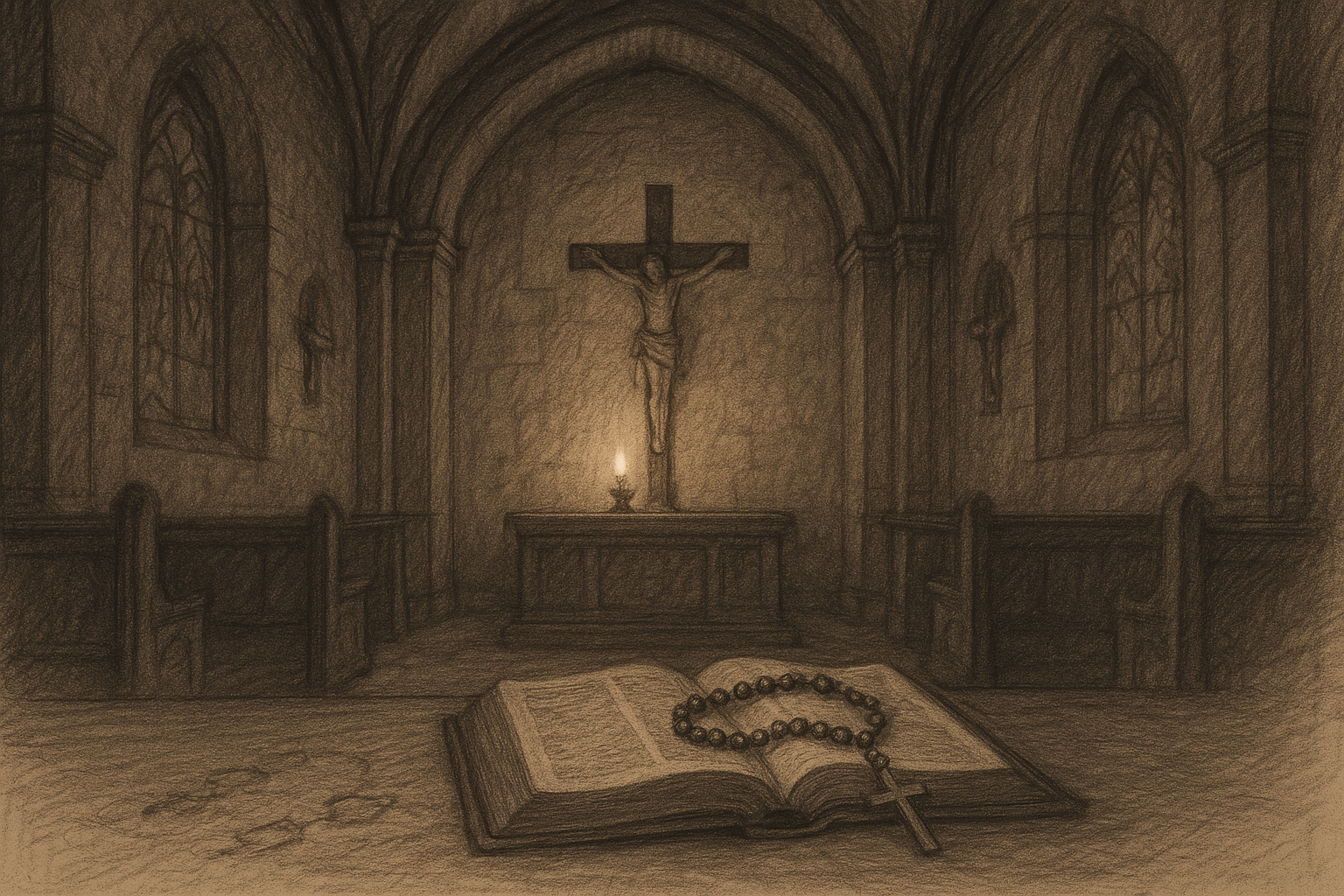
God does not leave his children to guess blindly at reality. He speaks through Scripture, the Church, the sacraments, and the quiet work of conscience formed by truth. He does not demand that we master the future before we can love him. He asks us to walk with him today.
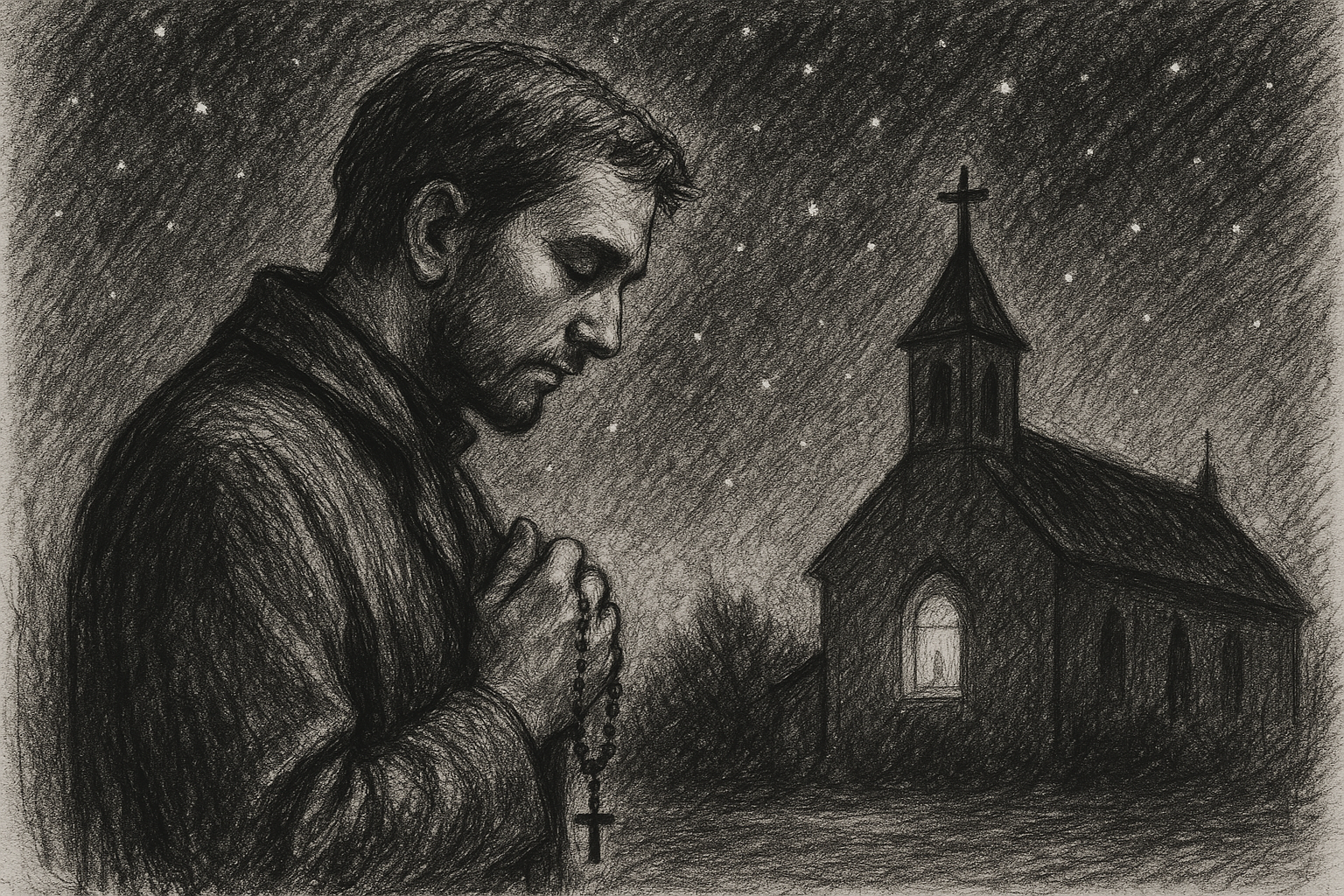
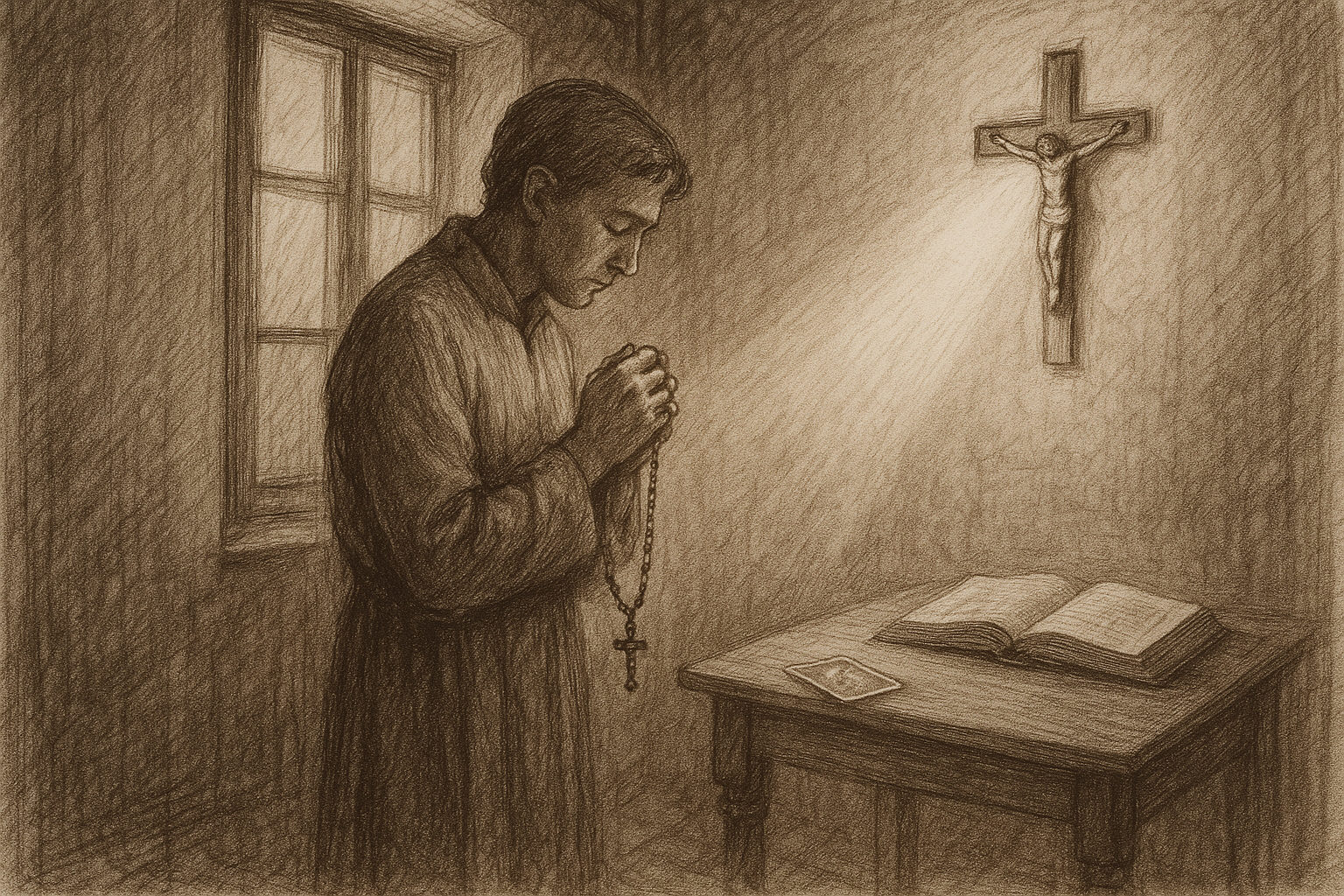
That is why prayer is so important. Prayer is not a technique for controlling spiritual forces. It is a relationship with the Father through the Son in the Holy Spirit. In prayer, the Christian learns to entrust what cannot be controlled. The Rosary, the Psalms, Eucharistic adoration, and simple morning and night prayer all help the soul rest in God's care.
The sacraments also matter deeply. Confession heals moral disorder and returns the sinner to grace. The Eucharist strengthens communion with Christ. When a person feels drawn toward hidden powers, regular sacramental life is one of the best safeguards against confusion and fear.
Practical steps for someone trying to leave occult practices
- Stop the practice clearly. Remove books, objects, apps, and contacts tied to the occult.
- Go to confession. Speak honestly and simply about what happened.
- Pray regularly. Begin with short, steady prayers rather than dramatic efforts to force feelings.
- Read Scripture. Let God's word retrain the mind and imagination.
- Seek trusted help. A priest, spiritual director, or wise Catholic friend can assist with discernment and accountability.
- Avoid fear based obsession. Do not search for signs everywhere. Live in the peace of Christ.
Hope is stronger than fear
It is possible to speak seriously about the occult without becoming fascinated by it. Christians do not need to be curious about darkness in order to be faithful. We need to be rooted in Christ. The power of evil is real, but it is limited. Christ has already entered the darkness, and his light is not overcome by it.
For that reason, the Church's warning is ultimately an act of mercy. She refuses to flatter our desire for hidden power because she knows we were made for something better. We were made to know God, to love him, and to be known by him. When the heart returns to that center, the false promises of the occult lose their shine.
If you or someone you love has been involved in occult practices, do not be afraid to begin again. The road back is not complicated, though it may take humility. Tell the truth. Renounce what is false. Seek the sacraments. Ask for prayer. Trust that God's mercy is not reluctant, and that the Lord who calls us away from darkness also leads us into peace.
The Christian life does not require secret knowledge. It requires faithful trust. That trust is not weak. It is the place where grace can finally be received.
Keep Reading on Lets Read The Bible
Frequently Asked Questions
Is every interest in the occult a mortal sin?
Not necessarily. Moral guilt depends on knowledge, freedom, and seriousness. But the practices themselves are contrary to Catholic teaching, and repeated or deliberate involvement can be gravely sinful.
Can Catholics read horoscopes for fun?
The Church warns against astrology when it claims to reveal destiny or guide life apart from God. Even casual use can blur the line between entertainment and superstition, so prudence is wise.
What should a Catholic do after involvement with occult practices?
Stop the practice, remove related items, go to confession, pray regularly, and seek guidance from a priest or trusted spiritual director if needed.