Doctrine and Questions
Celibacy in the Priesthood: A Discipline Rooted in Love, Not Absence
A clear Catholic look at clerical celibacy, its biblical roots, and why the Church still asks Latin-rite priests to live this way.
Site Admin | July 2, 2026 | 95 views
What clerical celibacy actually means
When Catholics speak about clerical celibacy, they are talking about a way of life in which a man freely renounces marriage in order to belong more wholly to the service of Christ and the Church. In the Latin Church, this is normally expected of men who are ordained to the priesthood. It is not a claim that marriage is bad. The Church has always taught that marriage is a holy sacrament. Rather, celibacy is a choice to live an undivided life for a particular mission.
That distinction matters. Celibacy is not a statement that a priest has no human need for friendship, family, or affection. It is a discipline that orders those real human goods toward a single vocation. The priest is not less human because he is celibate. He is asked to love in a different way, with a heart made available for pastoral service, prayer, and sacramental ministry.
In Catholic teaching, the word celibacy usually refers to remaining unmarried for the sake of the Kingdom of God. It is closely related to chastity, but it is not identical to it. Chastity is the virtue of rightly ordering sexual desire according to one's state in life. Celibacy is the chosen state of not marrying. A married man must be chaste in marriage; a priest who lives celibately must be chaste in his consecrated state.
The biblical foundations for celibate service
The New Testament does not command clerical celibacy in so many words, but it offers a strong pattern of single-hearted service for the sake of the Kingdom. Jesus Himself speaks of those who renounce marriage for that Kingdom's sake in Matthew 19:12. He does not present this as a rule for every disciple, but as a real calling that makes room for a particular kind of dedication.
Saint Paul speaks even more directly about the value of remaining unmarried in order to serve the Lord without divided concerns. In [[VERSE|1-corinthians|7|32-35|1 Corinthians 7:32-35]], he explains that the unmarried man is concerned with the things of the Lord, while the married man must also be concerned with pleasing his wife. Paul is careful not to dismiss marriage. He honors it. But he also recognizes that celibacy can be a path of freer availability for ministry.
There is also a pastoral image in the life of Christ Himself. Jesus was not married. His whole earthly life was given to the Father and to the salvation of souls. Priestly celibacy is not a claim that priests are called to duplicate Christ's earthly biography in every detail, but it does reflect the total self-gift of the Good Shepherd. The priest belongs sacramentally to Christ in a special way, and celibacy can express that belonging with clarity.
The Church does not treat celibacy as a denial of love, but as a sign that love can be given wholly to God and poured out for others.
Why the Latin Church asks for this discipline
The Latin Church's discipline of priestly celibacy developed over centuries, not as a sudden invention, but as a way of protecting the priestly mission and expressing its spiritual meaning. The Church sees the priest as one who represents Christ and serves the faithful with a heart available for all. Celibacy is meant to support that availability.
There are practical reasons as well. A celibate priest can often be more mobile in ministry, more immediately available in emergencies, and less burdened by the obligations that come with a household of spouse and children. That does not make married life inferior. It simply means the burdens and responsibilities differ. The Church judges that for Latin-rite priests, celibacy ordinarily serves the mission of ministry well.
There is also a sacramental sign value. Priestly celibacy points beyond this world to the life of the Kingdom, where Jesus says that people neither marry nor are given in marriage but are like the angels in heaven Matthew 22:30. Christians do not believe marriage ends the goodness of human love. Rather, they believe all earthly signs point toward a greater fulfillment in God. Celibacy can therefore be a witness to the final horizon of Christian hope.
Celibacy is a discipline, not a dogma about marriage
It is important to say plainly that priestly celibacy is a discipline of the Church, not a dogma in the same sense as the Trinity or the divinity of Christ. The Church can regulate it, and in some circumstances has different practices in different rites. For example, some Catholic Eastern Churches ordain married men to the priesthood, while still valuing celibacy for bishops and many monks and clerics. The existence of these practices shows that the Catholic Church does not regard marriage as incompatible with sacred ministry in every form.
Still, discipline does not mean optional in the casual sense. A discipline is a serious ecclesial choice that shapes a way of life. The Church asks candidates for the Latin-rite priesthood to embrace celibacy because she believes this form of life serves the Gospel and the people of God. In that sense, clerical celibacy is not a private preference. It is part of the shape of priestly identity in the Latin Church.
This is also why the question of celibacy should not be reduced to pragmatic debates alone. It is tempting to ask only whether celibacy is convenient, efficient, or culturally popular. But the Church's concern goes deeper. She asks what best helps a priest live as a sacramental father, a teacher, a shepherd, and a man wholly available to Christ's work.
How celibacy serves ordinary Catholic life
For many lay Catholics, clerical celibacy becomes meaningful when they see what it allows in the life of a parish. A priest who is called away at night to anoint the sick can go without needing to arrange care for a spouse or children. He can attend to the confessions of the faithful, prepare homilies, teach the faith, and be present to those in grief, often with great flexibility. His life is not easier because he is celibate. Often it is demanding in a different way. But his freedom can become a real pastoral gift.
Celibacy also reminds the faithful that the priest is not a religious functionary hired to perform tasks. He is a man configured to Christ for the sake of the Church. His life points to the fact that every Christian vocation involves sacrifice. Married couples sacrifice in faithfulness to one another and to their children. Single Catholics may sacrifice the expectation of marriage in order to serve God in other ways. Priests sacrifice marriage itself in order to give themselves to the flock.
That witness can challenge a culture that often treats love as possession or fulfillment as self-expression alone. Catholic life is different. It teaches that real love is self-gift. Clerical celibacy makes that visible in a particularly striking way. The priest's fatherhood is real, but it is spiritual fatherhood. His home is not absent from the world, but extended through the Church.
Common misunderstandings about clerical celibacy
It is not a rejection of marriage
Marriage is good, holy, and honored by the Church. A priest who lives celibately is not saying that marriage is a lesser moral state in itself. He is living a different vocation. Catholic teaching has room for both vocations because both are ordered to charity.
It is not a denial of human affection
Celibacy does not mean emotional isolation. Priests need friendship, fraternity, recreation, and healthy human relationships. The Church does not expect celibacy to produce coldness or distance. In fact, a healthy celibate life should make a man more generous, not less.
It is not a guarantee of holiness by itself
Celibacy is a powerful discipline, but it does not sanctify a man automatically. Like every Christian state of life, it must be lived with prayer, humility, and accountability. A priest can live celibately and still struggle in many ways. The discipline is a help, not a magic solution.
What Catholics should take from this teaching
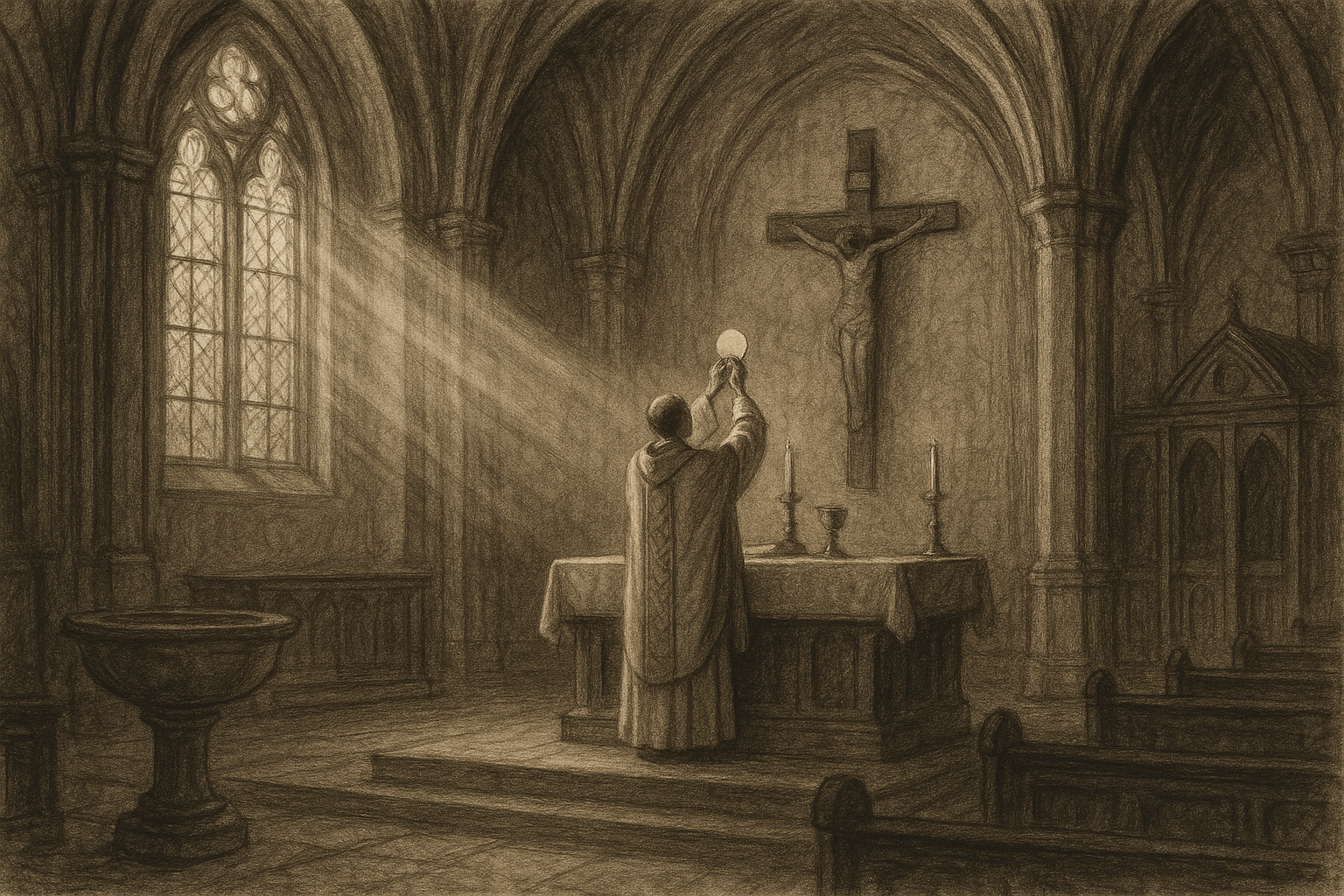
For the average Catholic, clerical celibacy is not mainly a debate topic. It is part of the Church's own self-understanding. When a priest stands at the altar, hears confessions, anoints the sick, buries the dead, and teaches the faith, he does so as a man who has given up one honorable good to serve a greater ecclesial mission. That sacrifice should awaken gratitude, not suspicion.
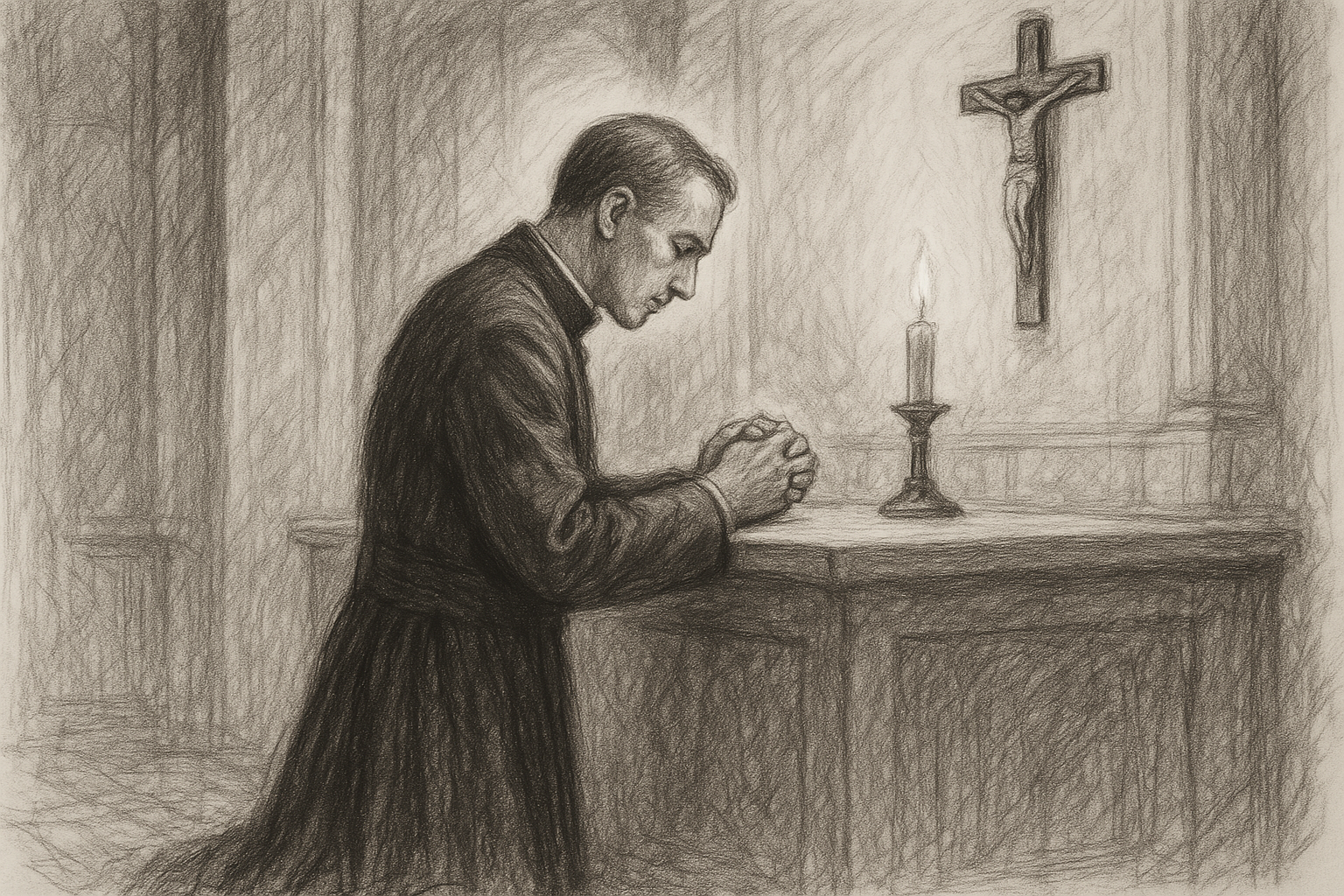
It should also encourage lay Catholics to pray for priests. Celibacy is not effortless. It requires maturity, discipline, friendship, and spiritual strength. Priests need the support of the faithful, and the faithful need priests who are whole, faithful, and prayerful. If clerical celibacy is to bear good fruit, it must be sustained by grace.
At a deeper level, clerical celibacy reminds every Catholic that no earthly good is ultimate. Marriage is precious, but it is not final. Family life is beautiful, but it is not the end of the story. Christ is. The celibate priest bears witness to that truth with his life, and in doing so he quietly points the whole Church toward heaven.
So when Catholics ask about clerical celibacy, the best answer is not a slogan. It is a vision of vocation: a man giving himself without reserve to God, the Church, and the salvation of souls, trusting that nothing surrendered for Christ is ever lost.
Keep Reading on Lets Read The Bible
Frequently Asked Questions
Is clerical celibacy a doctrine or a discipline in the Catholic Church?
In the Latin Church, clerical celibacy is a discipline, not a doctrine. The Church can regulate it, and Catholic Eastern Churches have different practices for ordination.
Does the Bible teach that priests must be celibate?
The Bible does not state a universal rule for priestly celibacy, but it does present strong support for celibate service in passages such as Matthew 19:12 and 1 Corinthians 7:32-35.
Why does the Catholic Church think celibacy helps priests?
The Church believes celibacy can deepen a priest's availability for ministry, make his life a sign of the Kingdom, and express a wholehearted gift of self to Christ and the Church.