Family and Vocation
Discerning a Vocation with Steady Faith and an Open Heart
The Catholic path to vocation discernment is less about finding a hidden code and more about learning to recognize God's voice in prayer, duty, and peace.
Site Admin | October 28, 2025 | 84 views
When Catholics speak about discerning a vocation, we are not talking about picking a life plan from a menu of religious options. We are asking a deeper question: How is God calling me to love Him and serve others with my whole life? That question can stir hope, anxiety, longing, and confusion all at once. Yet the Catholic perspective on vocation is not rooted in fear or guesswork. It is rooted in trust that the Lord who calls also gives light for the next step.
Scripture shows this pattern again and again. God calls people by name, often in moments that do not feel impressive or tidy. Samuel hears his name in the night and slowly learns to answer, "Speak, Lord, for your servant is listening" 1 Samuel 3:10. Mary receives the angel's message and responds with full surrender, "Let it be done to me according to your word" Luke 1:38. The vocation of each believer begins in the same place: listening before deciding.
Vocation is first a call to holiness
The word vocation comes from the idea of being called. In the Catholic understanding, the deepest call is not first to a job, a role, or a social status. It is to holiness. Every baptized person is summoned to belong to Christ and to become holy by grace. That means vocation discernment cannot be reduced to career planning, emotional preference, or personal branding. It is spiritual, moral, and relational.
This matters because it keeps discernment from becoming self-centered. The question is not only, What would make me happiest? A better question is, What state of life will most help me and others to grow in charity? Peace, fruitfulness, and sincerity matter, but they do not replace the cross. Christ never promises a life free of sacrifice. He promises that self-gift, offered in love, will bear fruit.
For Catholics, vocation is usually considered in relation to marriage, priesthood, consecrated religious life, and sometimes the dedicated single life lived with seriousness and generosity. Each state has its own gifts and sacrifices. None is a second-rate path if it is truly received from God. The point is not to rank callings but to receive one's own faithfully.
Discernment begins with prayerful attention
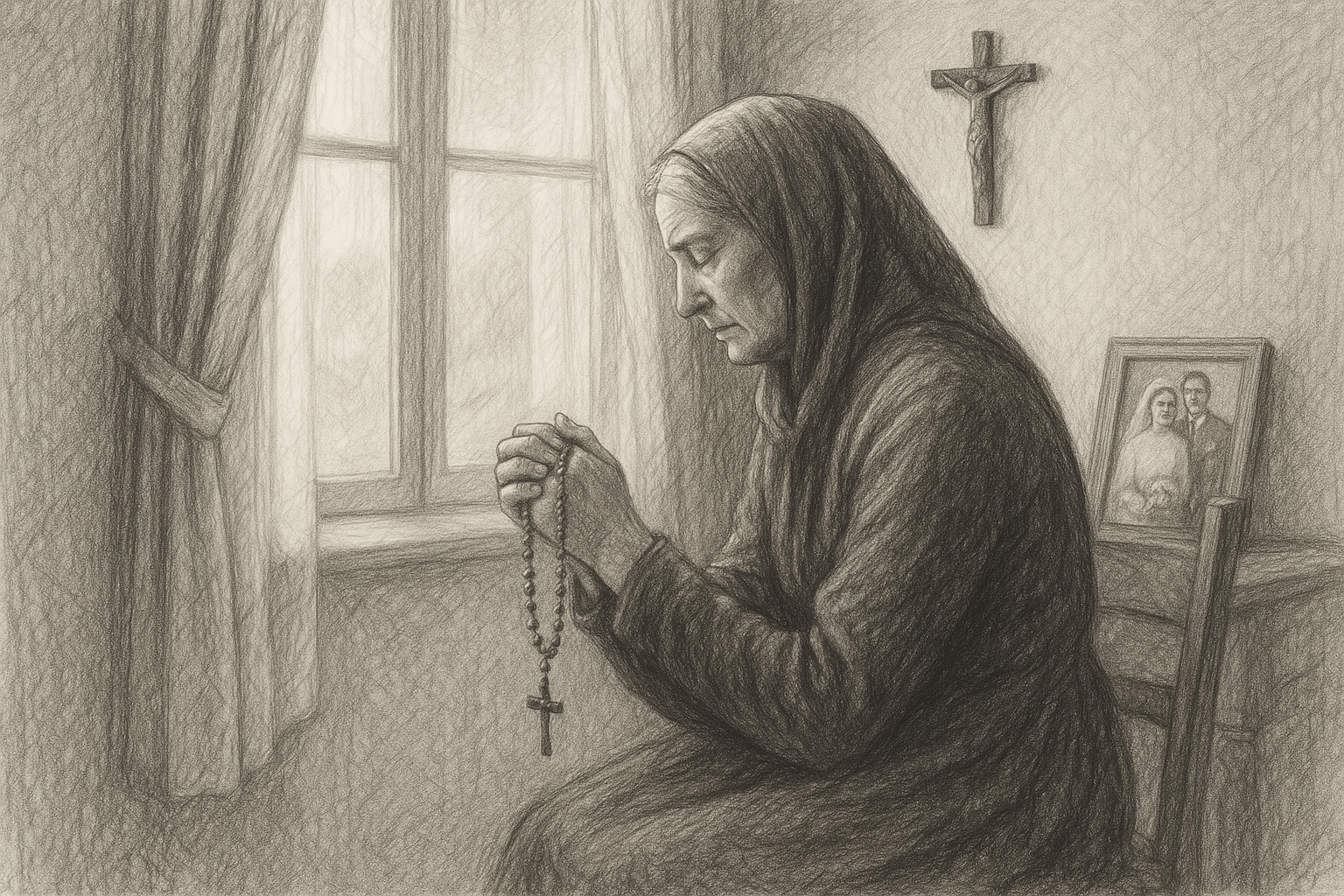
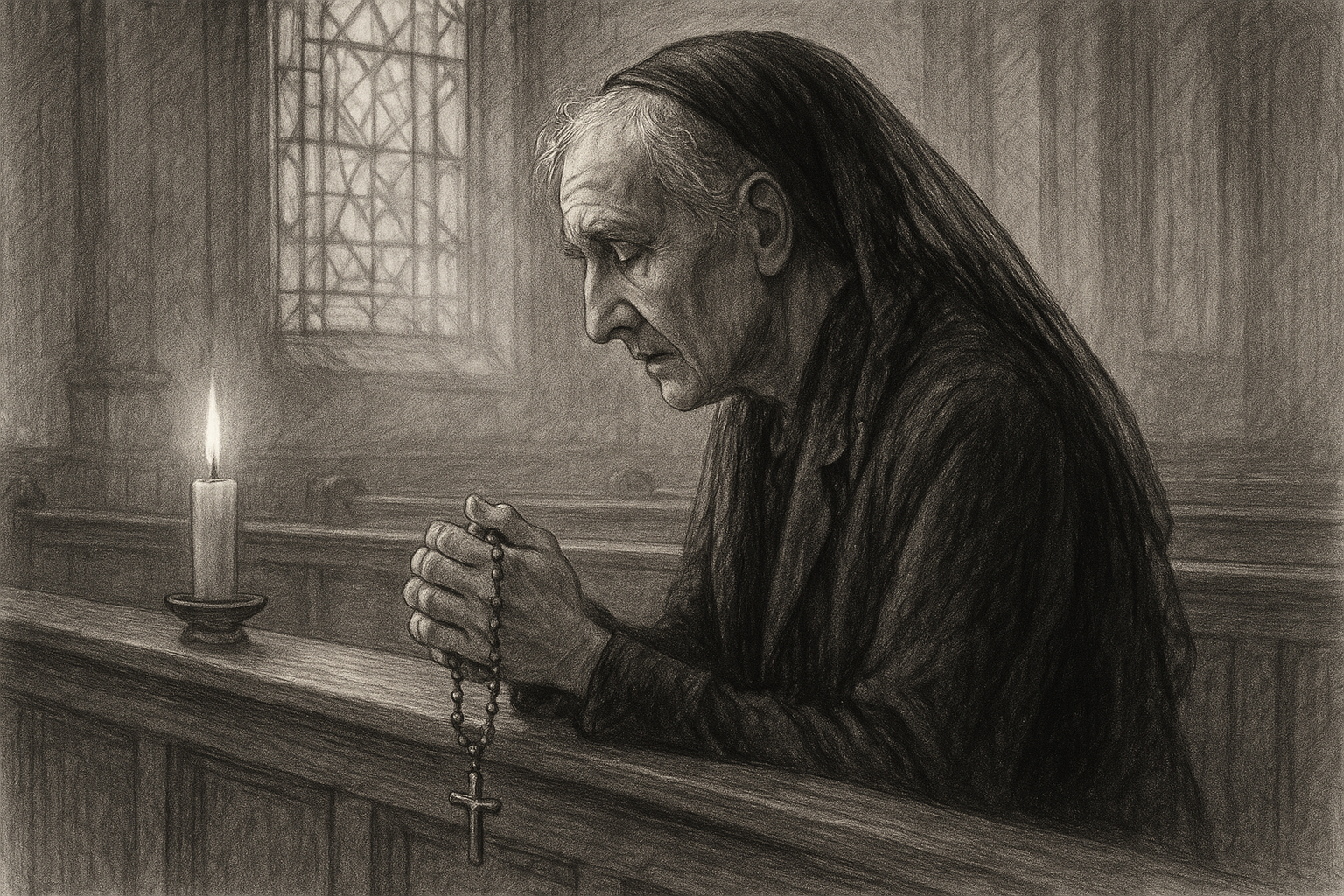
Many people want a dramatic sign before they move forward. They hope for certainty that feels complete and painless. But ordinary discernment is usually quieter than that. It begins with prayer, especially regular prayer that creates interior space for God to speak. Without prayer, a person may only hear the loudest fears or the strongest preferences. With prayer, those inner voices can be tested in the light of God.
Spiritual discernment is not the same as trying to force a feeling. The Church invites the faithful to attend to the movement of the heart, but always within truth. A desire may be sincere and still need purification. A fear may be understandable and still not be decisive. Prayer helps reveal whether a desire draws a person toward greater faith, hope, charity, humility, and peace, or whether it is rooted mainly in escape, pride, or control.
That is why the sacraments matter so much in discerning a vocation Catholic perspective. The Eucharist forms the soul in self-gift. Confession restores clarity when sin, habit, or confusion cloud the conscience. Regular participation in the sacramental life helps a person discern not just with feelings, but with grace.
The Church does not ask you to discern alone
One of the most common mistakes in vocation discernment is trying to do it in isolation. A person may think, This is my private struggle, and I should solve it by sheer introspection. But Catholic discernment is ecclesial. It takes place within the Church, among the people of God, where wisdom is shared and tested. Good discernment usually includes prayer, Scripture, the sacraments, and trustworthy counsel.
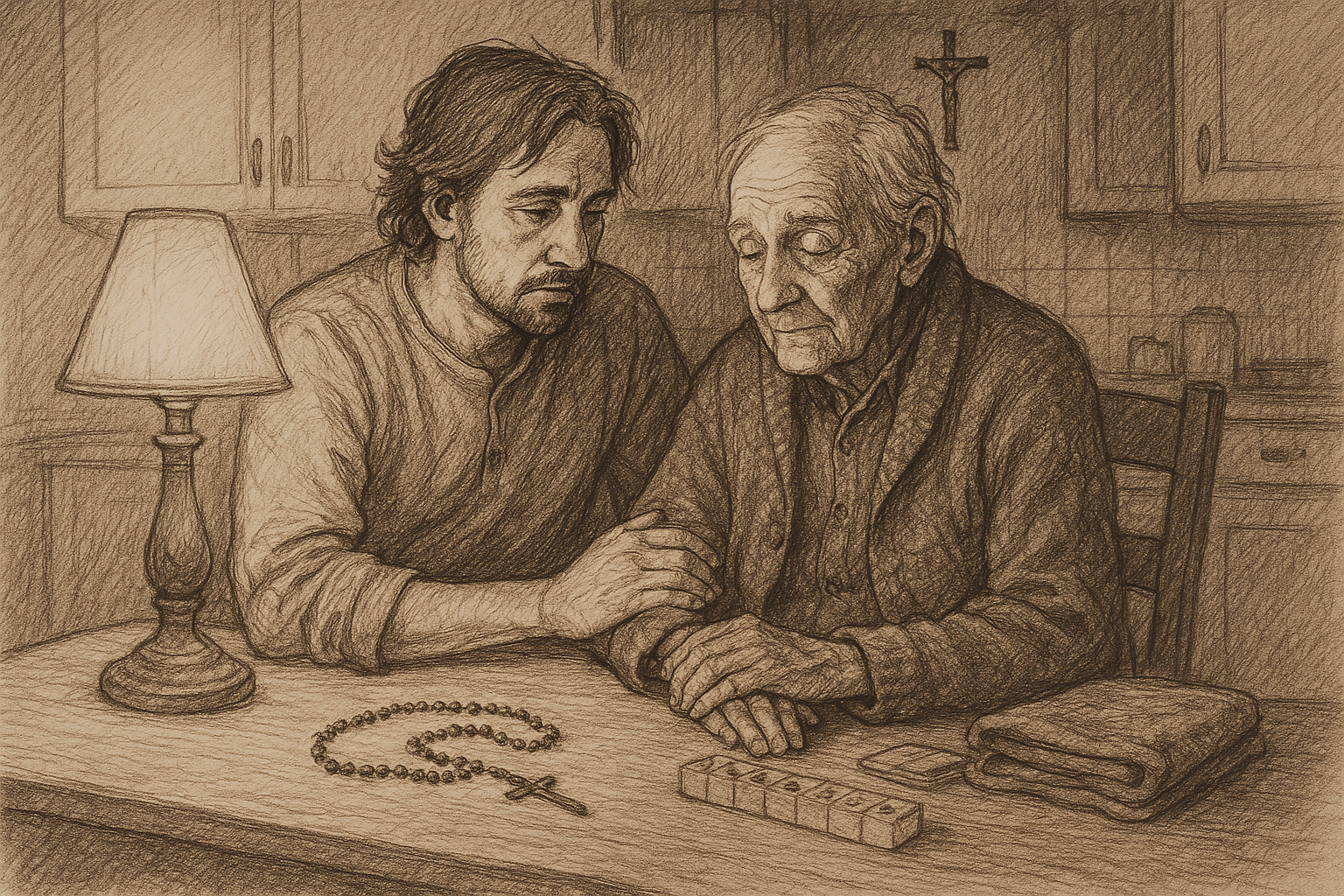
Wise spiritual directors, confessors, parents, mentors, and faithful friends can help a person notice patterns that are hard to see from the inside. They may ask practical questions: Are you drawn to service or to admiration? Are you seeking communion or simply avoiding loneliness? Are you willing to obey? Do you have the human maturity needed for this path? These questions are not meant to shame. They help separate a true call from a passing attraction.
The book of Proverbs reminds us that "without counsel, plans go wrong, but with many advisers they succeed" Proverbs 15:22. This is not a mechanical formula, but it is sound wisdom. God often speaks through the Church in ordinary, embodied ways.
Human freedom and God's grace work together
Catholic vocation discernment avoids two extremes. One extreme says that everything depends on my own insight and willpower. The other says that if God really wants something, He will override my freedom and make it unmistakable. Catholic faith holds both freedom and grace together. God calls, but He does not treat the human person as a machine. He invites, illumines, strengthens, and gently directs, while still asking for a real response.
This is why discernment can feel demanding. A person must be willing to be changed. That can be unsettling, especially when the future seems tied to identity, family expectations, finances, or emotional security. Yet grace does not erase the person. It heals and perfects nature. A man who is called to priesthood does not cease to be himself. A woman called to marriage does not lose her dignity or freedom. A person called to consecrated life does not become detached from the world in a cold or abstract way. Rather, each vocation shapes the heart for a particular form of love.
Sometimes the hardest part is accepting that not every good desire is one's own call. Marriage is good. Priesthood is good. Religious life is good. A talented person may be genuinely drawn to several of these in different ways, but only one path can be lived as a full-time state of life. The presence of many good possibilities does not mean God is silent. It may mean the Lord is asking for patience and fidelity while the shape of the call becomes clearer.
Daily life reveals more than special moments do
People often imagine vocation discernment as something that happens in retreats, church halls, or moments of intense prayer. Those places matter. But vocation is also disclosed in daily habits. How do you handle responsibility? Do you serve quietly? Do you keep commitments? Can you live chastely, generously, and with discipline? Can you forgive? Can you accept correction? Can you be present to ordinary work without resentment?
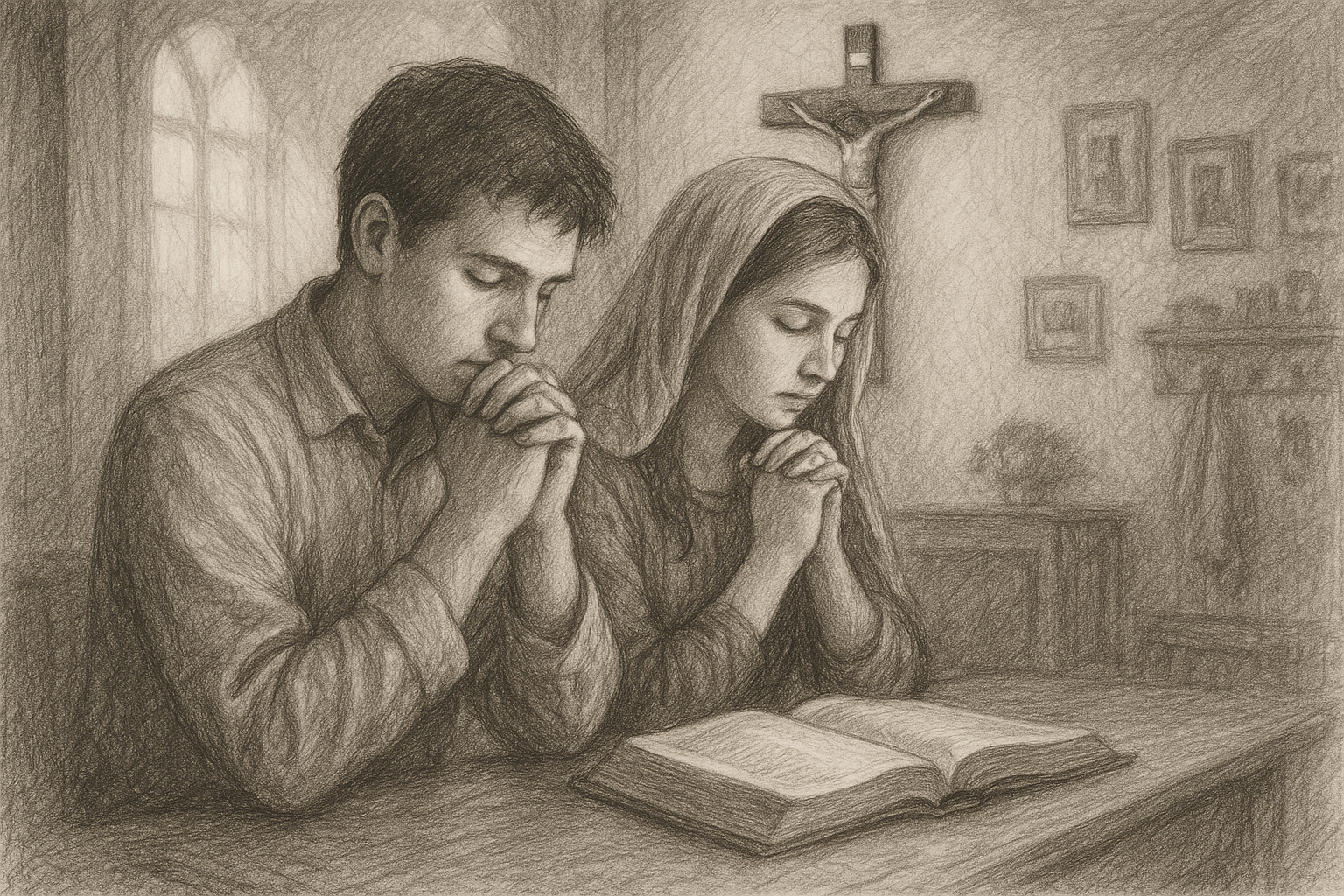
These questions are deeply vocational because a calling is never only about an abstract future. It is about a life already being formed now. Someone considering marriage should ask whether he or she is ready to give and receive love sacrificially in daily life, not merely in theory. Someone considering priesthood or religious life should ask whether he or she can live obedience, community, and apostolic service with sincerity. In every case, the pattern of small faithfulness matters.
Jesus teaches that "whoever is faithful in a very little is faithful also in much" Luke 16:10. This principle reaches into discernment. A vocation is not confirmed by imagination alone but by a person's willingness to live well where he or she already is. Grace often clarifies the future through the present.
Common struggles in discerning a vocation
Many Catholics know what it means to feel stuck. Some struggle with fear of regret. Others fear disappointing family or friends. Some are attracted to the beauty of a calling but unsure they are holy enough or strong enough. Some worry that they have already missed their chance. These burdens are real, and they can weigh heavily on the soul.
Fear of regret can make a person demand impossible certainty. But vocation is not a contract with the future guaranteed against sorrow. Every state of life contains sacrifice and trust. The question is not whether one will face difficulty, but whether one is willing to love faithfully where God places him or her. Likewise, fear of inadequacy can hide pride in a surprising form. It can suggest that the call depends entirely on personal excellence. In reality, God equips those He calls. He does not wait for perfection; He asks for surrender.
Family pressure can also complicate discernment. Families often want security, stability, and a clear path for their children. Those desires are understandable. Yet a Catholic family should ultimately want what God wants, even when His call does not match every expectation. Healthy families support discernment with honesty, prayer, and freedom. They do not use guilt as a substitute for guidance.
Then there is the struggle of delay. A person may keep waiting for perfect clarity, but discernment often involves making the next faithful choice rather than solving the whole future at once. Sometimes the Lord permits uncertainty so that trust can grow. Abraham was called to go without knowing all the details Genesis 12:1. That pattern is still familiar to believers today.
How grace shapes the discernment process
Grace does not simply make discernment easier. It makes discernment possible. The Holy Spirit sharpens conscience, strengthens virtue, and gives courage to follow through. Grace also teaches patience. Not every season of waiting is a sign of failure. Sometimes waiting is itself part of the answer. It can purify motives, deepen prayer, and reveal whether a desire is anchored in love or in restlessness.
It is helpful to remember that peace in discernment is not always emotional excitement. Sometimes it is a quiet steadiness, a sense that one can take the next step without pretending to control the whole road ahead. At other times, grace may allow holy discomfort if a person is resisting the truth. The presence or absence of strong feeling alone is not enough. Discernment asks for humility, perseverance, and a willingness to be taught.
Mary offers the most luminous model. She does not receive an explanation for everything. She receives a call, a promise, and the grace to say yes. Her surrender is not passive. It is active, intelligent, and loving. In her, Catholics see that vocation is not an escape from ordinary life but a transformation of it. The home, the workplace, the parish, the family table, and the hidden burdens of daily duty can all become places where God's call is answered.
Practical steps that keep discernment grounded
For someone actively discerning, a few habits can help keep the process grounded and honest:
- Pray daily, even if briefly, and ask for the grace to want what God wants.
- Receive the sacraments regularly, especially the Eucharist and Confession.
- Read Scripture slowly, especially passages about calling, trust, and surrender.
- Speak with a priest, spiritual director, or wise Catholic mentor.
- Pay attention to peace, fruitfulness, and growing virtue over time.
- Do not neglect ordinary duties while considering the future.
These practices do not replace God's action. They dispose the heart to receive it. Discernment is less like solving a puzzle and more like learning a relationship. The person who is listening well becomes more capable of hearing, and the person who is faithful in the present becomes more ready for what is next.
In the end, discerning a vocation Catholic perspective is about entrusting one's life to the Father who knows His children better than they know themselves. He is not stingy with light. He gives enough grace for each stage, enough truth for each decision, and enough mercy for every stumble along the way. The call may take time to become clear, but the Lord is already present in the waiting, already shaping the soul, already leading it toward the love for which it was made.
Keep Reading on Lets Read The Bible
Frequently Asked Questions
How do I know if I am discerning a real vocation or just a passing feeling?
A real vocation usually becomes clearer over time through prayer, sacramental life, wise counsel, and the growth of peace, humility, and charity. A passing feeling may be intense at first but often fades without bearing lasting fruit in virtue or responsibility.
What if I feel called to more than one vocation?
That is common. Many good callings can seem attractive for different reasons. In discernment, the Church encourages prayer, counsel, and patience so a person can see which path God is actually inviting him or her to embrace fully.
Should family expectations decide my vocation?
Family advice can be helpful, but it should not replace prayerful discernment and freedom before God. A Catholic vocation is received from the Lord, though it should be pursued with honesty, respect, and charity toward one's family.