Family and Vocation
Listening for the Shape of God's Call in Ordinary Life
A Catholic reflection on discerning a vocation amid prayer, family life, and the quiet duties of each day.
Site Admin | October 29, 2025 | 94 views
Vocation is not a puzzle to solve, but a call to receive
Many Catholics think of discerning a vocation as if it were mainly a search for hidden information. We imagine that somewhere there is a precise answer waiting to be discovered, and that the main task is to uncover it quickly enough. In reality, discernment is usually slower, humbler, and more personal than that. God does not treat the human heart as a riddle to be cracked. He invites it into a relationship.
That is why a discerning a vocation reflection must begin not with anxiety, but with trust. The Lord who calls also guides. He does not hide the good path from those who sincerely seek Him. As Scripture says, the Lord is good and upright; therefore he shows sinners the way Psalm 25:8. The point is not to force certainty before its time, but to become attentive to the way God already works through grace, duties, desires, and the people He has placed around us.
The Church teaches that every baptized person has a vocation to holiness. That common call is the foundation of all the more particular vocations that may follow: marriage, priesthood, consecrated life, or a faithful single life lived in generous service. No one begins from nothing. We begin already summoned by Christ.
Discernment grows in the soil of prayer
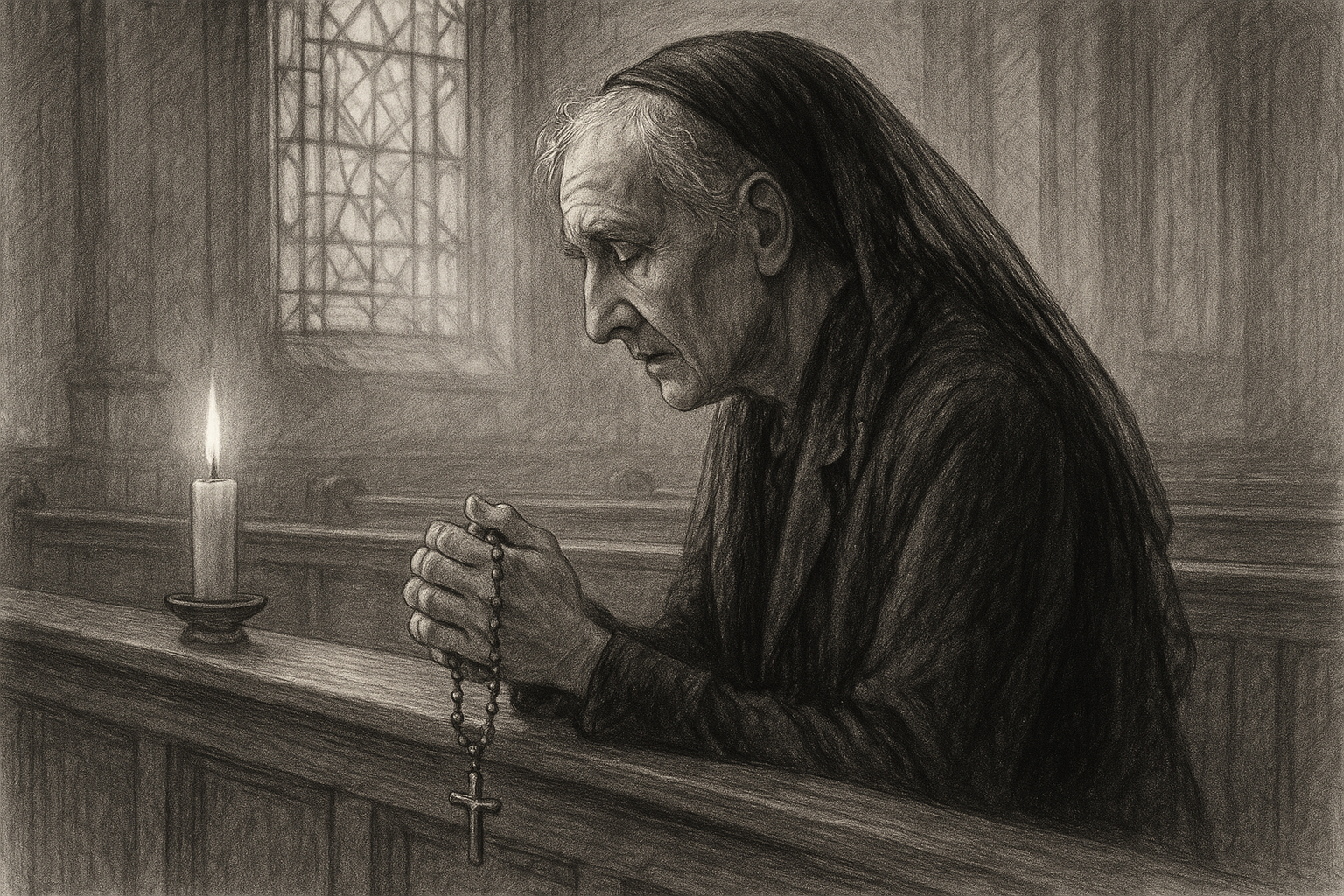
Prayer is not a decoration added after all the serious thinking is done. It is the place where discernment becomes possible. Without prayer, a person can confuse fear with prudence or excitement with peace. With prayer, the heart becomes more honest.
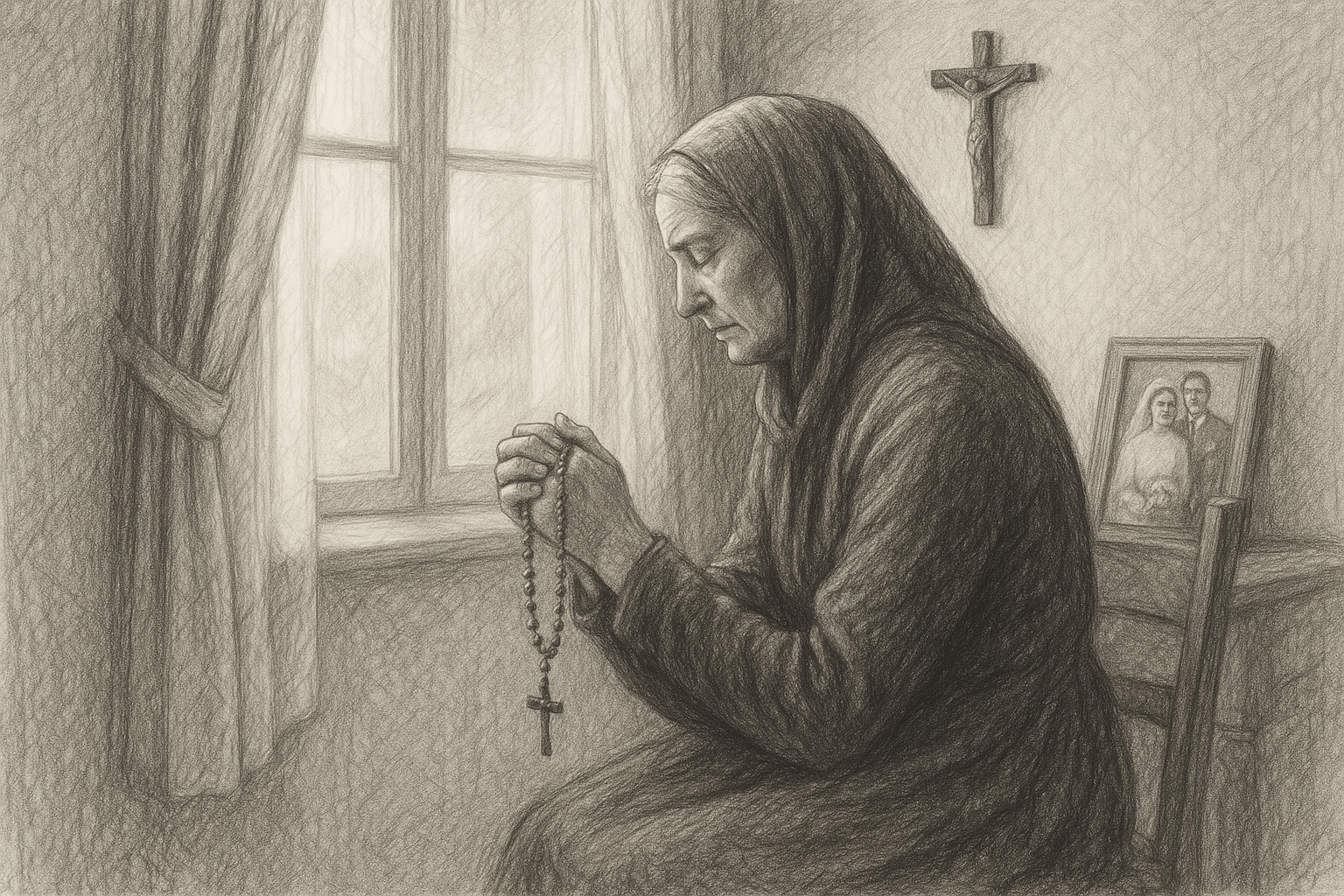
One of the most helpful habits is to bring the question before God regularly and plainly. A person discerning marriage, priesthood, religious life, or another state of life can pray in simple words: Lord, show me what belongs to Your will. Give me the grace to desire what You desire. Keep me from both presumption and cowardice. Such prayers matter because they shape the heart toward docility.
In the Gospels, Jesus often withdraws to pray, and He teaches His disciples to remain watchful. He tells them, Watch and pray that you may not enter into temptation Matthew 26:41. Discernment needs that same watchfulness. It asks a person to notice what draws the soul toward faith, hope, and charity, and what slowly weakens them.
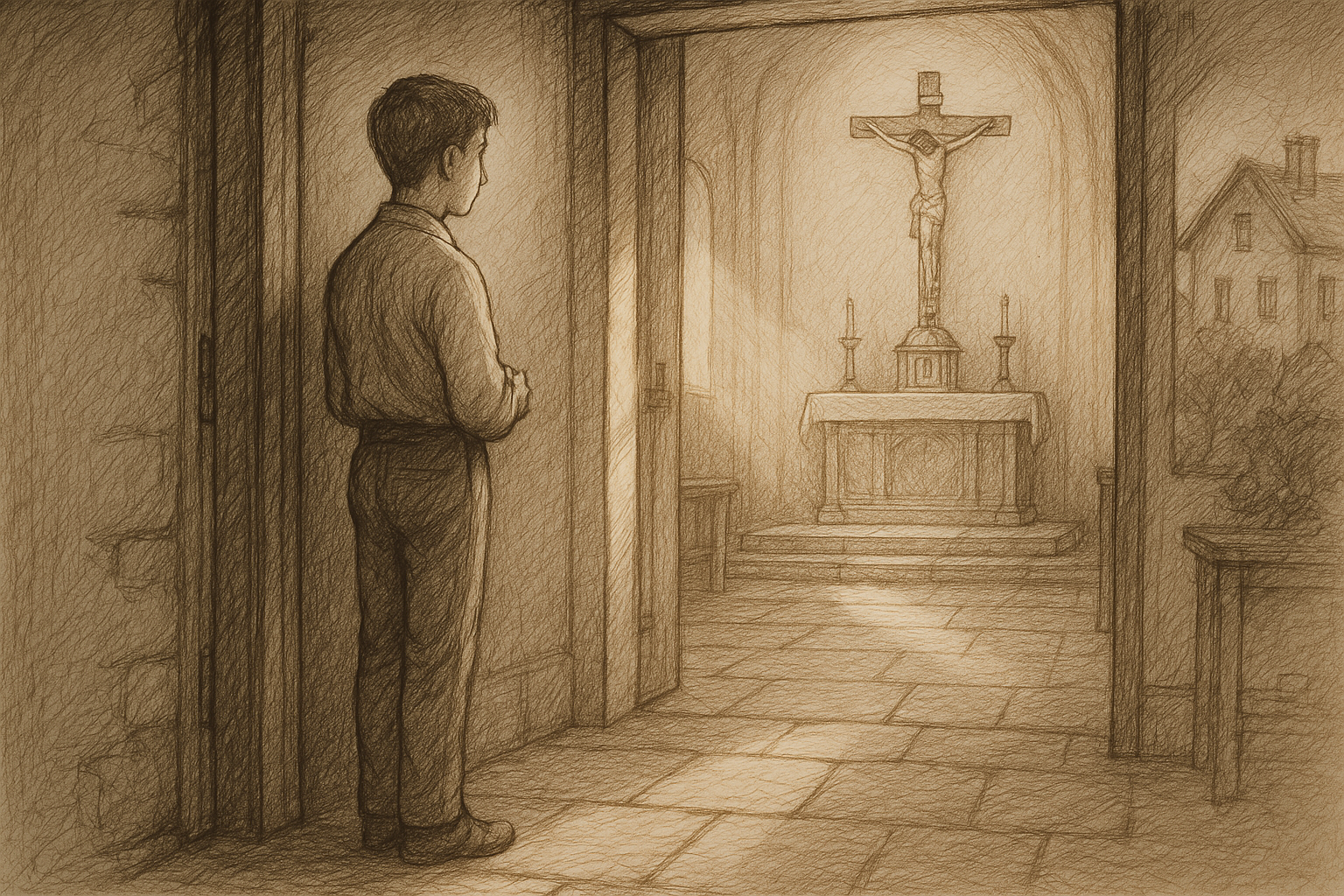
It also helps to pray with Scripture. Passages like the call of Samuel, the vocation of the apostles, or Mary's Fiat are not just inspiring stories. They reveal the pattern of a God who calls by name and asks for a free response. Samuel learns to say, Speak, Lord, for your servant is listening 1 Samuel 3:10. That sentence remains one of the clearest prayers for anyone trying to discern a vocation.
Family life often reveals vocation before it names it
For many people, the first place vocation becomes visible is the family. A home teaches whether a person has learned patience, whether sacrifice feels impossible or natural, whether service is resented or offered freely. This is not a matter of perfection. It is about formation. Family life gives daily opportunities to practice fidelity, forgiveness, and responsibility, and those habits later matter a great deal in any vocation.
Parents and children alike can misunderstand discernment if they think it is only about leaving home or choosing a future role. Often God speaks through the ordinary duties already given. A young adult may wonder whether to enter religious life, but the Lord may first be asking whether that person can serve faithfully at home, at work, and in parish life. A married couple may wonder how to support a child's future, but the Lord may first be asking them to create an atmosphere where a call can be heard without pressure.
In Catholic life, no vocation is isolated from the rest of the body of Christ. A family that prays together, attends Mass, and lives with sacramental realism makes discernment more believable. Children see that holiness is not a fantasy. Spouses see that love is not merely feeling. Every home can become a small school of discernment when its members learn that God is present in tasks as well as in inspirations.
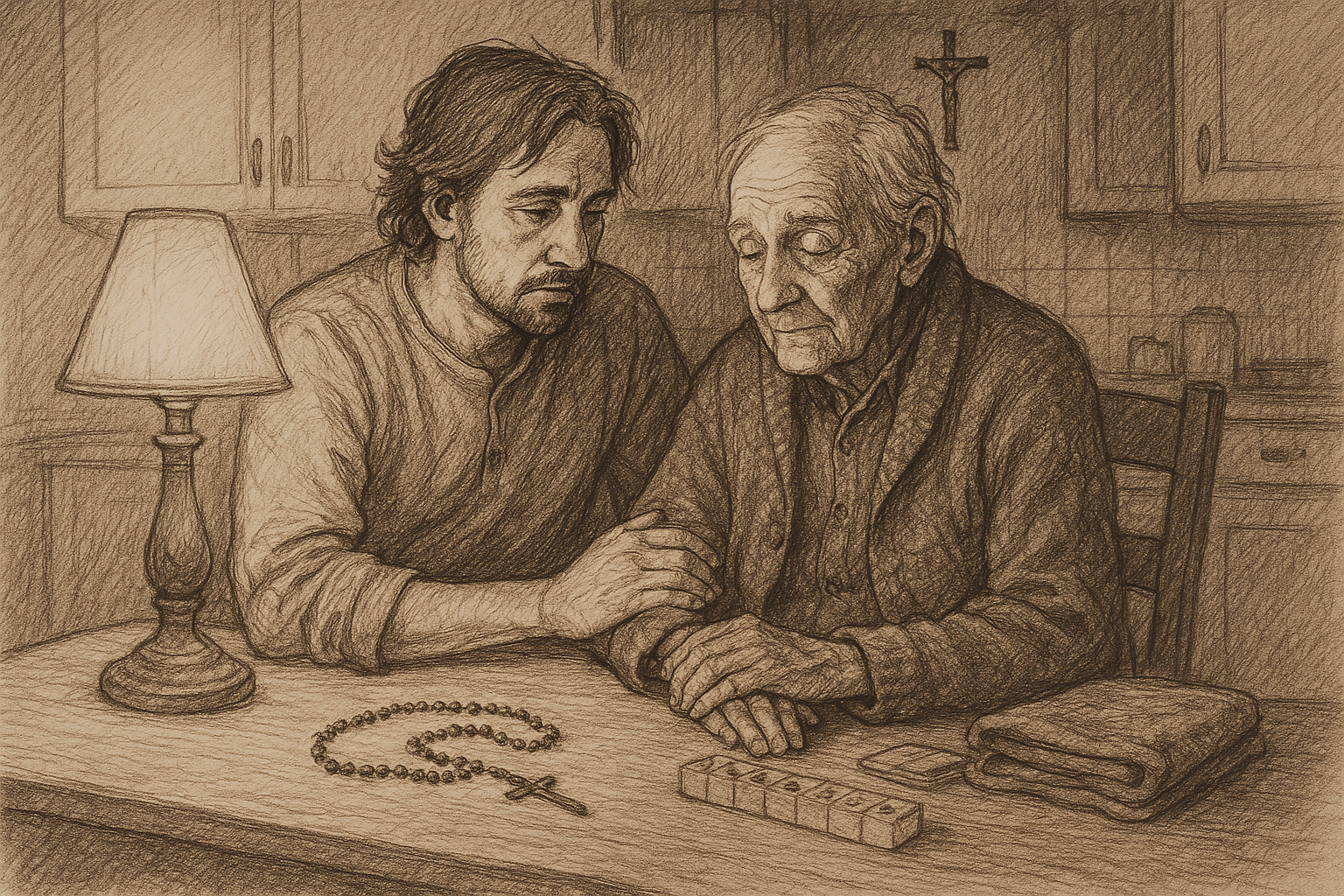
St. Paul writes, Whatever you do, do everything for the glory of God 1 Corinthians 10:31. That includes caring for siblings, tending an elderly parent, working with diligence, or making room for prayer in the middle of a crowded household. Vocational clarity often grows out of these very things.
The Church asks for freedom, not performance
One reason discerning a vocation becomes difficult is that people can turn it into a performance. They try to say the right phrases, feel the right feelings, or produce a kind of spiritual drama. But the Church does not ask for theatrical certainty. She asks for freedom.
True discernment is not about proving how pious a person is. It is about learning where one can love most fruitfully and most faithfully. That freedom includes the willingness to be surprised. A person may once imagine that only one path would make life meaningful, and later discover that God is inviting them elsewhere. That change is not a failure. It is sometimes a sign of growth.
Freedom also means honesty about one's gifts and limitations. Not every attraction is a call. Not every fear is a sign to retreat. Not every desire is selfish, and not every sacrifice is automatically holy. Mature discernment considers temperament, health, duties, counsel, and interior peace. It also respects the moral demands of the present moment. A person cannot discern well if he or she is neglecting the commandments, living in serious sin, or refusing ordinary responsibilities.
The Church's wisdom here is beautifully practical. A vocation is not discovered in abstraction. It is recognized in the context of grace. The call of God does not destroy nature. It perfects it.
Peace is not the same as ease
People often expect discernment to end with a feeling of effortless comfort. But the peace that belongs to God is deeper than ease. It may coexist with sacrifice, uncertainty, or a temporary lack of full understanding. The key question is not whether a path appears painless. The key question is whether it leads the soul toward greater fidelity to Christ.
Jesus does not promise a life free from cost. He says, If anyone would come after me, let him deny himself and take up his cross daily and follow me Luke 9:23. That saying applies to every Christian vocation. Marriage asks for self-gift. Priesthood asks for self-gift. Religious life asks for self-gift. Even single life, when lived as a vocation, asks for self-gift. The cross is not a sign that one has chosen badly. It is often the very place where love becomes real.
This is why a discerning a vocation reflection should pay attention to peace in the deeper sense. Does one move closer to humility, obedience, and charity? Does one become more willing to serve? Does prayer become more honest? Does the soul grow more stable rather than more frantic? Such fruits matter more than emotional intensity.
Sometimes the clearest sign is not a dramatic certainty, but a growing capacity to say yes with simplicity. The soul begins to recognize that God is not competing with human fulfillment. He is the one who gives it its proper form.
Wise counsel protects discernment from self-deception
No one discerns well alone. Catholic discernment is personal, but it is never private in the sense of being sealed off from the wisdom of the Church. Spiritual direction, the sacraments, and the counsel of mature believers can prevent a person from making a false certainty out of a passing mood.
A priest, a faithful spiritual director, or trusted Catholic mentors can help test whether a desire is growing in virtue or simply feeding ego, fear, or novelty. Good counsel does not replace conscience. It clarifies conscience. It helps a person ask whether the proposed path is truly compatible with holiness and duty.
The sacraments are equally important. Reconciliation cleanses the heart and helps a person name sin honestly. The Eucharist unites the believer more deeply to Christ, who is the center of every true vocation. A person cannot discern clearly while habitually avoiding grace. Discernment is not merely a mental exercise. It is a spiritual posture sustained by sacramental life.
God often answers not by removing every uncertainty at once, but by giving enough light for the next faithful step.
That kind of light is usually sufficient. God rarely gives the whole map. He gives the next step, and then the next. This can feel slow, but slowness is not the enemy of holiness. Sometimes it is its servant.
What to do when the path still feels unclear
Not every sincere person will arrive quickly at a settled answer. That is not a reason for despair. It may simply mean that more patience is needed. In seasons of uncertainty, it can help to keep three things in view.
- Remain faithful to the present duty. The future cannot be discerned well by ignoring today's responsibilities.
- Continue praying with honesty. Ask for light, but also for the grace to accept whatever answer God gives.
- Observe the fruits over time. Patterns matter more than moments. Repeated peace, growing generosity, and a stable attraction to service often speak more clearly than one intense feeling.
It is also important not to mistake delay for refusal. Some vocations are confirmed gradually. Others become clear only after a period of testing. The Lord who called the apostles one by one also formed them over time. Their understanding matured through walking with Him.
In the end, discerning a vocation is not mainly about choosing a life that looks impressive from the outside. It is about discovering where Christ is asking for your love in a concrete way. For some, that will mean the covenant of marriage and the hidden sanctity of ordinary fidelity. For others, it may mean ordained ministry or consecrated life. For still others, it may mean a single life poured out in service, friendship, work, and prayer. The shape differs, but the purpose is the same: to belong more fully to the Lord who first called us by name.
And so the question is not only, What do I want to do with my life? The deeper question is, Lord, how do You want my life to become a gift? When that question is asked sincerely, day after day, the answer often begins quietly, in the very place where faith is already being lived.
Keep Reading on Lets Read The Bible
Frequently Asked Questions
How can I tell if God is calling me to marriage or religious life?
Begin by praying consistently, receiving the sacraments, and speaking with a trusted priest or spiritual director. Look for where you grow in peace, generosity, and fidelity to Christ. A real vocation usually becomes clearer through time, not pressure.
What if I feel confused and do not have a strong sense of direction?
Confusion does not mean failure. Stay faithful to your present duties, keep praying, and ask for guidance in small steps. Discernment often unfolds gradually, especially when a person is trying to listen with humility rather than force an answer.
Can family responsibilities be part of vocation discernment?
Yes. Family life often forms the habits that make discernment possible, such as patience, sacrifice, and responsibility. Caring for family members may also be part of God's call in a particular season, so it should be received seriously and prayerfully.