Marian Devotion
Fatima and the Mercy That Calls the Heart Home
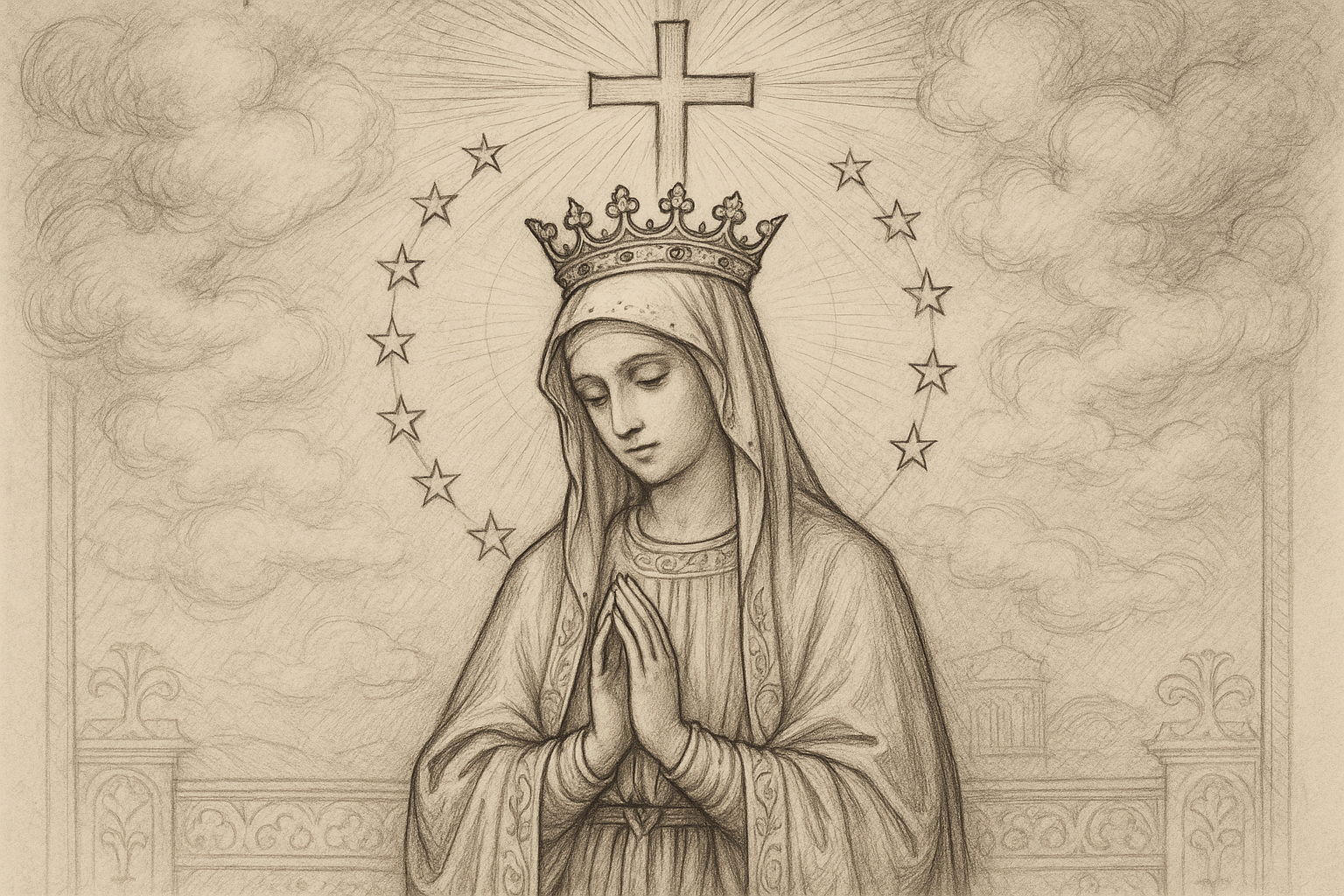
Our Lady of Fatima points not to herself, but to the saving invitation of Christ, calling the Church to prayer, repentance, and trust.
Site Admin | April 13, 2026 | 95 views
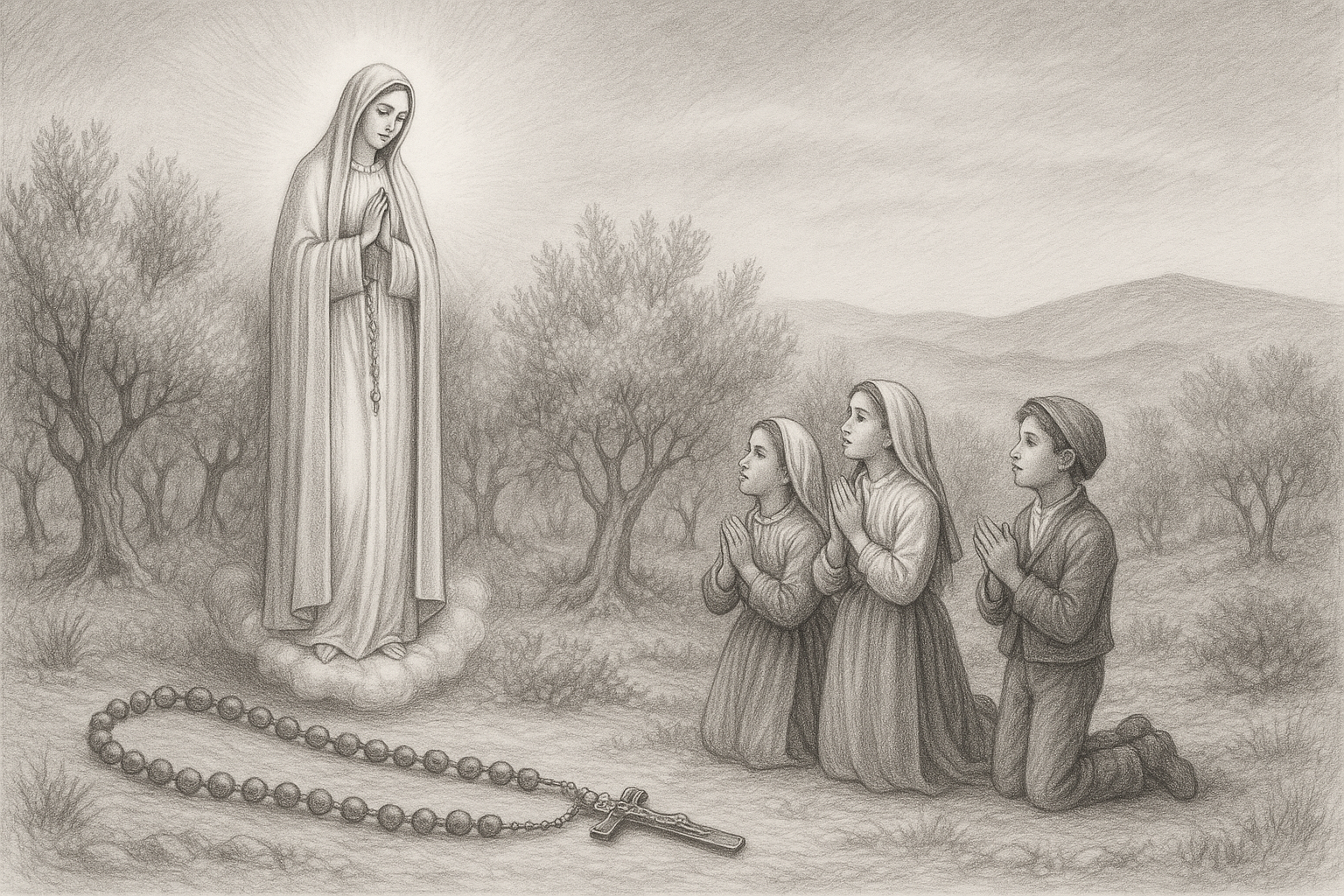
Our Lady of Fatima holds a special place in Catholic devotion because her message is both tender and urgent. When the Blessed Virgin appeared to the shepherd children in Portugal in 1917, she did not bring novelty for its own sake. She repeated what the Gospel has always asked of every age: prayer, penance, conversion, and trust in God. That is why Our Lady of Fatima explained is not merely a story about private revelation. It is a call to live the Christian life more seriously, more prayerfully, and more faithfully.
The Church treats Marian apparitions with prudence. Catholics are not required to believe in them as they believe the truths of the Creed. Yet when the Church approves a devotion connected to an apparition, she usually recognizes that nothing in it contradicts the faith and that it may help the faithful respond more deeply to the Gospel. Fatima belongs in that category. Its message is not a replacement for Scripture or the sacraments. It is a reminder of their power.
Fatima in the light of the Gospel
The heart of Fatima is conversion. That word is woven through the whole Bible. John the Baptist begins his preaching with the command, repent, because the kingdom of heaven is at hand. Jesus Himself begins in the same way, calling His listeners to turn their hearts toward God and believe the good news. The message is not harsh. It is merciful, because conversion is the doorway to life.
Mary's role at Fatima is entirely in harmony with this biblical pattern. At the Wedding at Cana, she points the servants to Christ with words that remain a perfect Marian summary: Do whatever he tells you. Mary never draws attention to herself for her own sake. She directs the heart toward her Son. Fatima does the same.
In the Scriptures, God often sends warning together with mercy. The prophets cry out not because God is eager to condemn, but because He desires His people to return. This is the tone of Fatima as well. The call to prayer and penance is not meant to frighten the faithful into despair. It is meant to awaken hope. When a mother sees danger approaching, she does not stay silent. She speaks so that her children may live.
What the message asked of the children
The apparitions to Lucia, Francisco, and Jacinta were marked by simplicity. The children were not scholars or public figures. They were poor, young, and largely unnoticed. That detail matters. God often chooses the lowly to reveal what the powerful ignore. Scripture is full of this pattern. David is the youngest son, yet he is chosen. Mary herself sings that God has looked upon the lowliness of His handmaid and has lifted up the lowly. The world measures worth by visibility, but Heaven measures by receptivity.
At Fatima, the children were asked to pray the Rosary, offer sacrifices for sinners, and live in deeper solidarity with the suffering members of the Church. These requests are deeply Catholic because they fit the logic of the Body of Christ. No prayer is wasted. No hidden sacrifice offered in love is lost. In the mystery of Christ, even small acts can bear great fruit when united to grace.
The request for prayer for sinners also echoes the New Testament. Saint Paul urges believers to make supplications, prayers, intercessions, and thanksgivings for all people. The Church does not pray only for herself. She prays for the world. She prays for those who are near and those who are far away, for the faithful and for those who have wandered, for the living and the dead. Fatima reminds Catholics that mercy is never meant to stop with us.
Mary, mother and teacher of prayer
Many Catholics are drawn to Fatima because it presents Mary as near, maternal, and clear. She is not distant. She speaks with the calm authority of a mother who knows what her children need. Her presence does not compete with Christ. It makes Christ more visible.
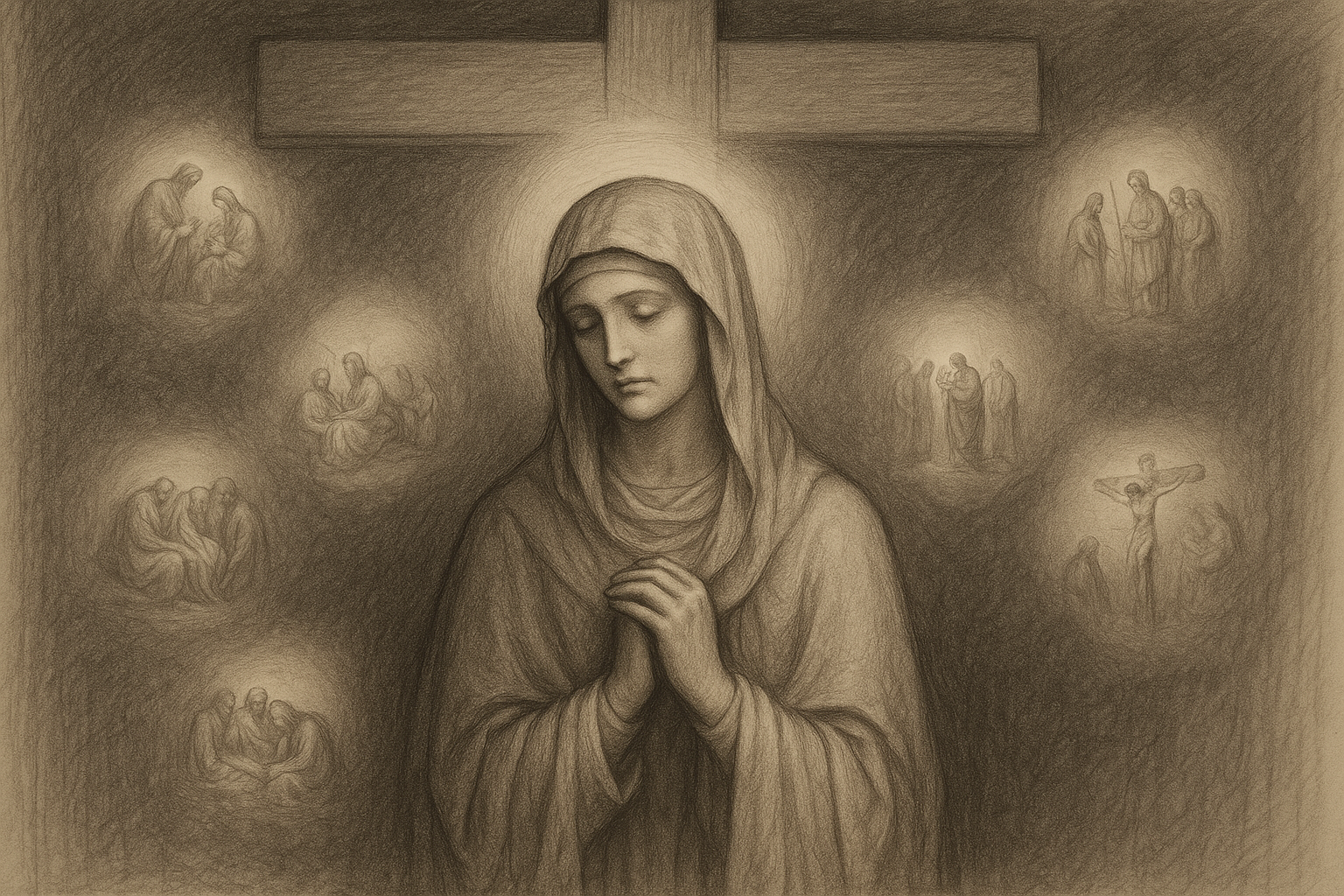
The Rosary stands at the center of Fatima devotion for that reason. It is a prayer that contemplates the mysteries of Christ through the eyes of Mary. As Catholics pray the decades, they meditate on the life, death, and resurrection of the Lord, asking Mary to help them enter those mysteries with faith. The Rosary is not empty repetition. It is a school of attention. It trains the soul to remain with Jesus through joy, sorrow, glory, and light.
Fatima also reminds Catholics that prayer is not separate from life. It is meant to shape daily habits. A person who prays the Rosary regularly begins to see time differently. The day is no longer only a list of tasks. It becomes an offering. Suffering is not meaningless. It can be joined to Christ. Work, family life, fatigue, and fear can all be placed in the hands of God.
Mary's message at Fatima can be heard as a motherly echo of the Gospel itself: return to God, trust in His mercy, and pray with perseverance.
The place of penance in Catholic life
Modern ears can find the language of penance uncomfortable, but the Church has never treated it as a punishment separated from love. Penance is a response to grace. It is the soul's willing cooperation with God's mercy. When Fatima asks for sacrifice, it is not promoting a bleak spirituality. It is showing that love has a cost and that love is willing to pay it.
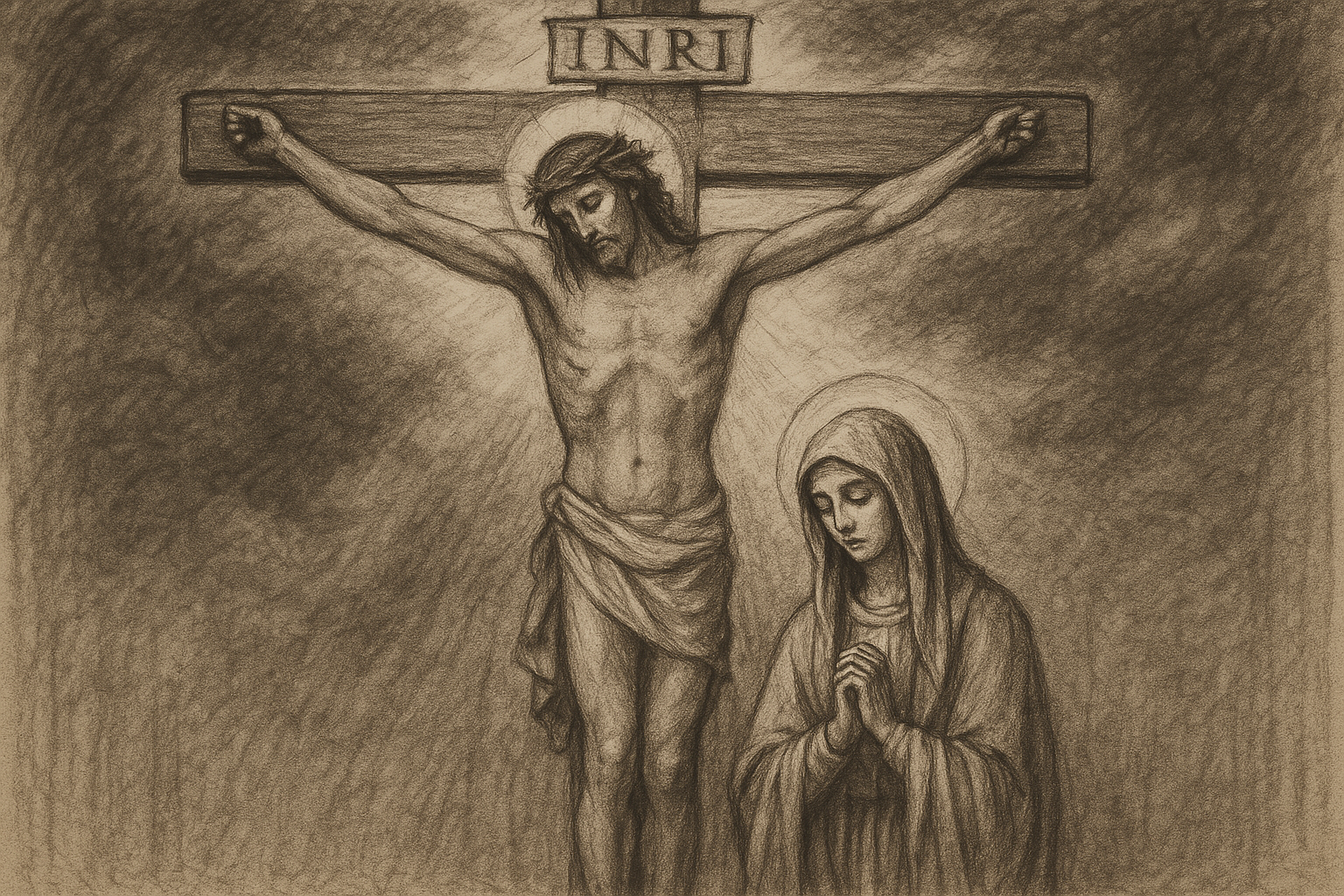
Jesus Himself speaks of taking up the cross daily. That is not a poetic exaggeration. Christian discipleship includes self-denial, patience, and endurance. Penance can be small and hidden. It can mean fasting, giving up a comfort, persevering through a difficult duty, or offering a quiet suffering for another person's good. In Catholic life, such acts are meaningful because they are joined to the sacrifice of Christ.
This is one reason Fatima remains so fruitful. It speaks to ordinary believers. Most Catholics are not called to extraordinary public acts. They are called to fidelity in the home, the parish, the workplace, and the heart. Fatima honors the holiness of the ordinary. It teaches that sanctity is not reserved for dramatic lives. It is available to those who pray, repent, and keep going.
Why the message still reaches modern Catholics
Fatima continues to speak because the human heart has not changed. People still struggle with distraction, fear, division, and sin. Families still need peace. Nations still need conversion. The Church still needs prayer. The world still needs mercy. Fatima addresses all of this without sentimentalism.
Its urgency is especially striking because it does not present itself as a message of self-improvement. It is a summons to relationship. God is not merely asking for better behavior. He is inviting His children back to Himself. That is the deeper logic of every authentic Christian conversion. Sin isolates. Grace restores communion.
It is also worth remembering that Marian devotion at its healthiest always leads to the sacraments. The Rosary supports confession, Eucharistic adoration, and the Mass. A Catholic who loves Fatima should not stop at external devotion. The real goal is a life more fully surrendered to Christ. Mary leads the faithful there as surely at Fatima as she did at Cana and at the foot of the Cross.
A practical way to live Fatima today
For many readers, the question is not whether Fatima is beautiful, but how to receive its message in daily life. The answer need not be complicated. Begin with prayer that is faithful rather than impressive. A decade of the Rosary prayed attentively is better than a long prayer said without the heart. Ask Mary to teach you how to listen.
Then choose one concrete act of penance. It may be fasting from unnecessary noise, limiting a habit that weakens your discipline, or making a hidden sacrifice for someone who is struggling. Offer it with love. Keep it small enough to sustain and sincere enough to matter.
Finally, pray for conversion, beginning with your own. Fatima is not first a message for the world out there. It is a message for the interior life. Where does my heart need to return to God? What do I resist? What do I excuse? Where am I being invited to trust more deeply? These questions are not comfortable, but they are fruitful.
The children of Fatima learned that holiness is possible in hidden places. That remains true. A kitchen, a classroom, a hospital room, a workshop, a parish pew, or a quiet corner of the house can all become places of grace when prayer is real. Mary does not ask for perfection before discipleship begins. She asks for openness. And once the heart opens, Christ begins His work.
In that way, Our Lady of Fatima remains a gentle but firm companion for Catholics who want to take the Gospel seriously. She leads us toward prayer that perseveres, repentance that heals, and hope that does not give way to fear. And like every true mother in the life of faith, she brings us back to her Son.
Keep Reading on Lets Read The Bible
Frequently Asked Questions
What is the main message of Our Lady of Fatima?
The main message of Fatima is a call to prayer, penance, conversion, and trust in God, especially through devotion to the Rosary and concern for sinners.
Do Catholics have to believe in the Fatima apparitions?
No. Catholics are not required to believe private revelations such as Fatima. However, when the Church approves a devotion, the faithful may receive it as a helpful aid to living the Gospel.
How can a Catholic practice Fatima devotion today?
A Catholic can pray the Rosary regularly, offer small sacrifices, go to confession, attend Mass faithfully, and pray for conversion in personal life and in the world.