Marian Devotion
Lourdes and the Mercy That Leads the Heart to Christ
How the apparitions at Lourdes invite Catholics to prayer, repentance, and trust in Jesus the healer
Site Admin | April 10, 2026 | 71 views
When Catholics speak about Lourdes, they often think first of healing. The spring, the grotto, the pilgrims, and the stories of grace have made the small French town a place of worldwide devotion. Yet the deepest meaning of Lourdes is not simply that God sometimes grants physical cures there. It is that Our Lady points beyond herself to her Son, calling sinners to prayer, repentance, and trust.
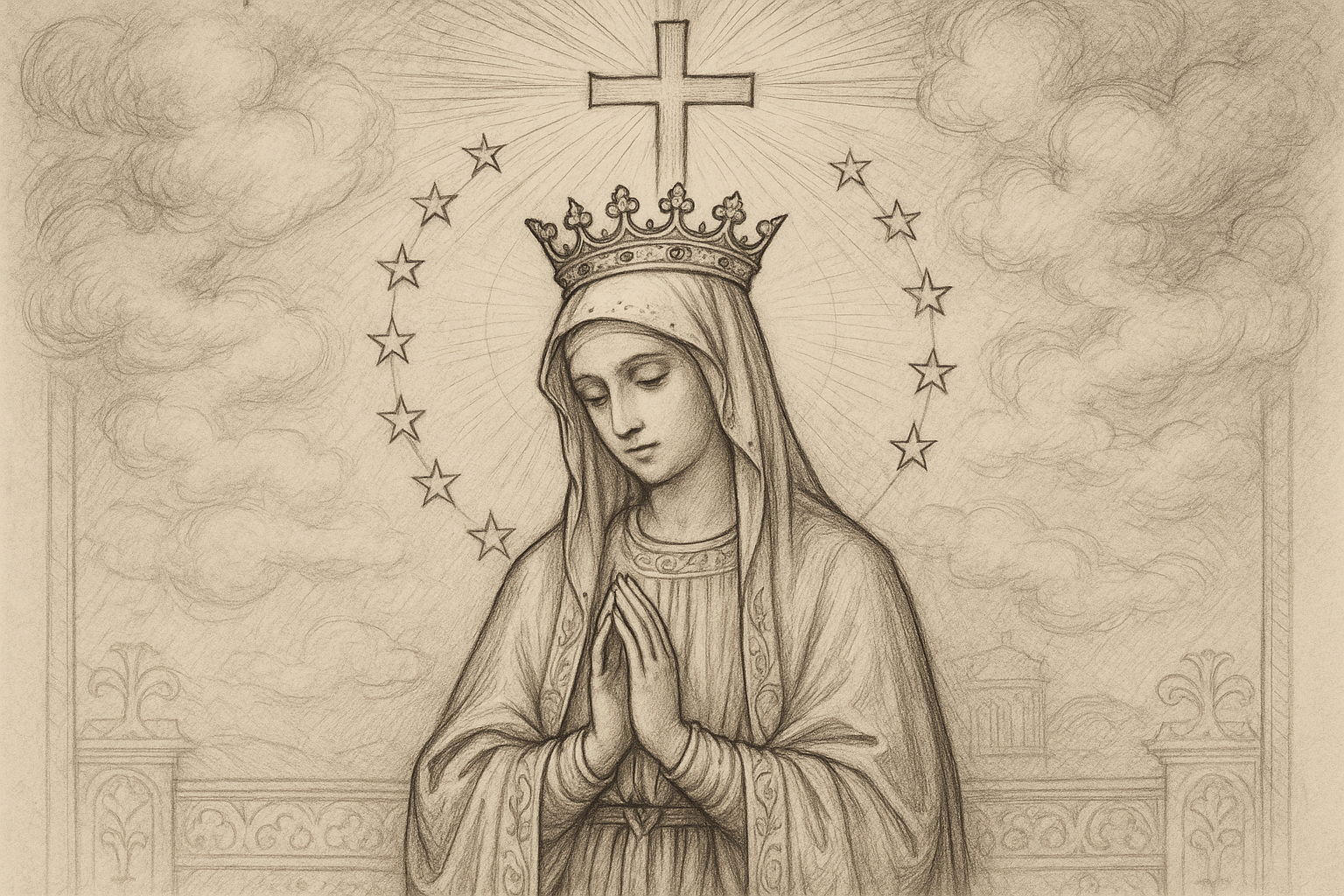
The Our Lady of Lourdes Catholic meaning is found in that movement of the heart. Mary does not replace Christ. She leads to him. She does not stand in the place of salvation. She serves the one Savior whose mercy reaches the suffering, forgives sin, and restores hope. Lourdes is a Marian shrine because Mary appears there as mother and intercessor, but it is Christ who remains at the center of every grace.
The story of Lourdes
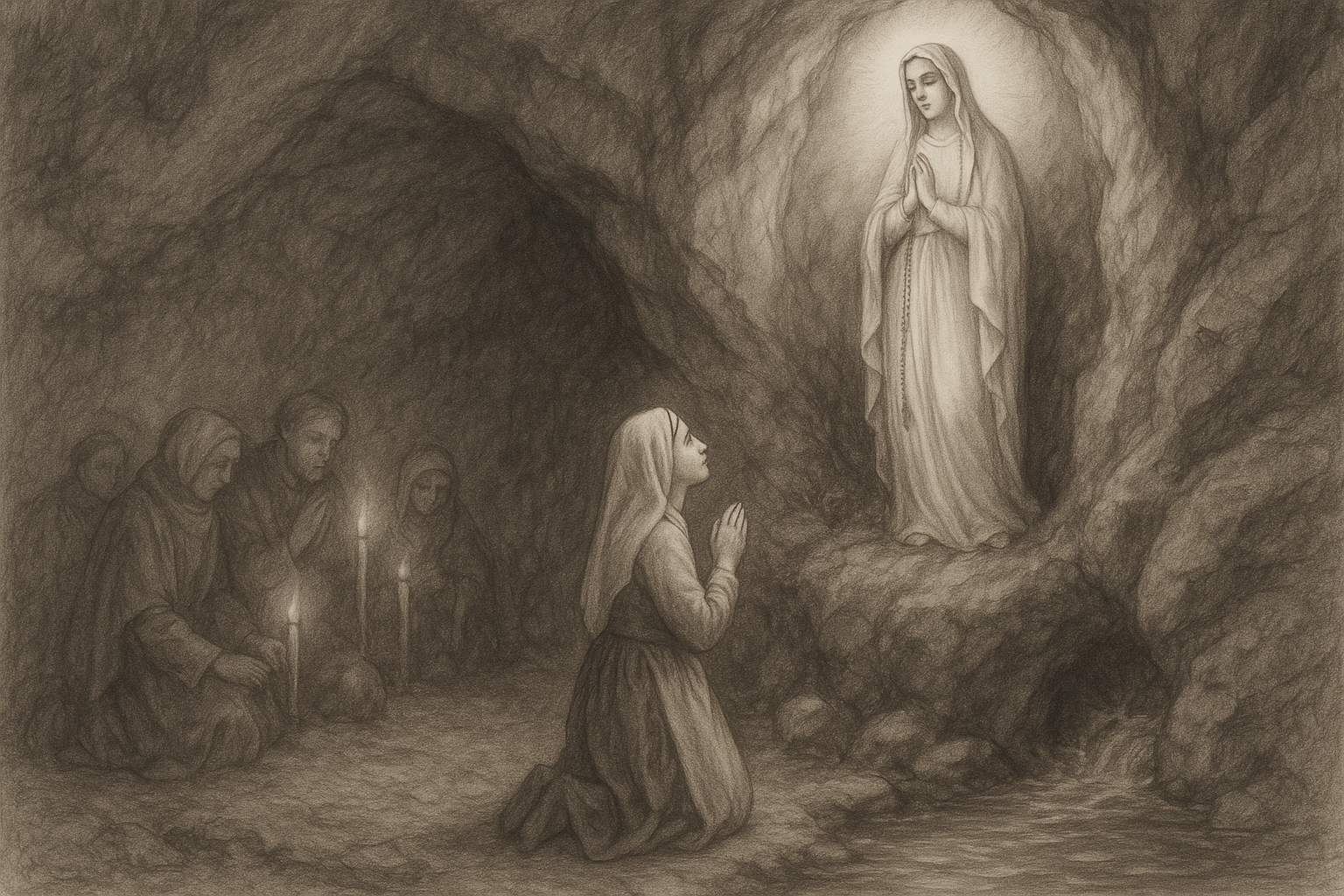
In 1858, the Blessed Virgin Mary appeared to St. Bernadette Soubirous near the grotto of Massabielle in Lourdes, France. Bernadette was a poor, simple girl, not a person of worldly importance. That detail matters. Throughout salvation history, God often chooses the lowly to receive and bear witness to his work. Mary herself praised this way of acting in the Magnificat: He has put down the mighty from their thrones, and exalted those of low degree.
At Lourdes, Mary called for prayer, penance, and trust in God. She asked for a chapel to be built, and she guided Bernadette to the spring. The waters that later drew so many pilgrims became a sign of cleansing and mercy. Catholics do not believe the water is magical. Rather, they see it as a sacramental sign that God can use material things to awaken faith and communicate grace.
The Church is careful in how it receives Marian apparitions. Private revelations do not belong to the deposit of faith. Catholics are not required to believe them as they believe the Creed. When the Church approves an apparition, she is saying that it contains nothing contrary to faith and that it may safely be received as a help to devotion. In that sense, Lourdes stands as a trustworthy place of prayer, not as a new gospel, but as a strong reminder of the old one.
Mary always points to Jesus
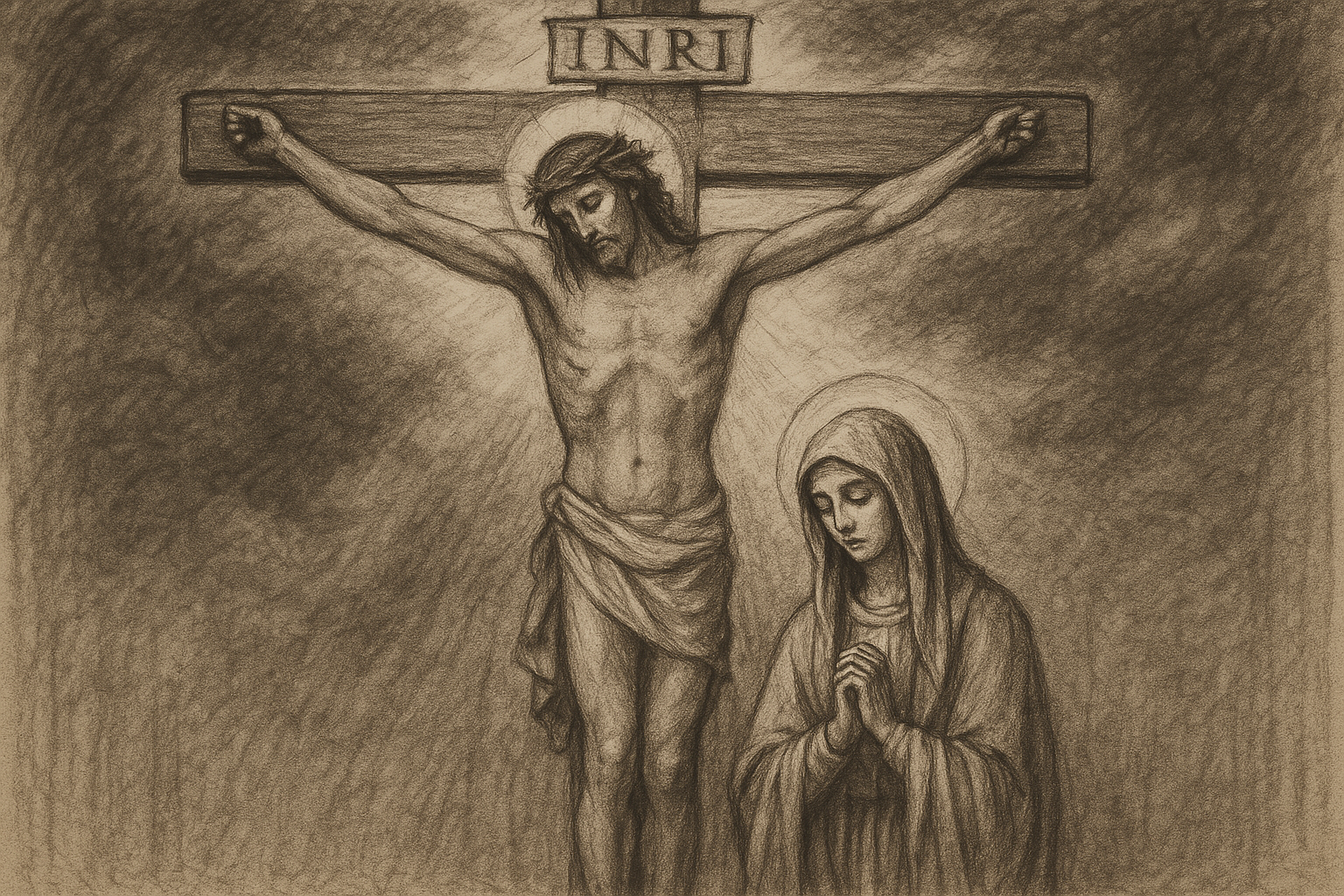
One of the clearest lessons of Lourdes is that authentic Marian devotion never competes with devotion to Christ. At Cana, Mary said to the servants, Do whatever he tells you. That brief command captures her whole spiritual role. She notices need, brings it before her Son, and directs others to obedience. Lourdes follows the same pattern.
This is why Catholics can love Mary without confusion. The Church honors her as the Mother of God because her Son is truly divine and truly human. She is the first and fullest disciple, the woman who believed the word of the Lord and gave him flesh from her own body. Her greatness is entirely dependent on Christ. Every true Marian devotion magnifies him rather than reducing him.
At Lourdes, the faithful encounter this truth in a very concrete way. Pilgrims do not come only to admire Bernadette or the beauty of the grotto. They come to pray the Rosary, to ask for healing, to confess sin, to adore the Lord, and to return to the sacraments. The Blessed Mother gathers the Church like a mother gathers children around her Son.
Healing as a sign, not a spectacle
The healing associated with Lourdes deserves reverence and sobriety. Some pilgrims receive physical cures. Others do not. Many more receive something less visible but no less real: peace, courage, repentance, or the strength to bear suffering with hope. Catholic faith does not measure divine love only by dramatic outcomes. Sometimes the greater miracle is conversion.
Scripture presents healing as part of Christ's saving work. Jesus healed the sick, restored the broken, and revealed the compassion of the Father. Yet even in the Gospel, not every suffering is removed immediately, and not every prayer receives the answer a person first expects. St. Paul learned that grace can be made perfect in weakness. The Lord said to him, My grace is sufficient for you, for my power is made perfect in weakness.
That truth helps Catholics understand Lourdes. A healing shrine is not a place where God can be controlled. It is a place where the sick and the burdened come before the Lord in humble trust. If a cure occurs, it is received with gratitude. If it does not, the pilgrim is still invited to deeper faith. Either way, the soul can meet Christ more honestly.
The Church's careful process for examining reported cures reflects that reverence. Testimony is reviewed, facts are studied, and the focus remains on whether the event can be attributed to natural causes. This is not skepticism for its own sake. It is respect for truth. Catholic faith is never afraid of evidence, because grace does not need falsehood to shine.
What Lourdes reveals about suffering
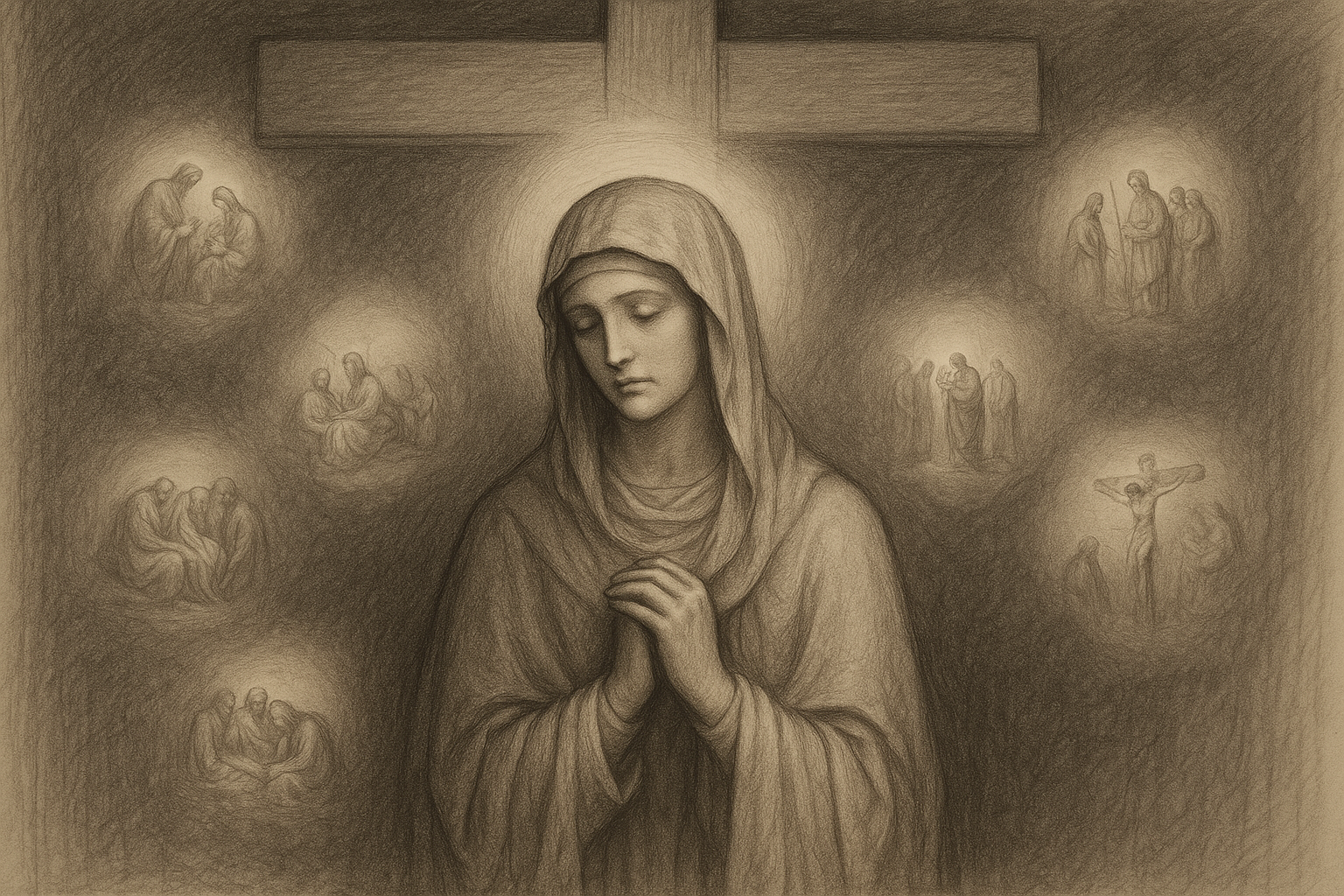
Lourdes speaks to the human experience of pain with unusual tenderness. Many who go there carry illness, chronic weakness, grief, or fear. In such moments, it is easy to imagine that suffering means distance from God. Lourdes says otherwise. Mary is seen there as a mother who comes near to the afflicted. She does not explain away suffering, but she helps carry it toward Christ.
This is deeply biblical. The Lord is not indifferent to the cries of his people. He hears the poor, raises up the lowly, and remembers his covenant. The Psalms are filled with the language of affliction and trust. The Lord is near to the brokenhearted, and saves the crushed in spirit.
At Lourdes, the brokenhearted find a place where that promise feels close enough to touch. The water, the candles, the silence, and the procession all create space for prayer. But the real gift is the nearness of God. Mary's maternal presence helps the faithful receive that nearness without fear.
For Catholics, this has practical meaning. We do not need to wait for a pilgrimage to bring our suffering to Christ. We can do that in our homes, in hospitals, in parishes, and in the middle of ordinary life. Lourdes simply makes visible what should already be true everywhere: the Lord is merciful, and his mother intercedes for his children.
Mary and the Church's sacramental imagination
Another reason Lourdes matters is that it reminds Catholics that matter can serve grace. The spring, the water, the candle, the procession, and the act of pilgrimage all fit naturally within the Catholic sacramental imagination. God often uses visible signs to lift the soul toward invisible realities.
This does not mean the signs work by themselves. Water does not save apart from grace, and Marian devotion is fruitful only when it remains rooted in faith, repentance, and the life of the Church. Still, the Lord loves to use material things. He healed with clay, touched bodies, broke bread, and gave his Church sacramental signs that communicate what they signify.
Lourdes belongs in that world of grace. It is not a substitute for the sacraments. It is a reminder of the same divine generosity that the sacraments express. The pilgrim who comes to Lourdes is often invited back to confession, the Eucharist, and prayer before the Blessed Sacrament. The Marian shrine becomes a doorway into a richer sacramental life, not a detour around it.
What the Church wants pilgrims to learn
The enduring lesson of Lourdes is not that extraordinary events are the point. Rather, they are signs that direct attention to ordinary holiness. The Church wants pilgrims to leave with a deeper love for prayer, a renewed hatred of sin, a more patient endurance of suffering, and a stronger confidence in God's mercy.
Bernadette's witness is especially important here. She was not famous for eloquence or power. She was known for obedience, simplicity, and fidelity. In that sense, she reflects the Gospel itself. The Lord often chooses what seems small to shame worldly pride. Lourdes remains compelling because it resists spiritual vanity. It asks for humility.
That humility is the proper response to Mary in every age. She is not admired because she draws attention to herself. She is honored because God has done great things in her, and through her, he has given the world Christ. If Lourdes leads a person to pray more sincerely, confess more honestly, and receive suffering with greater peace, then the shrine has done its work well.
In the end, the waters of Lourdes are only a sign. The real fountain is the mercy of God in Jesus Christ. Mary stands near that mercy as mother and guide, still saying what she said at Cana in spirit: Do whatever he tells you.
Keep Reading on Lets Read The Bible
Frequently Asked Questions
Do Catholics have to believe in the apparitions at Lourdes?
No. Private revelations such as Lourdes are not required belief. Catholics may receive them with devotion if the Church has approved them, but they are not part of the deposit of faith.
Does the Church teach that the water at Lourdes has magical powers?
No. Catholics believe God can use the water as a sign of grace, but the water itself is not magic. Any healing comes from God, who may act through the sign as he wills.
How does Lourdes deepen devotion to Jesus?
Lourdes deepens devotion to Jesus by leading pilgrims to prayer, repentance, the sacraments, and trust in Christ the healer. Mary's role is always maternal and subordinate, pointing the faithful to her Son.