Marian Devotion
Mary Ever Virgin in Scripture and Catholic Prayer
A careful look at the Church's faith in Mary's lifelong virginity, and the reverence it gives to Christ and his Mother.
Site Admin | April 3, 2026 | 94 views
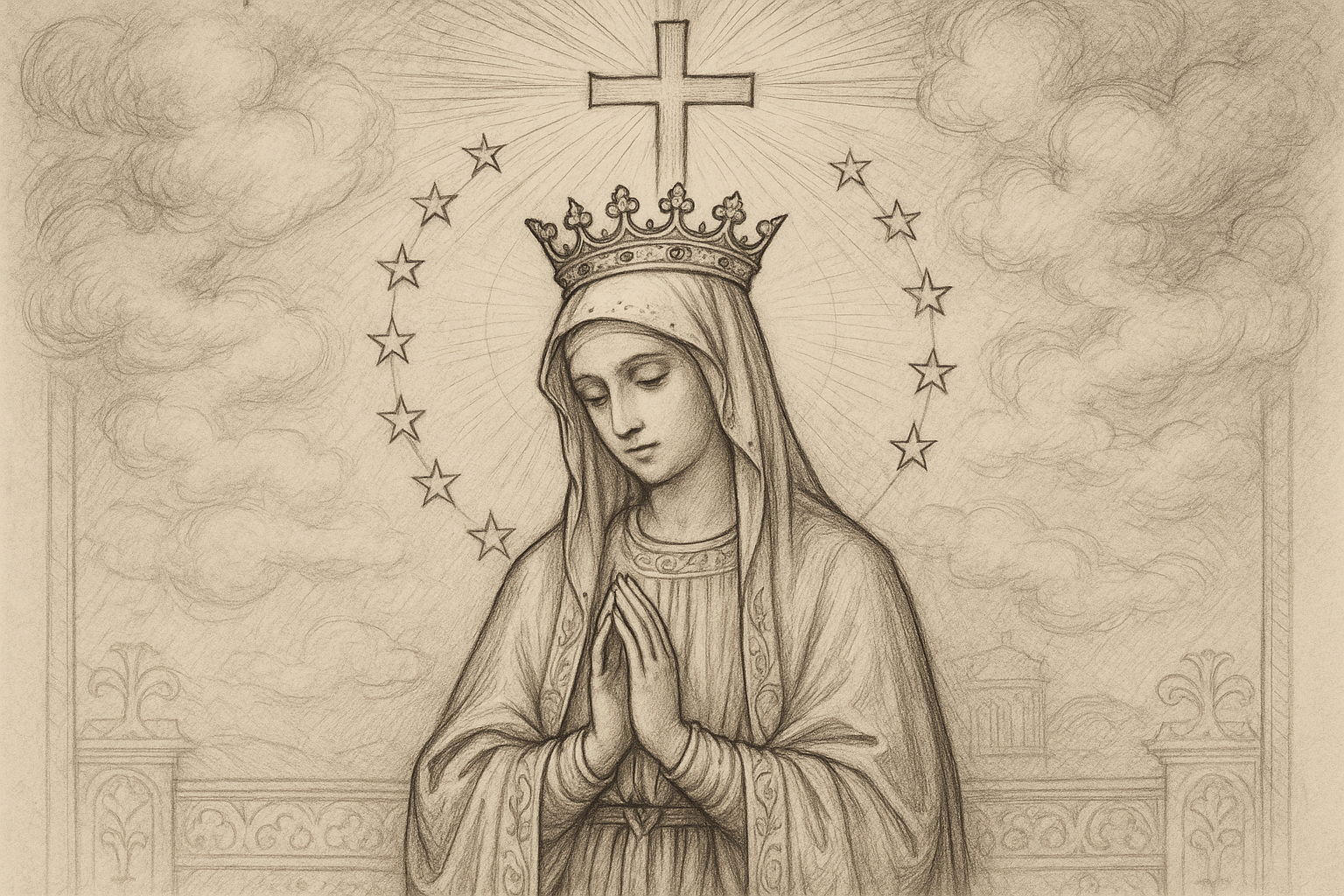
The perpetual virginity of Mary is one of the most distinctive and tender teachings of Catholic faith. It says that Mary was a virgin before the birth of Jesus, in giving birth to him, and after his birth. The Church has always held this not as a decorative idea, but as a sign of Mary's singular vocation and of the holy mystery of Christ's coming into the world.
For many readers, the doctrine raises honest questions. How can the Gospels speak of the brothers and sisters of Jesus? Why does the Church preserve such an ancient belief so firmly? And what does this teaching mean for prayer, devotion, and a Catholic's love for the Mother of God? The perpetual virginity of Mary explained in Catholic life is not merely a matter of defending a point. It is a way of seeing more clearly who Jesus is, what God has done in Mary, and how the Church learns to receive grace with humility.
A sign of God's work, not human achievement
In Catholic teaching, Mary's virginity is not treated as a rejection of marriage or motherhood. Marriage is holy, and motherhood is holy. Instead, Mary's virginity is a sign that the Incarnation is pure gift. Jesus is conceived by the power of the Holy Spirit, not by human initiative. The angel's announcement makes this clear: The Holy Spirit will come upon you and the child to be born will be called holy, the Son of God.
Mary's response is equally important. She does not grasp at control or demand explanations. She asks, How can this be, and then yields herself in faith: Let it be to me according to your word. Her virginity, in the biblical and theological sense, expresses complete openness to God's action. She belongs to the Lord before, during, and after the birth of Christ.
This is why Catholics have long seen a beautiful harmony between Mary's bodily virginity and her interior surrender. Her life is marked by total availability to God's will. She is not a symbolic figure invented later to make Jesus seem unusual. Rather, her unique place belongs to the very beginning of the Gospel story.
What Scripture says, and what the Church receives
Some Christians point to passages that mention the brothers and sisters of Jesus, such as his brothers James and Joseph or his sisters. Catholic interpretation has never ignored these texts. Instead, it reads them with the full habit of biblical language and the Church's living tradition.
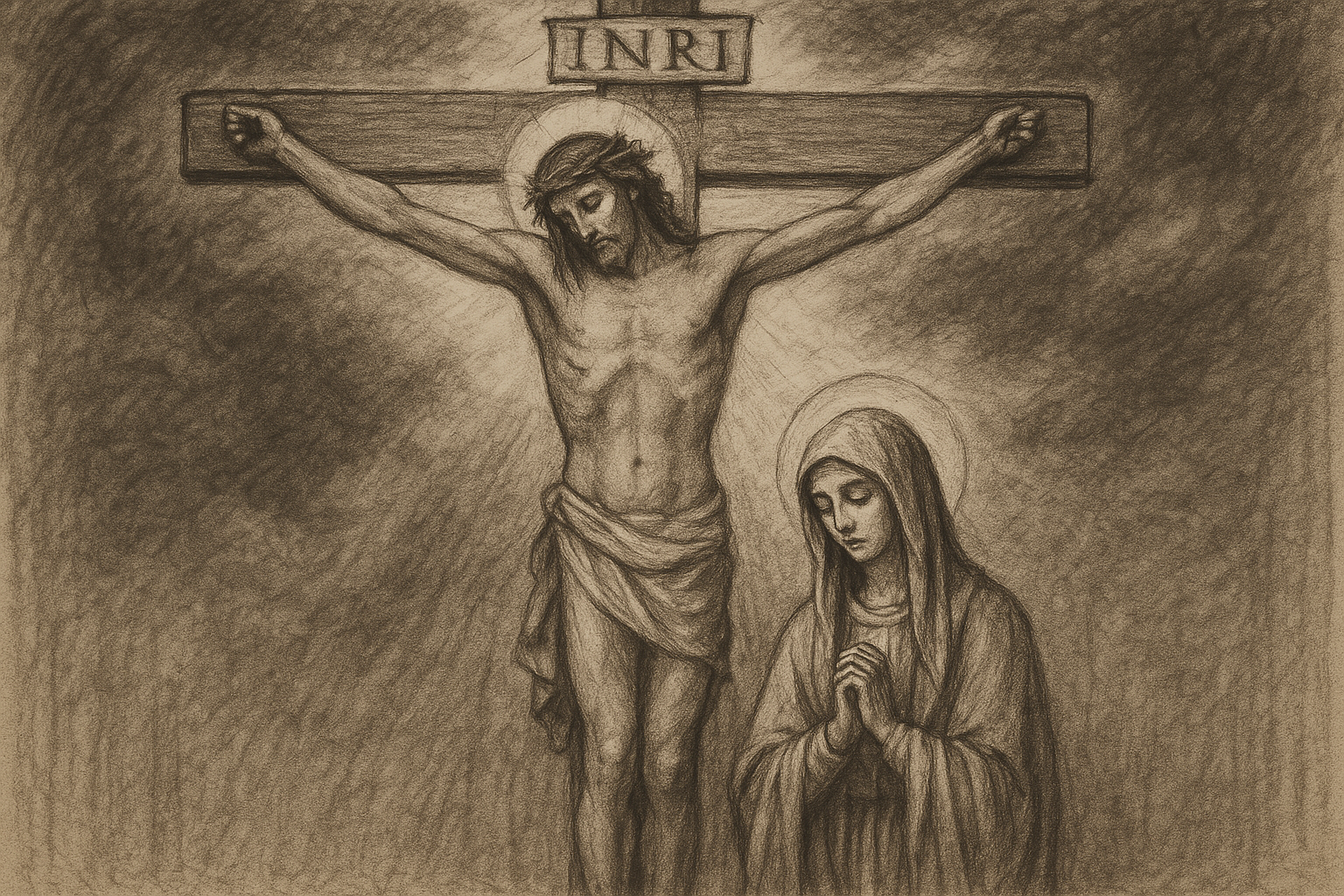
In the world of Scripture, the words translated as brothers and sisters can sometimes describe close relatives or kin beyond the narrow sense of children born of the same mother. The Gospels also show that Jesus entrusts Mary to the beloved disciple at the Cross: Woman, behold, your son and Behold, your mother. Catholics have long recognized that this act makes deep sense if Mary has no other children who would naturally care for her in that moment.
Another text often discussed is he knew her not until she had borne a son. Catholics do not read this verse as proof that marital relations followed the birth of Jesus. In Scripture, the word until does not always imply a change afterward. The point of the verse is to stress the virginal conception of Christ. It does not require us to conclude that Mary's virginity ended after Jesus' birth.
The Church does not base this teaching on one isolated verse. It receives it from the broad witness of Scripture, prayer, and the earliest Christian memory. The doctrine is not an attempt to force the Bible into a later mold. Rather, it reflects the Church's conviction that Mary's whole life was given over to the mystery she carried in her womb.
What the ancient Christian tradition held
Long before later controversies, Christians honored Mary as ever virgin. This was not a fringe devotion. It belonged to the instinct of the early Church as it reflected on the Incarnation. The language may vary from age to age, but the faith remains stable: Mary is the Virgin Mother of God, and her virginity remains a lasting sign of her total consecration.
Catholic teaching sees continuity between Mary's divine maternity and her perpetual virginity. The one who bore the eternal Son in her body was set apart for that singular mission. Her womb became the ark of the new covenant, a dwelling place for the Word made flesh. In that light, her lifelong virginity is not a denial of her motherhood. It is part of the wonder of that motherhood.
The Church's language about Mary is careful because the mystery is holy. She is never separated from Christ or placed above him. Everything Marian points to Jesus. If Mary is honored as ever virgin, it is because her life reveals the uniqueness of the Savior she bore.
Why this doctrine matters for Christ
At first glance, the doctrine of Mary's perpetual virginity may seem to concern Mary alone. In truth, it speaks first about Christ. Jesus is not one child among many in an ordinary domestic story. He is the Son sent by the Father, conceived by the Holy Spirit, and born of the Virgin Mary. His birth reveals divine initiative from beginning to end.
Mary's virginity also guards the confession that salvation is grace before it is human effort. No one earns the coming of Christ. No human plan produces the Incarnation. God enters history freely, mercifully, and miraculously. Mary's body, her consent, and her life all witness to this gift.
There is also a quiet theological beauty here. In a world often driven by possession, the Virgin Mother shows receptivity. She receives rather than seizes. She gives rather than withholds. She bears Christ to the world not as owner but as servant. That is one reason Catholic devotion to Mary always returns to humility, purity of heart, and trust in God's initiative.
Mary's perpetual virginity is not a distance from real life. It is a sign that real life is transformed when it is wholly yielded to God.
How Catholics can pray with this mystery
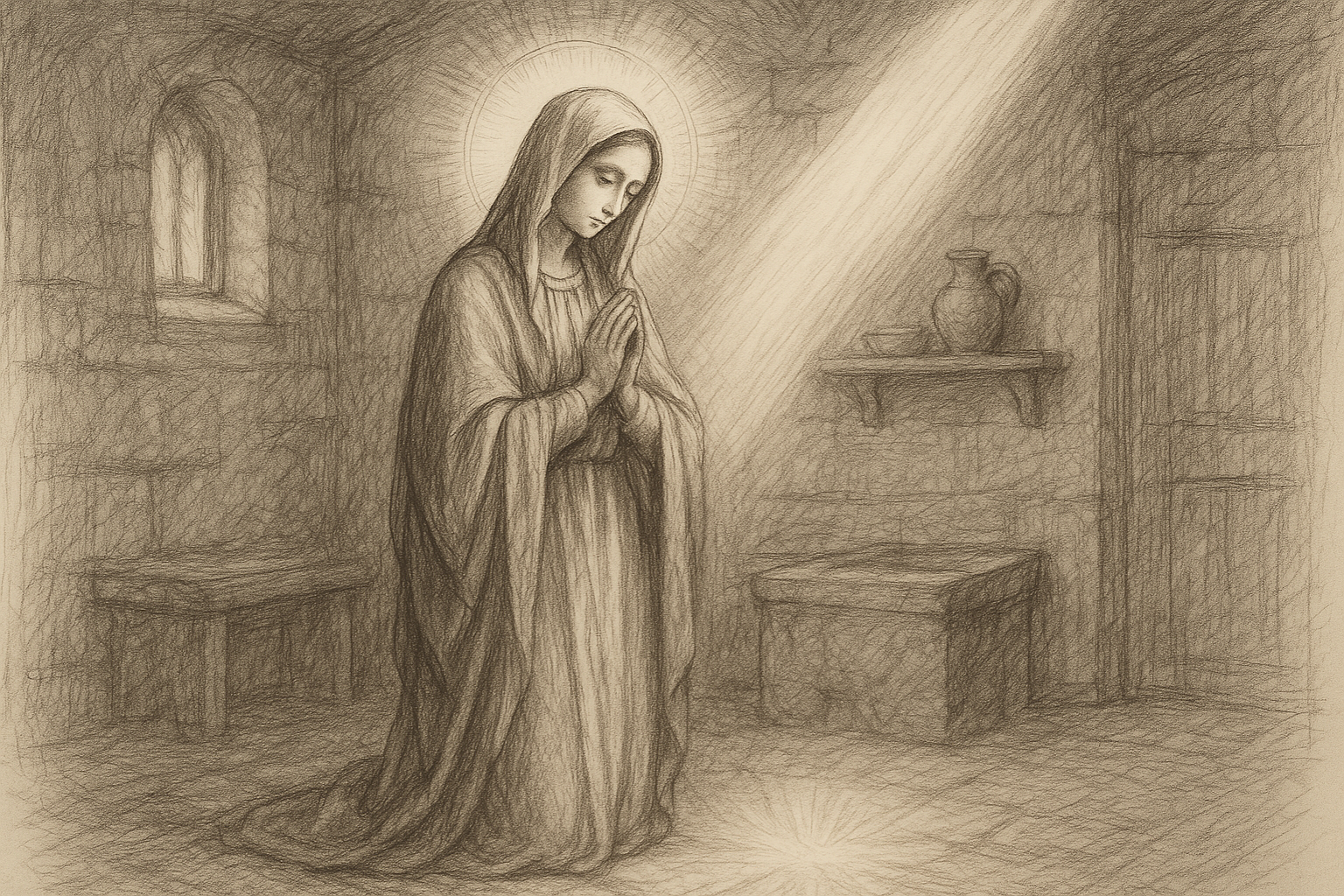
Many Catholic doctrines become more fruitful when they are prayed, not merely defended. The perpetual virginity of Mary invites a contemplative response. It asks believers to consider what it means to belong to God without reserve.
Here are a few simple ways to pray with this mystery:
- Read the Annunciation slowly in the angel Gabriel was sent and Let it be to me according to your word.
- Thank God for the gift of Christ's human birth, which came through Mary's faith and yes.
- Ask for Mary's intercession to grow in purity of intention and freedom from divided loves.
- Pray the Hail Mary with attention to the words blessed is the fruit of your womb, Jesus, letting the prayer end in Christ.
- Make a quiet act of consecration, offering your daily life to God as Mary did.
For some readers, this teaching may also heal misunderstandings. Virginity in Catholic faith is never a slight against marriage. It is a particular vocation, and in Mary's case it is tied to the singular role she played in salvation history. Her example can deepen respect for all forms of faithful Christian life, whether marriage, consecrated life, or single discipleship.
Common objections, answered patiently
A common objection is that the doctrine seems to arise from later piety rather than from the Bible. Yet the Church's Marian teaching did not grow out of sentiment alone. It emerged from the Church's reading of Scripture in the light of Christ's identity and the apostolic faith. The oldest Christian communities treasured Mary's unique role because they knew that Jesus was no ordinary son.
Another objection says that Mary's perpetual virginity would somehow make normal family life less holy. Catholic teaching rejects that assumption. The holiness of marriage does not depend on every Christian living the same vocation. Mary does not replace marriage. She reveals a distinct calling ordered to the mystery of the Incarnation.
Still another question asks whether the doctrine is necessary for salvation. In the strictest sense, a person is not saved by mastering Marian theology. But truth about Mary serves truth about Christ. Catholics therefore hold this doctrine because the Church believes it belongs to the full integrity of the faith, not because it is a private ornament for specialists.
When questions arise, it helps to remember that Catholic doctrine often protects a mystery before it explains it. The perpetual virginity of Mary protects the wonder that God himself entered our world, and that the woman who bore him remained wholly marked by that holy event.
Living this teaching with reverence
The perpetual virginity of Mary can shape a Catholic imagination in practical ways. It teaches that the body is not merely a tool for self-expression. It can become a place of worship, obedience, and grace. It reminds believers that fidelity to God may require silence, humility, and a hidden life. It also teaches that the deepest fruitfulness is not always visible in the world's terms.
Mary's life was fruitful in a way no one could measure at first glance. She bore Christ. She pondered his words. She stood at the Cross. She prayed with the disciples. Her virginity and motherhood together proclaim that God can do more in a soul than the soul could plan for itself.
For Catholics today, that is a consoling message. The Lord does not ask for self-creation. He asks for trust. He does not need us to be impressive. He asks that we be open. Mary shows what happens when a human life says yes without reservation and then remains faithful through every hidden season that follows.
To call Mary ever virgin is, in the end, to honor the extraordinary manner in which God prepared a Mother for his Son and a model for the Church. Her life remains a quiet summons to purity, surrender, and hope. In her, the Church sees what grace can make of a heart and a body entirely given to God.
Keep Reading on Lets Read The Bible
Frequently Asked Questions
What does the perpetual virginity of Mary mean in Catholic teaching?
It means that Mary was a virgin before the birth of Jesus, during his birth, and after his birth. Catholics see this as a sign of her unique vocation and of the miraculous way Christ entered the world.
How do Catholics answer the Bible's references to the brothers and sisters of Jesus?
Catholics read those references in the broader biblical context, where kinship terms can mean close relatives. The Church also points to passages such as Jesus entrusting Mary to John at the Cross as consistent with Mary's lifelong virginity.
Why is Mary's perpetual virginity important for devotion?
It helps Catholics see Mary's total belonging to God and her unique role in salvation history. It also directs devotion toward Christ, since Mary's holiness always points to her Son.