Social Teaching
Peace Making Begins Where Catholics Refuse to Dehumanize
Catholic social teaching calls believers to more than quiet feelings. It calls us to defend dignity, speak truth with charity, and build real peace in daily life.
Site Admin | October 9, 2025 | 64 views
Peace making and Catholic life belong together because peace is not merely the absence of noise, conflict, or disagreement. In the Catholic tradition, peace is a moral good rooted in truth, justice, charity, and respect for the dignity of every human person. It is not built by ignoring sin, smoothing over wounds, or pretending that serious differences do not matter. Real peace begins when Catholics choose to see others as persons to be loved, not problems to be managed.
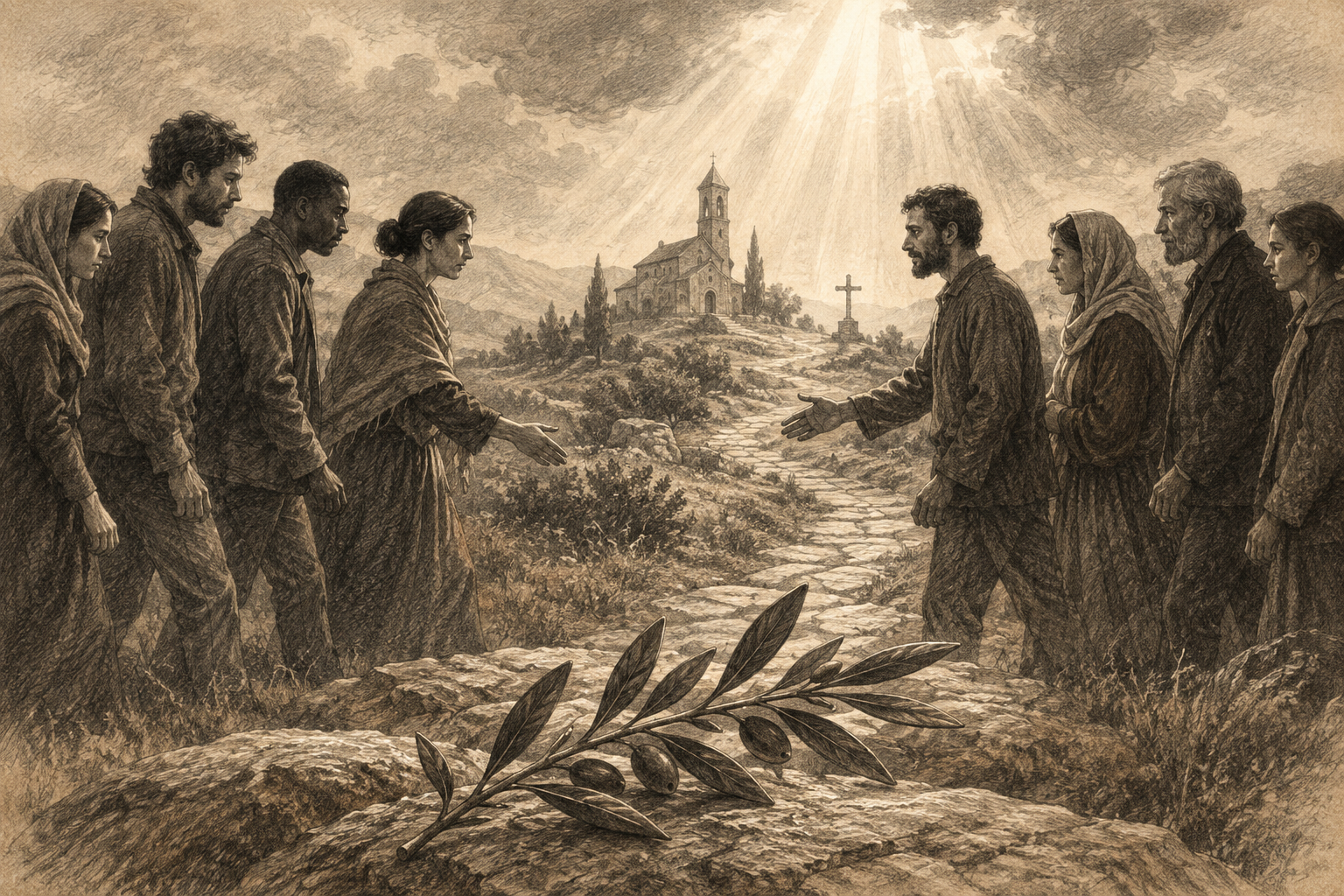
That conviction runs through Scripture and the Church's social teaching. Jesus does not bless passivity or sentimental friendliness. He blesses the peacemakers, those who actively work for a right ordering of relationships under God. Blessed are the peacemakers is not a call to avoid hard truths. It is a call to seek communion without surrendering justice, and to seek justice without losing charity.
Peace is deeper than calm
Many people today think of peace as a personal feeling. If I feel relaxed, I am at peace. If the room is quiet, peace has been achieved. But Catholic teaching sees peace in a larger way. Peace is the tranquility of order, a harmony that comes when God, neighbor, and self are rightly related.
That means peace cannot be separated from moral truth. A relationship marked by abuse is not peaceful just because no one is speaking. A society marked by indifference to the poor is not peaceful just because its streets are orderly. A family that avoids all disagreement may still lack peace if resentment is allowed to grow in silence.
The prophets knew this well. They did not praise empty religiosity while injustice continued in the land. The Lord called His people to worship Him with integrity and to defend the vulnerable. Catholics who care about peace making and Catholic life must remember that peace is never built on denial. It is built on conversion.
Christ is the source of Christian peace
Peace is not something Catholics manufacture by personality alone. It comes from Christ. Before His Passion, Jesus told His disciples, Peace I leave with you. This is not the peace of avoidance or convenience. It is the peace of the risen Lord, given to hearts that trust Him even when the world remains unsettled.
Because Christ has reconciled us to the Father, Christians can become instruments of reconciliation. This is why peacemaking is so closely tied to repentance, forgiveness, and the sacraments. When Catholics receive God's mercy honestly, they are better able to extend mercy to others. When they kneel before the Lord in humility, pride loosens its grip.
The Church's teaching on peace grows from this mystery. The Catechism teaches that peace is the work of justice and the effect of charity. In other words, peace is not sentimental or weak. It is strong enough to face evil honestly, and loving enough to refuse vengeance.
Human dignity is the starting point
Catholic social teaching insists that every person is made in the image and likeness of God. This is why dehumanizing speech, cruelty, and contempt are never small matters. Once a person is reduced to a label, a faction, or an obstacle, peace becomes much harder to build.
Human dignity changes the way Catholics speak, listen, and disagree. It means:
- We do not mock those who differ from us.
- We do not excuse lies because they help our side.
- We do not treat enemies as disposable.
- We do not forget that even those who wound others remain capable of conversion.
To honor dignity is not to approve of every action or idea. The Church can firmly reject sin while still defending the worth of the sinner. That balance is essential. Without truth, dignity is sentimentalized. Without dignity, truth becomes harsh and sterile. Catholic peace holds both together.
Peace making and Catholic life in ordinary places
Most peacemaking happens far from public speeches or major civic events. It happens in homes, parishes, workplaces, schools, and online conversations. The daily choices Catholics make either strengthen peace or weaken it.
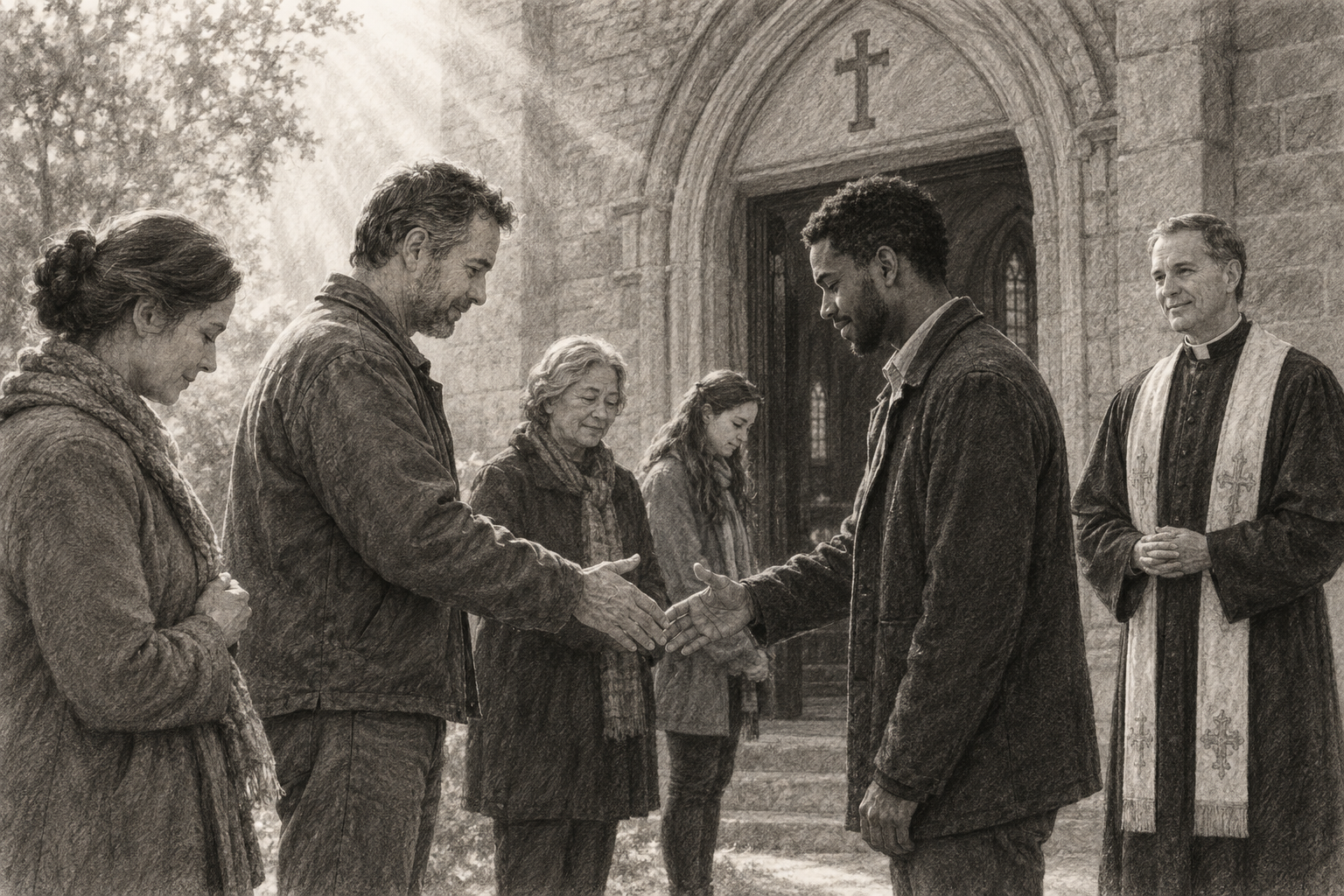
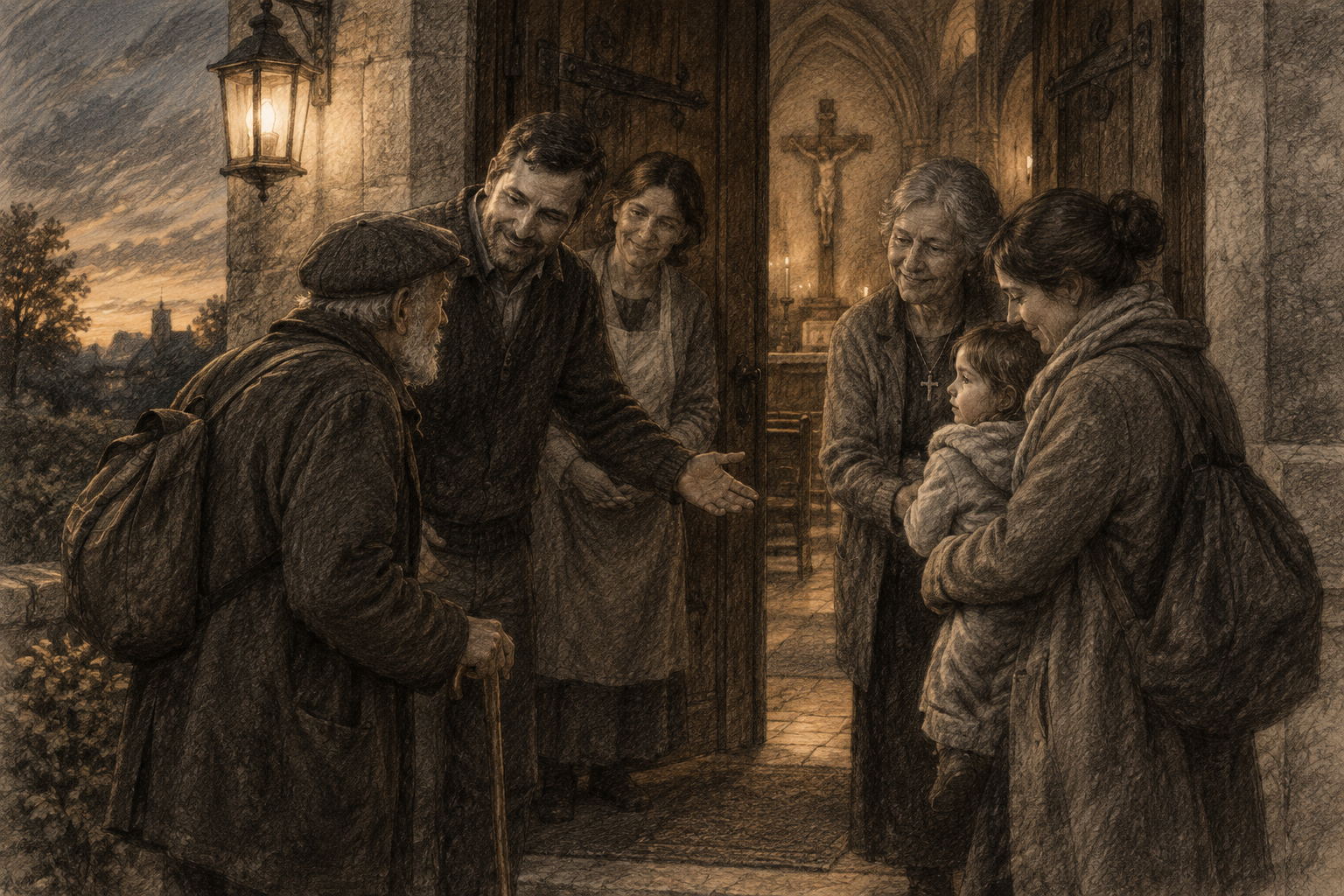
In the home, peacemaking may look like a parent who corrects firmly but without humiliation. It may look like a spouse who listens before answering. It may look like siblings learning to apologize quickly. In parish life, it may look like welcoming the newcomer, resisting gossip, or refusing to form circles of contempt around minor disagreements.
At work, peacemaking can mean telling the truth without cruelty. Online, it may mean declining to share a post that inflames anger and misrepresents a person. In civic life, it may mean engaging public issues with moral seriousness instead of tribal reflexes.
These acts may seem small, but they shape the moral atmosphere around us. A Catholic cannot claim to love peace while regularly feeding division. The habit of contempt spreads fast. So does the habit of charity.
Truth and charity must stay together
One of the greatest temptations in peace making is to separate kindness from truth. Some people call every disagreement harmful and avoid speaking clearly. Others speak clearly but without kindness, as if bluntness itself were a virtue. Catholic life rejects both errors.
St. Paul gives the pattern: speaking the truth in love. Truth without love can become domination. Love without truth can become sentimentality. The Christian path is harder and better. It asks us to be truthful enough to name what is wrong and charitable enough to seek the good of the other person even in correction.
This principle matters in public life as well. Catholics should resist the temptation to cheer every victory of their own group and condemn every action of the other side. Such habits do not form peacemakers. They form partisans with religious language. The Gospel demands more. It asks believers to think, speak, and act from a higher allegiance.
Peace without truth is fragile. Truth without charity is severe. Christian peace stands where truth and love meet in Christ.
Justice is not the enemy of peace
Some people speak as if peace and justice were rivals. In Catholic teaching, they are companions. Justice gives each person what is due. Peace allows that right order to flourish. If the poor are ignored, if workers are exploited, if the unborn are not defended, if racial hatred or political violence is tolerated, then peace is wounded at its root.
At the same time, Catholics should be careful not to reduce peace to ideology. The Church does not endorse resentment disguised as justice. She calls for conversion of heart, practical charity, and structures that honor the common good. Justice must be pursued in a way that remains human, merciful, and open to reconciliation.
This is especially important when Catholics disagree about public issues. We can work for the common good without treating every opponent as wicked. We can oppose unjust policies without despising those who support them. We can defend life, freedom, and the poor without surrendering our souls to anger. That is part of peace making and Catholic life.
What peacemakers do when conflict is real
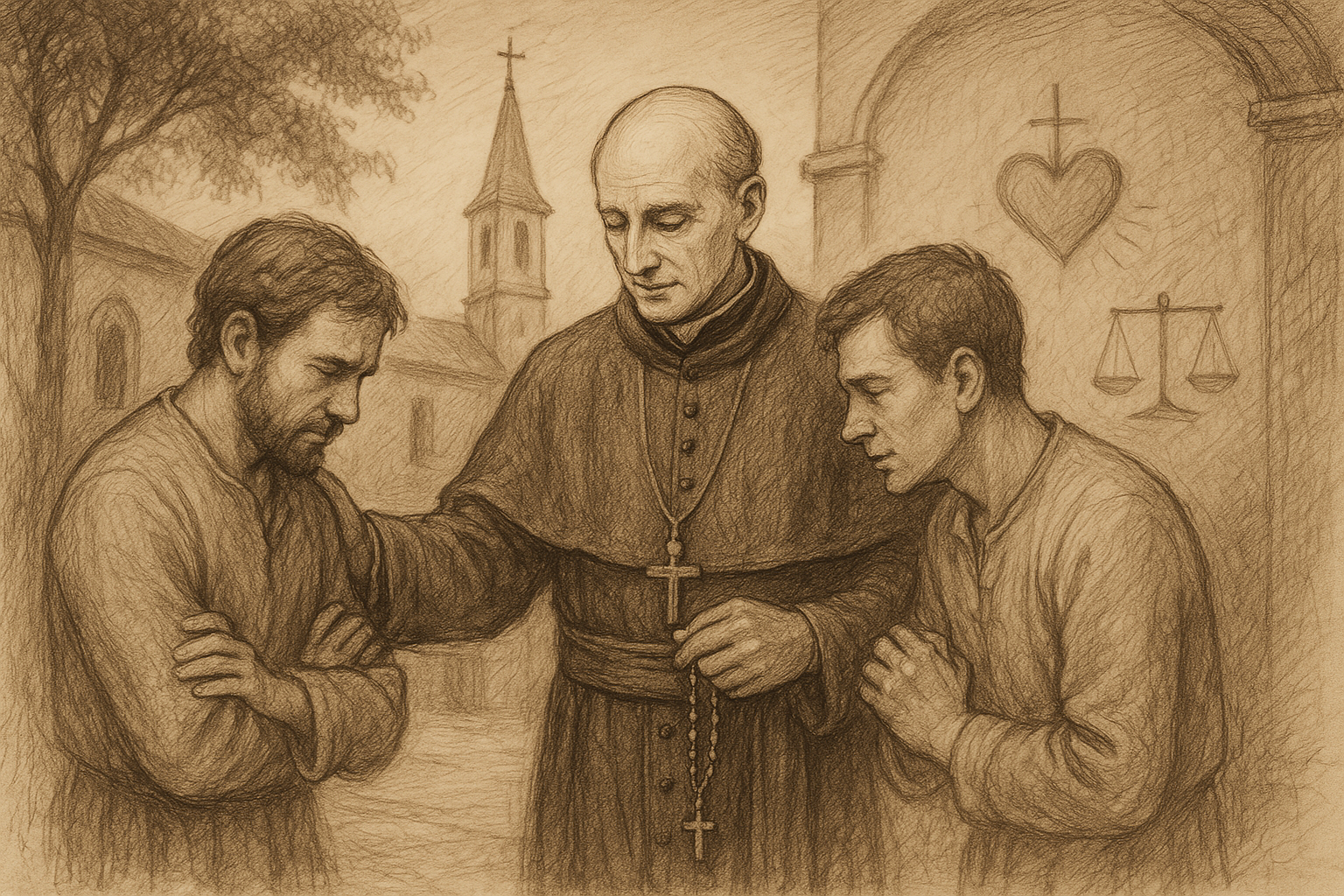
Peacemaking does not mean acting as though conflict is unreal. Sometimes there are genuine wrongs that require correction, boundaries, and even legal remedies. Catholic charity does not demand that victims remain silent. It does not ask the Church to excuse abuse, corruption, or violence.
When conflict is serious, peacemakers do a few essential things:
- They pray before they react. Prayer purifies motives and prevents impulsive speech.
- They seek the truth. They ask what really happened rather than repeating rumors.
- They speak directly when possible. Private correction is often more charitable than public shaming.
- They aim at restoration. The goal is not humiliation but healing whenever healing is possible.
- They leave room for mercy. Even grave wrongs do not erase the hope of repentance.
These practices do not solve every problem quickly. But they shape Christian souls that are capable of building peace instead of merely demanding it from others.
Mary and the saints show another way
The saints remind Catholics that holiness and peace are inseparable. The Blessed Virgin Mary, who received the Word in faith, is a model of quiet strength, faithful trust, and steadfast openness to God's will. She does not represent weakness. She represents receptive courage.
Many saints also show that peace making can include fearless witness. St. Francis of Assisi, St. Catherine of Siena, and St. John Paul II each lived in very different circumstances, yet each showed that peace is not achieved by ignoring truth. It is achieved by surrendering to Christ and serving the good of others with clarity and love.
The saints did not always avoid conflict. But they refused hatred. They argued, corrected, pleaded, and endured, all while remaining anchored in prayer. That is the Catholic pattern. A peacemaker is not someone who keeps every surface smooth. A peacemaker is someone whose heart has been disciplined by grace.
Practicing peace in a divided age
Today, many Catholics feel surrounded by anger. Political life is tense. Families are polarized. Social media rewards outrage. In that setting, peacemaking can seem small and unfashionable. Yet small acts matter because hearts are formed by habits.
Catholics can begin with simple commitments:
- Pray daily for those with whom you disagree.
- Refuse sarcasm that degrades another person's humanity.
- Examine whether your own speech is building trust or feeding suspicion.
- Practice forgiveness without pretending harm never happened.
- Support initiatives that protect life, dignity, and the common good.
These choices are not flashy, but they are real. They make room for grace. They teach children how to disagree without contempt. They remind communities that charity is not a private feeling but a public witness.
The Church does not ask Catholics to abandon conviction in order to keep the peace. She asks them to become the kind of people who can hold conviction without cruelty. That is difficult, but it is possible because Christ gives what He commands.
When Catholics live this way, peace making and Catholic life become more than an idea. They become a testimony that the human person is worth defending, that truth can be spoken in love, and that the Lord who reconciles all things can still heal what division has broken.
Keep Reading on Lets Read The Bible
Frequently Asked Questions
Does Catholic peacemaking mean avoiding conflict at all costs?
No. Catholic peacemaking does not mean silence in the face of injustice or abuse. It means seeking truth, acting with charity, and working toward reconciliation without denying what is real.
How can Catholics practice peace making in political arguments?
By refusing contempt, checking facts before speaking, praying for opponents, and remembering that every person still has dignity even when there is serious disagreement about public issues.
What Scripture best summarizes peace making and Catholic life?
[[VERSE|matthew|5|9|Blessed are the peacemakers]] and [[VERSE|ephesians|4|15|speaking the truth in love]] are especially helpful, because they join peace, truth, and charity in one Christian vision.