Prayer and Devotion
The Grace of Lingering: Giving Thanks After Mass
Eucharistic thanksgiving after Mass is a small habit with deep roots, shaping how Catholics receive the Lord and carry His presence into the day.
Site Admin | December 16, 2025 | 95 views
Some of the most important moments in the Catholic life are the least dramatic. The priest has given the final blessing. The dismissal has been spoken. The congregation begins to move. Yet there remains, just for a few quiet minutes, a gift that should not be hurried away from: the presence of the Lord received in Holy Communion and the prayer of thanksgiving that follows.
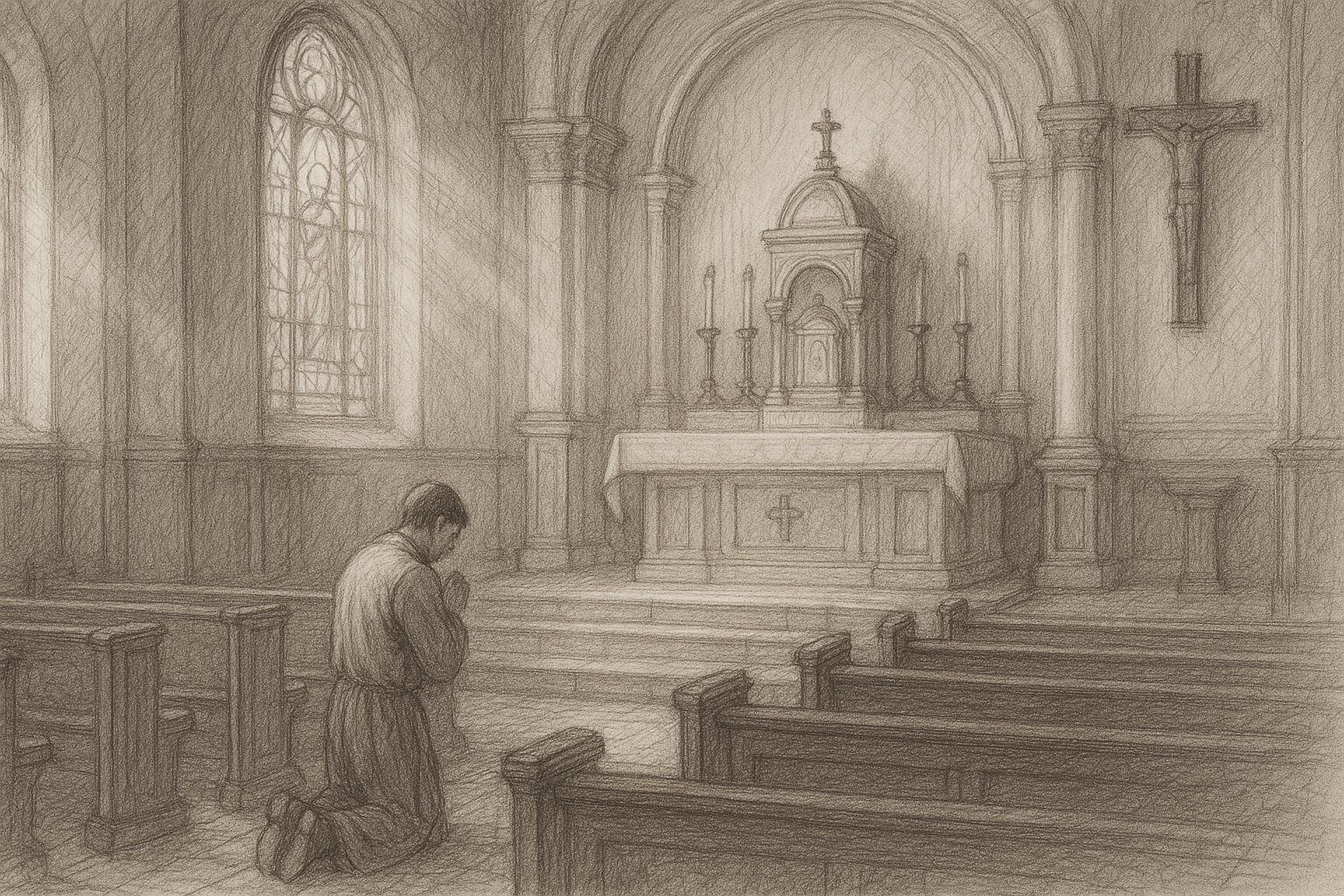
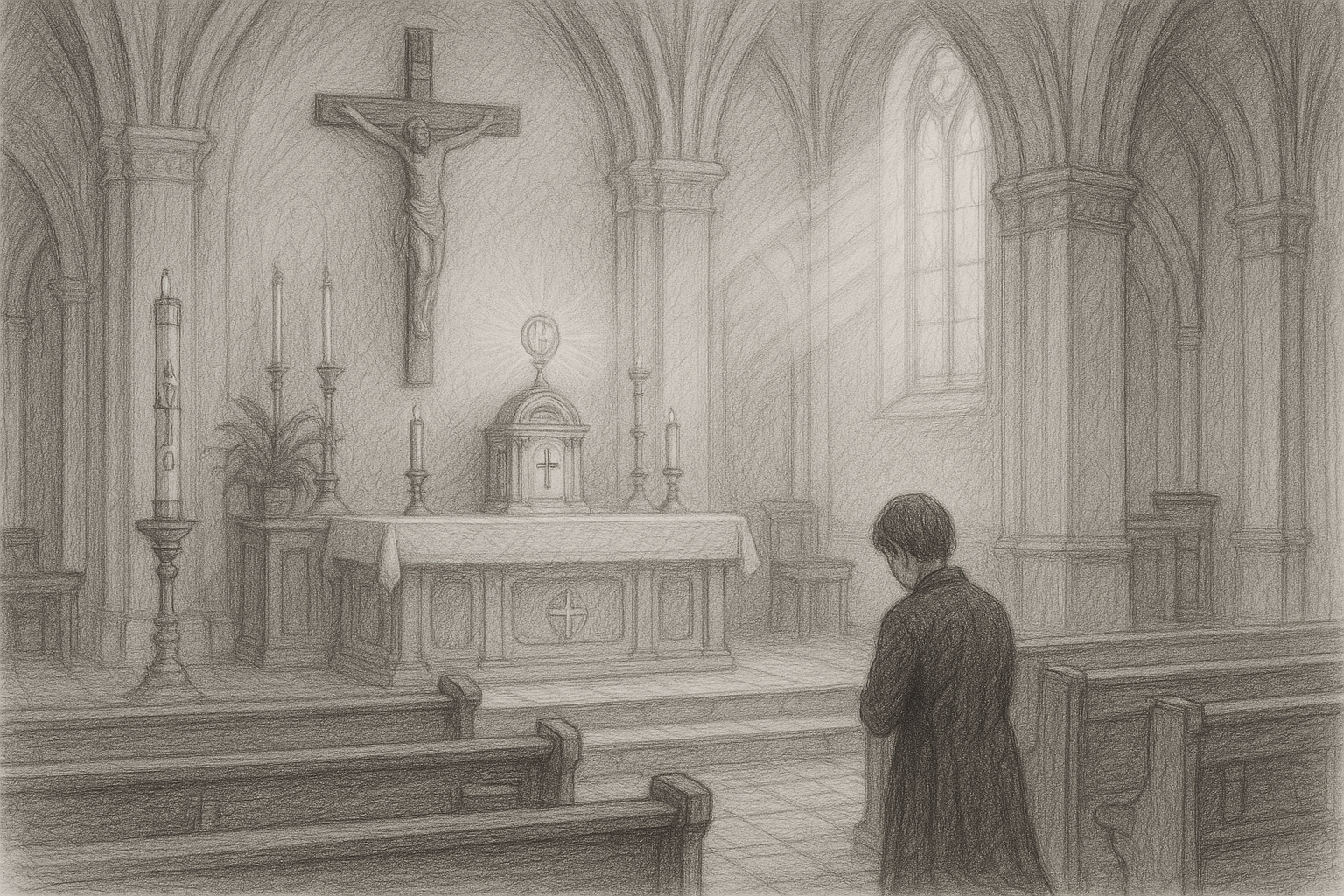
Eucharistic thanksgiving after Mass explained is simple in one sense and profound in another. It means staying with Jesus, in heart and body if possible, after receiving Him in the Eucharist, and answering His gift with adoration, gratitude, repentance, and love. It is not a theatrical performance and not a requirement meant to burden the faithful. It is a natural and reverent response to the greatest gift the Church can receive.
A response older than modern habits
Human beings know instinctively that a gift calls for gratitude. We say thank you when someone feeds us, forgives us, helps us, or remembers us. That instinct becomes especially important in the Mass, where the word Eucharist itself means thanksgiving. The Church gathers to offer praise to the Father through Christ in the Holy Spirit, and the faithful receive the Lord sacramentally so that they may be united to Him more deeply.
This is why the moments after Communion matter so much. The Mass is not a ritual to get through as quickly as possible. It is encounter, sacrifice, banquet, and prayer. When Communion ends, the action does not become ordinary again in an instant. The soul has received a grace that deserves space. Silent thanksgiving gives room for the heart to notice what has happened and to answer the Lord interiorly.
Scripture gives us many examples of gratitude rising naturally from divine mercy. The healed leper returns to give thanks, and Jesus notices the difference between receiving a gift and responding to it with praise. One was not found to return and give praise to God except this foreigner Luke 17:18. The lesson is not merely moral. It is spiritual. God does not need our thanks, but we do. Gratitude trains the soul to recognize grace.
The Eucharist asks for quiet reverence
After Holy Communion, the Lord is sacramentally present in the communicant. The Church has always encouraged reverence at that moment because the soul has become, in a mysterious but real way, a living tabernacle. Words become less important than adoration. The heart does not need to produce many sentences. It needs to be awake.
This is one reason silence after Mass can feel so striking. In a noisy culture, silence is often mistaken for emptiness. In the Catholic life, silence is often fullness. The Catechism teaches that prayer is a living relationship with God, and relationships need listening as much as speaking. After Communion, silence becomes an act of faith. It says, without many words, that Christ is truly here and worthy of our attention.
The psalmist gives the right disposition: Be still and know that I am God Psalm 46:10. That stillness is not passive. It is worship. It is the posture of a soul that has received more than it could earn and now simply rests before the Giver.
A custom shaped by the life of the Church
In earlier generations, Catholics often spent more time in thanksgiving after Mass. Families lingered. Individuals knelt or remained seated in prayer. Many saints and spiritual writers encouraged a deliberate period of gratitude after Communion. Their concern was practical as much as mystical: the soul is easily distracted, and a gift of such magnitude should not be left behind in a rush to the parking lot or the next task.
Over time, modern schedules and busier parish life have made lingering harder. This does not mean the practice has become less meaningful. If anything, it has become more necessary. When our days are fragmented, acts of prayer that slow us down can restore perspective. Thanksgiving after Mass is one of those acts. It reminds us that life is not a chain of errands but a response to grace.
The saints understood that the Lord is not confined to the altar. He remains near to His people, and the Eucharist intensifies that nearness in a unique way. St. Thomas Aquinas, in the tradition of the Church, gave voice to thanksgiving in prayers associated with Communion, asking that the sacrament not become fruitless in the one who receives it. That instinct remains sound. We ask the Lord to make His gift bear fruit in us, because the best response to grace is a changed life.
What thanksgiving after Mass does in the soul
Thanksgiving after Mass is not only about manners. It forms the interior life. It helps the faithful receive Communion more deeply, remember what has happened, and integrate worship into the rest of the day.
First, it teaches receptivity. Many people are comfortable asking God for things, but less comfortable receiving without immediately acting. Post Communion thanksgiving teaches the soul to remain open. The Lord has given Himself. The right response is not haste but receptivity.
Second, it strengthens memory. Catholic prayer is often weakened by forgetfulness. We leave church and quickly lose contact with the mystery we have just celebrated. Thanksgiving creates a bridge between the liturgy and daily life. It helps the heart carry the Mass beyond the church doors.
Third, it purifies intention. In silence after Communion, the soul can face its own needs more honestly. It can thank God for mercy, ask forgiveness for distractions, and offer future plans into His hands. Many people discover that the most fruitful prayers are not long petitions but simple acts of trust: Jesus, I believe You are here. Jesus, thank You for coming to me. Jesus, stay with me.
Fourth, it makes charity more concrete. The Eucharist is communion with Christ and, through Him, with the whole Church. Thanksgiving after Mass naturally widens the heart. We pray for family, for the sick, for the dead, for the poor, for the parish, and for those with whom we struggle. Gratitude opens into intercession. Love received becomes love shared.
How to make the practice real
Not everyone can remain for a long time after Mass, and not every parish setting is ideal for extended silence. Thanksgiving does not depend on hours of prayer. It depends on sincerity. Even a short, faithful response can be deeply fruitful.
Here is a simple way to begin:
- Remain for a few minutes if possible. Let the body stay before the Lord while the heart gathers itself.
- Begin with gratitude. Thank God for the Mass, for Communion, and for whatever grace you most need to recognize.
- Adore Christ quietly. You do not need elaborate words. A short act of faith can be enough.
- Ask forgiveness. If distractions, impatience, or sin have clouded your prayer, bring them honestly to the Lord.
- Offer the day ahead. Place work, family life, burdens, and decisions into His hands.
- Leave with one intention. Carry a word, phrase, or prayer into the rest of the day.
Some Catholics find it helpful to pray a familiar text such as the Anima Christi or a psalm of praise. Others prefer silence. The important thing is not the style but the heart. Thanksgiving can be vocal or interior, structured or simple. It becomes meaningful when it is real.
A brief prayer pattern for ordinary days
If you want a practical rhythm, try this: thank the Lord for His presence, adore Him for who He is, ask for one grace, and end by entrusting the rest of your day to Him. This can be done in one minute or ten. What matters is that the Eucharist does not pass through your life unnoticed.
For especially busy mornings, a few words may be enough: Lord Jesus Christ, thank You for coming to me. Help me live this day in Your presence. Keep my heart near Yours. Spoken slowly, such a prayer can shape the entire day.
Thanksgiving and daily discipleship
The habit of Eucharistic thanksgiving after Mass does more than enrich prayer in church. It changes the way Catholics live outside church. A grateful person sees life differently. Duties become offerings. Interruptions become occasions for patience. Suffering becomes something to present to God instead of merely endure.
This is where the practice touches ordinary discipleship. A person who learns to stay with Jesus after Communion is being trained to stay with Him in traffic, at work, in family conflict, and in loneliness. Thanksgiving after Mass becomes a school of abiding. It teaches the soul that Christ is not only found in extraordinary moments but remains near in ordinary ones as well.
It also deepens reverence for the Mass itself. If Communion is followed by silence and gratitude, then the liturgy is less likely to be treated as background for social life. The faithful begin to understand that Mass is not only something they attend. It is something that asks for a response. The response is thanksgiving that stretches into the week.
St. Paul writes, Give thanks in all circumstances; for this is the will of God in Christ Jesus for you 1 Thessalonians 5:18. The Eucharist teaches exactly that pattern. The Church does not ask us to manufacture cheerfulness. She asks us to recognize grace, even in weakness, and to answer the Lord with gratitude.
When the heart feels dry
Not every Communion is accompanied by strong feelings. Some days the mind is distracted, the body tired, or the soul spiritually dry. This does not make thanksgiving less important. In fact, these are often the best moments to practice it. A dry prayer offered in faith can be more pleasing to God than an emotional prayer offered only for consolation.
In such moments, keep the prayer simple. Sit quietly. Make an act of faith. Thank Jesus for coming whether or not you feel worthy or moved. Ask Him to increase your hunger for Him. The point is not to perform holiness. The point is to remain available to grace.
That availability is itself a form of love. A spouse who waits, a friend who listens, a child who stays close, each understands that presence matters even when words are few. Eucharistic thanksgiving after Mass is like that. It is a way of saying to Christ: I have received You, and I do not want to rush away from You.
In that quiet fidelity, the soul learns something precious. The Lord who comes sacramentally in the Eucharist is also the Lord who accompanies His people into the rest of life. Thanking Him after Mass is not the end of prayer. It is often the beginning of a more attentive day.
Keep Reading on Lets Read The Bible
Frequently Asked Questions
How long should I stay for thanksgiving after Mass?
Even a few minutes can be fruitful. If your schedule allows, stay longer. The quality of the prayer matters more than the length, though unhurried silence often helps the heart settle into gratitude.
What should I pray after receiving Communion?
A simple act of thanks is enough. You can adore Jesus, ask forgiveness, offer your day to Him, and pray for others. Many Catholics also use the Anima Christi, the Psalms, or a short spontaneous prayer.
Is thanksgiving after Mass required?
It is not a strict requirement in the way attendance at Mass is, but it is a strong and ancient Catholic practice. It flows naturally from the gift of the Eucharist and helps the faithful receive Communion more deeply.