Prayer and Devotion
Turning Pain Into Prayer: A Catholic Way to Offer Suffering to God
A practical, reverent look at how Catholics can unite hardship with Christ without denying grief, fear, or weakness.
Site Admin | December 13, 2025 | 133 views
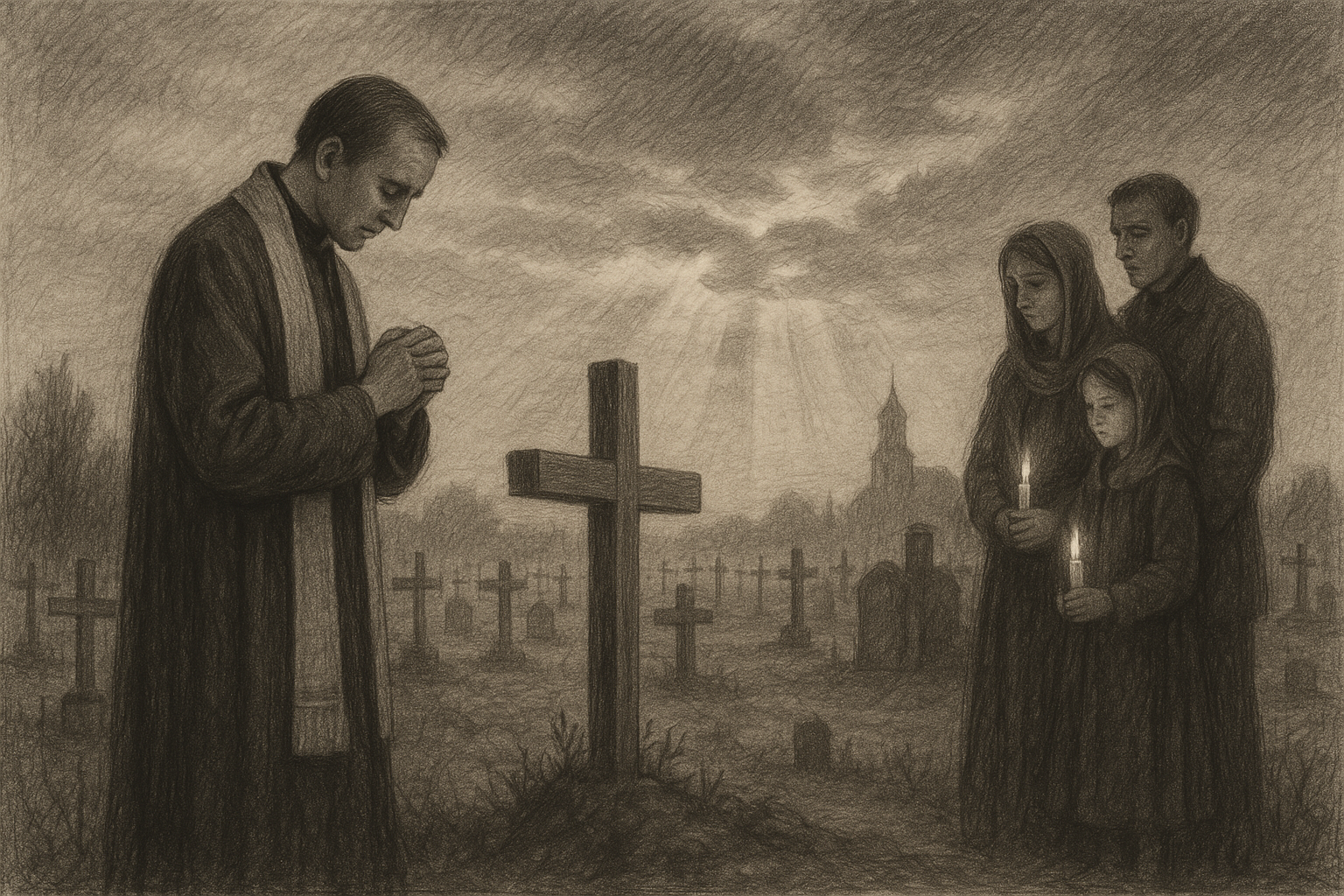
Suffering has a way of stripping life down to what is most true. It can arrive through illness, disappointment, family strain, loneliness, financial worry, or the quiet weariness that comes from carrying too much for too long. At such moments, the Christian does not have to pretend that pain is good in itself. The Church does not ask the faithful to call evil good or to smile through grief. Instead, she teaches something more demanding and more hopeful: suffering can be united to Christ and offered to the Father as prayer.
This is what many Catholics mean when they speak of offering suffering to God. It is not a refusal to seek help. It is not emotional denial. It is a way of taking what is already heavy and placing it into the hands of the One who redeems. In the mystery of the Cross, pain does not have the final word. Christ has entered suffering from the inside, and because of that, even our weakest moments can be joined to His saving love.
What it means to offer suffering
To offer suffering to God means to consciously unite a burden to Christ, asking that it be used according to His will for our sanctification and for the good of others. A person might pray, in very simple words, that a headache, a sleepless night, an anxious wait, or a difficult conversation be joined to Jesus' own Passion. The point is not to create suffering, but to receive what cannot presently be avoided with faith rather than resentment.
Catholic prayer is deeply incarnational. We do not save ourselves by escaping the body or by pretending that matter does not matter. We offer our whole selves, body and soul, to God. Saint Paul writes,
and also says,
. These passages do not suggest that Christ's sacrifice was incomplete. Rather, they reveal that He allows His members to participate in His redemptive work.I fill up what is lacking in Christ's afflictions for the sake of his body
That participation is one of the quiet treasures of Catholic life. The Church does not teach that pain is automatically holy. Suffering can harden a person, distort judgment, and tempt one toward bitterness. But when joined to Christ, it can become a place of purification, compassion, and hidden fruitfulness. A parent caring for a sick child, a worker enduring a humiliating season, or a person fighting chronic illness may not feel spiritually heroic. Yet in faith, those very moments can become an offering.
Why this practice matters spiritually
Offering suffering to God matters because it changes the meaning of endurance. Without grace, pain often feels wasted. It seems only to take. With grace, suffering can become a school of trust. It teaches that God is present even when He is not immediately removing the cross. It also reminds us that Christian hope is not based on comfort, but on resurrection.
There is also a real apostolic dimension to this practice. The Body of Christ is united, and what is borne in charity can help others in ways visible and invisible. A hidden offering made in patience can support a family member, a parish, or a soul in need. Catholics do not usually know how God applies such prayers, and they do not need to know. What matters is that nothing given to Him in love is lost.
Scripture gives a steady pattern for this trust. Jesus Himself prays in Gethsemane,
. This is not passivity. It is filial surrender. In the Lord's own prayer, the heart bends toward the Father even while trembling before the cup. When Catholics offer suffering, they are entering that same movement of surrender, not as strangers but as adopted children.
Saint Peter speaks of this hidden grace when he says,
, and again,
. The Church reads such passages not as a call to seek misery, but as a promise that suffering need not be meaningless when endured in Christ.
How to begin in a simple and honest way
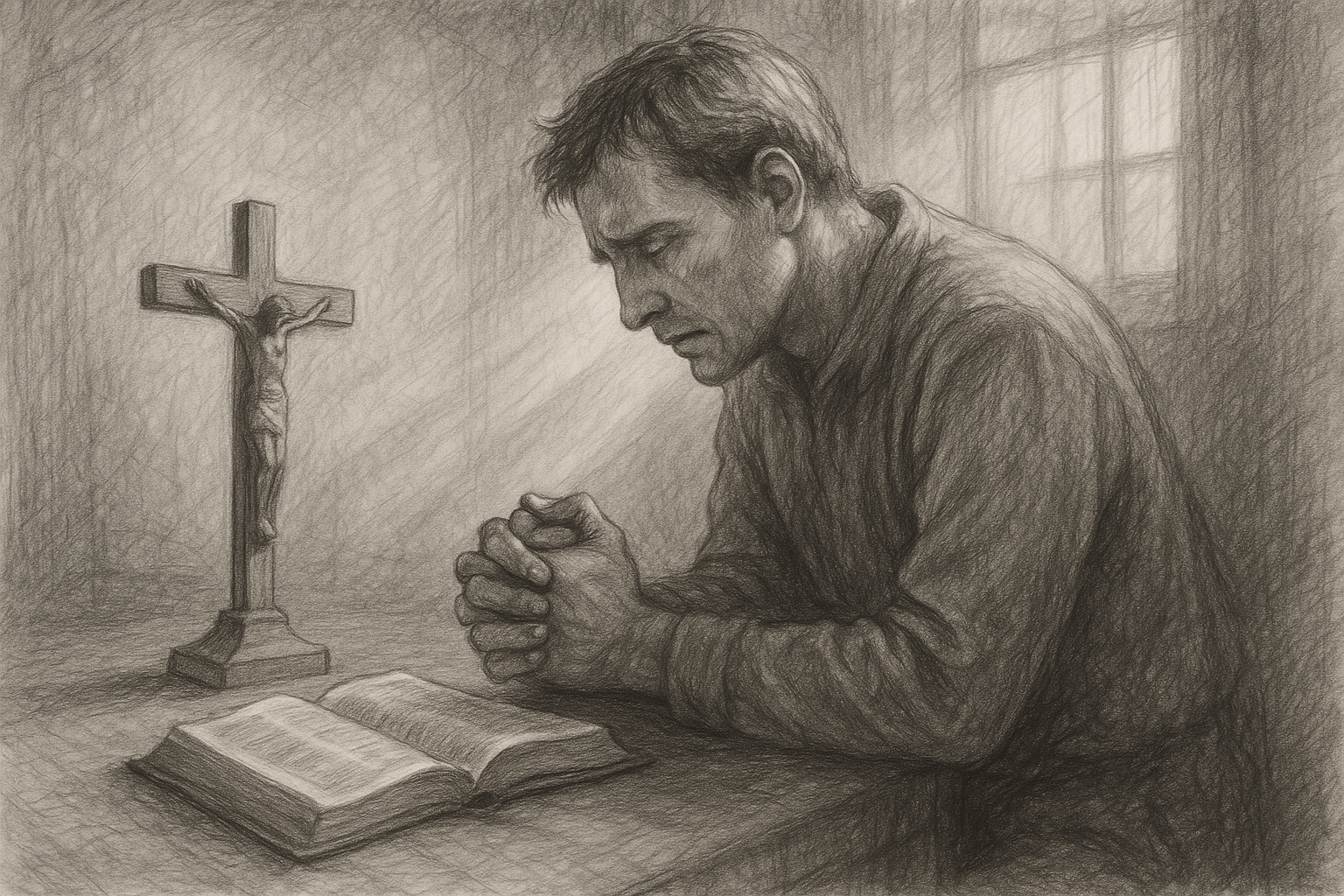
For many people, the hardest part is not understanding the idea. It is knowing what to say in the moment of pain. The good news is that offering suffering to God does not require elaborate language. It begins with honesty. A person can speak to God as they are, without polishing the ache.
A simple act of offering might sound like this: Lord, I do not want this, but I give it to You. Unite it to the Cross of Your Son. Use it for my healing, for the good of my family, and for the needs of the Church. Even shorter prayers are enough when the heart is tired. Jesus, I trust in You. Father, into Your hands I commend this pain. Mary, help me stay with Jesus.
It can also help to name the suffering specifically. God already knows it, but naming it helps the soul make its own act of surrender. One might say, I offer this sleeplessness, I offer this diagnosis, I offer this grief, or I offer this misunderstanding at work. Specificity keeps prayer from becoming vague. It turns a general wish for help into a concrete act of love.
Some Catholics find it useful to make a morning offering and then renew it through the day. Others attach the prayer to a particular gesture, such as touching a crucifix, receiving medication, waiting in a hospital room, or silently beginning a difficult task. The outward action is not magic. It simply helps the body remember what the heart intends.
Five practical steps
- Tell God the truth. Do not minimize the pain or pretend you are more peaceful than you are.
- Ask for union with Christ. Offer the suffering through His Passion, not on your own strength.
- Intend a purpose. Ask that it be used for your holiness, the good of others, or a specific need.
- Repeat the offering. When the pain returns to mind, gently renew the prayer.
- Accept help. Offering suffering does not mean refusing medicine, counseling, rest, or practical support.
Common mistakes to avoid
One mistake is spiritualizing pain too quickly. A person in real distress may need medical care, professional support, or a frank conversation before they need a new devotional formula. Catholic faith is not opposed to ordinary means of healing. In fact, receiving help can itself be part of humility. The Church has always valued the care of the body, and grace builds on nature rather than replacing it.
Another mistake is guilt. Some Catholics worry that if they are not cheerfully accepting suffering, they are failing God. That is not the measure of holiness. The saints often wept, questioned, and struggled. Jesus wept at the tomb of Lazarus. He prayed in anguish before the Passion. Honest sorrow does not cancel faith. It is often the very place where faith becomes purified.
A third mistake is isolation. It is tempting to think that suffering must be carried alone to be spiritually meaningful. But Christians are members of one Body. When suffering becomes overwhelming, it may need to be shared with a priest, spouse, friend, doctor, counselor, or support group. Asking for help is not a betrayal of the cross. It is part of living within the communion of saints.
There is also a subtle danger in trying to control the meaning of suffering too tightly. We may want to know exactly what God will do with our pain, how long it will last, or what visible fruit it will produce. Yet many offerings remain hidden. Their fruit may be grace in a child's heart, patience in a marriage, endurance in old age, or a deeper detachment from self. Trust accepts that God sees what we cannot.
Joining suffering to prayer and the sacraments
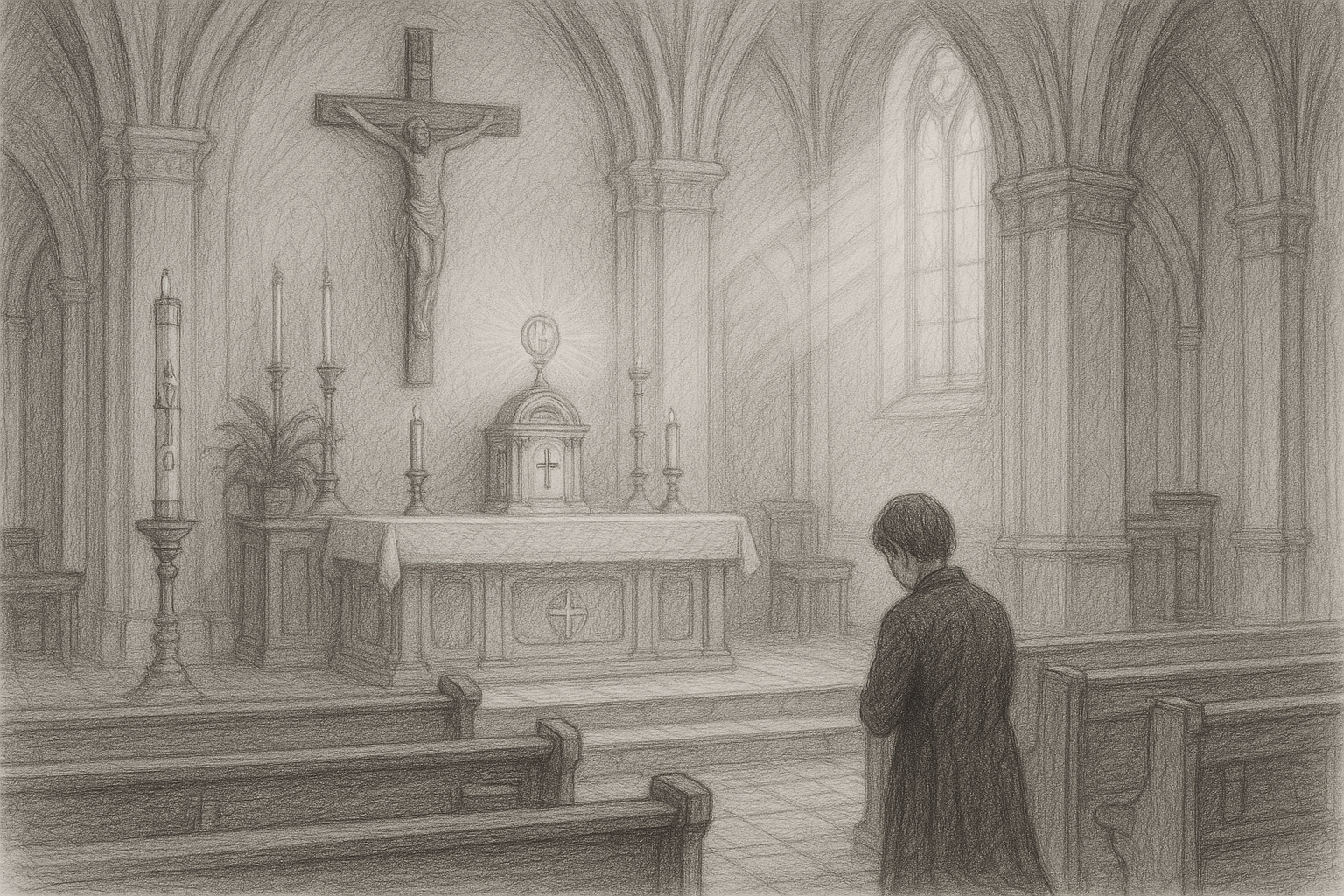
Catholic tradition does not separate suffering from sacramental life. The Mass is the great place where all human offering is brought to Christ's sacrifice. At the altar, the faithful do not bring only bread and wine. They bring their lives, labors, griefs, and hopes. When the priest says that the gifts are offered, the Christian can inwardly place that day's burdens on the paten with them.
The Eucharist is especially powerful in this regard because it unites believers to the sacrifice of Christ already made present. A person who receives Holy Communion while carrying a burden can pray that the Lord who enters the soul will also enter the wounded place and give it meaning. Confession, too, can be a mercy when suffering has been accompanied by anger, fear, impatience, or despair. The sacrament restores the soul and helps the believer begin again without shame.
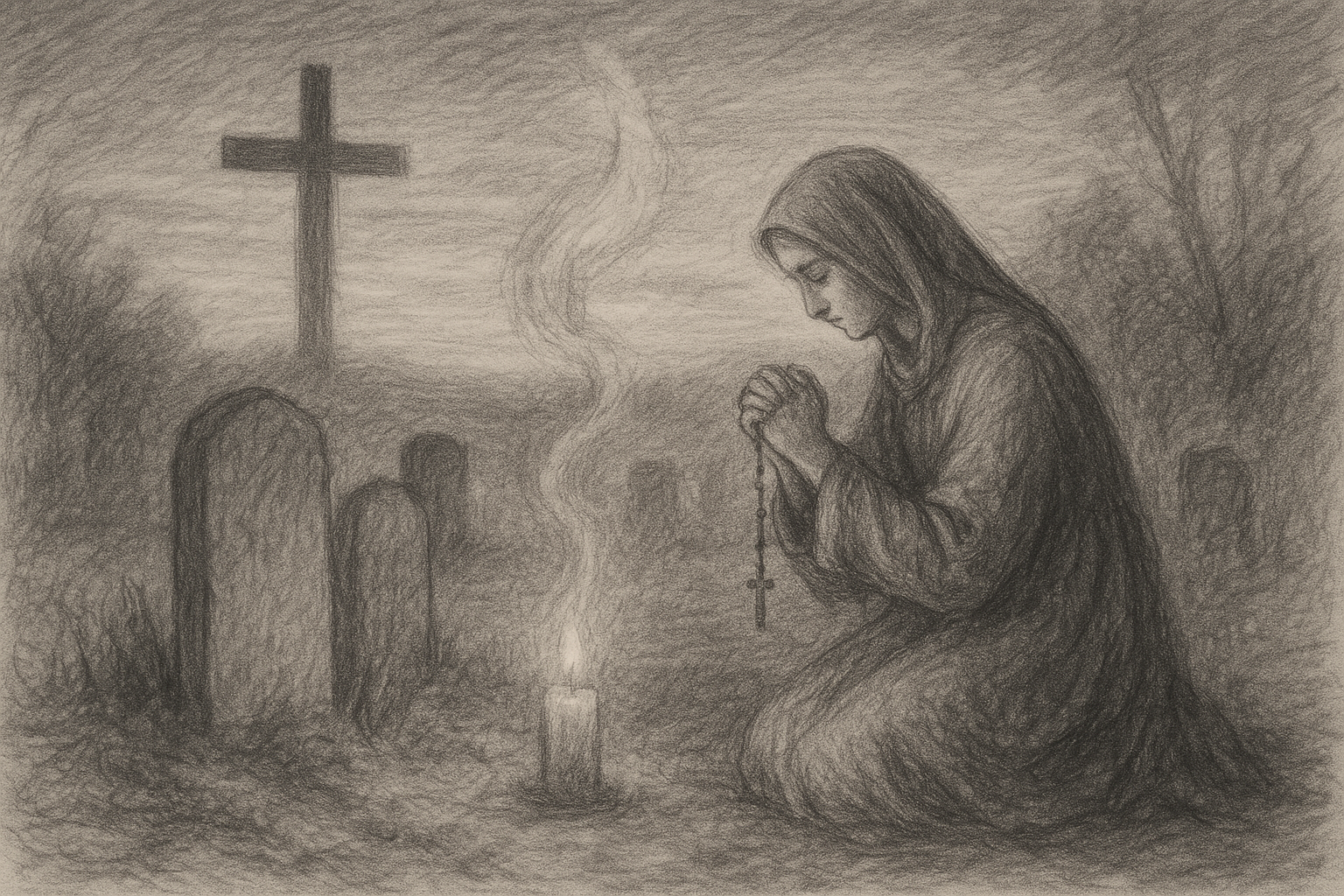
The Rosary and the Psalms are also fitting companions for those who suffer. The mysteries of Christ's life show that sorrow is not foreign to redemption. The Psalms give words to anguish when the heart cannot frame them on its own. The Church has never been embarrassed by tears. She has turned them into prayer.
this momentary light affliction is preparing for us an eternal weight of glory
This does not make pain small. It makes glory large. The Christian looks at suffering from within the promise of resurrection. Not every tear is explained in this life, but none is forgotten by God.
What offering suffering is not
It is important to say clearly what this practice does not mean. It does not mean that God delights in human misery. It does not mean that one should ignore abuse, injustice, or danger. It does not mean resigning oneself to every situation without prudent action. If a person can improve a harmful circumstance, seek protection, or pursue healing, that is often part of responsible stewardship.
Offering suffering also does not mean becoming passive before moral evil. Catholics are called to resist sin, defend the vulnerable, and work for justice. Sometimes the cross to be carried includes the burden of doing what is right when it is costly. That, too, can be offered to God.
Most of all, offering suffering is not a bargain with God. We do not suffer so that He will be forced to bless us. We entrust ourselves to Him because He is already good. The offering is an act of love, not a transaction.
Living the offering day by day
In ordinary life, the practice grows through repetition. A person may begin the morning by asking God to receive whatever the day brings. During the day, they may pause at the first sign of frustration and whisper a brief renewal. At night, they may thank God not only for consolations but also for the difficulties that were carried, however imperfectly.
Over time, this habit can soften fear. It can make a person less surprised by suffering and less ruled by it. It can deepen compassion for others, because one who has offered pain learns not to judge pain in others too quickly. It can also create a quiet interior freedom. Not every burden lifts, but some burdens become lighter when carried with Christ.
For the Catholic heart, this is never about proving strength. It is about love. The Cross shows that love does not always remove suffering immediately. Sometimes it transforms it from within. And when a believer says yes to God in the middle of pain, even with trembling lips and an unsteady heart, that yes becomes a prayer the Father receives.
That is why this practice remains so ordinary and so profound. In the life of faith, even suffering can become a place where grace is given, hope is renewed, and the soul learns again to trust the One who turns the Cross into salvation.
Keep Reading on Lets Read The Bible
Frequently Asked Questions
Is offering suffering to God the same as pretending pain is not real?
No. Catholic teaching does not ask anyone to deny pain. Offering suffering to God means telling Him the truth about what hurts and then uniting that pain to Christ with trust.
Can I offer suffering even if I feel angry or discouraged?
Yes. A sincere offering does not require perfect feelings. You can bring your anger, fear, or discouragement to God and ask Him to receive it and purify it.
Does offering suffering mean I should avoid medicine or professional help?
No. Catholics should still seek appropriate medical care, counseling, and practical support. Accepting help can be part of good stewardship and humility.