Prayer and Devotion
The Psalms in a Catholic Prayer Life: Ancient Words for Everyday Needs
The Church has prayed the Psalms for centuries because they give voice to praise, grief, trust, and hope with uncommon honesty.
Site Admin | December 10, 2025 | 85 views
Many Catholics know the Psalms best from Mass, the Liturgy of the Hours, or moments when a verse unexpectedly rises to memory. Yet the Psalms are not only for clergy, religious, or especially learned readers. They belong to the whole People of God. They are among the oldest prayers in Scripture, and they remain among the most alive.
When people ask about praying with the Psalms explained, they are often asking a simple question beneath a larger one: can ancient words still help me pray today? The answer is yes, because the Psalms speak with a human voice that is also inspired by God. They know sorrow and joy, fear and trust, sin and mercy, silence and praise. In them, the believer does not have to pretend to be better than he is. He only has to come before the Lord honestly.
The Psalms as the prayer book of Israel and the Church
The Psalms were formed within the worship of Israel. They were prayed in the Temple, sung in the home, and handed down through generations as words fit for both the community and the individual soul. This is part of their enduring strength. They are not private reflections loosely attached to faith. They are covenant prayers, born from the life of God's people.
Jesus Himself prayed the Psalms. On the cross, He spoke the words of My God, my God, why have you forsaken me?, and His life echoes the Psalms repeatedly. The Church, following her Lord, has never treated them as relics. From the earliest centuries, Christians sang and recited them as central Christian prayer.
In Catholic life, this continues in a particularly vivid way through the Divine Office, now commonly called the Liturgy of the Hours. There the Psalms are not occasional devotional extras. They are daily prayer, given by the Church for the sanctification of time. In that sense, praying the Psalms is not simply reading biblical poetry. It is joining the prayer of Christ and His Body, the Church.
Why the Psalms fit the human heart so well
One reason the Psalms endure is that they do not flatten human experience. They give words to the whole range of the soul. A Psalm can move from lament to praise in a single breath. It can ask hard questions and still end in trust. It can cry out in weakness without losing reverence.
That makes them especially helpful for Catholics who sometimes struggle to know how to pray when life feels complicated. Some days are full of gratitude. Others are marked by confusion, grief, distraction, or dry faith. The Psalms meet the believer there. They do not demand emotional perfection. They teach prayer by example.
Consider the movement of Why are you cast down, O my soul? and Bless the Lord, O my soul. One Psalm speaks to despair, the other to praise, and both remain true to real human life. The Christian does not have to choose only one register. In prayer, he may lament today and bless tomorrow. The Psalms make that possible without embarrassment.
Praying the Psalms as Catholic prayer
Catholic prayer is never meant to be purely self-generated. We do pray from the heart, but we also pray with the Church and from the Church's treasures. The Psalms help guard us from reducing prayer to spontaneous words alone. They give us a script that is both divinely inspired and deeply human.
This matters because some people feel pressure to invent impressive prayers. Yet the soul often prays best when it borrows words that have already been purified by the faith of generations. The Psalms help us do that. They let us speak to God with Scripture on our lips and the Church at our side.
There is also a formative power here. If we pray the Psalms regularly, they begin to shape the way we think. They teach us to praise before asking, to trust before controlling, and to remember God's works before measuring our own anxieties. Over time, they school desire itself.
Teach me, O Lord, to pray with your own words, so that my heart may learn what it cannot discover by itself.
How the Psalms guide us through different seasons of life
The Psalms are useful precisely because life is not uniform. They offer a language for many spiritual seasons.
In sorrow and grief
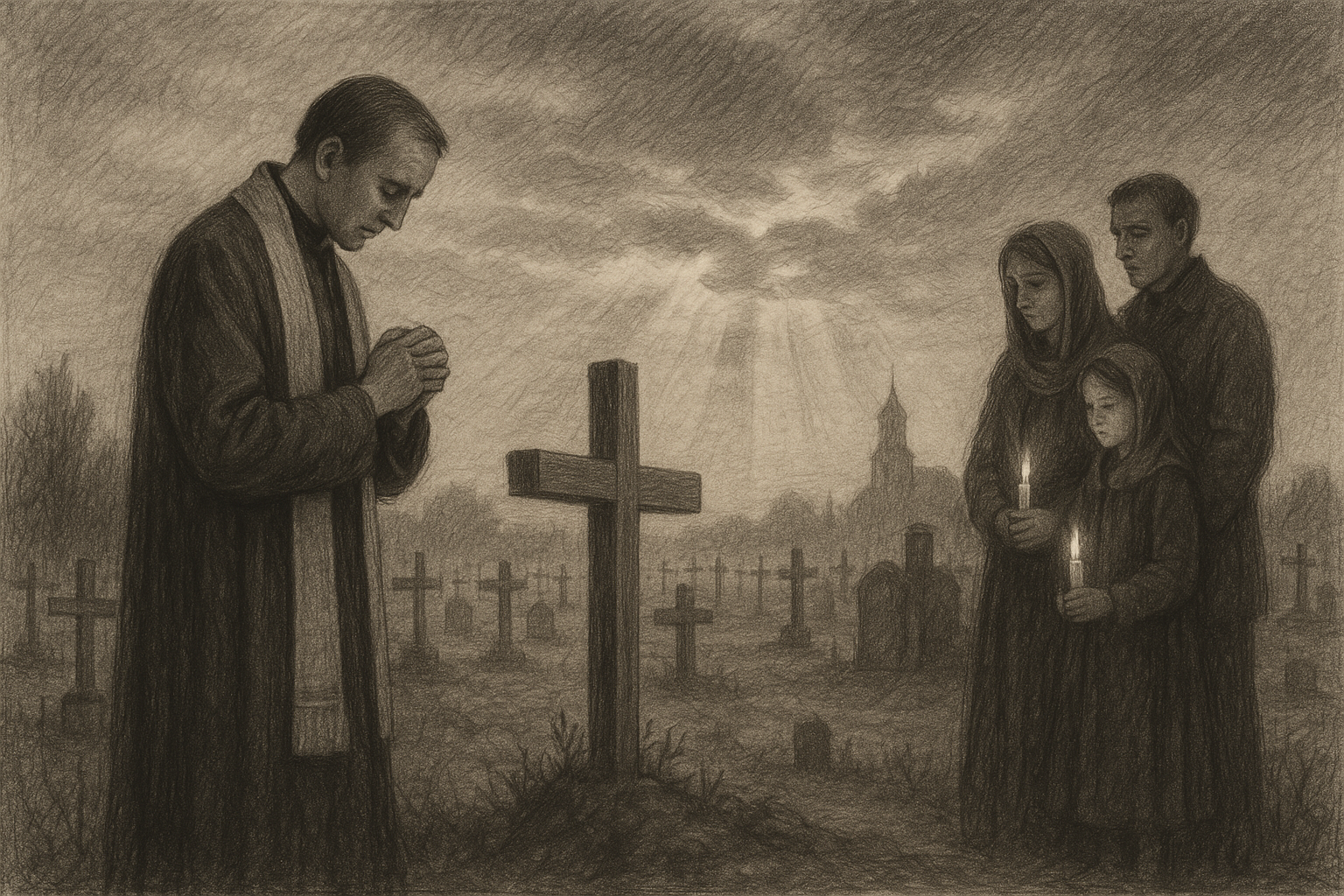
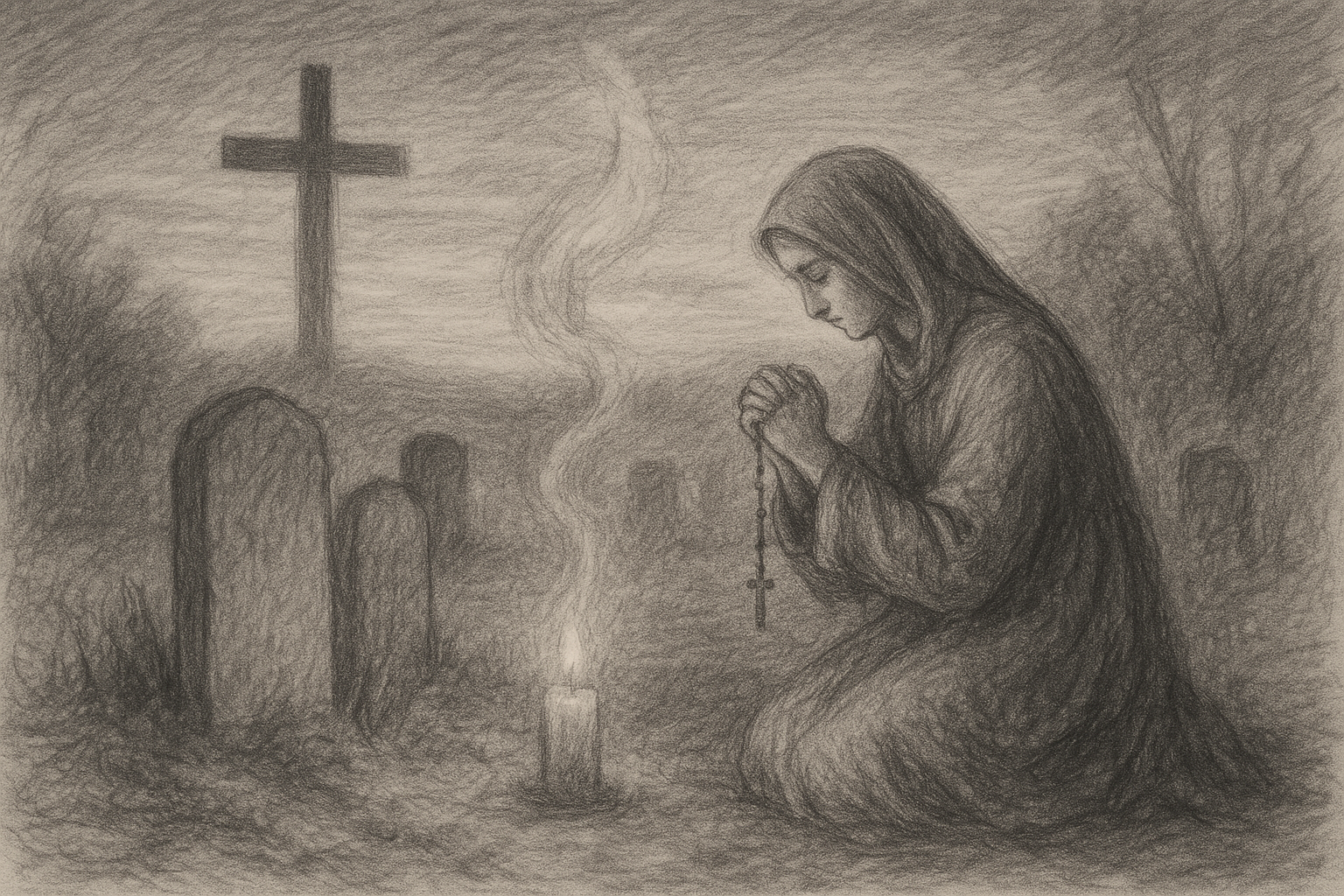
When loss or disappointment makes prayer difficult, the laments are a mercy. They show that faith does not require denial. A grieving person may pray, How long, O Lord? Will you forget me forever?, and know that such words are not a failure of faith but an act of trust spoken in pain.
Lament is not despair. It is grief brought before God rather than hidden from Him. That is a profoundly Catholic instinct. We bring the whole person to prayer, not only the polished parts.
In gratitude and joy
When life is good, the Psalms help us avoid forgetfulness. Human beings are quick to enjoy gifts and slower to thank the Giver. The Psalms correct that tendency. They lead us to say, with sincerity, This is the day which the Lord has made; let us rejoice and be glad in it.
In joyful times, the Psalms keep celebration from becoming shallow. They remind us that joy is deepest when it becomes praise.
In repentance and conversion
The penitential Psalms are especially precious in Catholic devotion. They help the soul face sin without self-deception. Create in me a clean heart, O God remains one of the most direct prayers a sinner can offer. It does not excuse wrongdoing. It asks for mercy and renewal.
For Catholics preparing for Confession, the Psalms can help awaken contrition, deepen humility, and stir hope in God's mercy. They are not a substitute for the sacrament, of course, but they dispose the heart to receive grace well.
In waiting and uncertainty
Not every spiritual struggle is dramatic. Often it is simply waiting. Waiting for clarity. Waiting for healing. Waiting for peace. The Psalms are full of that experience too. They teach patient hope. Wait for the Lord; be strong, and let your heart take courage is not sentimental advice. It is an act of faith forged in time.
How Catholics can begin praying the Psalms daily
Starting simply is best. A person does not need to pray all 150 Psalms at once. Even one Psalm, prayed slowly and attentively, can become a real encounter with God.
A few practical ways to begin:
- Choose one Psalm for the week and pray it each morning or evening.
- Read the Psalm aloud, pausing at phrases that stand out.
- Answer God in your own words after each verse or section.
- Keep a small notebook and write one line that speaks to your day.
- Return to the same Psalm in different moods and notice how it changes with your life.
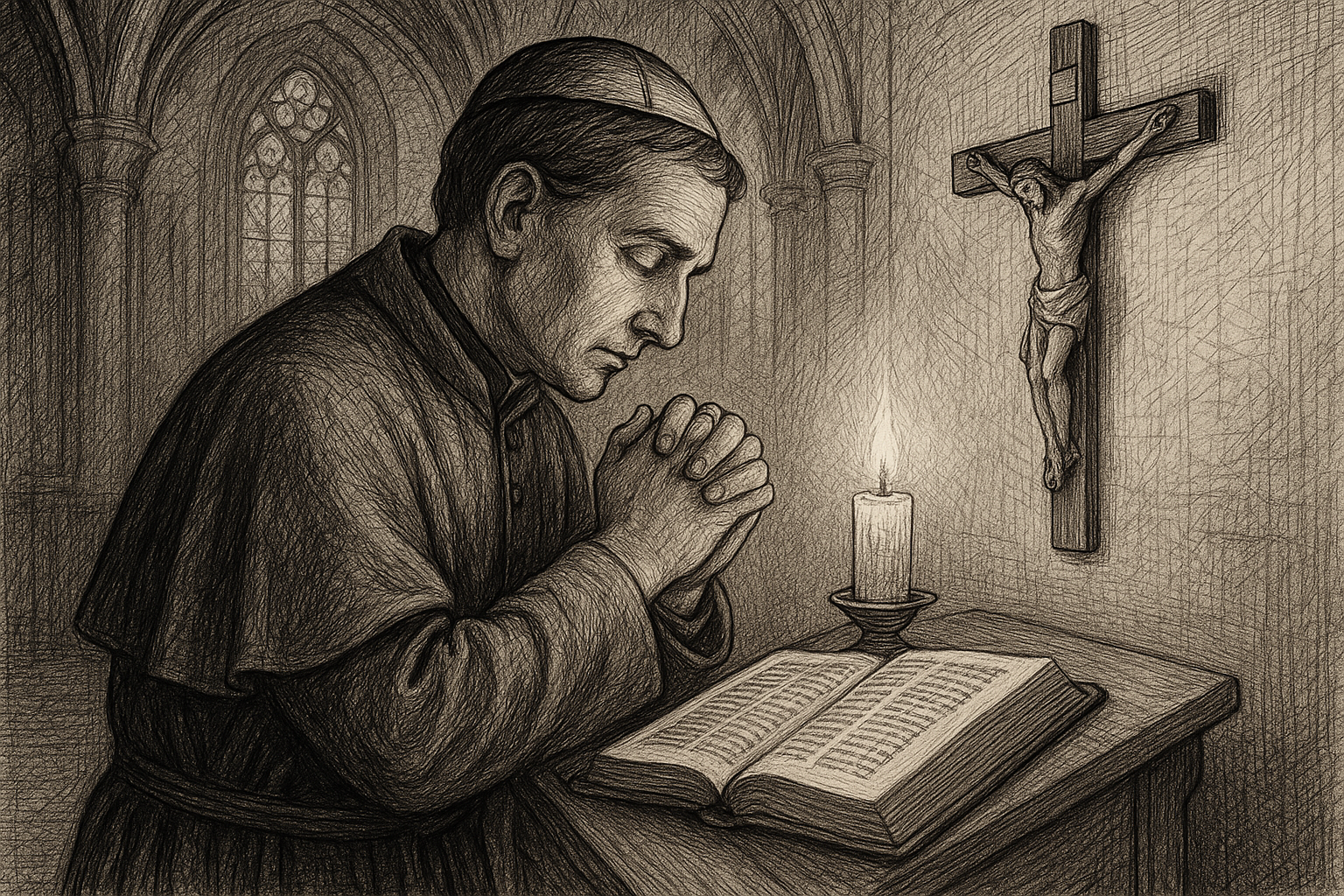
Lectio divina is a natural companion to Psalm prayer. Read slowly. Notice a word or phrase. Reflect. Respond. Rest in silence. This rhythm respects the fact that the Psalms are meant not merely to be analyzed but prayed.
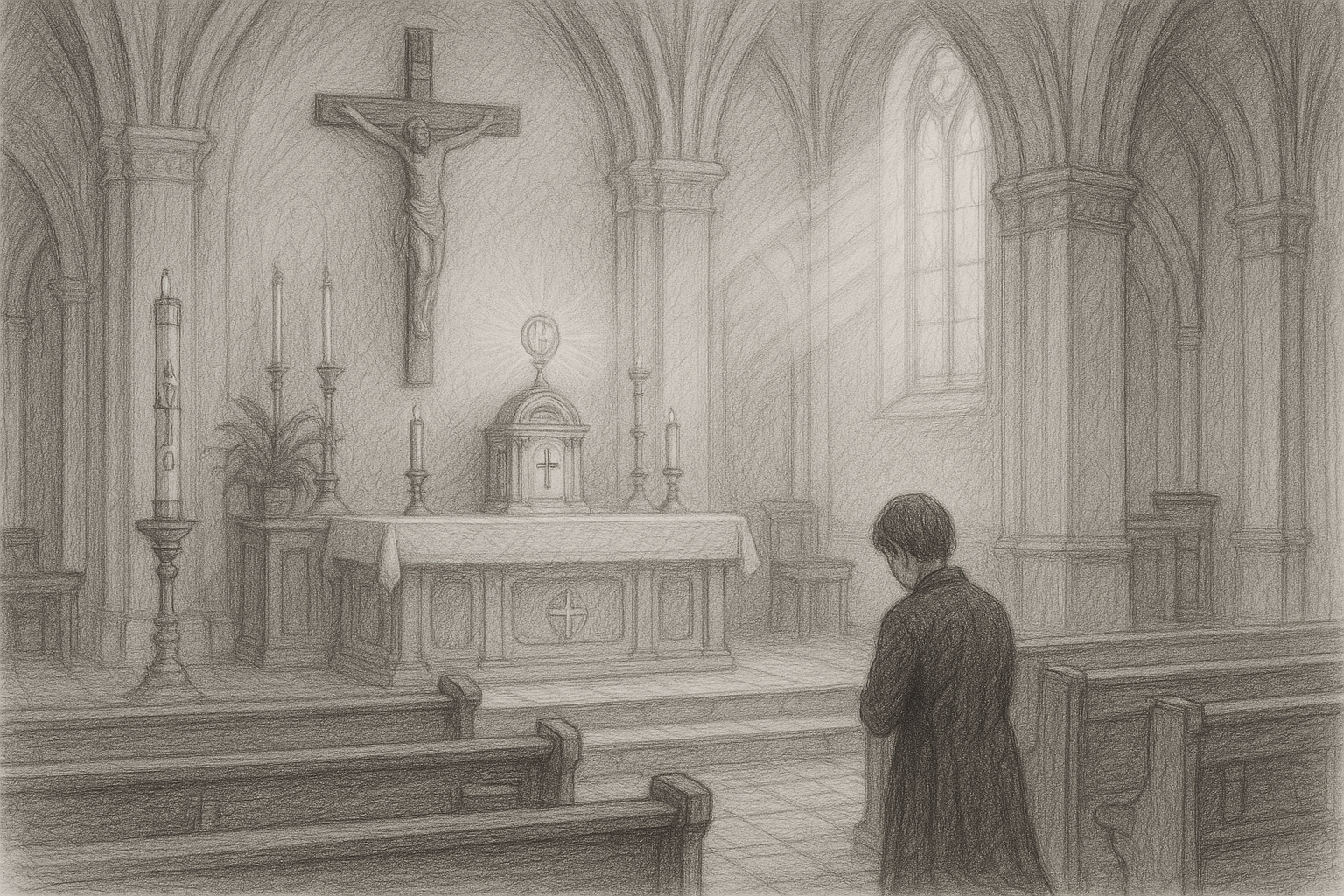
It can also help to pray them in union with the Church's liturgical rhythm. Morning and evening are especially fitting times. At dawn, the Psalms can consecrate the day ahead. At night, they can become a way of surrendering the day already lived.
Parents may also introduce the Psalms to children in a simple manner. A child can learn short verses of praise, confidence, or mercy long before he understands the full biblical context. In that way, the Psalms become part of the spiritual memory of the home.
Praying the Psalms with Christ at the center
For Catholics, the deepest meaning of the Psalms is found in Christ. The Psalms are not just ancient religious literature, and they are not merely emotional therapy in poetic form. They are part of the Old Testament that finds fulfillment in Jesus.
That means we read them with Christian eyes. Some Psalms speak plainly of the king, the righteous sufferer, or the shepherd, and the Church hears in them a prophetic horizon that opens toward Christ. When we pray them, we do not leave the Old Covenant behind. We receive it as fulfilled in the Son of David.
This Christ-centered reading guards us from treating the Psalms as self-help texts. Their first purpose is worship. They lead us beyond ourselves to the living God. And because Christ is the true center of worship, they bring us to Him again and again.
There is a quiet consolation in knowing that the words on our lips are already familiar to the Lord. He prayed them. He fulfilled them. He still receives them when His Church prays.
Letting the Psalms shape ordinary days
In the end, the value of the Psalms is not only that they help during emergencies. They also sanctify ordinary life. A few verses prayed while commuting, washing dishes, walking, or sitting in silence can steadily change the atmosphere of a day.
They remind us that prayer is not reserved for perfect moments. The Christian life unfolds in fragments, interruptions, and repeated beginnings. The Psalms are patient with that. They can be returned to often, because the soul needs repeated formation.
For a Catholic seeking steadier prayer, the Psalms offer something both ancient and immediate: words given by God, prayed by the Church, and available for every hour of human need. They do not remove struggle, but they place struggle before the Lord. They do not eliminate weakness, but they teach the weak to pray. And in that way, they remain one of the Church's most faithful companions for the journey.
Keep Reading on Lets Read The Bible
Frequently Asked Questions
How do Catholics pray with the Psalms in daily life?
A Catholic can pray one Psalm slowly each day, use it in morning or evening prayer, or read it with lectio divina. The key is to let the words become conversation with God rather than a rushed reading exercise.
Are the Psalms only for sorrowful times?
No. The Psalms include lament, but they also overflow with praise, thanksgiving, repentance, trust, and joy. They are suited to every season of the spiritual life.
Why are the Psalms important in Catholic worship?
The Psalms are central to the Church's prayer because they come from Scripture and are used constantly in the liturgy, especially the Liturgy of the Hours and the Mass. They help unite personal prayer with the prayer of the Church.