Family and Vocation
When Forgiveness Has a Family Face
In the home, mercy is not a theory. It is a daily act of faith, patience, and grace.
Site Admin | November 13, 2025 | 71 views
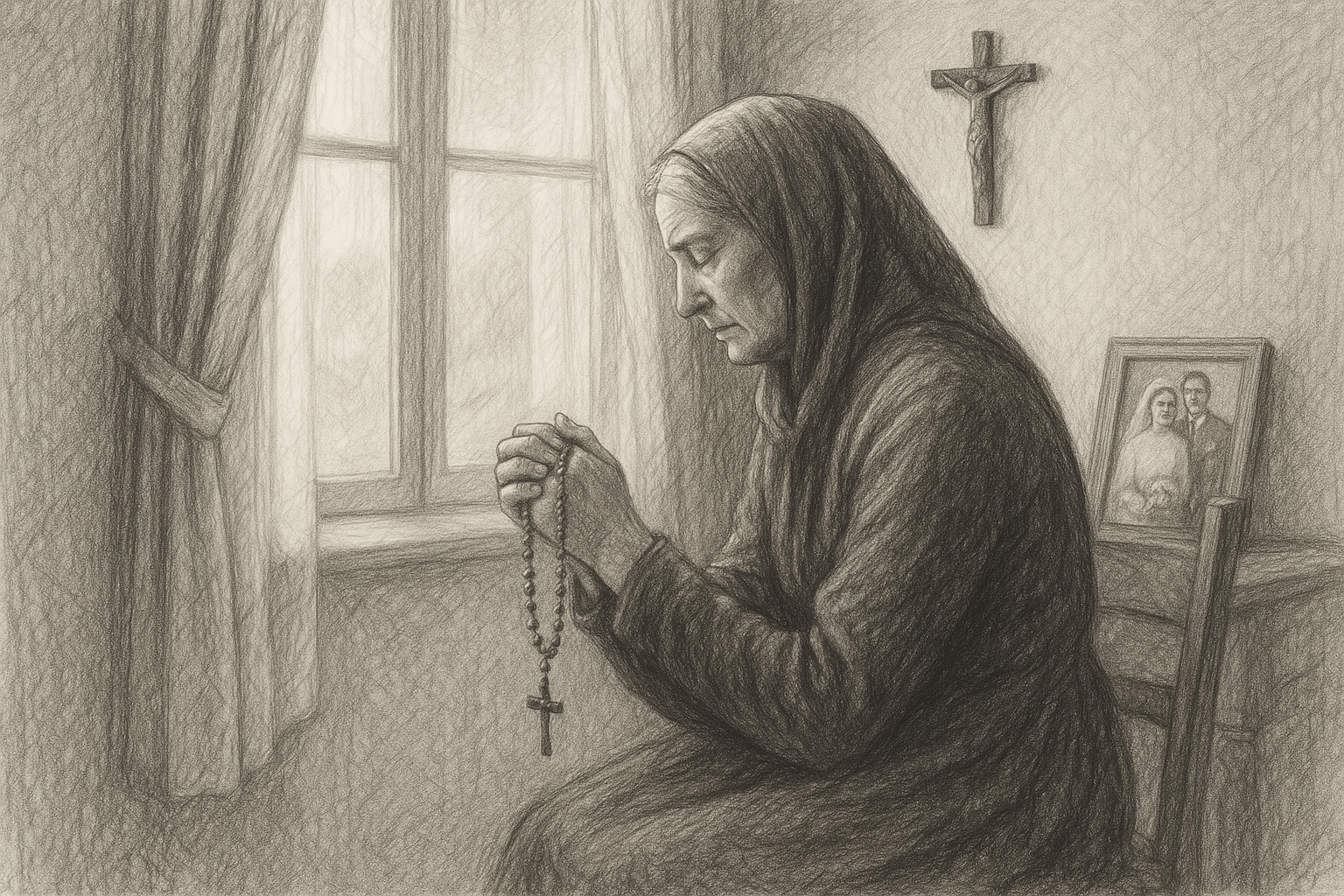
Forgiveness inside the family Catholic perspective is not a polished idea for comfortable moments. It is a very human task, lived in kitchens, hallways, hospital rooms, and strained conversations after long silences. Families carry deep love, but they also carry memory. Because the wounds happen close to home, they often feel more personal and more difficult to name.
The Catholic faith does not pretend that these hurts are small. It does not ask us to call evil good, or to dismiss serious harm as if it never happened. Instead, it teaches that forgiveness is rooted in truth, mercy, and conversion. We forgive because we have been forgiven by God, and because Christ has made a way for wounded hearts to be healed without denying the reality of pain.
Forgiveness begins with what God has already done
At the heart of Christian forgiveness is not human optimism but divine mercy. Scripture presents forgiveness as something received before it is something offered. Saint Paul reminds us that God has reconciled us to himself through Christ 2 Corinthians 5:18. That reconciliation is the pattern for every family that hopes to live in peace.
Jesus ties our willingness to forgive others to the mercy we have received from the Father. In the prayer he gave us, we ask, forgive us our trespasses, as we forgive those who trespass against us Matthew 6:12. This is not a harsh bargain. It is a spiritual reality. A heart that has truly encountered mercy begins, slowly and sometimes painfully, to become merciful.
Within the home, that truth matters because family life is intimate. Spouses know one another's weaknesses. Parents and children live with repeated disappointments. Siblings carry old rivalries, perceived favoritism, and words spoken in anger years earlier. The closer the relationship, the more likely a wound will touch identity itself. Forgiveness is therefore not merely about getting past an incident. It is about allowing grace to keep love from hardening into resentment.
The family is meant to be a school of charity
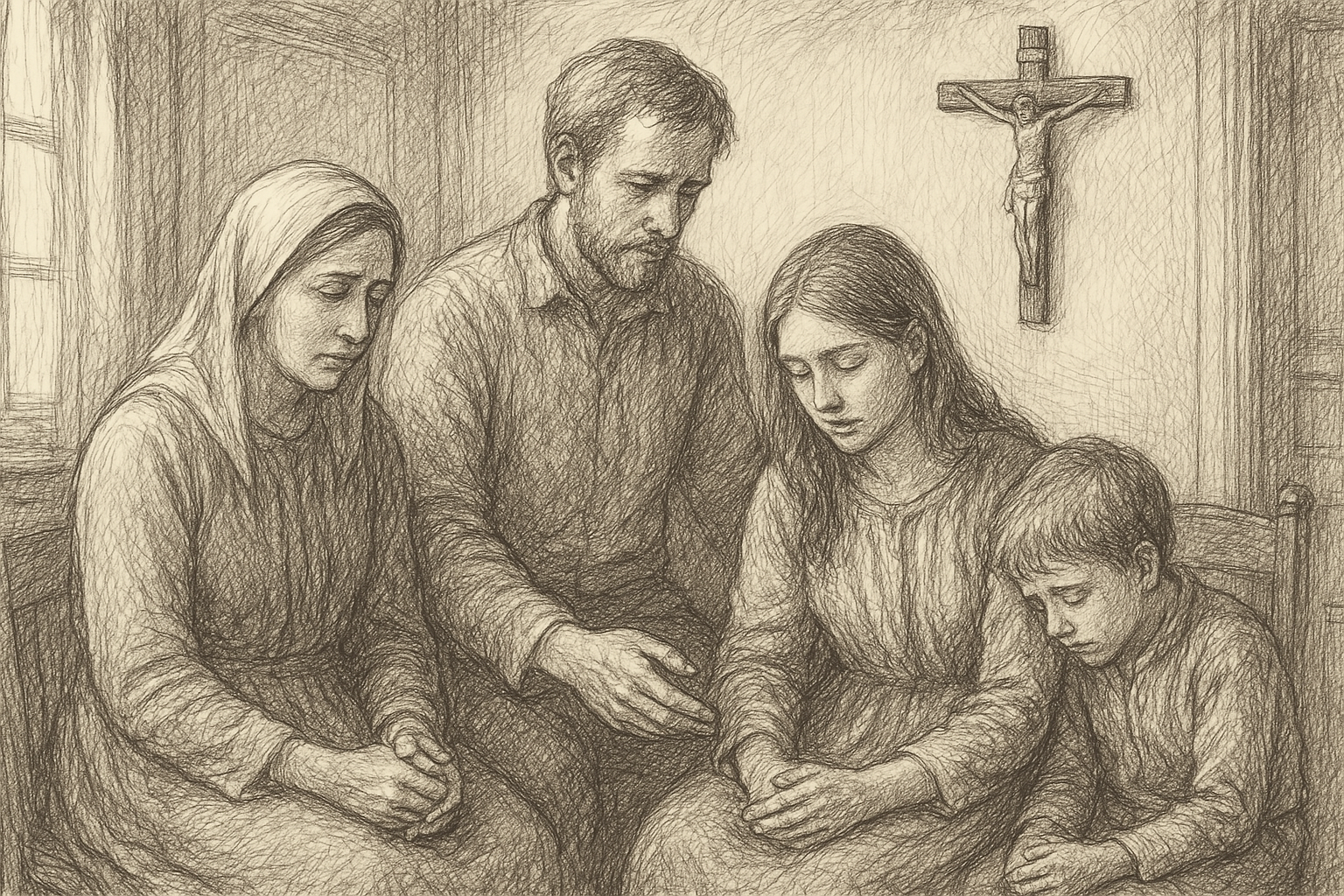
The Church has long spoken of the family as a domestic church, a place where faith is lived in ordinary life. In that setting, forgiveness is not an optional extra. It is part of the apprenticeship of love. Children learn by watching how adults handle conflict. They notice whether apologies are humble or defensive, whether silence is used to punish, and whether reconciliation is sought after tempers cool.
Saint Paul gives a direct and beautiful rule for Christian households: Be kind to one another, compassionate, forgiving one another as God has forgiven you in Christ Ephesians 4:32. That command is gentle in tone but demanding in practice. It asks family members to resist the instinct to keep score. It asks them to step out of the role of judge and into the role of brother, sister, spouse, son, or daughter who still desires communion.
This is one reason forgiveness inside the family can be so transformative. It does not only repair one relationship. It shapes the moral atmosphere of the entire home. A family that practices mercy becomes a place where confession is possible, where tenderness is safer, and where truth can be spoken without fear that one mistake will become a permanent identity.
Forgiveness is not the same as pretending nothing happened
One of the most common misunderstandings about forgiveness is the idea that it requires immediate reconciliation, instant trust, or emotional forgetfulness. The Catholic tradition is more realistic than that. Forgiveness means releasing revenge, renouncing the desire to harm, and entrusting justice to God. It does not mean removing every boundary or erasing every consequence.
This distinction matters especially in cases of repeated manipulation, addiction, abuse, or betrayal. Love can be real while trust is still being rebuilt. A person may forgive and still need distance, accountability, or support from a pastor, counselor, or other wise helper. In some cases, the most merciful action is to seek safety and truth first, then work toward reconciliation only when there is genuine repentance and a stable path forward.
Christ himself joins mercy and truth. He forgives sinners, but he also calls them to conversion: Go, and from now on do not sin any more John 8:11. That same pattern belongs in family life. Forgiveness is offered freely, but healing is often a process. It may take time for words to become trustworthy again.
Forgiveness does not always restore the past. It opens the door for a future that is no longer ruled by the past.
Where family forgiveness is hardest
In practice, forgiveness inside the family usually becomes hardest in a few familiar situations. These are not abstract moral puzzles. They are the places where real people struggle to live the Gospel.
- When the wound is repeated: A promise is broken again and again, and hope begins to feel foolish.
- When the injury is old: The offense happened years ago, but the memory still shapes every gathering.
- When the wound is unseen: Neglect, emotional distance, and lack of tenderness can hurt as deeply as open conflict.
- When words are never spoken: Some families do not fight loudly, but they also never name what is broken.
- When one person wants peace and the other refuses it: Reconciliation requires cooperation, but forgiveness in the heart can still begin before that cooperation arrives.
These struggles help explain why family forgiveness can feel so different from forgiving a stranger. Family wounds are often tangled with duty, memory, and shared history. A parent who failed, a child who rebelled, a sibling who mocked, or a spouse who withdrew can leave grief that is both moral and emotional. In such moments, grace does not bypass suffering. It enters it.
Grace works through ordinary acts
Catholic life is sacramental, but it is never only sacramental in the narrow sense. Grace reaches us through prayer, the sacraments, counsel, Scripture, and daily acts of obedience. In the family, forgiveness often begins with very small movements of the heart.
Sometimes the first step is to tell the truth before God. A person might pray, Lord, I do not want to forgive, but I want to want what you want. That honest prayer is already a form of surrender. At other times, the first step is choosing not to rehearse the offense again and again in conversation. Another step may be speaking with measured honesty rather than sarcasm, or refusing to answer a sharp word with an even sharper one.
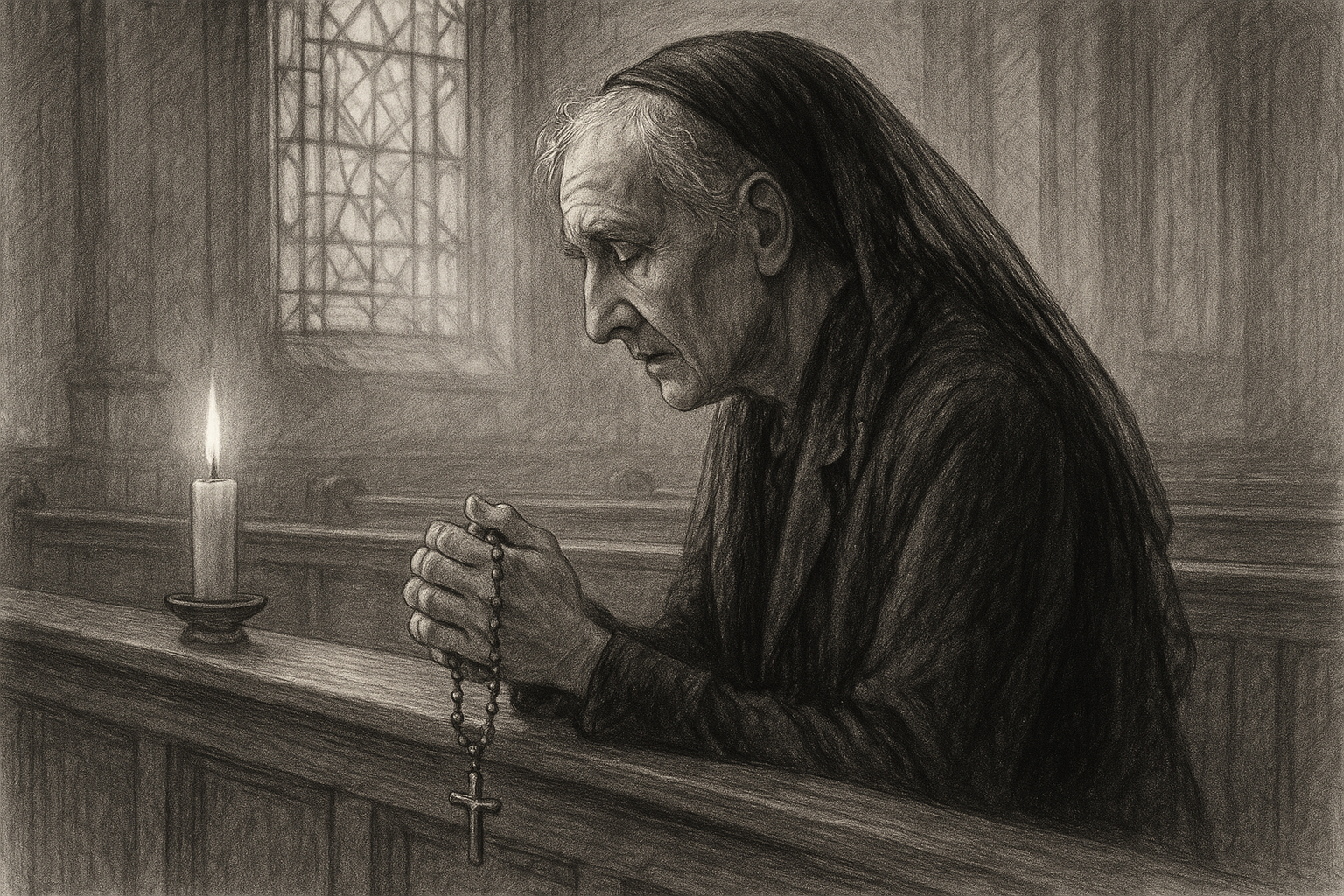
The sacrament of Reconciliation can also be a powerful source of freedom. When we confess our sins, we learn both humility and mercy. We also discover how often our own need for forgiveness makes us more patient with others. A family member who receives mercy at the altar or in the confessional is better prepared to extend mercy at home.
Prayer for the person who has offended us can be difficult, but it is one of the most concrete ways grace softens resentment. We may not feel warmth immediately. Still, interceding for another person places them in God's hands and loosens the false belief that only our anger can keep the situation under control.
The example of Christ gives forgiveness its shape
Christian forgiveness is not sentimental. It is cruciform. It takes shape under the sign of the Cross, where Jesus prays for those who have hurt him: Father, forgive them, they know not what they do Luke 23:34. In the family, that example does not excuse evil, but it does reveal the power of love that suffers without surrendering to hatred.
The Cross also teaches that forgiveness may cost something. It can cost pride, the desire to be vindicated, or the comfort of replaying old injuries. It may cost the illusion that peace can be built without sacrifice. Yet Christian sacrifice is never sterile. When joined to Christ, it becomes fruitful.
Families often want a quick resolution because tension is exhausting. But Christ does not ask for quickness. He asks for fidelity. The goal is not to force an artificial harmony. The goal is to let truth and mercy meet until communion becomes possible again, however gradually that happens.
Practical habits that can help
Some habits make room for forgiveness to grow in family life:
- Pause before responding. A short silence can prevent a wound from deepening.
- Speak specifically. Name the offense honestly instead of using vague accusations.
- Avoid relitigating every past failure. Deal with the real issue before you, not every hurt from the last decade.
- Ask for forgiveness clearly. A simple, sincere apology matters more than a long defense.
- Set wise boundaries when needed. Forgiveness and prudence can and should coexist.
- Pray together if possible. Even a brief prayer can remind a family that grace is bigger than conflict.
These habits are not tricks. They are ways of cooperating with grace. They help create space where the Holy Spirit can work in hearts that are tired, defensive, or afraid.
Parents and children each have a role
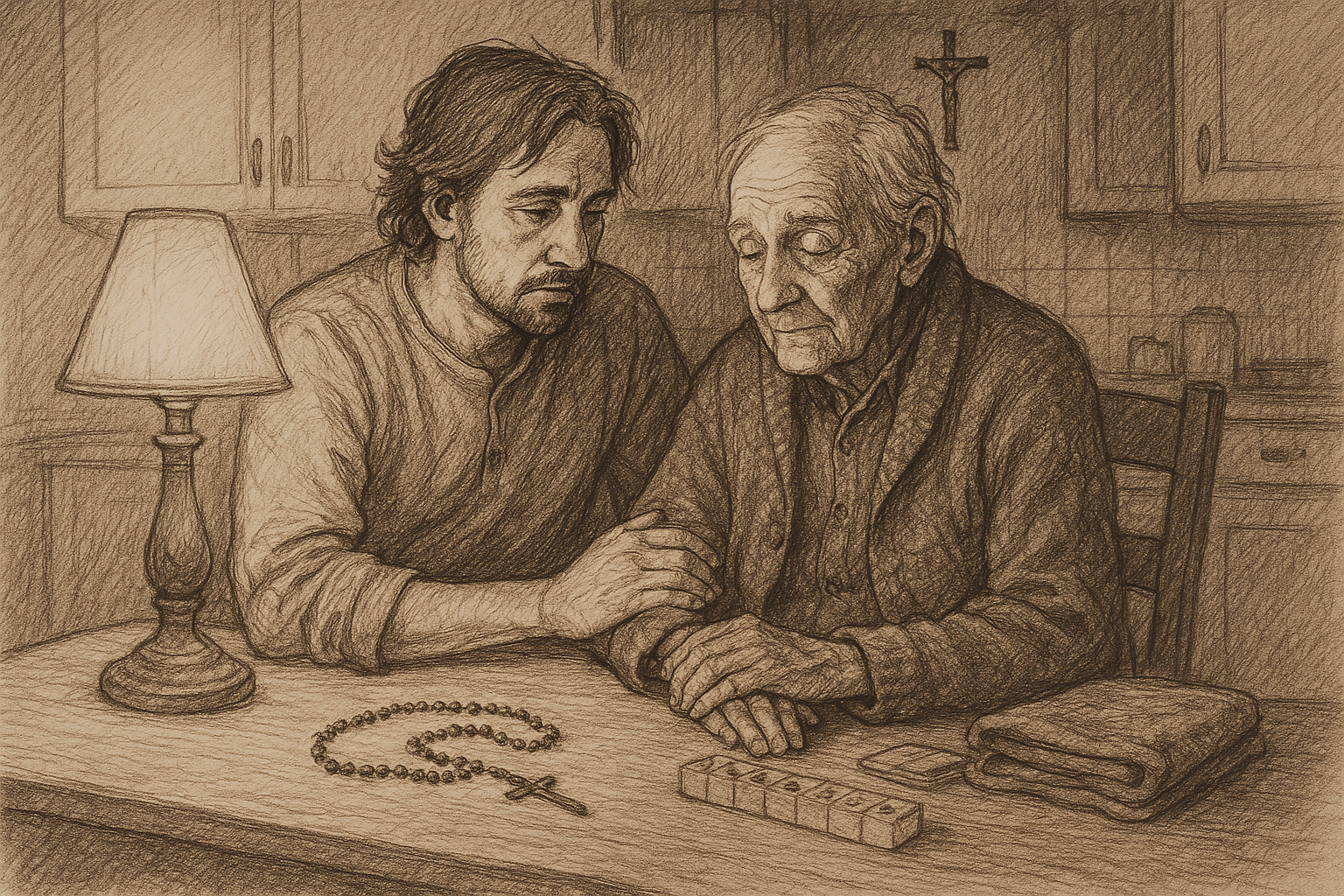
In family life, forgiveness is not only for those who have been obviously wronged. Parents must forgive children, children must forgive parents, and siblings must forgive one another. Every generation has its own temptations. Parents may struggle with impatience or disappointment. Children may carry resentment over what was absent or misunderstood. Adults who return to painful memories often discover that forgiveness is not just a choice made once, but a discipline renewed many times.
For parents, mercy includes patience with immaturity and a willingness to correct without crushing. For children, mercy may include honoring parents while also naming wounds honestly and seeking help when needed. For siblings, mercy often means giving up the hope of winning old battles and choosing instead the greater good of peace.
When families live this way, they bear witness to something the world often forgets: that love is not proven by the absence of conflict, but by the willingness to seek communion after conflict. This is one of the quiet miracles of Catholic household life. The same people who can wound each other most deeply are also capable, by grace, of becoming instruments of healing.
That is why forgiveness inside the family Catholic perspective is never merely about etiquette or emotional control. It is about becoming a people who resemble Christ. In homes marked by prayer, repentance, and mercy, even old grief can begin to lose its power to define the future.
Keep Reading on Lets Read The Bible
Frequently Asked Questions
Does Catholic teaching require me to trust a family member immediately after forgiving them?
No. Forgiveness and trust are not the same thing. You can forgive while still taking time, setting boundaries, and looking for real repentance before trust is rebuilt.
What if the family member who hurt me never apologizes?
You can still forgive in your own heart and pray for grace to let go of bitterness. Reconciliation may not be possible without the other person's cooperation, but forgiveness can still begin with your own decision before God.
Is it ever wrong to stay distant from a family member I have forgiven?
Not necessarily. In situations involving serious harm, distance may be necessary for safety and healing. Forgiveness does not require you to ignore prudence or abandon healthy boundaries.