Family and Vocation
Forming a Child's Heart at Home: Faith, Patience, and Daily Grace
Catholic parenting is less about control than faithful witness, steady habits, and trust in God's grace.
Site Admin | November 11, 2025 | 74 views
Raising children in the faith is one of the most beautiful and demanding callings in family life. Parents often want a clear method, a reliable pattern, or a set of steps that will guarantee success. But Catholic life rarely works that way. Faith is handed on through love, repetition, prayer, repentance, and grace. Children learn not only from what they are told, but from what they see lived before them day after day.
The Church understands the home as the first place of formation. Parents do not replace the parish, the school, or the wider Christian community, but they remain the first teachers of the faith. That role is both an honor and a burden. It asks parents to be attentive in ordinary moments, to pray when they feel unprepared, and to trust that God is at work even when the fruit is not immediately visible.
The home as the first place of discipleship
Scripture places great responsibility on parents to hand on the faith. Israel was told to keep the words of the Lord close and to teach them to their children in the rhythm of daily life: Keep these words upon your heart. The command is striking because it assumes that faith is not taught only in formal lessons. It is woven into sitting, walking, rising, and resting. In other words, children are formed by a household's pattern of life.
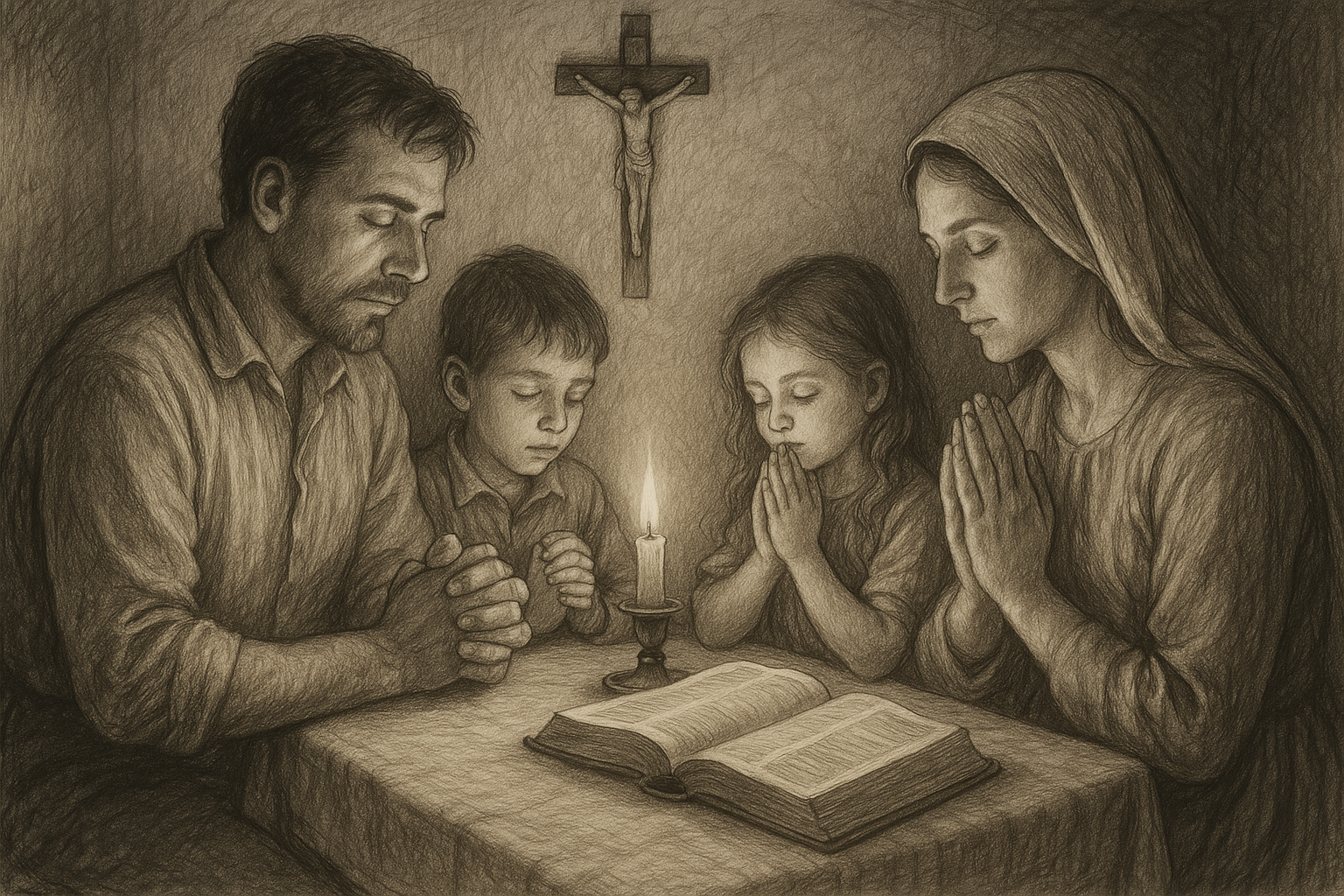
For Catholics, this teaching takes on a sacramental shape. A child does not learn the reality of God only through explanations. A child learns by being brought to Mass, by seeing reverence before the tabernacle, by hearing prayers at bedtime, by watching parents ask forgiveness, and by learning that Sunday is different from the other days of the week. These small practices create a moral and spiritual grammar.
The Catechism teaches that parents have the first responsibility for the education of their children, including religious education. That does not mean parents must know everything or do everything alone. It does mean that the faith of the family cannot be outsourced. A parish can support, encourage, and instruct, but parents remain the first living witnesses of what it means to belong to Christ.
Faith grows through witness before instruction
Children are quick to notice whether the faith is treated as real or optional. They may not understand every doctrine, but they understand tone, habit, and consistency. If prayer is only used in emergencies, they may conclude that God is a last resort. If Mass is approached as a duty to endure rather than a gift to receive, they will sense the difference. If parents speak about charity, honesty, or purity but do not practice them, the contradiction will not go unnoticed.
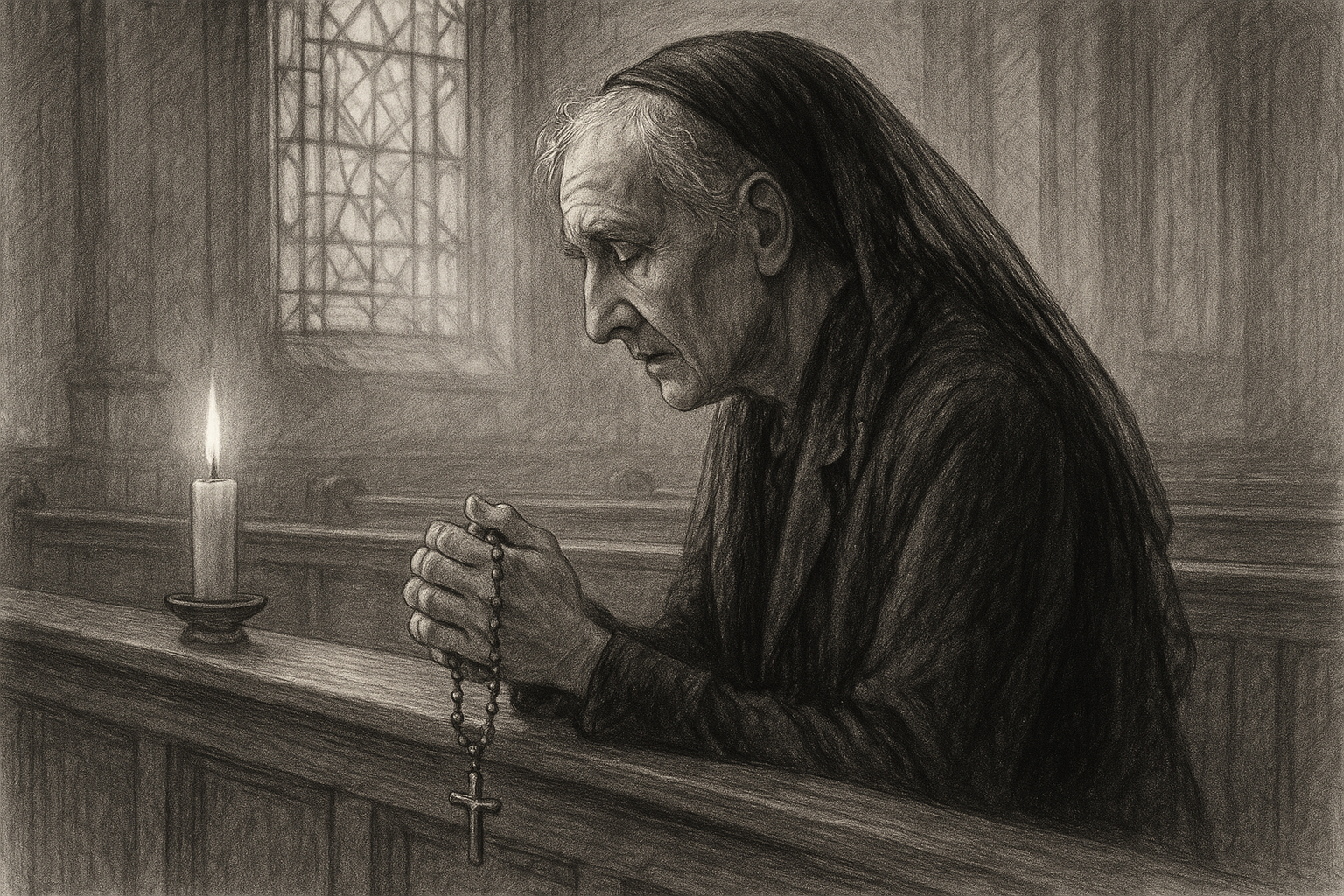
This is why witness matters so deeply. A parent who kneels in prayer after a hard day teaches something profound without many words. A mother or father who apologizes sincerely after losing patience reveals that humility is part of holiness. A family that returns to confession after sin teaches that mercy is stronger than shame. These are not perfect performances. They are signs that the household belongs to a Savior who heals.
Fathers, bring your children up in the discipline and instruction of the Lord
That passage does not call for harshness. It calls for formation marked by discipline, yes, but also by instruction that comes from the Lord. Catholic parenting should never drift into fear-based control. The goal is not to produce children who behave well in public while remaining untouched in heart. The goal is to raise sons and daughters who know they are loved by God and who can choose the good freely.
Daily practices that build a Catholic home
Many families feel overwhelmed by the idea of doing enough. The answer is not to invent a perfect spiritual program. It is to begin with simple practices that can be sustained. Small habits, done faithfully, often shape a child's imagination more than dramatic efforts that quickly fade.
- Pray at the beginning and end of the day, even if the prayer is brief.
- Attend Sunday Mass as a family and speak about the readings during the week.
- Keep a crucifix, Bible, or sacred image in a visible place at home.
- Teach children basic prayers slowly and with patience.
- Mark feast days, saints' days, and liturgical seasons in simple ways.
- Encourage acts of service so that faith becomes love in action.
These practices matter because they create memory. A child who grows up hearing the Hail Mary at bedtime, making the Sign of the Cross with care, and lighting candles during Advent will not remember every detail, but the shape of Catholic life will settle deeply into the heart. Later, even in seasons of distance or doubt, those memories may become a path back home.
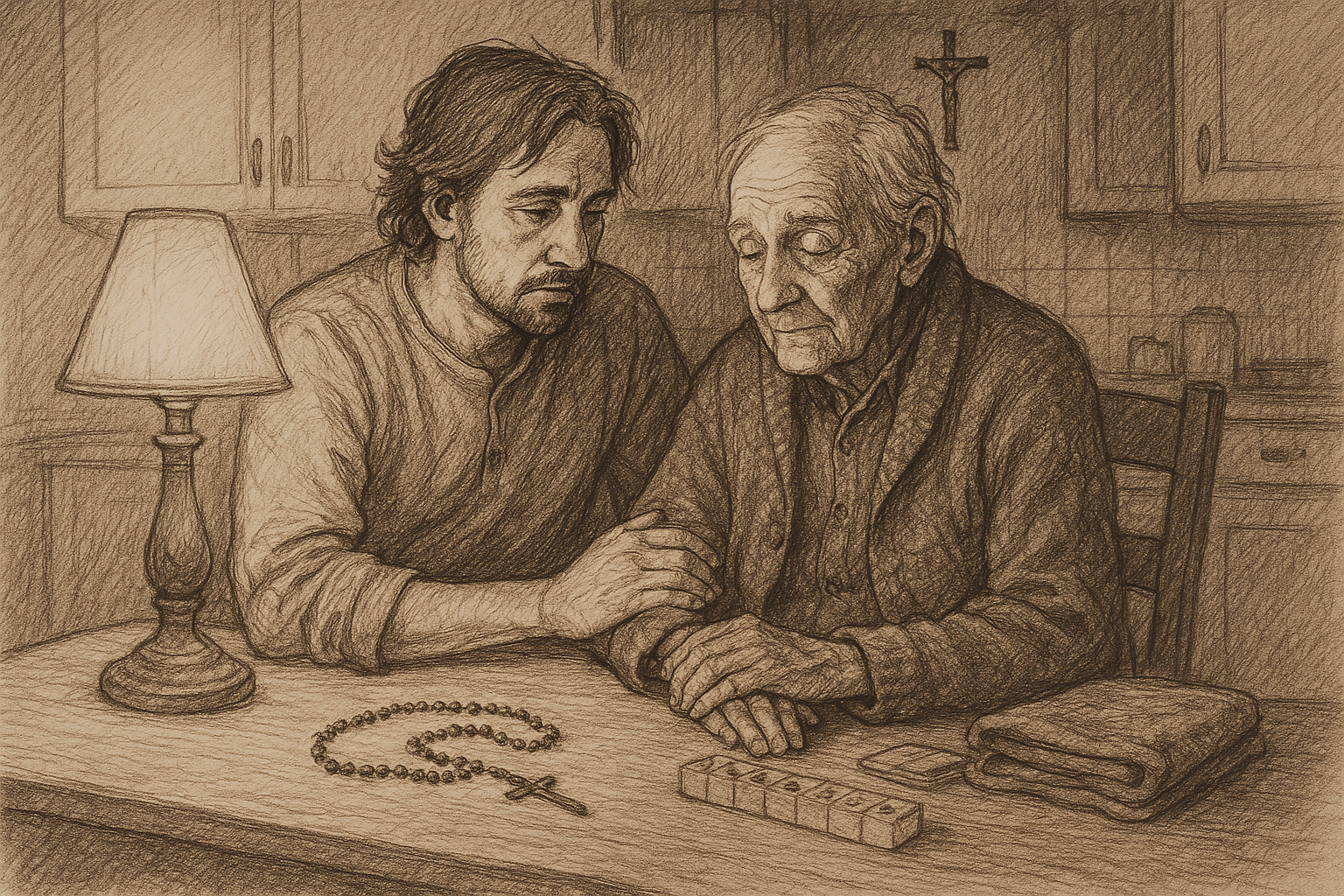
It can also help to connect prayer with ordinary experiences. A difficult test at school, a sibling conflict, a sick grandparent, or a disappointment with a friend can all become moments for intercession. Children learn that faith is not detached from life. It is the way life is offered to God.
When the work feels fruitless
One of the hardest realities of raising children in the faith is that parents often cannot see immediate results. A child may resist prayer, seem bored at Mass, or push against moral teaching. This can wound parents deeply, especially when they have tried to be faithful. Yet the hiddenness of this work is not a sign of failure. It is part of the Christian pattern of sowing and waiting.
Jesus Himself speaks of the seed that grows in ways the sower does not fully understand: The kingdom of God is as if a man should scatter seed upon the ground. Parents scatter seed whenever they teach, pray, forgive, and begin again. Some of that seed bears fruit quickly. Some of it lies dormant for years. God is never hindered by the slow pace of human hearts.
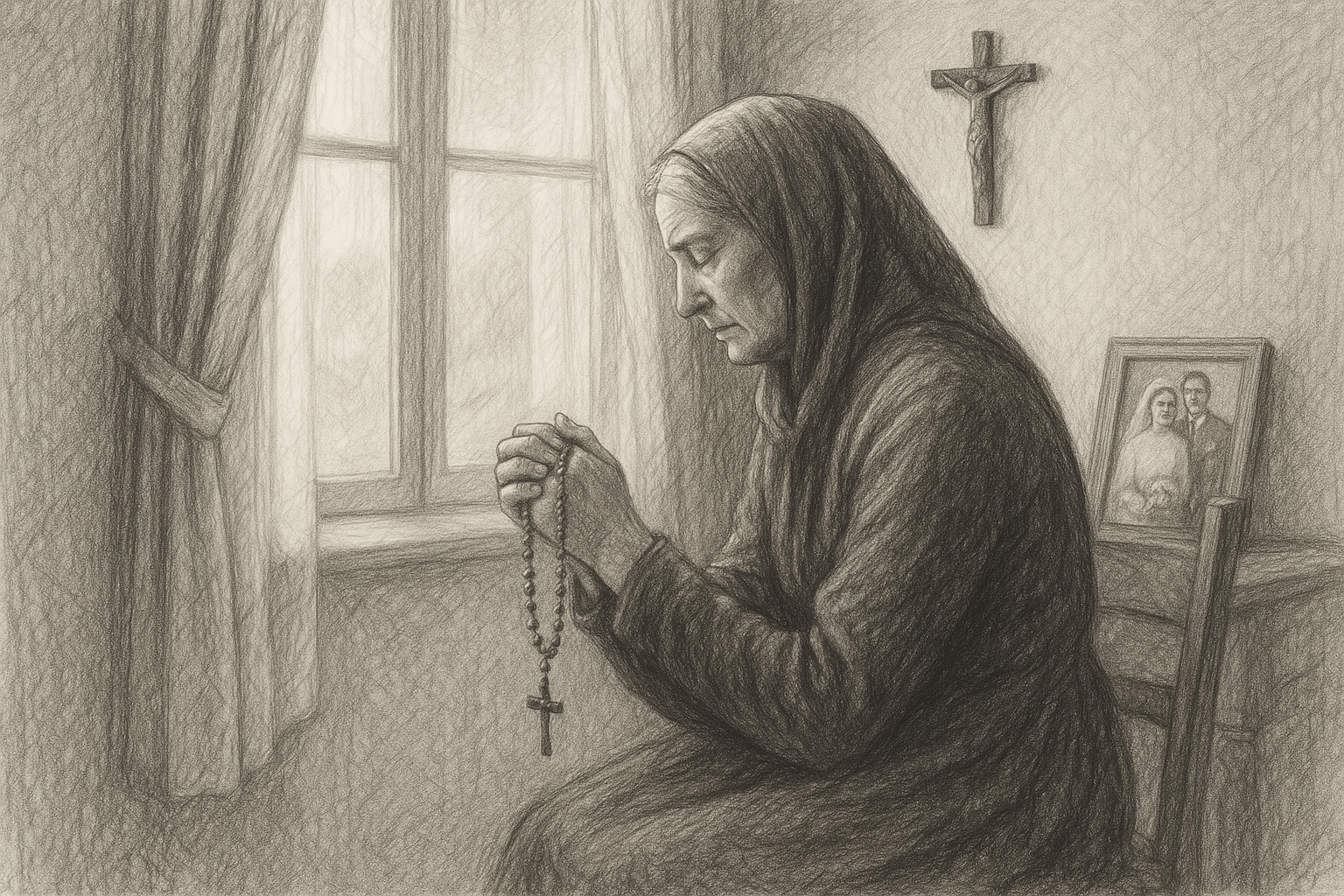
That does not excuse complacency. Parents still need judgment, consistency, and courage. But it does free them from the illusion that every sincere effort must produce an immediate visible reward. Many adult Catholics can trace their return to faith to quiet, ordinary things from childhood: a parent's rosary, a grandfather's blessing, a mother's persistence, a father's insistence on Sunday Mass, or a family habit of turning to God in hardship.
Correction, mercy, and the discipline of love
Children need boundaries. Love without discipline can become sentimental and confusing. At the same time, discipline without mercy can harden into resentment. Catholic parenting seeks a wise middle path shaped by justice and compassion. The parent corrects because the child is meant for holiness, not because the child is an inconvenience.
This requires discernment. Not every mistake deserves the same response. Not every moment of disobedience can be addressed in the same way. Some children respond best to calm explanation, others to firm limits, and all children need consistency. What matters is that discipline remains ordered to the child's good and is never an outlet for adult anger.
When correction is needed, it helps to remember that God forms His children with patience. He convicts, but He also heals. He calls, but He also accompanies. Parents can imitate that rhythm by naming wrongdoing clearly, requiring repentance when necessary, and always leaving room for restoration. A child who knows that discipline will not end in rejection is more likely to grow in trust.
The sacrament of Reconciliation is especially important in family life. It teaches children that sin is real, conscience matters, and mercy is available. It also teaches parents humility. Taking children to confession, preparing them for it, and going themselves can become one of the most powerful ways a family learns that holiness is not the absence of weakness but the readiness to return to God.
Grace, not pressure, carries the family forward
It is easy for Catholic parents to feel that every choice carries enormous spiritual weight. In one sense, it does. Children are deeply influenced by the atmosphere of the home. But pressure is a poor substitute for grace. Parents are not the saviors of their children. Christ is.
That truth brings relief. It means that parents can be faithful without pretending to be perfect. They can admit limits, ask for help, and seek the sacraments themselves. They can pray for their children by name and trust that the Lord loves them even more than they do. They can prepare the table, keep the lamps lit, and leave the outcome to God.
This is where the Catholic perspective is so consoling. It does not offer a fantasy of control. It offers communion. The family is not isolated. It is gathered into the life of the Church, sustained by grace, and accompanied by the saints. Parents may feel tired, uncertain, or even unseen, but their labor is not wasted when it is joined to Christ.
In the end, raising children in the faith is less about achieving a flawless result and more about creating a household where God is spoken of naturally, loved sincerely, and sought together. The home becomes a place where children learn that prayer belongs to daily life, forgiveness is possible after failure, and the love of Christ is the deepest truth of all.
Teaching children to love the faith as their own
As children grow, parents gradually move from direct instruction to invitation. A young child may pray because it is what the family does. An older child begins to ask questions, compare values, and test what has been received. This stage can be challenging, but it is also a sign of growth. The goal is not merely compliance. The goal is interior assent.
Parents can nurture this by listening seriously, answering honestly, and avoiding fear when questions arise. If a child wonders why the Church teaches something difficult, the answer should not be ridicule or panic. It should be patient explanation, rooted in Scripture, the wisdom of the Church, and the dignity of the human person. Children need to know that the faith can bear their questions.
Above all, they need to see that Catholic life is beautiful. Beauty has evangelizing power. A well-loved family Bible, a feast day meal, a prayer before a journey, a candle at an icon or holy image, and the quiet dignity of Sunday worship all tell children that belonging to God is not a burden added to life. It is life made whole.
Parents cannot choose every path their children will take. But they can choose the atmosphere of the home, the witness of their lives, and the daily openness to grace. And in that faithful, hidden labor, God often does His best work.
Keep Reading on Lets Read The Bible
Frequently Asked Questions
What is the Catholic view of parents raising children in the faith?
The Catholic view is that parents have the primary responsibility to hand on the faith to their children through prayer, example, moral teaching, and participation in the sacramental life of the Church. The parish supports this work, but it does not replace it.
How can families teach the faith if they are busy or feel unprepared?
Start with simple, repeatable habits such as short daily prayers, Sunday Mass, blessings before meals, and honest conversations about God. Parents do not need to be experts to be faithful witnesses.
What should parents do when a child resists the faith?
Parents should stay calm, keep praying, continue offering steady witness, and avoid turning faith into a power struggle. Children often need time, patience, and the quiet witness of a loving home before they can embrace the faith more fully.