Family and Vocation
Motherhood Seen in the Quiet Places of Faith
A Catholic meditation on the hidden strength, daily sacrifice, and grace that shape a mother's vocation
Site Admin | November 20, 2025 | 136 views
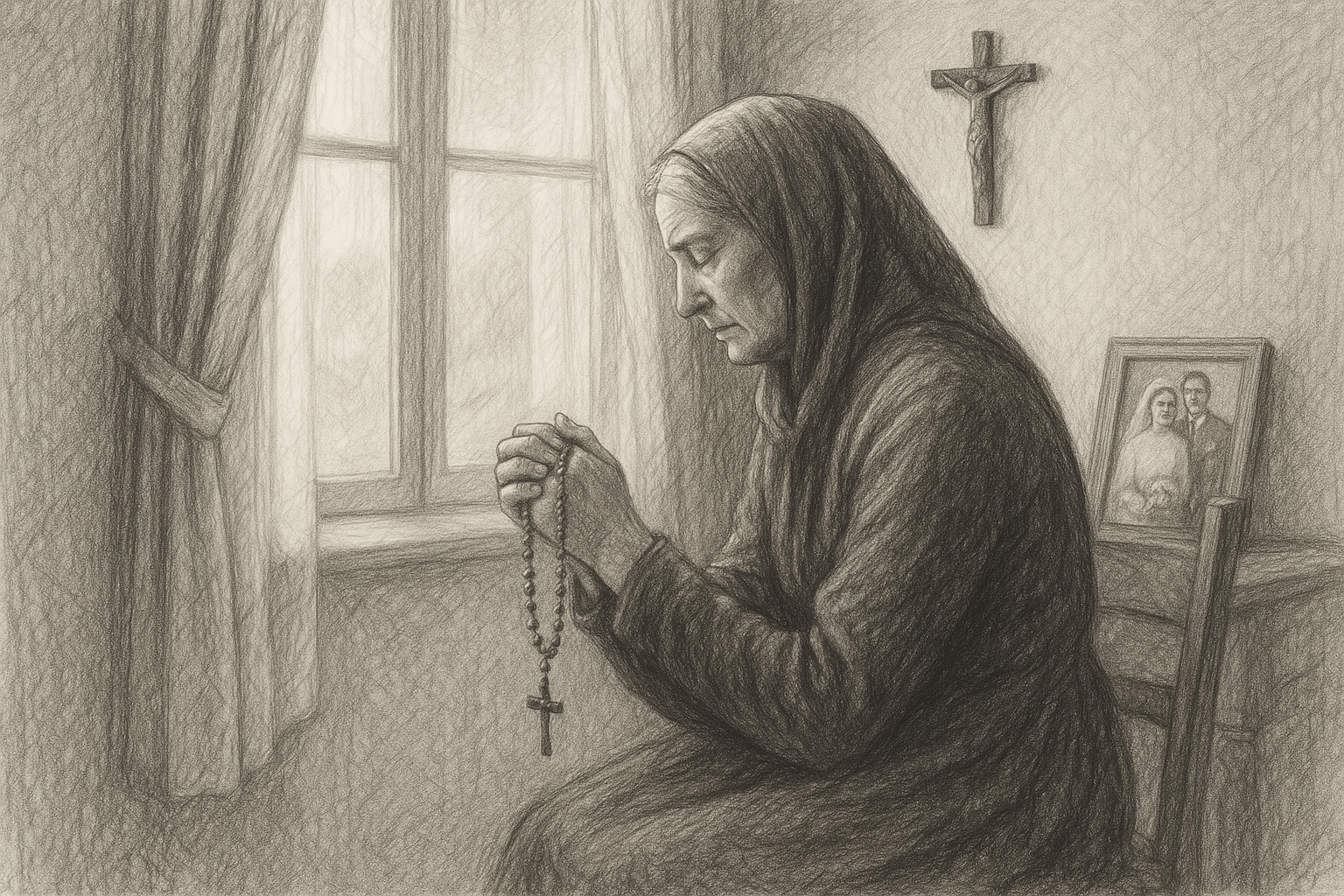
Motherhood is usually not dramatic while it is happening. It is a vocation measured in alarms answered, shoes found, lunches packed, knees scraped, prayers whispered, and days begun again after little sleep. The beauty of motherhood is often hidden in plain sight. A Catholic motherhood reflection should begin there, in the ordinary places where love is tested and refined.
Scripture does not present motherhood as a sentimental ideal. It shows women who bear life, grieve, trust, nurture, and persevere. It shows mothers who rejoice and mothers who suffer. It shows a Blessed Mother who receives a word from God and walks forward in faith, even when she cannot see the whole path. In this way, motherhood becomes not only a natural calling, but a spiritual school of surrender, patience, and hope.
Motherhood as a vocation before it is a role
In Catholic life, motherhood is more than a social identity. It is a vocation, a call to love in a concrete and lasting way. Every vocation has its own shape, and motherhood carries a particular pattern of self-gift. A mother gives her time, her attention, her body, her energy, and often her peace of mind. She learns that love is not only a feeling but a steady choice.
This does not mean that motherhood is easy or that every moment feels holy. It means that grace is at work in the middle of ordinary tasks. The Church has long recognized the dignity of maternal love because it mirrors, in a limited human way, the generous love of God, who tends, forms, corrects, and remains faithful.
When a mother feeds a child, comforts a fever, teaches a prayer, or listens to a difficult story for the tenth time, she is not doing something small. She is taking part in a daily offering that helps shape a human person. The work is hidden, but it is never insignificant.
Mary shows the spiritual heart of motherhood
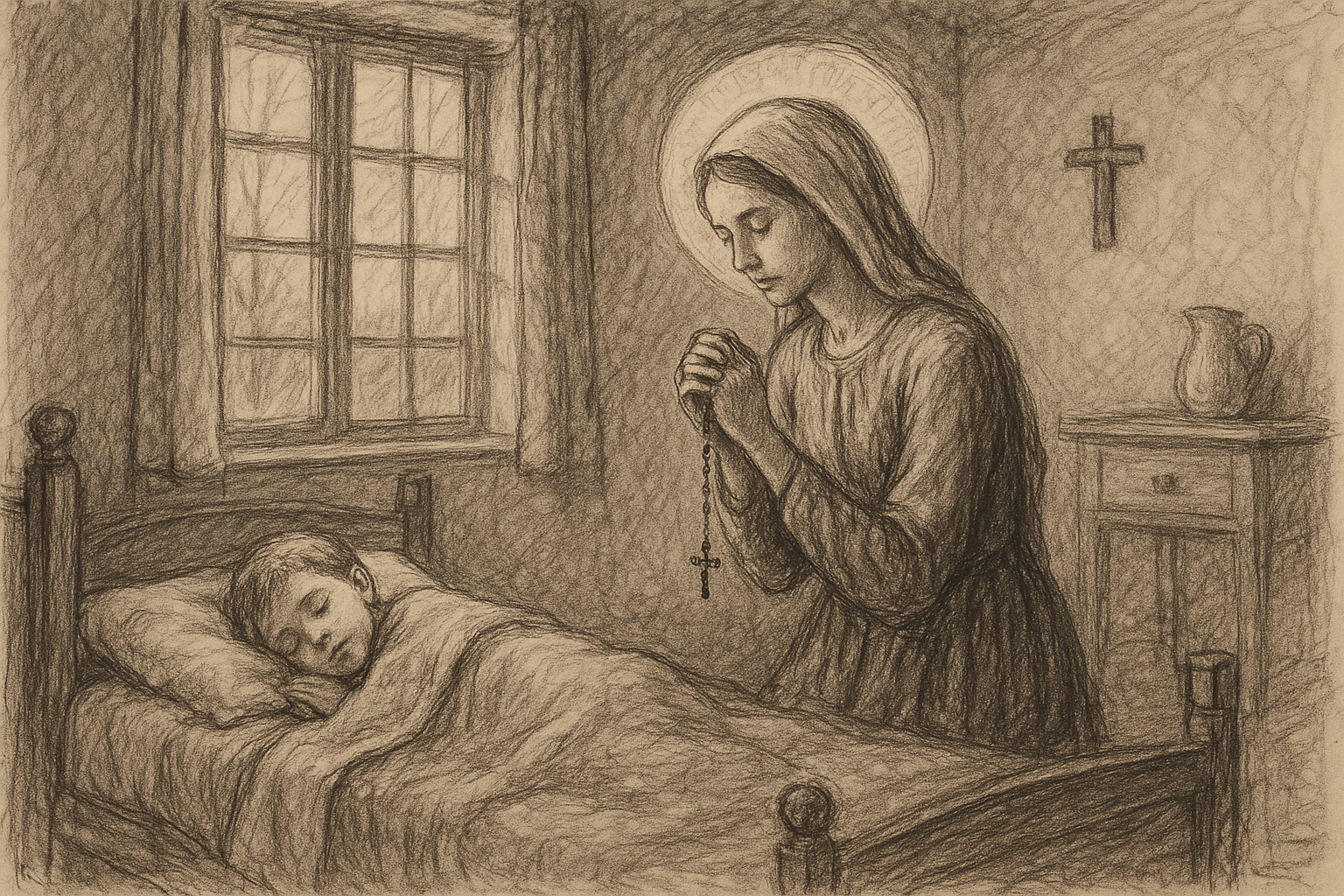
No Catholic reflection on motherhood can avoid Mary, and for good reason. She is the Mother of God, not because motherhood made her divine, but because God chose to enter the world through her yes. Her motherhood is marked by humility, courage, and contemplation. She does not dominate the Gospel accounts with many words. She receives, remembers, and treasures.
At the Annunciation, Mary answers the angel with trust: Let it be to me according to your word. Her reply is one of the clearest acts of faith in Scripture. She does not have every answer, but she gives herself to God's plan. That is one of the deepest truths of motherhood. A mother rarely sees the full outcome of her sacrifices. She chooses fidelity without knowing everything in advance.
Later, when Mary and Joseph find Jesus in the Temple, the Gospel says that she kept all these things in her heart Mary kept all these things in her heart. This is not passive forgetting. It is prayerful remembering. Mary teaches mothers how to hold both joy and confusion in the presence of God. She models a heart that does not rush to explain everything, but keeps events before the Lord until their meaning can unfold.
At Cana, Mary notices a need before others do They have no wine. That brief line reveals something maternal and deeply human. Love pays attention. Motherhood often involves noticing the missing thing, the unspoken worry, the tired look, the need a child cannot yet name. Mary turns that need toward Jesus, and in that movement, she shows the whole Church how to bring ordinary concerns to the Lord.
The cross and the tenderness of maternal love
Motherhood is touched by the Cross. Any honest motherhood reflection must say this plainly. To love a child is to become vulnerable to loss, disappointment, fear, and sorrow. A mother cannot protect her children from every wound, and that helplessness can be painful. Yet the Cross teaches that love does not fail when it suffers. It can become more purified, more patient, and more attached to God.
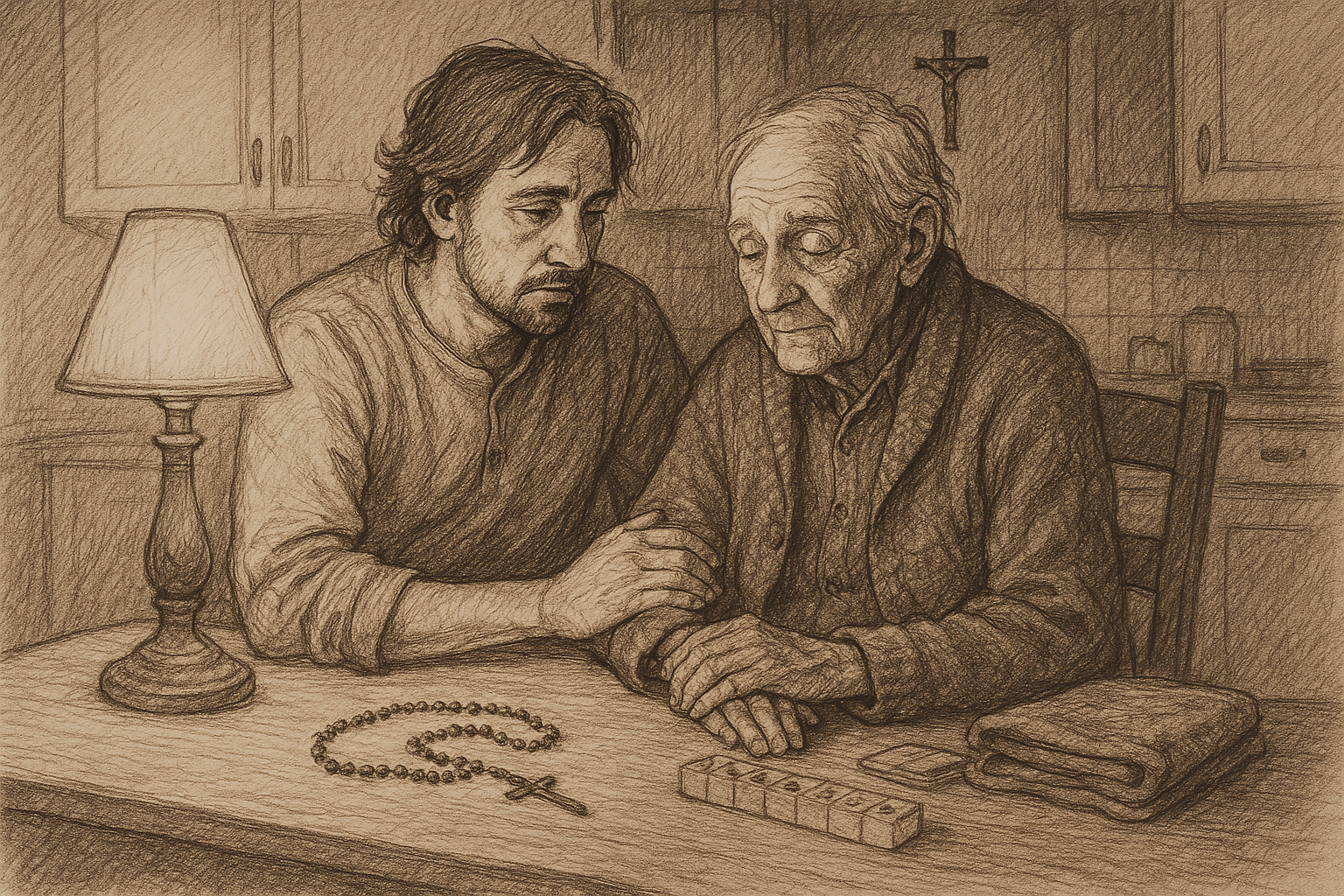
Mary stands by the Cross in silence and sorrow Standing by the cross of Jesus was his mother. She does not remove the suffering of her Son, but she remains. That presence matters. Many mothers know what it is to stand by a sickbed, a crisis, a difficult season, or a child walking a hard road. Sometimes the most loving thing is not to fix everything, but to remain faithful and prayerful when answers are not available.
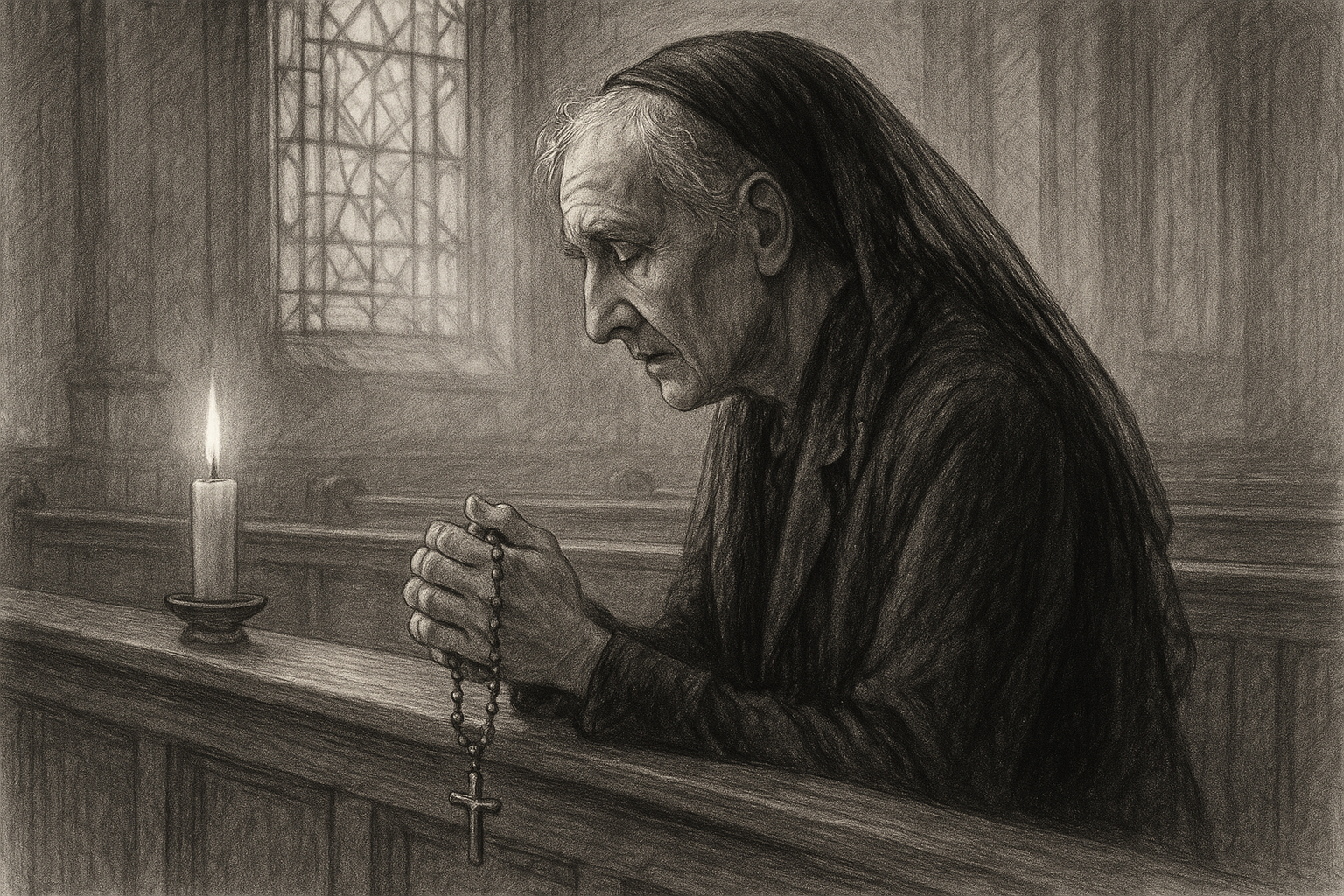
In Catholic teaching, this kind of suffering is not wasted. United to Christ, it can become an offering. This does not romanticize pain, and it certainly does not tell mothers to ignore their needs. It simply acknowledges that maternal love often enters the mystery of redemptive suffering. The mother who prays through worry, who keeps loving through fatigue, and who entrusts a child to God when she cannot carry the burden alone is practicing a real form of faith.
Everyday motherhood is formed by patience and repetition
Much of motherhood is repetition. The same meals. The same instructions. The same cleanups. The same bedtime questions. The same reminders to say thank you, to forgive, to begin again. Repetition can feel unremarkable, but in family life it is one of the ways love is formed.
Saint Paul reminds believers that love is patient and kind Love is patient and kind. That verse is often quoted at weddings, but it also belongs in the home. Patience is not simply waiting without annoyance. It is enduring another person's growth without demanding instant results. A mother knows that growth takes time. Children need correction, but they also need mercy. They need boundaries, but they also need the steady reassurance that they are still loved.
There is spiritual value in small, repeated acts. A mother who prays a short blessing over breakfast, reads a Bible story at night, or teaches a child to make the Sign of the Cross is helping the faith take root in habits, not just ideas. These things may seem small, but they create a home where God is named naturally and remembered often.
Some practical habits that can sustain a mother
- Begin the day with one simple prayer before the noise starts.
- Keep a small Scripture passage nearby for moments of fatigue or discouragement.
- Offer one daily task to Christ, such as laundry, driving, or cooking.
- Ask for help when the demands of family life become too heavy.
- Accept that some days will be imperfect, and still belong to God.
These practices do not remove the pressure of motherhood, but they can keep it from becoming spiritually isolating. Grace often works through ordinary discipline.
Motherhood and the hidden life of grace
Catholic faith insists that grace is real even when feelings are dry. That matters for mothers, because motherhood often includes seasons when affection is present but tired, or when duty must carry the day. A mother may wonder whether anything she does is making a difference. The Gospel answers that hidden acts of love matter profoundly in the eyes of God.
Jesus Himself grew in a family. The Gospel says that He advanced in wisdom and age and favor before God and man Jesus advanced in wisdom and age. Those are words about ordinary growth. The Son of God lived a real childhood, under the care of Mary and Joseph. That fact dignifies family life. It shows that domestic life is not beneath holiness. It is one of the places where holiness is learned.
There is comfort here for mothers who feel unseen. God sees. He sees the sacrifice no one notices, the prayer spoken while folding clothes, the fear hidden behind a calm voice, the generosity spent on others before oneself. In the economy of grace, nothing given in love is lost.
Motherhood is also a school of trust
One of the hardest parts of motherhood is learning to release what cannot be controlled. A mother can guide, teach, warn, and pray, but she cannot live her child's life for him or her. This can feel like grief, especially as children grow older and begin to make their own choices. Yet trust is part of love.
Jesus tells His followers not to be anxious Do not be anxious about tomorrow. That is not a command to deny responsibility. It is an invitation to stay rooted in the day God has actually given. Mothers especially need that grace. Worry tends to multiply future troubles in the imagination, while faith returns to the present and asks,
Keep Reading on Lets Read The Bible
Frequently Asked Questions
How does Catholic teaching view motherhood as a vocation?
Catholic teaching sees motherhood as a genuine vocation of self-gift, service, and formation. It is not only a private family role but a meaningful call to love that helps shape children in body, mind, and faith.
What Scripture passages are especially fitting for a motherhood reflection?
The Annunciation in Luke 1, Mary keeping things in her heart in Luke 2, Mary at Cana in John 2, and Mary standing by the Cross in John 19 are especially fitting. 1 Corinthians 13 is also helpful for reflecting on patience and love in family life.
How can a mother pray when she feels overwhelmed?
A mother can begin with short, honest prayers: asking for strength, offering the day to Christ, or repeating a brief Scripture verse. The Church encourages simple, faithful prayer that can be offered even in exhaustion.