Prayer and Devotion
Night Prayer and the Art of Ending the Day Before God
A Catholic look at a small but steady practice that helps the heart review the day, give thanks, and rest in God's mercy.
Site Admin | November 28, 2025 | 74 views
Evening is its own kind of threshold
Night changes the feel of everything. The noise settles. Work gives way to rest. Words become fewer, and the day begins to reveal its true shape. That is one reason night prayer still matters. It meets us at the end of things, when we can no longer rely on momentum, busyness, or distraction to carry us forward.
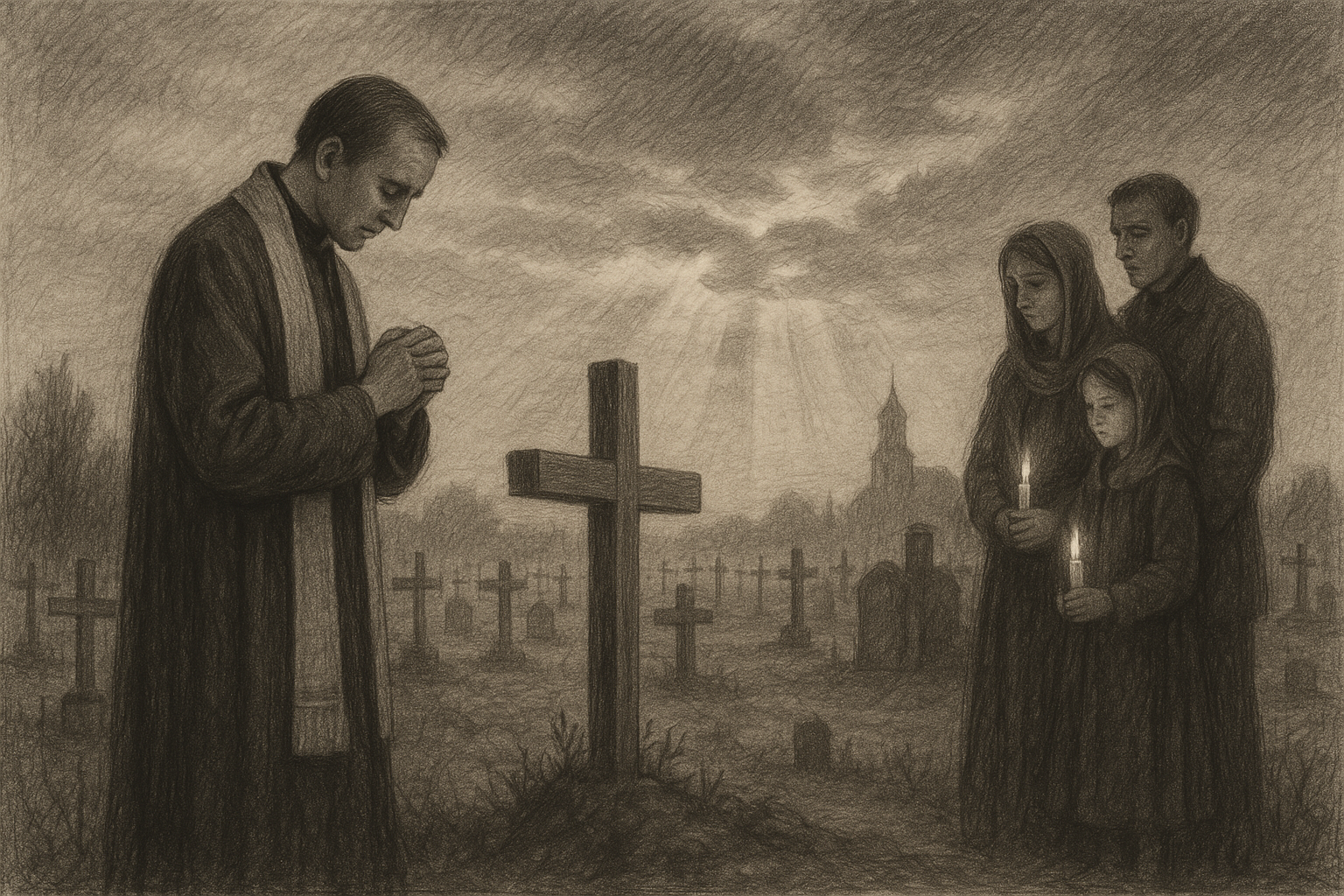
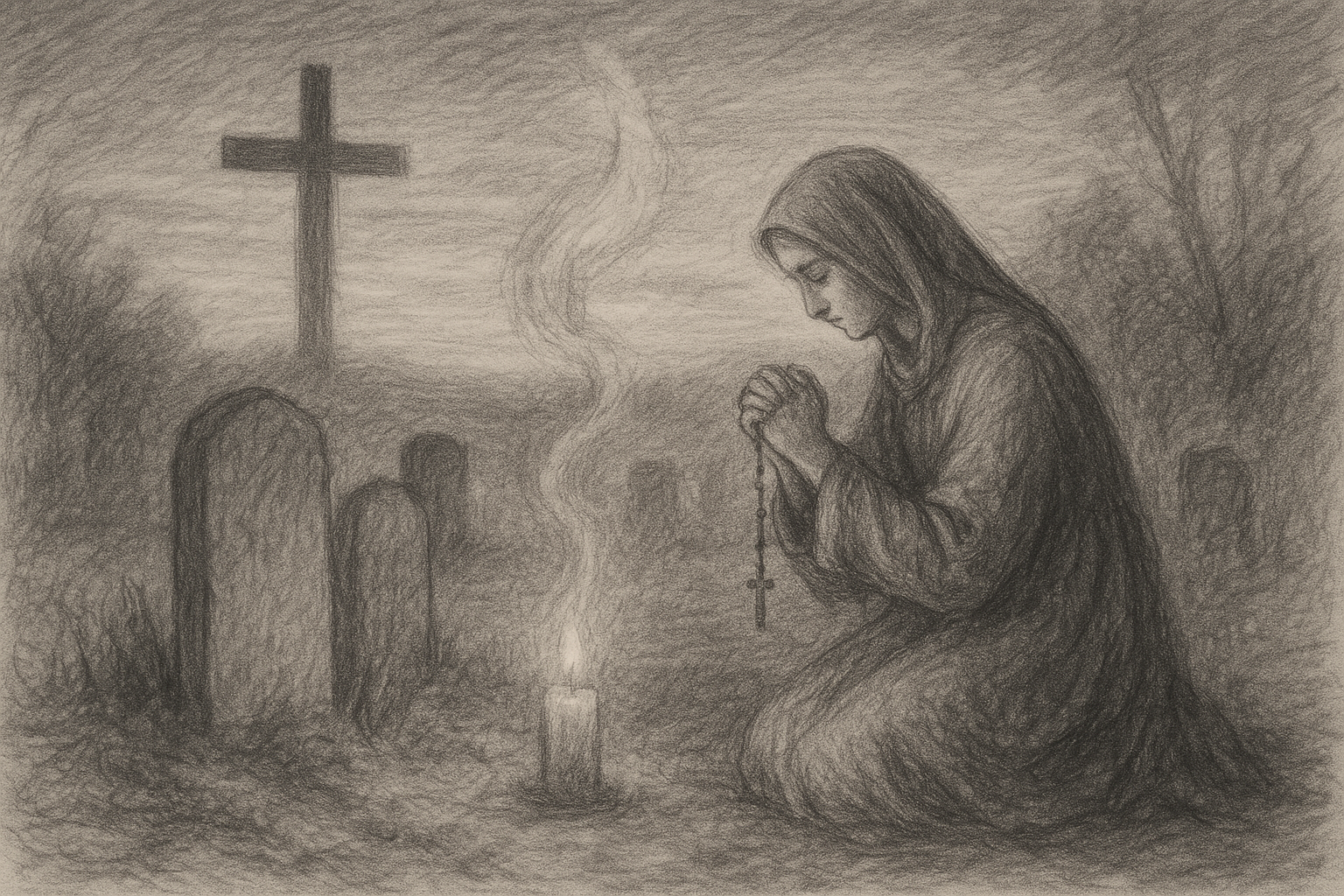
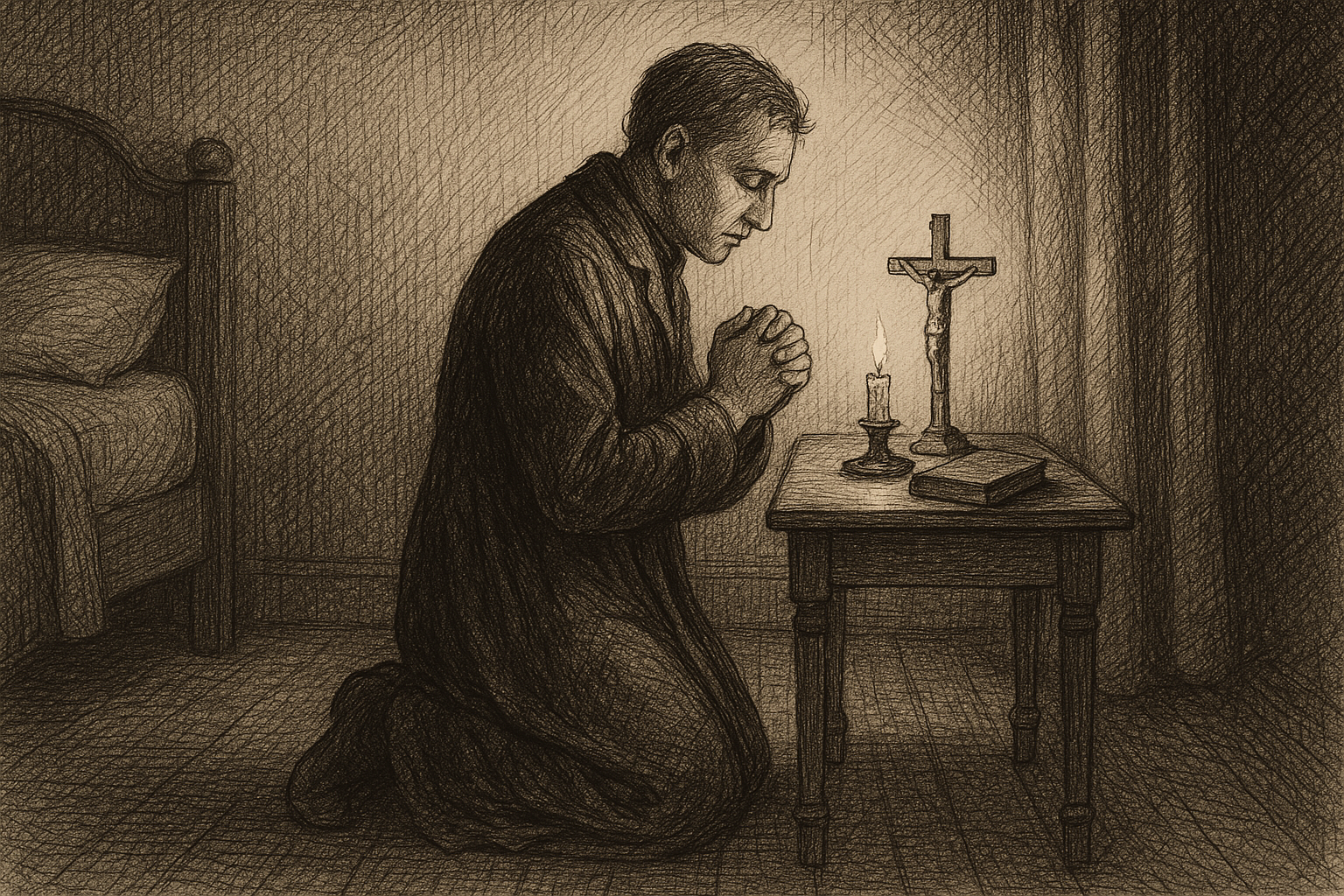
For Catholics, night prayer is not a decorative habit or a spiritual luxury. It is a simple act of returning to God before sleep, placing the hours just lived into his care. In that sense, night prayer explained is not complicated. It means coming before the Lord with honesty, gratitude, repentance, and trust, then letting his mercy hold what we cannot finish ourselves.
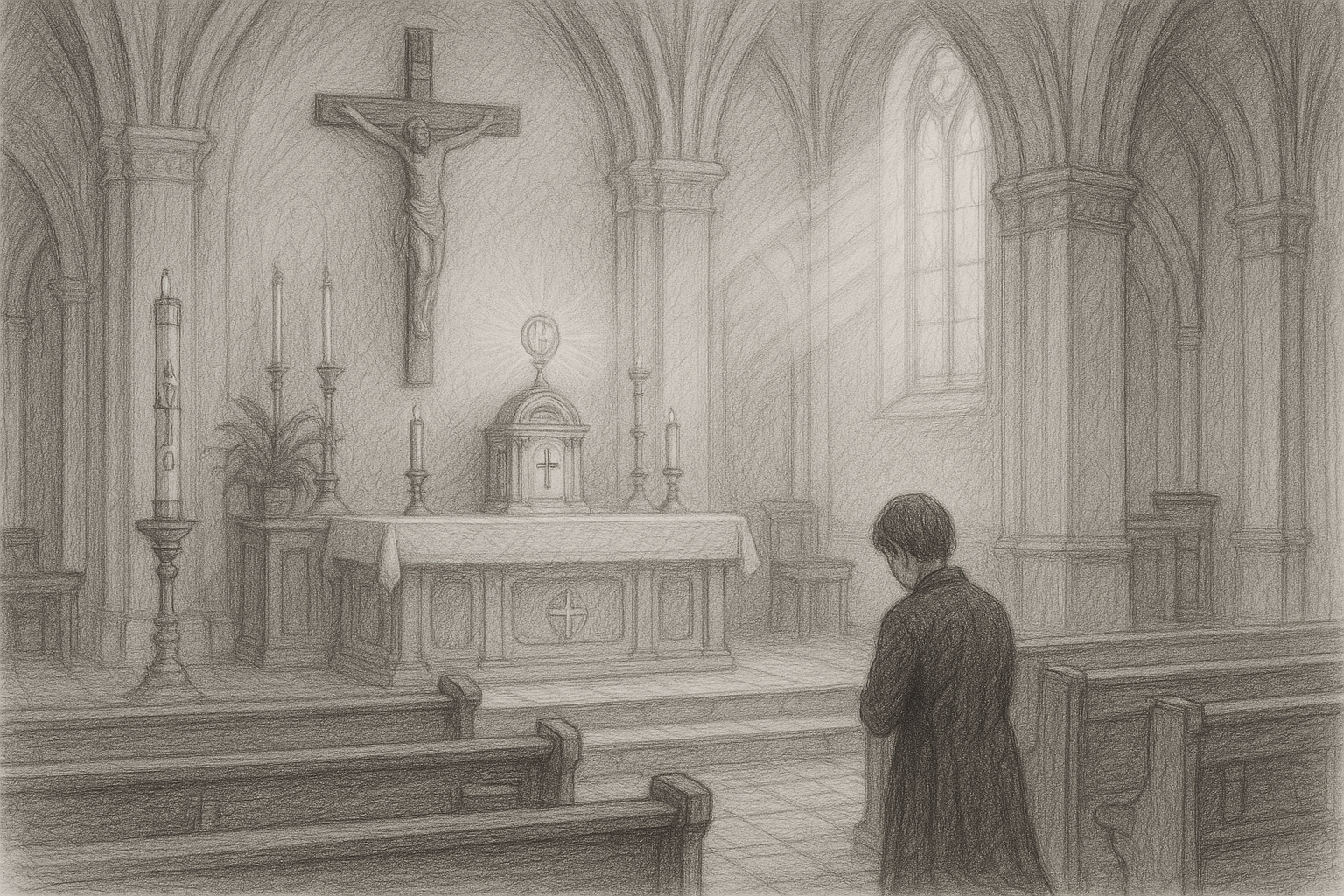
The Church has long known the value of evening prayer. In monasteries and religious houses, the day has traditionally ended with the Divine Office, especially Compline, the final prayer of the day. The faithful have also practiced family prayer, the examination of conscience, and the Rosary at night. Across different forms, the same instinct remains: before sleep, the Christian soul turns to God.
Scripture often places prayer in the quiet of the night
Night has a special place in the Bible. Jacob wrestles through the night and emerges marked by encounter [[VERSE|genesis|32|24-30|Genesis 32:24-30]]. Israel is led by a pillar of fire in the darkness [[VERSE|exodus|13|21-22|Exodus 13:21-22]]. The psalmist sings, When I remember you upon my bed, and meditate on you in the watches of the night Psalm 63:6.
Jesus himself often withdrew to pray. The Gospels show him rising early, going to deserted places, and spending the night in prayer before major moments of mission Mark 1:35 Luke 6:12. The Lord who never ceased to live in perfect communion with the Father still chose times of silence and solitude. His example gives weight to our own small efforts at prayer after a long day.
Night can also expose the truth about us. By evening, we know what we avoided, where we failed, whom we neglected, and where grace was present. This is not meant to crush us. It is meant to make room for mercy. The Lord does not ask us to arrive before him already polished. He asks us to come as we are, with our day intact, and let him heal what needs healing.
The Church has long taught believers to end the day with prayer
From the earliest centuries, Christians prayed at fixed hours. Evening prayer became a natural part of a day ordered around God. In the liturgical tradition, Compline developed as the prayer said before sleep. Its tone is sober, peaceful, and trusting. It asks for protection through the night and places the soul under God's care.
That wisdom still speaks. The night is not only a time of bodily rest. It is also a reminder that we are not self-sustaining. We pass into sleep as creatures, not masters. Night prayer teaches the body and soul the same lesson: the day is over, and God remains.
For many Catholics, the daily examen has become a powerful way to live this truth. Associated especially with the spiritual tradition of St. Ignatius of Loyola, the examen is a prayerful review of the day in God's presence. It is not a cold inventory of failures. It is a loving conversation that asks where God was at work, how we responded, and where we need his mercy before tomorrow begins.
Night prayer is not about performance
Some people resist night prayer because they imagine it as another task to complete, another spiritual achievement to measure. That is not its purpose. Night prayer is not a report card. It is an act of trust.
At the end of the day, we are often tired, imperfect, and distracted. That is precisely why this prayer matters. We do not wait until we feel worthy. We pray because we are dependent. We do not present God with a finished life. We place before him a living one.
This is deeply Catholic in spirit. Grace comes first. Our response is real, but it is always response. Night prayer protects us from the illusion that we can save ourselves by effort. It also protects us from despair, because it reminds us that even our unfinished day can be offered to the Father.
Night prayer is a daily surrender of memory, effort, regret, and hope into the hands of God.
What night prayer can look like in ordinary life
Night prayer does not need to be elaborate. In fact, it is often best when it is simple enough to keep. A Catholic family, a single person, a student, or a weary parent can all pray at night in a form suited to the moment.
One helpful pattern is this:
- Become still for a moment and place yourself in God's presence.
- Thank God for specific gifts from the day, even small ones.
- Ask for light to see the day truthfully.
- Review the day with honesty, noticing grace and sin.
- Express sorrow where needed and trust in God's mercy.
- Pray for protection through the night and for the grace of tomorrow.
This can take five minutes or fifteen. The length matters less than the sincerity. Some nights a person may pray a psalm, perhaps Psalm 4 or Psalm 91, both of which are naturally suited to evening trust Psalm 4:8 [[VERSE|psalms|91|1-2|Psalm 91:1-2]]. Others may read a short Gospel passage, make an examen, and end with an Our Father and Hail Mary. Some may pray Compline from a breviary or an app. The key is consistency.
Children can also be taught night prayer in age-appropriate ways. A brief thanksgiving, an act of contrition, and a prayer to their guardian angel can become a gentle habit. What matters is not producing perfect wording but building a rhythm of returning to God before rest.
The examen gives night prayer a particular shape
Among the many forms night prayer can take, the examen offers one of the clearest paths. It is especially suited to the end of the day because it joins gratitude and repentance without separating them.
The examen begins by recalling that God has been present throughout the day, even when unnoticed. That alone changes the atmosphere. We are not looking back as isolated judges of our own behavior. We are looking back with the Lord who walked beside us.
Then comes gratitude. This is not a perfunctory step. Gratitude softens the heart and clears away self-preoccupation. It opens our eyes to grace already received. It may be the gift of one kind word, a task completed, a temptation resisted, a moment of beauty, or simply the fact that God carried us through the day.
After gratitude comes honesty. We ask where we sinned, where we resisted grace, where we were selfish, careless, impatient, or fearful. We do this not to wallow in guilt but to name the truth so that God can heal it. The examen has no interest in vague remorse. It asks for a heart willing to say,
Keep Reading on Lets Read The Bible
Frequently Asked Questions
What is night prayer in Catholic life?
Night prayer is the practice of turning to God before sleep to give thanks, review the day, ask forgiveness, and place the night in his care. It may take the form of Compline, the daily examen, a short set of prayers, or a simple heartfelt conversation with the Lord.
How is night prayer different from morning prayer?
Morning prayer begins the day by offering it to God and asking for grace ahead. Night prayer ends the day by looking back with gratitude and honesty, then resting in God's mercy. Both are important because they bookend the day with prayer.
Do I need a long routine for night prayer to be meaningful?
No. A short and faithful practice can be very fruitful. Even a few minutes of thanksgiving, an act of contrition, and an Our Father can become a steady nightly habit if prayed with sincerity.