Catholic Living
Seeing the Person Again: A Catholic Response to Pornography and the Life of Grace
Pornography dulls the heart and distorts desire, but grace can restore the capacity to love with reverence and truth.
Site Admin | July 29, 2025 | 78 views
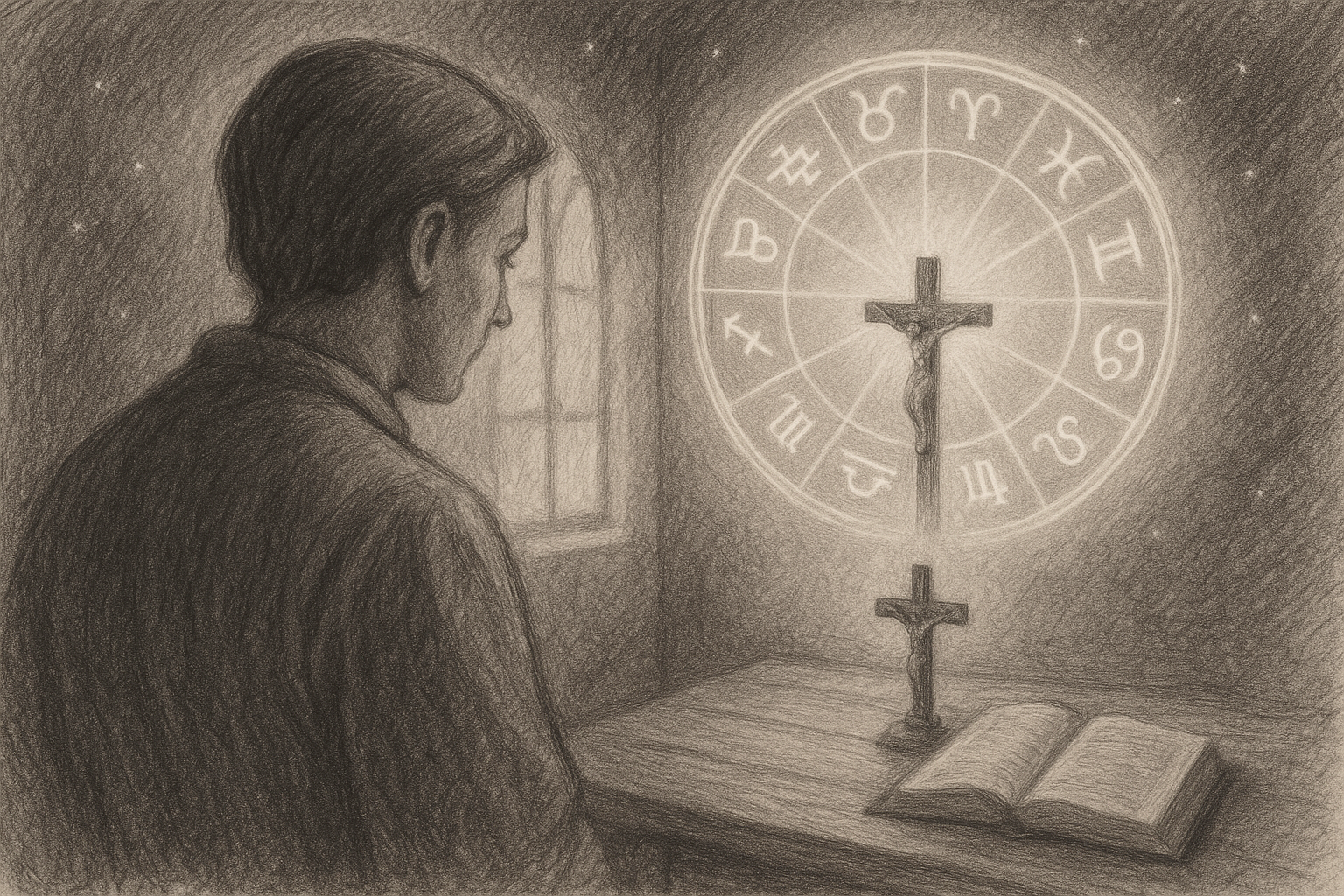
Pornography touches far more than private habit. It shapes the way a person sees the body, desire, and even love itself. In Catholic moral teaching, this matters because the human person is never meant to be reduced to an object for use. We are created in the image of God, called to communion, and destined for holiness. That is why pornography and Catholic life stand in such serious tension.
The Church does not speak about this topic with panic or contempt. She speaks as a mother who knows both the wound and the remedy. She names pornography as a sin because it misuses sexuality, wounds chastity, and separates pleasure from the full truth of love. At the same time, she also insists that no one is beyond mercy. Christ came for sinners, not for the self-satisfied. The same Lord who says, "The truth will make you free" The truth will make you free also offers forgiveness to those who return to him with humility.
What pornography does to the soul
At first glance, pornography may seem like a hidden matter of personal choice. But habits of the heart never stay hidden forever. What we repeatedly consume begins to form our imagination. It trains the mind to look at bodies as things to be consumed, not persons to be honored. Over time, that can weaken reverence, patience, and self-command.
Catholic teaching sees chastity as more than restraint. It is the successful integration of sexuality within the person, so that desire serves love rather than ruling it. Pornography works against that integration. It encourages a false freedom that often leaves behind shame, secrecy, isolation, and frustration. Instead of strengthening the capacity to love, it narrows desire and can make ordinary, faithful love harder to receive.
Scripture consistently links the inner life with bodily action. Jesus teaches that sin begins in the heart, not only in outward deeds Everyone who looks at a woman with lust has already committed adultery with her in his heart. His warning is not meant to crush us. It is meant to show how deep conversion must go. The Lord wants not merely external compliance but a purified heart.
Why the Church speaks so clearly
The Church's opposition to pornography is not a matter of social preference or old-fashioned discomfort. It flows from a stable moral vision. Human sexuality has meaning. It is ordered toward the good of spouses and the generation of life, and within marriage it is meant to express total self-gift. Pornography falsifies that meaning by separating sexual acts from covenant, fidelity, and real personal communion.
Saint John Paul II often returned to the dignity of the human person and the call to see others with purity of heart. This Catholic vision is not anti-body. It is deeply incarnational. The body matters because the person matters. To use another person for sexual excitement is to turn a living icon of God into an instrument. That is why the matter is grave.
At the same time, the Church understands weakness. Habit, curiosity, loneliness, stress, and shame can all pull a person into repeated sin. Moral clarity does not require cruelty. It requires truth spoken with hope. A person caught in pornography needs more than warnings. He or she needs confession, accountability, healing of memory and imagination, and the daily help of grace.
"Create in me a clean heart, O God, and put a new and right spirit within me" Create in me a clean heart, O God.
Repentance begins with honesty
The first step toward freedom is usually not a dramatic feeling. It is honesty before God. Many people remain trapped because they minimize what is happening or tell themselves they can change later. But grace meets us where the truth is admitted. A person who says, this is harming my soul, and I want help, has already begun to turn back.
In the sacrament of Reconciliation, Christ does not merely overlook sin. He forgives, heals, and strengthens. Frequent confession can be especially helpful for those fighting pornography because the struggle often involves patterns, triggers, and moments of discouragement. Confession brings the battle into the light. It also keeps shame from becoming despair.
Repentance should be concrete. It helps to name the occasions, devices, times of day, emotions, and settings that most often lead to failure. The goal is not obsessive self-surveillance. The goal is prudent self-knowledge. Saint Paul reminds us that grace does not cancel the struggle overnight, but it does make real transformation possible: "Walk by the Spirit, and do not gratify the desires of the flesh" Walk by the Spirit, and do not gratify the desires of the flesh.
Practical steps toward healing
Healing usually unfolds through ordinary faithfulness. A person trying to leave pornography behind may need several supports at once. No single tool fixes everything, but a steady plan can create room for grace to work.
- Remove easy access. Use filters, accountability software, and device settings that create delay and friction.
- Change routines. Avoid the times, places, and habits that most often lead to temptation, especially when alone, tired, or discouraged.
- Build prayer into the day. Even short acts of turning to Christ can interrupt the pull of temptation.
- Receive the sacraments regularly. Confession and the Eucharist strengthen the soul in ways no technique can replace.
- Seek trustworthy accountability. A mature priest, counselor, spiritual director, or trusted friend can help keep the struggle in the light.
- Care for the body. Sleep, exercise, order, and reduced isolation all support chastity more than many people realize.
It can also help to remember that temptation itself is not sin. A passing image or intrusive thought is not a moral failure if it is rejected. The battle is often won by turning quickly, without negotiation, toward prayer and toward something concrete and good. A person may say the name of Jesus, step away from the screen, go for a walk, or begin the Rosary. Small acts matter.
The role of prayer
Prayer is not magical thinking. It is relationship. The more a person learns to turn to Christ in the moment of temptation, the more the heart is trained to seek communion rather than secrecy. Many Catholics find it helpful to pray with the Psalms, especially when they feel ashamed or divided inside. Psalm 51 and Psalm 130 are especially fitting for this struggle because they join sorrow to confidence in mercy.
The Blessed Virgin Mary is also a powerful help in growth in purity. Her yes to God was a total gift, without division. Asking her intercession does not replace discipline, but it strengthens the will by placing the struggle inside a living relationship of grace. Saint Joseph, too, can be invoked as guardian of chastity and fidelity.
Growing in virtue instead of only avoiding sin
It is not enough to aim at bare avoidance. If pornography and Catholic life are to be reconciled in a person's actual day-to-day habits, desire itself must be educated. Virtue grows when the soul learns to love what is true, beautiful, and good. This means cultivating a healthier imagination, deeper friendships, and a more reverent view of the body.
Reading Scripture, using the sacraments well, and spending time with noble art, music, and silence can all help reawaken a sense of beauty. So can chaste friendships, service, and ordinary responsibilities done with care. The more a person lives for real communion, the less attractive counterfeit intimacy becomes.
For married couples, this topic can also be painful. Pornography can wound trust and create confusion about intimacy. Healing in marriage often requires patience, truthfulness, and sometimes professional support. What matters most is that both spouses remember that the answer is not secrecy but conversion. Marriage is meant to be a school of self-gift, not a place where the body is treated as a consolation prize for unmet appetite.
For unmarried Catholics, the struggle may feel especially lonely. Yet chastity is not a negation of life. It is preparation for authentic gift, whether in marriage or in consecrated celibacy. Every faithful refusal of pornography can become a quiet act of hope in the goodness of God's plan.
When shame feels overwhelming
Many people who struggle with pornography carry a burden of shame that makes them avoid prayer and confession. They may think, I have fallen too many times or God must be tired of me. But this is not the voice of the Gospel. The Gospel is a summons to return. Christ does not ask the wounded to heal themselves before coming to him.
Shame can be useful when it alerts the conscience, but it becomes destructive when it leads to hiding. The enemy wants isolation. Christ wants truth spoken in mercy. If a person has fallen again, the next step is not self-hatred. It is repentance, confession, and a renewed plan. The Lord is patient with those who keep coming back.
This patient mercy does not make sin less serious. It makes mercy more astonishing. "Where sin increased, grace abounded all the more" Where sin increased, grace abounded all the more. That promise is not permission to continue sinning. It is encouragement to believe that grace can reach even deep habits and long-entrenched wounds.
A path of freedom that lasts
Freedom from pornography is rarely instant, but it is real. The path usually includes repeated repentance, practical discipline, sacramental life, and the slow reshaping of desire. Some days will feel strong. Others will feel fragile. What matters is continuing to move toward Christ rather than away from him.
For Catholics, purity is never merely about saying no. It is about learning to see as God sees. That shift is costly, but it is also liberating. When the heart begins to recognize each person as a gift, lust loses some of its power. The imagination grows calmer. The conscience becomes clearer. Love becomes more possible.
Pornography and Catholic life do not belong together because the Christian life is ordered toward communion, not consumption. Yet this very conflict can become the starting point for conversion. In the place where a person feels most divided, Christ can begin to heal. He can restore what has been dulled, purify what has been distorted, and teach the heart to love again with reverence and truth.
Keep Reading on Lets Read The Bible
Frequently Asked Questions
Is viewing pornography always a mortal sin in Catholic teaching?
The Church teaches that pornography is seriously wrong because it offends chastity and dignity. Whether a particular act is mortal sin depends on the usual conditions of grave matter, full knowledge, and deliberate consent, which can be affected by habit, fear, or weakness. A confessor can help a person examine the situation honestly.
What should I do if I keep falling into pornography?
Return to confession, remove easy access, seek accountability, and build a simple daily plan of prayer and discipline. Repeated falls do not mean change is impossible. They mean the struggle needs support, patience, and grace.
Can someone heal from pornography without losing hope?
Yes. Many people do experience real growth in freedom, though often gradually. The Church's sacraments, prayer, and practical safeguards can help a person move from secrecy toward healing and chastity.