Jesus and the Gospels
The Smallest Seed, the Largest Promise
Jesus' mustard seed parable reveals how the Kingdom of God often begins in hidden, humble ways and grows by grace.
Site Admin | February 28, 2026 | 92 views
Among the parables of Jesus, few are as brief and as memorable as the mustard seed. A tiny seed becomes the image of a kingdom. What begins almost invisibly becomes something large enough to shelter life. That is the surprise at the heart of the mustard seed explanation: God often works in ways that look small at first, but the end is greater than the beginning.
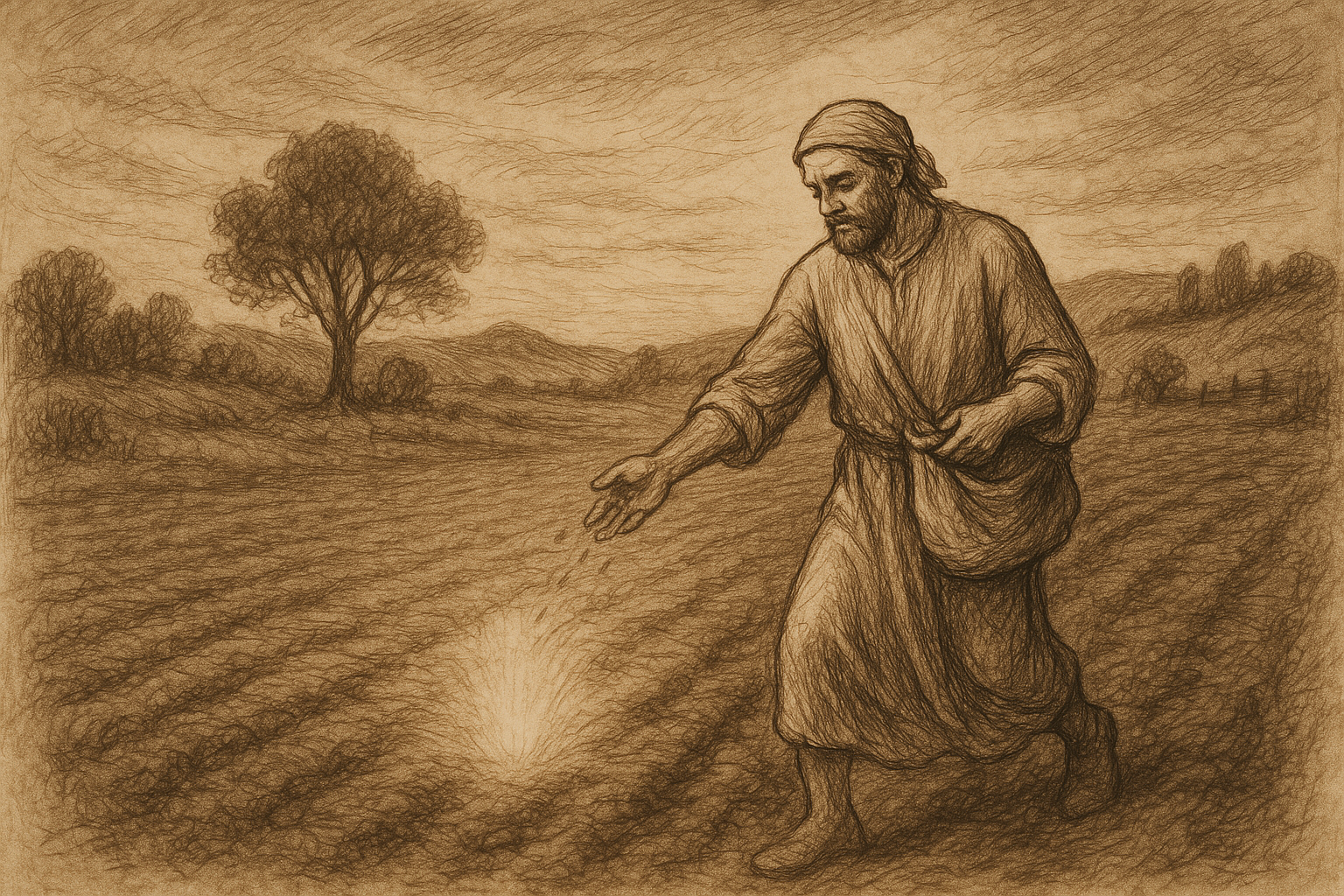
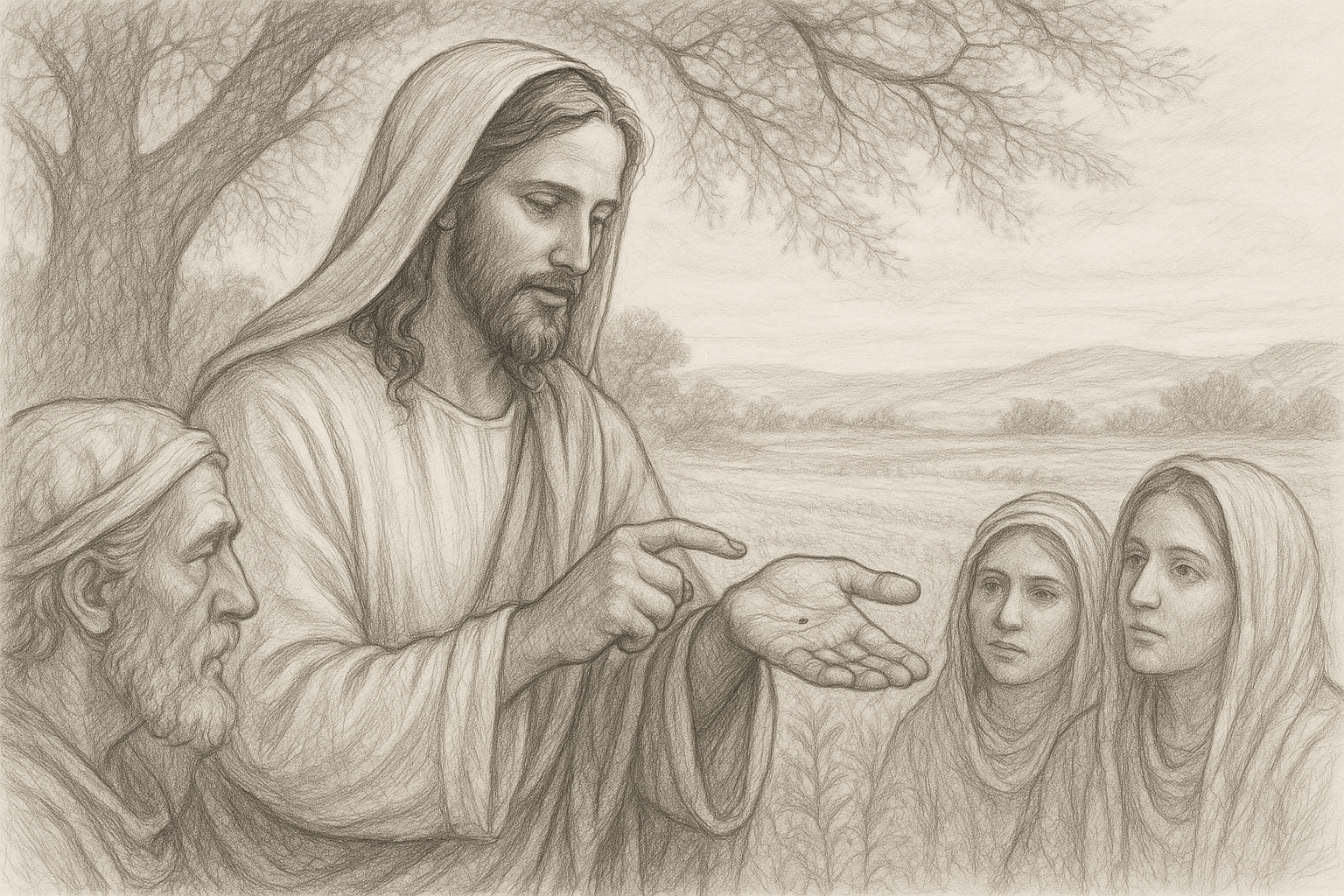
In the Gospels, Jesus gives this lesson in more than one form. In one account, he says the Kingdom of heaven is like a mustard seed that a person takes and sows in a field; though it is the smallest of all the seeds, it grows into the largest of plants and becomes a tree where birds can come and nest [[VERSE|matthew|13|31-32|Matthew 13:31-32]]. In another, he speaks of the Kingdom of God as a mustard seed that is the smallest of all seeds on earth, yet when it is sown it grows and puts forth large branches [[VERSE|mark|4|30-32|Mark 4:30-32]].
These are not lessons about gardening for its own sake. They are revelations about how God acts in history and in the soul. Jesus takes something familiar from everyday life and uses it to open a window into divine power, patience, and mercy.
The setting of the parable
To hear the parable properly, it helps to imagine the world of Jesus' listeners. They knew seeds, soil, weather, and harvest. They also knew disappointment. Planting is an act of hope, but growth cannot be forced. Much of what sustains life happens out of sight.
Jesus spoke this parable in a Jewish world shaped by expectation. Many were waiting for the Messiah and for the visible triumph of God's reign. They wanted something unmistakable, strong, and immediate. Yet Jesus kept pointing to a different pattern: the Kingdom arrives quietly, begins in obscurity, and unfolds according to the Father's wisdom.
The mustard seed was a fitting image because it was small, plain, and easy to overlook. It represented humble beginnings. But in Jesus' telling, smallness does not mean weakness. It means that God is at work before human eyes can fully recognize it.
Jesus does not despise what is small. He repeatedly chooses it as the place where divine glory first appears.
What the parable teaches about the Kingdom of God
The mustard seed explanation centers on the growth of the Kingdom. The seed is not the kingdom in its fullness, but it is truly the beginning of it. The Kingdom of God is not merely a future location or a political victory. It is God's reign made present wherever his will is welcomed, his grace received, and his life allowed to grow.
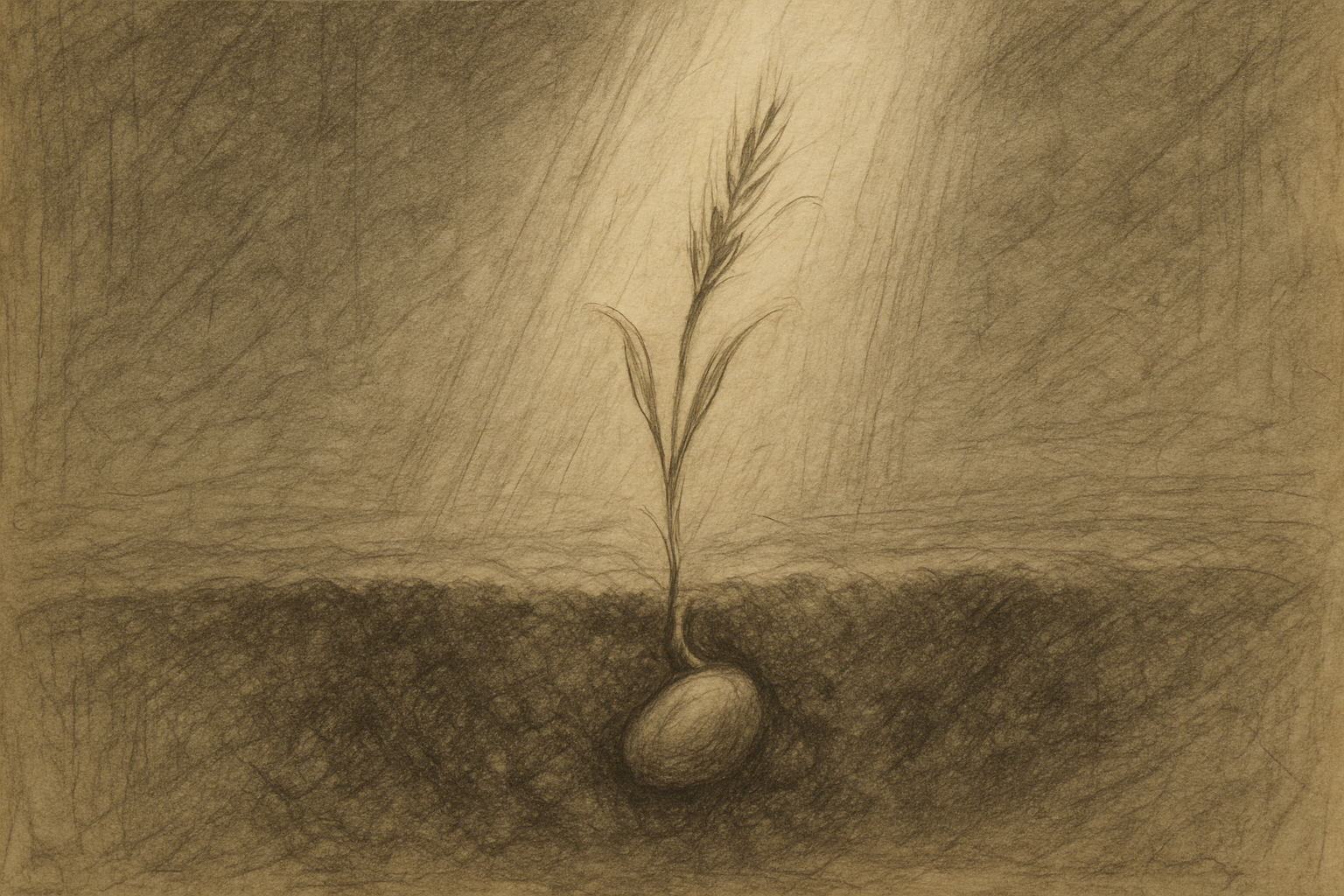
This growth is mysterious. A seed does not become a tree by effort alone. It receives what it cannot give itself. In the same way, the Kingdom advances by grace. Human beings cooperate, but God gives the increase. Saint Paul later echoes this truth when he writes that one plants and another waters, but God gives the growth [[VERSE|1-corinthians|3|6-7|1 Corinthians 3:6-7]].
The parable also corrects our impatience. We often want dramatic proof that God is at work. Jesus offers a slower, deeper vision. The seed may look insignificant today, but the future already belongs to God. What seems hidden now may become fruit, shelter, and shade in due time.
There is a second image in the parable that matters greatly: the birds of the air nesting in its branches. This detail suggests welcome, rest, and extension beyond the first planting. The Kingdom is not meant to stay private or narrow. It grows to receive others. God gathers in the vulnerable, the searching, and those who need shelter.
Why Jesus chose such an ordinary image
Our Lord often teaches through familiar things because grace meets us in ordinary life. Bread, seed, yeast, a lamp, a net, a shepherd, a vineyard: these are the materials of daily experience. Jesus is not simplifying the faith. He is revealing that God is already near the simplest realities.
The mustard seed is especially striking because it suggests a kind of holy disproportion. What is tiny becomes expansive. What is hidden becomes visible. What is easy to miss becomes impossible to ignore. This is the way of the Incarnation itself. The Son of God comes not in worldly splendor but in poverty, in a manger, and in the hidden years of Nazareth. The pattern is the same: God begins small in order to bring forth great mercy.
That pattern continues in the life of the Church. The first disciples were few. They were not influential by worldly standards. Yet the Gospel spread across the world through preaching, martyrdom, sacrament, prayer, and patient fidelity. The Church does not grow by human cleverness alone. She grows because Christ remains the living Lord of his people.
A Catholic reading of the mustard seed
From a Catholic perspective, the mustard seed parable speaks not only about the public growth of the Church but also about the interior life of grace. The Kingdom of God begins in the heart when faith is received, even if that faith is fragile at first. A person may begin with little understanding, little courage, or little virtue. The Lord can still make something large and life-giving from that beginning.
This is one reason the parable is so comforting. It offers hope to the discouraged. A struggling prayer life is not nothing. A small act of repentance is not nothing. A hidden sacrifice made for love is not nothing. In the economy of God, small beginnings matter because he is the one who makes them fruitful.
The sacraments also reflect this same logic. Water, oil, bread, wine, touch, and spoken words seem simple. Yet Christ uses these humble signs to communicate divine life. The seed image helps us see that God is not ashamed of modest means. He loves to work through them.
It is worth remembering that the mustard seed parable is not a call to passive waiting. A seed must be sown. Faith must be lived. The Kingdom grows where Christians cooperate with grace through prayer, works of mercy, fidelity to Sunday Mass, confession, and love of neighbor. God gives the growth, but he invites our real participation.
Lessons for daily Catholic life
For daily discipleship, the mustard seed explanation offers practical encouragement.
1. Do not judge the beginning by the visible result
Many good things in Catholic life begin without fanfare. A child learns to pray a first simple prayer. A family returns to Mass after years away. A person makes a sincere confession after a long struggle. These beginnings may appear small, but they may become the start of a deeper conversion than anyone can predict.
Jesus warns us against measuring everything by immediate appearance. A seed looks like almost nothing until it becomes something abundant. The same may be true of acts of charity, silent endurance, and regular prayer.
2. Trust God with hidden growth
Much of spiritual growth happens in hidden places. A person may not feel holier from one week to the next, yet grace can still be forming patience, humility, and perseverance. The Holy Spirit often works beneath the surface before the fruit becomes visible.
That hidden growth can be especially important when suffering is involved. Illness, disappointment, family strain, or loneliness can become places where faith is purified. The believer may not see the end, but Christ is still at work.
3. Make room for others
The parable ends with birds nesting in the branches. That image suggests hospitality. A living faith should become a place where others can find rest. Catholic life should be recognizable not only by doctrine, but by welcome, patience, and mercy.
This can mean making room at the parish, in the home, in the schedule, and in the heart. The Kingdom grows outward. It does not remain a private possession.
4. Stay faithful to small acts
Daily fidelity is one of the most important lessons from the mustard seed. Keeping a prayer rule, offering a Rosary, reading Scripture, practicing self-denial, and serving quietly may feel modest. Yet holiness is often built by such acts over time.
The Church has always honored hidden sanctity. Many saints lived ordinary lives marked by ordinary duties, yet their trust in God made those duties radiant. The mustard seed reminds us that sanctity is not reserved for the spectacular.
The parable and the hope of the Church
Jesus' mustard seed parable also speaks to the Church's mission in every age. The Church may sometimes seem small, challenged, or weak in the eyes of the world. Yet her life does not depend on worldly strength. Her source is Christ himself. He planted the seed. He sustains its growth. He will bring it to completion.
This does not mean that the Church avoids struggle. Seeds pass through hidden processes, and the Christian life includes seasons of waiting, pruning, and testing. Still, the final measure is not discouragement but hope. The Kingdom that begins in humility will not fail to bear fruit.
For believers, that means no prayer is wasted, no act of mercy is meaningless, and no fidelity is forgotten by God. The Lord sees what the world overlooks. He knows how to make a beginning into a shelter.
So when Jesus compares the Kingdom to a mustard seed, he is giving more than a clever image. He is revealing the way God loves to save. He begins where the eye would not expect, and he brings life where the heart did not dare to imagine it. That is why the smallest seed can carry the largest promise.
Keep Reading on Lets Read The Bible
Frequently Asked Questions
What does the mustard seed represent in the Bible?
In Jesus' parable, the mustard seed represents the Kingdom of God beginning in a small, humble, almost hidden way before growing into something far greater.
Why did Jesus use a mustard seed instead of a different seed?
He used an image his listeners would understand. A mustard seed was tiny, familiar, and capable of expressing how something very small can grow into something unexpectedly large.
How does the mustard seed parable apply to Catholic life today?
It encourages Catholics to trust small beginnings, faithful habits, hidden sacrifices, and the slow work of grace in prayer, conversion, and service.