Jesus and the Gospels
The Sower and the Quiet Work of Grace
Jesus tells a familiar parable, but its warning and promise reach much deeper than first impressions.
Site Admin | February 25, 2026 | 87 views
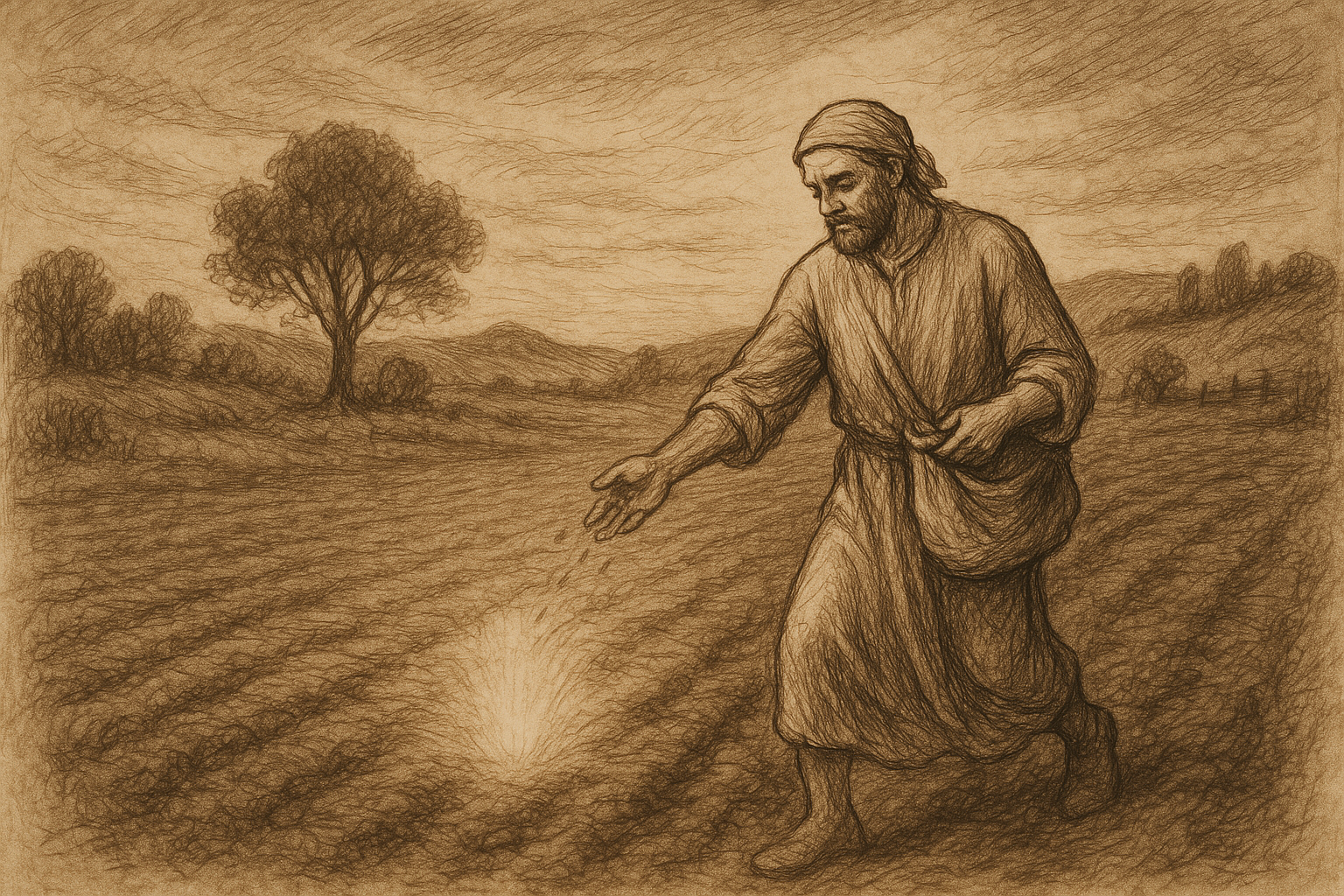
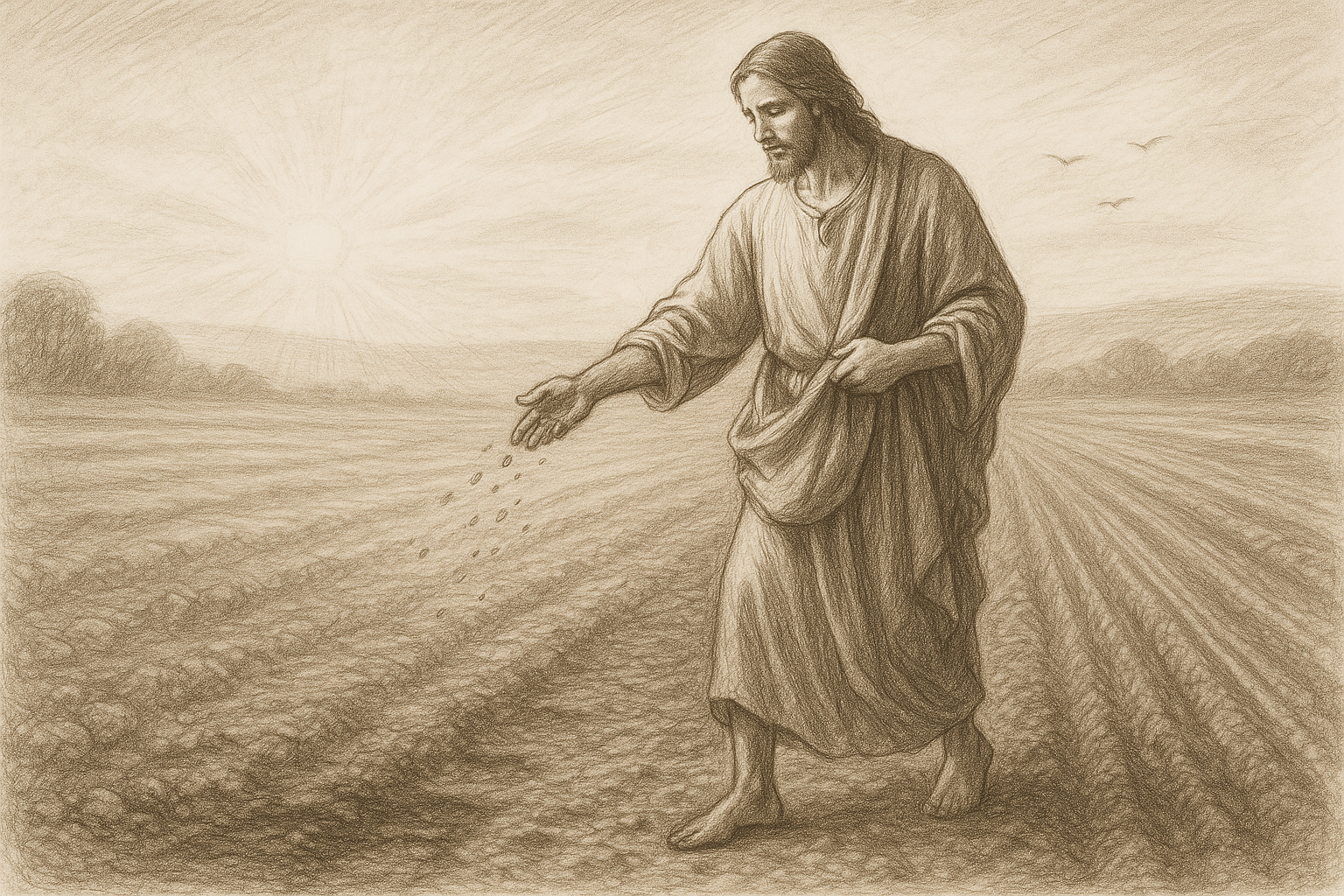
Among the parables of Jesus, few are as direct and searching as the Parable of the Sower. It appears in the Synoptic Gospels and is often among the first parables Christians hear, yet it never grows simple. The image is ordinary enough: a farmer scatters seed, and the seed falls on different kinds of ground. But Jesus is not only describing agriculture. He is revealing something about the way God's word enters the human heart, and about the mystery of why the same word bears fruit in one person and seems to fade in another.
The sower Catholic meaning is rooted in this tension between divine generosity and human response. God sows generously. Christ speaks broadly. The seed is not scarce. The issue is not whether the Lord gives enough grace, but how the heart receives it. In Catholic life, that truth reaches into preaching, prayer, repentance, sacramental life, and daily perseverance. The parable is not a puzzle for curiosity alone. It is a call to conversion.
The parable in its biblical setting
Jesus tells the parable to a crowd, but he also explains it to his disciples. That detail matters. The parable both reveals and conceals. It invites those who are willing to listen, while leaving the distracted with only surface impressions. When the disciples ask for the meaning, Jesus identifies the seed as the word of the kingdom and the soils as different responses of the human heart [[VERSE|matthew|13|18-23|Matthew 13:18-23]]. In Mark and Luke, the same basic message appears: the word is sown widely, but the condition of the heart shapes the outcome [[VERSE|mark|4|14-20|Mark 4:14-20]] [[VERSE|luke|8|11-15|Luke 8:11-15]].
The setting also reminds us that Jesus speaks to a real people in a real world. Some hear with wonder, some with resistance, some with shallow excitement, and some with patient endurance. The parable is not abstract psychology. It is a spiritual diagnosis. In every age, the Gospel meets people who are open, distracted, wounded, proud, or weary. The same saving word is spoken to all.
The sower does not stop sowing because some seed is lost. That is one of the quiet consolations of the parable. God's initiative does not depend on our perfection.
What the seed represents
Jesus says the seed is the word of God, the word of the kingdom, or simply the word heard in faith. For Catholics, this includes the proclamation of the Gospel itself, but also the broader economy of divine revelation received in the Church. The Lord speaks through Scripture, through preaching, through the liturgy, and through the sacramental life that applies his grace to our actual condition. The Church does not treat the word of God as mere information. It is living and active, meant to enter the soul and change it from within.
This is why the parable cannot be reduced to a lesson in self-improvement. The seed is not simply advice for better habits. It is the divine word that summons repentance, awakens faith, and builds communion with Christ. When Catholics hear this parable at Mass, they should hear a question beneath the story: what happens to the word once it reaches me?
The four kinds of soil
Jesus describes four kinds of ground, and each one reveals something important about the spiritual life.
- The path stands for a hardened heart. The word is heard, but it does not penetrate. Before it can take root, it is taken away. Habitual indifference, cynicism, and unrepented sin can make the soul unreceptive.
- The rocky ground receives the seed quickly, but without depth. There is joy at first, yet no endurance when hardship comes. A faith built only on emotion or novelty will struggle under trial.
- The thorns crowd out the young plant. Jesus names the cares of the world, the lure of riches, and the desire for other things. Good soil can still be compromised by distractions that suffocate grace.
- The good soil hears the word, holds it fast, and bears fruit with perseverance. This is not instant perfection. It is receptive fidelity over time.
Each soil can be read as a warning and an invitation. At different moments, many people recognize themselves in more than one description. The parable does not ask us to judge others first. It asks us to examine our own receptivity.
Catholic life as the making of good soil
Catholic tradition has long understood the spiritual life as a process of cooperation with grace. God moves first, but we are not passive. We can resist, delay, ignore, or nurture what he gives. The parable of the Sower fits that pattern beautifully. The soil does not create the seed, but it matters greatly how it receives the seed.
To become good soil is not to earn God's love. It is to allow God's love to be fruitful. The Church's sacramental life is a great help here. Confession softens hardened ground. The Eucharist nourishes what has begun to grow. The Word of God heard in the liturgy and prayerful reading penetrates more deeply when the soul is attentive and humble. Even ordinary acts of charity can clear away thorns by reordering desire toward God and neighbor.
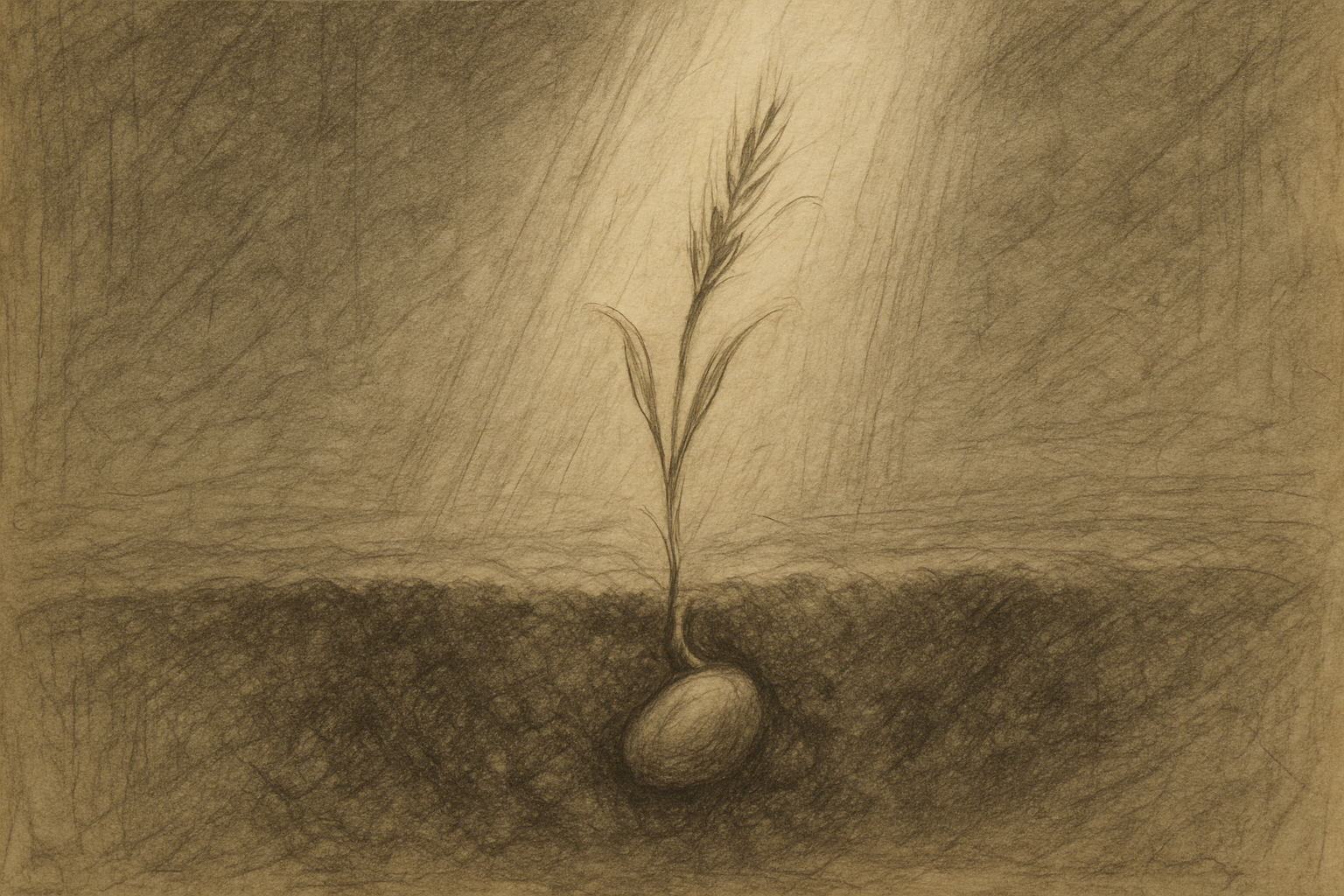
There is also a sobering truth in the parable: fruitfulness takes time. A farmer does not demand a harvest the day after sowing. Likewise, many Catholics know that conversion is rarely quick or dramatic. Grace often works quietly, beneath the surface, where others cannot see. This should encourage the discouraged believer. A soul can be alive in Christ even when growth feels slow.
Perseverance is part of the fruit
Jesus says the good soil bears fruit with patience or perseverance Luke 8:15. That detail is crucial. The Christian life is not measured only by initial enthusiasm. It is measured by endurance in faith, hope, and charity. The saints do not all look alike, but they share a steady yes to God over time.
For Catholics, perseverance is not a heroic self-invention. It is a grace requested again and again. Prayer, regular Mass attendance, the sacraments, and works of mercy all help the heart remain open. The more the soul learns to return to God, the less vulnerable it becomes to the erosion of distraction and fear.
Why the same word bears different fruit
One of the deepest lessons in the parable is that the word itself is not defective. The problem lies in the reception. This guards us from two mistakes. First, we should not blame the Gospel when it is rejected. Second, we should not imagine that fruitfulness comes from human cleverness alone. The seed has power because it is God's word. Yet human freedom still matters because love cannot be forced.
Here Catholic theology offers balance. Grace is real and prior, but it does not destroy freedom. We are responsible for how we hear, remember, and act upon the word. That responsibility is not crushing when approached in faith. It is hopeful. God is not asking for an impossible achievement. He is asking for an open heart.
The parable also helps explain why the Church preaches without favoritism. The seed is scattered widely because Christ desires all to hear. Some of the word will seem wasted. Still, the sower continues. In pastoral life, in family life, and in evangelization, Catholics are called to the same generous patience. We speak the truth, pray for fruit, and trust God with the harvest.
Living the parable today
Many modern distractions fit easily into Jesus' warnings. Noise can harden the heart. Constant urgency can leave no depth. Anxiety can choke trust. Endless comparison can make us forget that the kingdom is worth more than comfort or applause. The parable reaches into ordinary Catholic life because it names ordinary spiritual dangers.
To live the message well, it can help to ask a few simple questions in prayer:
- Have I let the word of God reach beyond habit and into my actual choices?
- What thorns compete most for my attention?
- Where do I need confession, silence, or repentance so that my heart can receive the seed anew?
- Am I looking for quick results, or am I willing to persevere?
These questions are not meant to create anxiety. They are meant to invite honesty. The Lord knows the condition of the soil already. What he seeks is not performance, but openness.
Families can live this parable by making room for Scripture at home and by teaching children that faith requires care. Parish life can live it by forming people patiently rather than assuming instant maturity. Individuals can live it by returning to prayer after dryness, by receiving the sacraments reverently, and by refusing the lie that one failure means the word has failed.
Fruit that looks like Christ
What is the harvest? The Gospels do not reduce it to visible success. Fruitfulness includes holiness, charity, repentance, wisdom, and a life increasingly shaped by Christ. Some fruit is public, but much of it is hidden. A person who forgives, prays, serves, or endures suffering in faith may bear more lasting fruit than anyone notices.
The ultimate measure of the good soil is not self-satisfaction. It is resemblance to Jesus. The seed bears fruit when the life of Christ begins to appear in the soul. That is the hope held out by the parable. The same God who sows the seed also gives growth. Our part is to remain receptive, honest, and persevering, trusting that even small beginnings can become a rich harvest in God's time.
So when Catholics hear the Parable of the Sower, they are not simply asked which soil they prefer. They are invited to become the kind of ground where the word can stay, root, and flourish. The work is quiet, but grace is patient, and the sower still walks the fields.
Keep Reading on Lets Read The Bible
Frequently Asked Questions
What is the sower in the Bible a symbol of?
In Jesus' explanation of the parable, the seed is the word of God and the sower represents the one who proclaims it. Christians also see in the sower an image of Christ himself, who scatters the word generously and without partiality.
What does the good soil mean in the Parable of the Sower?
The good soil is the heart that hears the word, receives it, and perseveres so that it bears fruit. In Catholic terms, it is a soul that cooperates with grace through faith, repentance, prayer, and the sacraments.
How can Catholics become better soil for God's word?
By living with regular prayer, careful listening to Scripture, frequent confession, reverent reception of the Eucharist, and a disciplined refusal of distractions that crowd out grace. Good soil is formed by humility and perseverance.