Catholic Living
When Hope Feels Thin: A Catholic Look at Despair and the Way Back
Catholic teaching treats despair as more than a mood: it is a moral wound that needs truth, mercy, and steady hope.
Site Admin | August 27, 2025 | 93 views
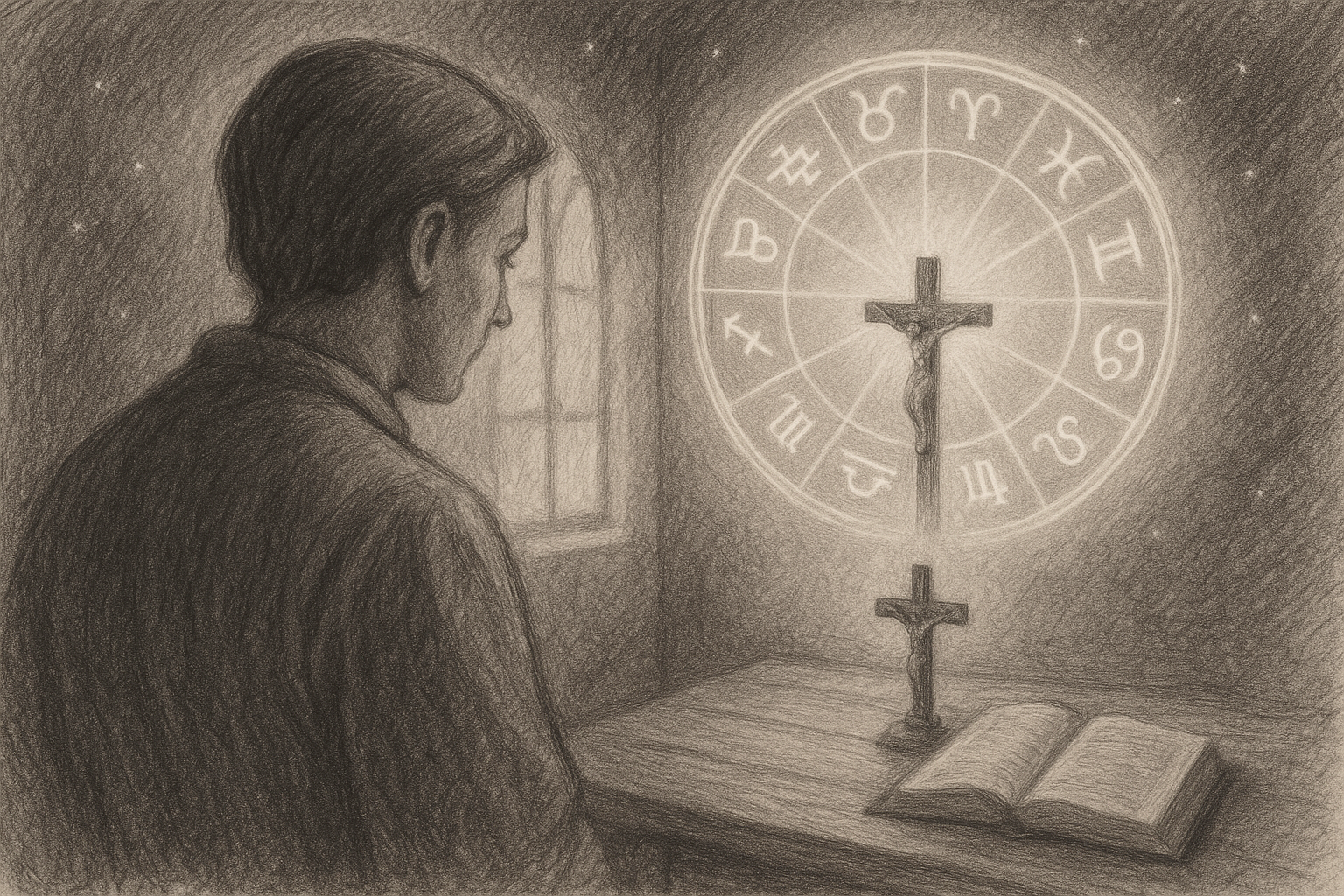
Despair is one of those words that can sound abstract until life makes it personal. A person may still get out of bed, still answer messages, still do the next required thing, and yet carry an inward conviction that God is distant, mercy is unlikely, and the future is sealed. In Catholic teaching, that interior darkness is not treated as a mere mood or a passing sadness. It is a serious spiritual matter because it touches the virtue of hope.
The Church does not speak about despair to shame the wounded. She speaks about it because the human heart was made for communion with God, and hope is part of that communion. The Catechism teaches that despair is the sin by which a person ceases to hope for personal salvation from God, for help to attain it, or for forgiveness of sins. That is a grave distortion of Christian life, but it is also something many people approach gradually, often through pain, fear, sin, isolation, or repeated disappointment.
What Catholic teaching means by despair
In ordinary speech, despair can mean feeling overwhelmed, exhausted, or emotionally numb. Catholic moral theology uses the word more precisely. Despair is not the same as sadness, grief, depression, or a temporary loss of confidence. A faithful person can weep, struggle, and even feel almost no consolation while still hoping in God. The sin begins when the heart deliberately gives up on God's mercy and refuses the truth that no wound is beyond His reach.
That distinction matters. The Church never tells the suffering person to pretend everything is fine. She does not ask a grieving parent, a person in chronic pain, or someone in depression to manufacture cheerful emotions. Hope is not optimism, and it is not denial. It is a theological virtue, a gift of grace, by which we trust that God will keep His promises even when our feelings lag behind.
Scripture is full of people who know anguish without surrendering hope. The psalmist cries out, Why are you cast down, O my soul?, and in the same breath turns back toward God. Saint Paul speaks with sober realism when he writes, In hope we were saved. Christian hope is not a slogan. It is anchored in Christ, who entered suffering, death, and silence before rising in glory.
Despair is serious, but it is not the whole story
People sometimes hear Catholic teaching on despair and assume the Church is mainly interested in categorizing sins. In reality, the Church names despair because she knows how costly it is when a soul stops expecting mercy. Once a person believes, even subtly, that God cannot or will not forgive, prayer grows thin, confession feels useless, and perseverance becomes harder. Despair can isolate the conscience and make temptation seem final.
Yet Catholic teaching also recognizes that despair often grows in soil already marked by suffering. A person may be crushed by trauma, addiction, betrayal, chronic illness, family rupture, or years of spiritual dryness. In such cases, the moral question and the pastoral question must be held together. A pastor should not rush to label a wounded heart. He should help a person distinguish between an involuntary emotional collapse and a chosen refusal of trust.
This is one reason the Church is careful about culpability. A grave matter does not always mean full personal guilt. Fear, compulsions, mental illness, severe stress, ignorance, and diminished freedom can all affect responsibility. Catholic teaching is exact about truth, but it is never blind to the condition of the person before it. For many souls, the first healing step is hearing that their pain is real and that God has not abandoned them in it.
The difference between sorrow and sinful hopelessness
Not every dark thought is despair in the moral sense. Christ Himself experienced agony in Gethsemane. He truly suffered, and He truly prayed under the weight of sorrow. The difference is that He suffered in obedience and trust. He did not cease to turn toward the Father. The Psalms likewise give the Church a language for lament that does not become unbelief.
There is a holy sorrow that leads to repentance, deeper prayer, and humility. Saint Paul describes a grief that produces salvation, not death. By contrast, despair closes the door on repentance by treating sin as stronger than mercy. It says, in effect, that the story is over before God has spoken the last word. That is why despair is so spiritually dangerous. It denies not only pardon but possibility.
Hope, on the other hand, is not a refusal to name evil. It does not excuse sin, minimize damage, or pretend consequences vanish. Hope faces reality with God in view. It says that even after collapse, the Lord can rebuild. Even after shame, confession is possible. Even after years of bad habits, grace can begin again. The Christian life is full of hidden starts like that.
Hope does not deny the wound. It refuses to let the wound become the final authority.
How despair can enter ordinary Catholic life
Despair does not always arrive with dramatic language. Often it slips in through quieter habits of mind.
- A person stops praying because prayer feels useless.
- A person avoids confession because the same sins keep returning.
- A person hears the Gospel promises and inwardly thinks, not for me.
- A person reads about the saints and assumes holiness belongs to others.
- A person mistakes emotional dryness for divine absence.
These patterns can harden over time. The soul grows tired of waiting, and the temptation is to protect itself by expecting nothing. That seems safer than hoping and being disappointed again. But safety is not the same as peace. A heart can become numb while imagining it is simply being realistic.
Catholic spirituality answers that temptation with patient truth. God is not a fragile companion who disappears when feeling fades. He remains faithful when our interior weather changes. The sacraments, especially Confession and the Eucharist, are not rewards for the spiritually confident. They are means of grace for the weak who need mercy.
Pastoral care for the person who feels beyond help
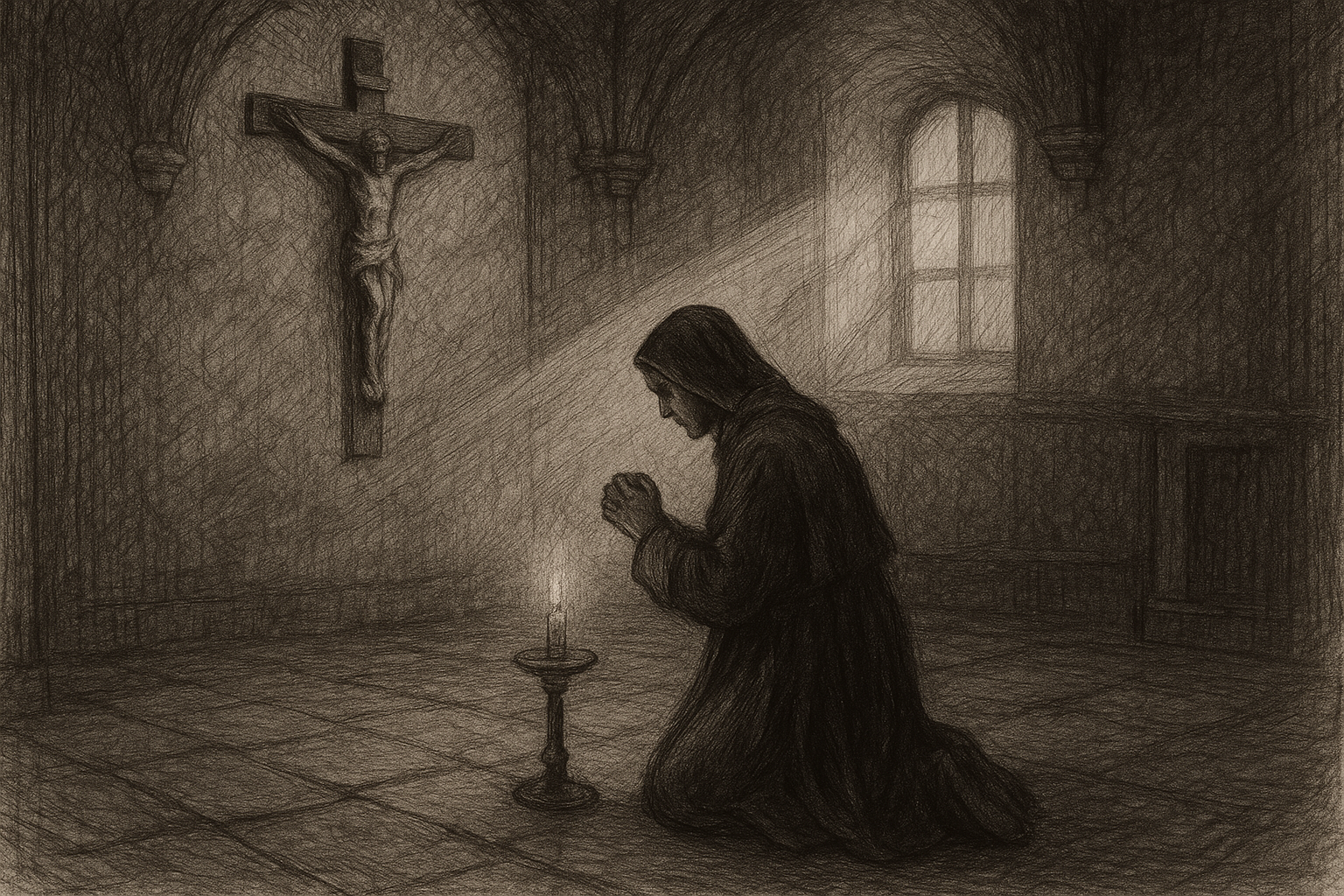
When someone is trapped in despair, the most important response is not argument. It is presence, prayer, and truthful encouragement. The Church has always known that a wounded soul often needs to borrow hope from the faith of others before it can pray with strength again.
A wise pastor or friend may begin with simple questions: Are you safe? Are you sleeping? Are you eating? Are you in contact with a doctor or counselor if you need one? Catholic care for the soul does not reject human means. Grace builds on nature, and serious emotional suffering sometimes requires ordinary professional help. Seeking medical or psychological assistance is not a lack of faith.
At the same time, spiritual help matters. A priest can help a person make a gentle, honest confession. A trusted spiritual director can remind the soul that feelings are not the final measure of truth. Scripture can be prayed in small portions, not as a performance but as a lifeline. The Church recommends the ordinary tools of grace because they are often the most durable.
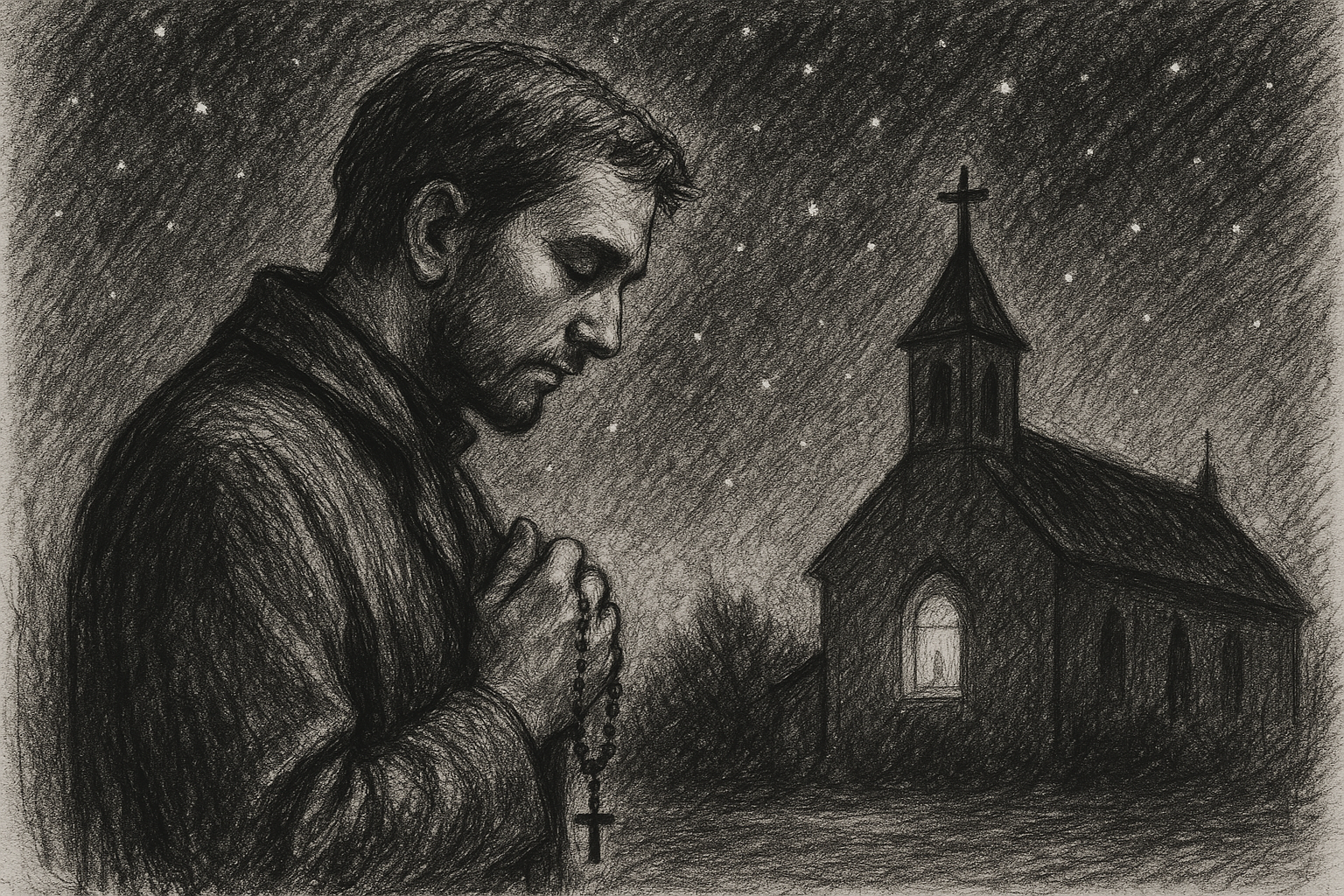
For someone who has lost confidence in God's mercy, one of the kindest practices is to repeat a short act of trust, even when it feels weak. Jesus, I trust in You. Lord, help my unbelief. Into Your hands I commend my spirit. These are not magic phrases. They are small acts of surrender that reopen the heart to grace.
Hope is learned by returning, not by pretending
Many people want the feeling of hope before they begin to act hopeful. Catholic life often works in the opposite order. We return to prayer before it feels fruitful. We go to confession before we feel clean. We keep Sunday holy before it feels easy. We speak truth before our emotions catch up. Hope is strengthened by faithful repetition.
The saints show this pattern in different ways. Some were gentle, some severe, some hidden, some public. But none of them saved themselves. Their lives testify that holiness is not self-generated morale. It is surrender to a God who acts first. That is good news for anyone who thinks spiritual failure has become identity. In Christ, no failure gets the last word unless we give it that right.
It can help to remember that despair narrows the mind. It makes the future seem closed and the past seem definitive. Hope opens both. It lets the past be confessed and forgiven, and it lets the future belong to God. This is why even a small act of hope is powerful. It breaks the lie that nothing can change.
Practical steps when despair is close
If despair is touching your life or the life of someone you love, the next step does not need to be grand. It needs to be faithful.
- Speak the truth to God in prayer, even if all you can say is that you are tired.
- Go to Confession if serious sin or spiritual paralysis has made you withdraw from grace.
- Read a psalm of lament slowly and without rushing the words.
- Ask a priest, mentor, or trusted Catholic friend to pray with you.
- Seek medical or mental health help if sadness, anxiety, or hopelessness is affecting daily functioning.
- Make one concrete act of care today, however small: eat, rest, walk, or step outside.
These are not substitutes for conversion, but they are often the road back into steadiness. God works through ordinary means. He meets us in the sacramental life of the Church, in the support of others, and in the patient decision to keep turning toward Him.
Despair tells a person to stop expecting anything from God. Catholic teaching answers with a gentler and firmer truth: the Lord is still near, mercy is still real, and the soul is never farther from help than the next prayer. Even if hope feels thin, it is still hope when it reaches toward Christ.
Keep Reading on Lets Read The Bible
Frequently Asked Questions
Is despair the same as depression in Catholic teaching?
No. Depression is a mental health condition, while despair is a moral and spiritual failure of hope. They can overlap in a person's experience, and depression can reduce responsibility or make hope feel impossible, so the Church urges compassion and careful discernment.
Can a Catholic feel hopeless and still be in a state of grace?
Yes, feeling hopeless is not automatically the sin of despair. A person may experience powerful emotions, spiritual dryness, or mental distress without freely rejecting God's mercy. God alone knows the full interior condition of the soul.
What should I do if I think I am struggling with despair?
Pray honestly, seek Confession, speak with a priest or trusted Catholic mentor, and consider professional help if needed. If hopelessness includes thoughts of self-harm, seek immediate emergency or crisis support right away.