Prayer and Devotion
When the Day Goes Quiet: A Catholic Way to Pray at Night
A calm evening practice that helps the heart give thanks, repent, and rest in God before sleep.
Site Admin | November 27, 2025 | 80 views
Night prayer has a quiet strength. It does not ask for elaborate words, long preparation, or a perfect sense of devotion. It asks only for honesty before God at the end of the day. For many Catholics, that honesty becomes one of the most stable ways to grow in peace, self-knowledge, and trust in divine mercy.
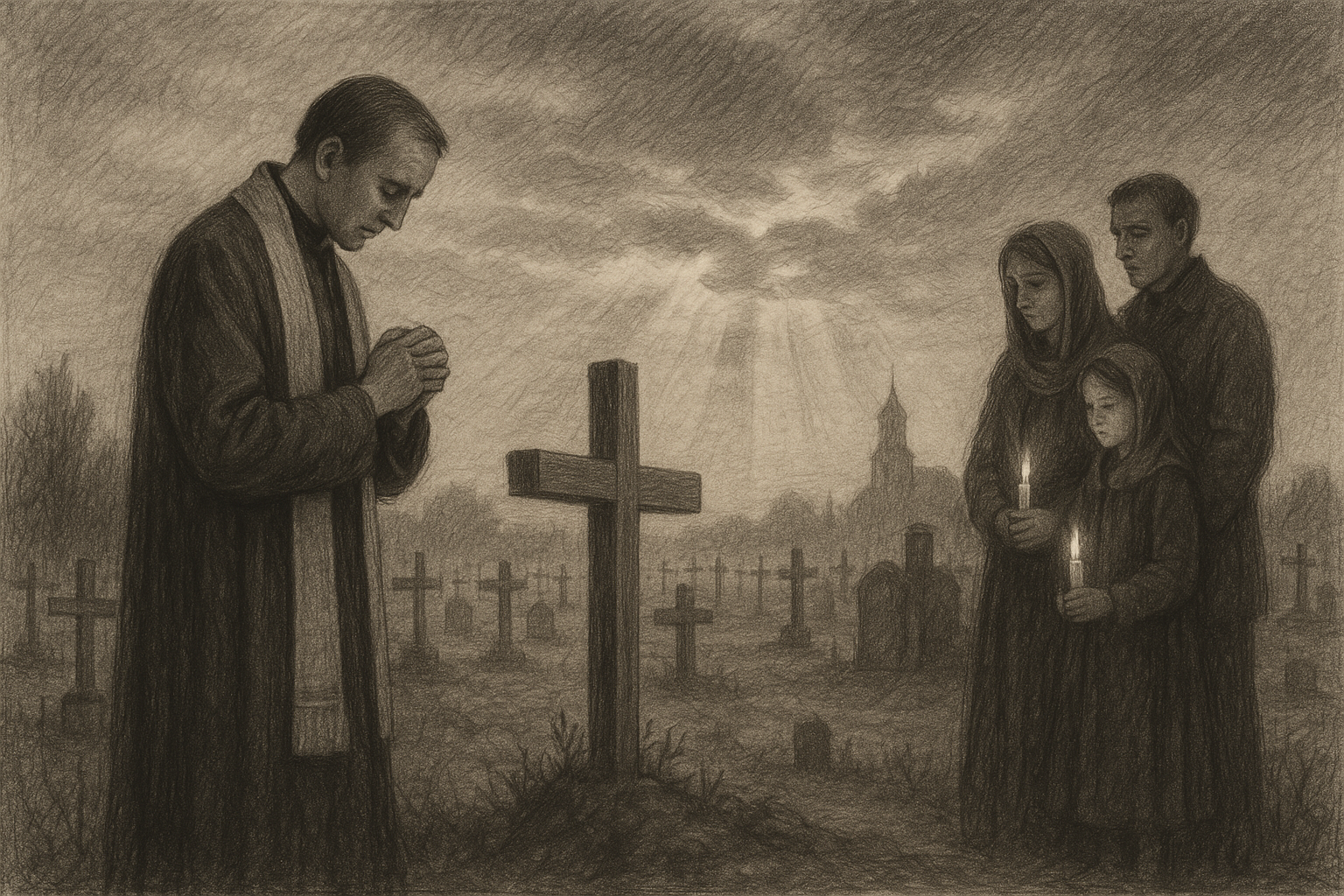
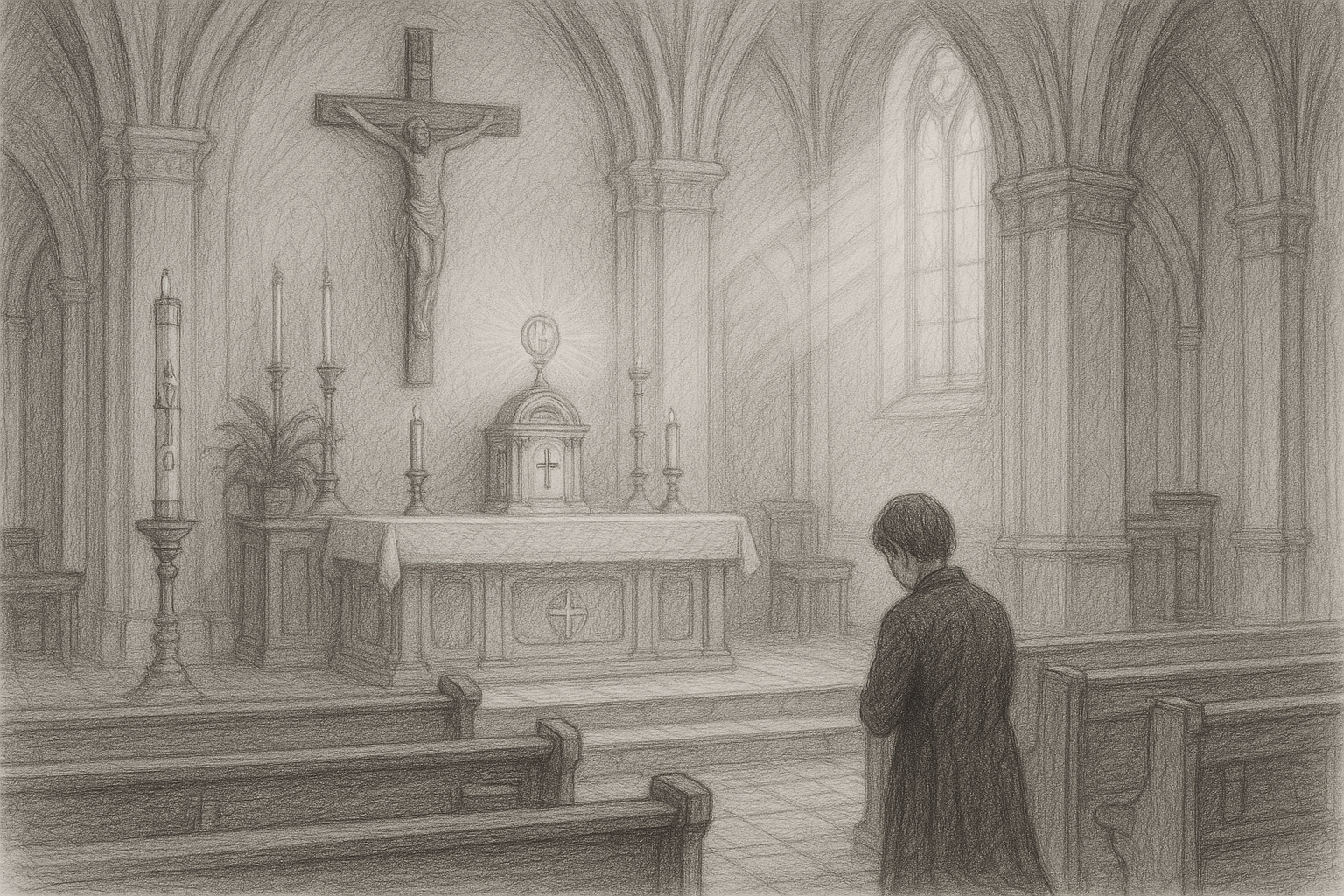
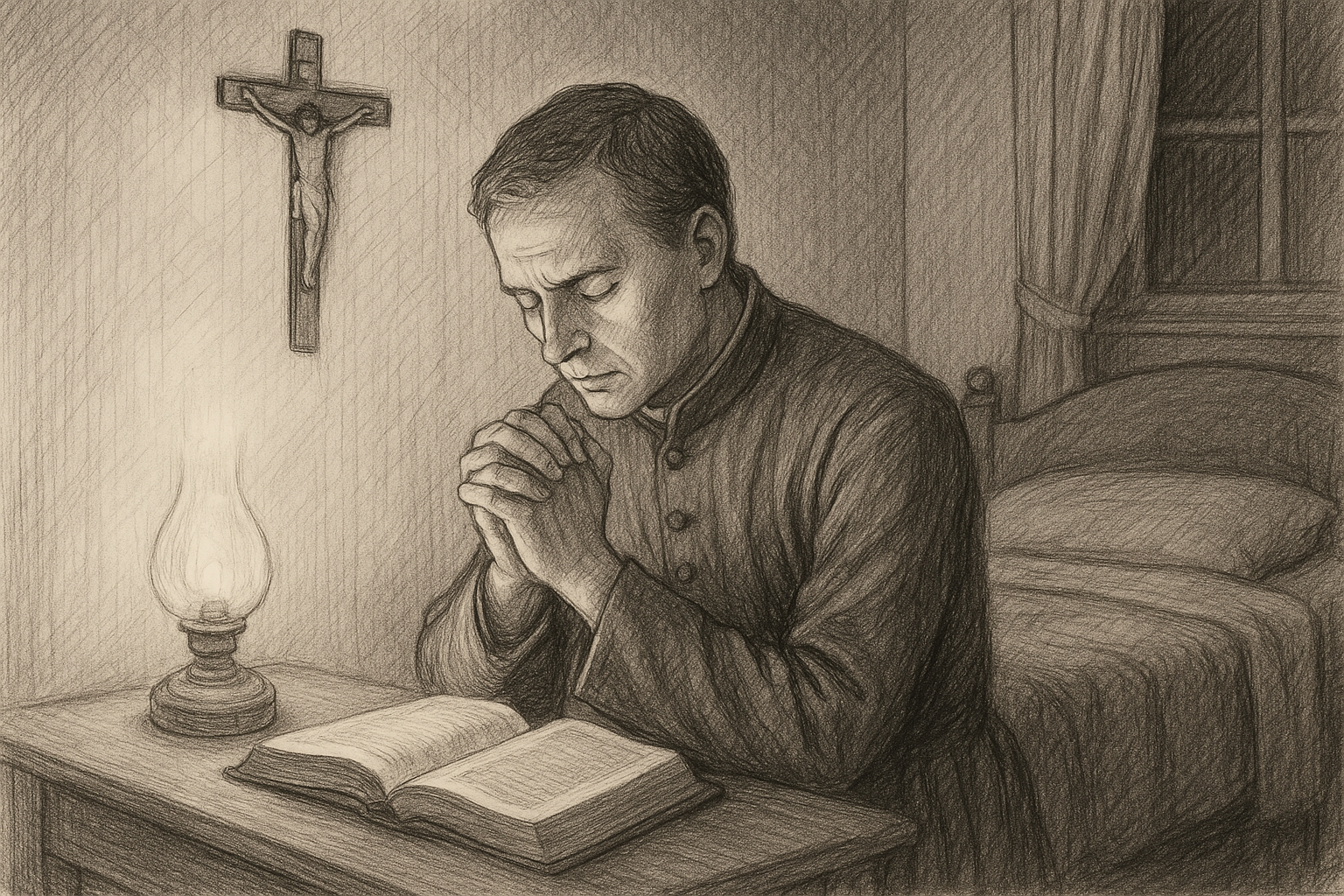
When the house settles and the pace of the day finally slows, prayer at night gives the heart a place to rest. The Church has long valued this habit, whether in the form of a simple personal prayer, the Examen, or the Church's liturgical Night Prayer from the Liturgy of the Hours. However a person begins, the purpose is the same: to place the day in God's hands and to receive his mercy before sleep.
What night prayer is meant to do
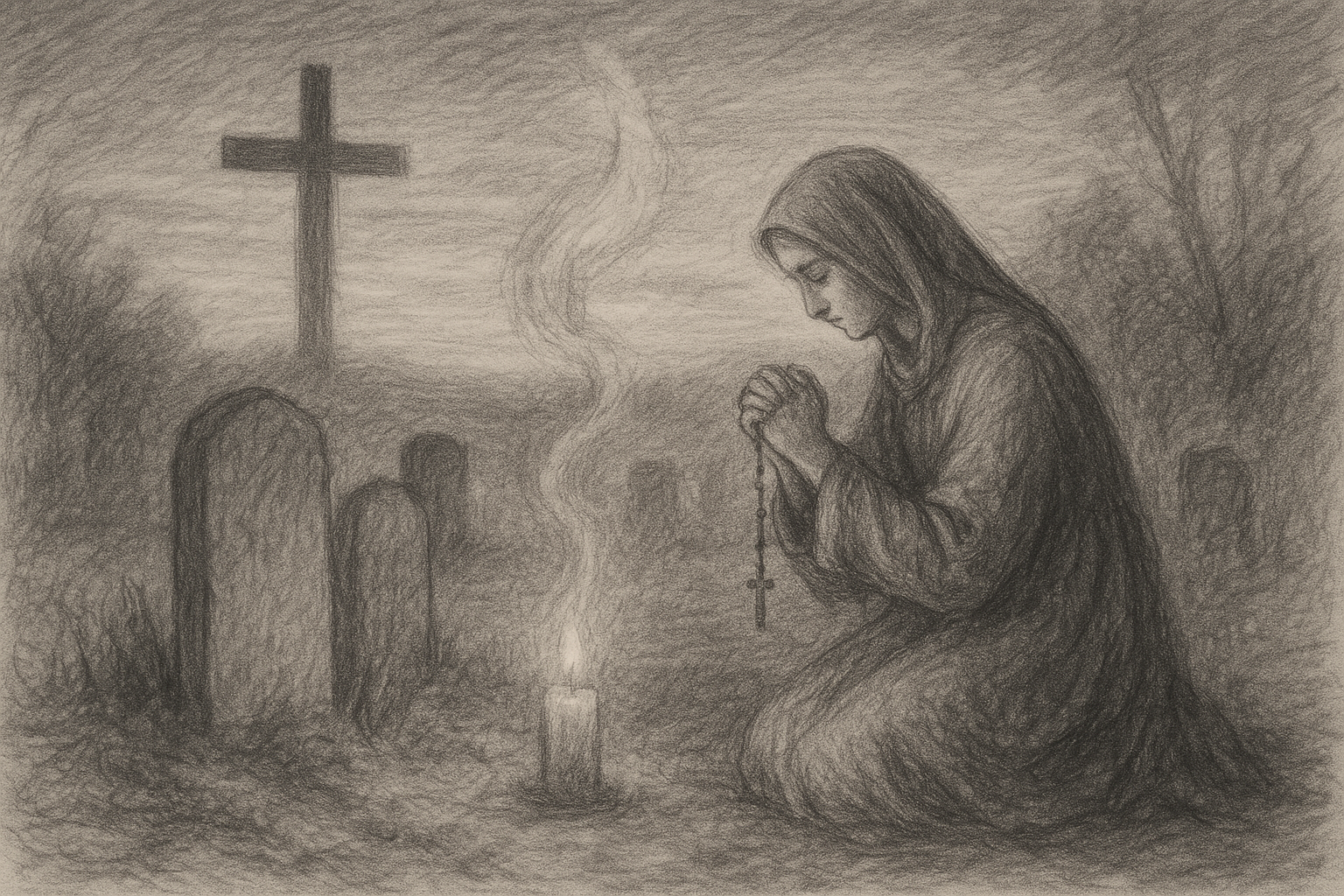
Night prayer is not a spiritual performance review. It is not a time to condemn oneself or to force feelings of remorse. It is a meeting with God at the end of the day, a time to look back with truth and forward with trust. The Psalms often pray this way, and Scripture gives a calm confidence to such an evening act of surrender: In peace I will both lie down and sleep; for thou alone, O Lord, makest me dwell in safety Psalm 4:8.
That verse captures the spirit of Christian night prayer well. We do not save ourselves by control, productivity, or vigilance. We entrust ourselves to God. Night prayer teaches the soul to stop striving and to rest in the One who keeps watch while we sleep.
It also helps us notice the day as a gift. So much of modern life pushes us to move quickly from one task to the next without reflection. Night prayer interrupts that pattern. It invites gratitude for what was good, repentance for what was not, and a renewed desire to live tomorrow with greater charity.
Why the Church recommends this daily habit
Catholic spirituality is never only about intense moments. It is also about forming habits that steady the soul. The nightly review of the day is especially valuable because it joins memory and grace. We remember what happened, but we do so before God, not merely before ourselves.
This is important because the human conscience can easily drift in two directions. Sometimes we excuse too much. Sometimes we accuse ourselves too harshly. Night prayer brings balance. It encourages gratitude without sentimentality and repentance without despair. The Holy Spirit gently shows us where we were faithful, where we fell short, and where we need help.
Saint Paul gives a simple command that fits the practice well: Pray without ceasing 1 Thessalonians 5:17. Night prayer is one of the most natural ways to live that command in ordinary life. It is not separate from the day. It completes the day. Even a short prayer before bed can become a bridge between daily activity and the stillness of God.
For Catholics, this habit is also shaped by confidence in mercy. We do not come to prayer as though God's love were uncertain. We come because God's mercy is certain. The Church teaches us to examine our conscience precisely so that we can receive grace honestly, not fearfully. In that sense, night prayer is both humble and hopeful.
The Examen and simple night prayer are not the same, but they belong together
Many Catholics hear about the Examen and wonder whether it is the same as night prayer. The answer is that they overlap, but they are not identical.
The Examen is a method of prayerful reflection, often associated with Saint Ignatius of Loyola, in which a person reviews the day with God. It typically includes thanksgiving, petition for light, reflection on the day's moments, sorrow for sin, and a look toward tomorrow. A simple night prayer may include the same elements, even if it is shorter and more spontaneous. The two belong together beautifully.
A person might say a traditional prayer, read a Psalm, make an examination of conscience, and then entrust the night to God. Another person might sit quietly for a few minutes and use the Examen as a framework. There is no single required script for the faithful. What matters is the movement of the heart toward God in truth and trust.
If your life is busy, do not wait for a perfect time or ideal interior silence. Begin where you are. The Church has always known that fidelity often begins in small, repeatable acts. A short prayer said faithfully every night is more powerful than a long prayer that only appears occasionally.
A practical pattern for praying at night
One of the best things about night prayer is that it can be simple. Here is a steady pattern many Catholics find useful:
- Be still for a moment. Turn off what needs to be turned off. Put away the phone if possible. Make a small act of recollection and remember that you are before God.
- Give thanks. Name a few specific gifts from the day. Gratitude softens the heart and keeps prayer from becoming self-absorption.
- Ask for light. Invite the Holy Spirit to help you see the day as God sees it, not only as you prefer to see it.
- Review the day honestly. Notice where charity, patience, faith, or humility were present. Notice too where fear, impatience, vanity, or neglect entered in.
- Express sorrow for sin. Do this simply and sincerely. If needed, make an act of contrition.
- Ask for help for tomorrow. Name one or two concrete intentions for the next day.
- Entrust yourself to God. Finish with a familiar prayer, a Psalm, or the Sign of the Cross.
This pattern is not meant to burden the conscience. It is meant to free the soul from vagueness. Many people sleep better when the day has been gathered and placed in God's mercy.
What to pray when words feel thin
Not every night brings rich prayer. Some evenings are crowded by fatigue, distraction, or emotional heaviness. That is normal. In such moments, simple faith is enough.
You may pray:
Lord Jesus Christ, I thank you for this day. I am sorry for my sins and for the ways I failed to love. Have mercy on me, guard me through the night, and teach me to live tomorrow in your peace.
Or you may pray with the words of Scripture, which often carry the soul when private words run dry. The Psalms are especially fitting for evening prayer because they hold together fear and trust, sorrow and hope. Psalm 91 has long been cherished by believers as a prayer of protection, and Psalm 4 offers a serene act of rest before sleep.
Even the simplest act of turning the heart toward God is real prayer. The value of night prayer lies not in its length but in its sincerity. A tired parent, a student with a heavy mind, an elderly person in pain, or anyone wrestling with worry can make a true offering in a few quiet sentences.
How night prayer changes the soul over time
Repeated nightly prayer does something subtle and beautiful. It trains the conscience. Over time, a person begins to recognize patterns more clearly: recurring sins, hidden resentments, gifts that had gone unnoticed, and moments when grace was quietly at work.
This is not mere self-analysis. It is spiritual formation. When we examine the day with God, we begin to see that holiness is not reserved for extraordinary moments. It is woven into choices, reactions, words, silences, and attentions. Night prayer sharpens our awareness of how Christ is inviting us to grow.
It also strengthens trust. A person who ends the day in prayer gradually learns that every day does not need to be mastered in order to be handed over. This is a deep healing for anxious hearts. The soul learns to sleep in the knowledge that God remains awake.
The Lord himself gives this peace. In the Gospel, Jesus invites the weary to come to him for rest Matthew 11:28. Night prayer responds to that invitation in the language of ordinary life. It says, in effect,
Keep Reading on Lets Read The Bible
Frequently Asked Questions
What is the difference between night prayer and the Examen?
The Examen is a structured method of reviewing the day with God. Night prayer is broader and can include the Examen, the Liturgy of the Hours Night Prayer, a short act of contrition, or any simple evening prayer that entrusts the soul to God.
How long should Catholic night prayer take?
There is no fixed length. For some people it may be two or three minutes. For others it may be longer. What matters is regularity, honesty, and trust, not the amount of time spent.
Can night prayer help with anxiety or trouble sleeping?
Night prayer can help by giving the mind a peaceful focus, but it is not a substitute for medical care or spiritual direction when needed. It can still be a real help because it returns the heart to God, which often brings calm.